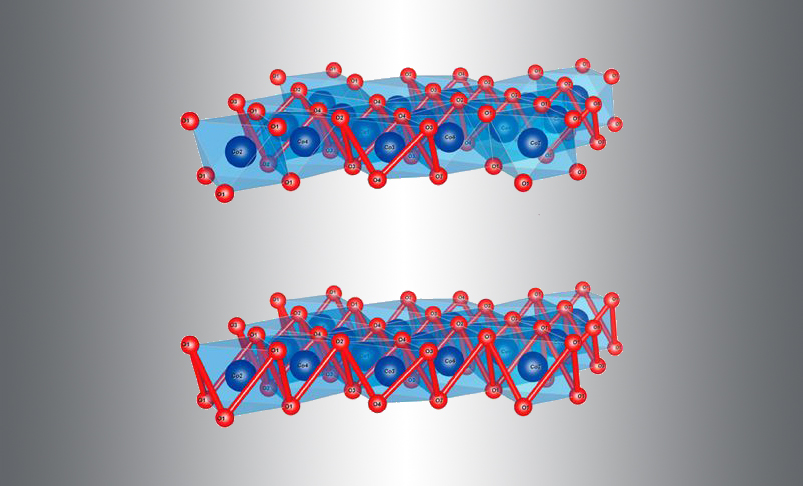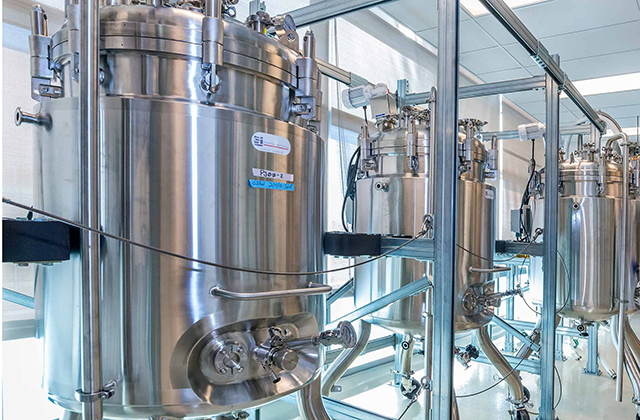
Longer-range electric-vehicle batteries and large-scale production of hydrogen fuel will require new electrocatalysts to speed up the reaction central to such applications. With data from the ALS, scientists learned how a low-cost material enables this reaction to proceed at an ultrafast rate. https://als.lbl.gov/how-a-new-electrocatalyst-enables-ultrafast-reactions/
Podcast: The Future of Water And Wildlife
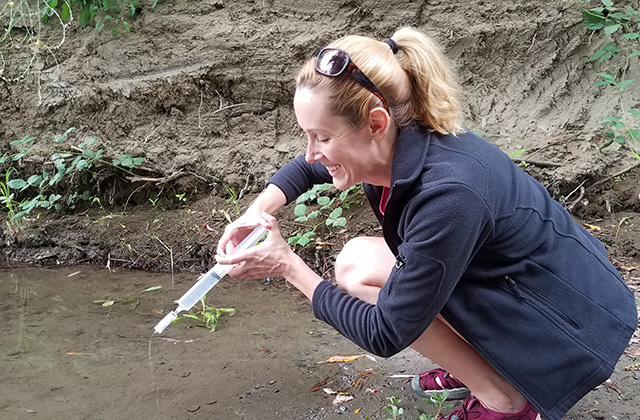
Water is one of our most precious resources, and small environmental changes can have massive consequences. An episode of DOE’s podcast series, “Direct Current”, features Berkeley Lab scientist Michelle Newcomer who discusses research on shifting water cycles and its impact on natural disasters. https://www.energy.gov/podcasts/direct-current-energygov-podcast/future-water-wildfire-live-aaas
Making Biofuels Cheaper by Putting Plants to Work
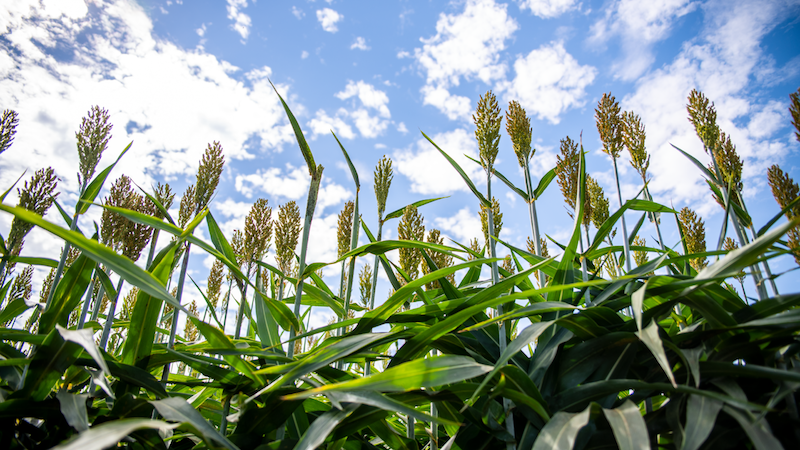
Biofuels are a strategic replacement for petroleum-based fuels that we use today. However, biofuels have so far not reached cost parity with conventional petroleum fuels. Researchers at the Lab are finding ways to reach parity by making the plants do some of the work. https://newscenter.lbl.gov/2020/04/06/making-biofuels-cheaper-by-putting-plants-to-work/
Deciphering the Impact of Non-coding Mutations in the Human Genome
Biosciences Area researchers have developed a higher-throughput transgenic mouse assay to evaluate the disease-causing potential of human variants in enhancers, which are regulatory switches found in the non-coding sequence that control when and where genes are turned on or off in an organism. https://biosciences.lbl.gov/2020/03/25/deciphering-the-impact-of-non-coding-mutations-in-the-human-genome/
DESI Review Team Approves Completion of Project Construction
A DOE independent project review team has approved the completion of the Dark Energy Spectroscopic Instrument (DESI) construction project, led by the Lab. Installed on a telescope in Arizona, DESI is expected to begin mapping galaxies this year which could provide clues to the nature of dark energy. https://www.desi.lbl.gov/
Uncertain Climate Future Could Disrupt Energy Systems
Extreme weather events – such as severe drought, storms, and heat waves – have been forecast to become more commonplace and are already starting to occur. What has been less studied is the impact on energy systems and how communities can avoid costly disruptions, such as partial or total blackouts. https://newscenter.lbl.gov/2020/04/01/uncertain-climate-future-could-disrupt-energy-systems/
Lab Computing Power Applied to COVID-19 Crisis
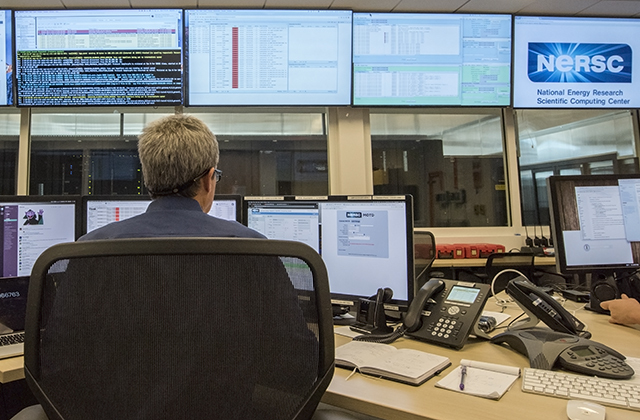
NERSC is contributing resources to the COVID-19 High-Performance Computing Consortium, and ESnet is the network for the consortium. NERSC has dedicated queues running COVID-19-related research projects on Cori, a Cray XC40 supercomputer able to perform nearly 30 quadrillion calculations per second. https://cs.lbl.gov/news-media/news/2020/nersc-esnet-continue-to-deliver-supercomputing-networking-support-for-nations-scientists-during-pandemic/
COVID-19 Related Research at Berkeley Lab
Scientists around the world are joining together to study SARS-CoV-2 and to expedite the development of possible vaccines and treatments. At the Lab, we’re evaluating how our unique capabilities can contribute to this global effort while ensuring the health and safety of our staff and community. https://stratcomm-elements.lbl.gov/2020/03/31/covid-19-related-research-at-berkeley-lab/
The Future of Water: Hyperlocal Desalination
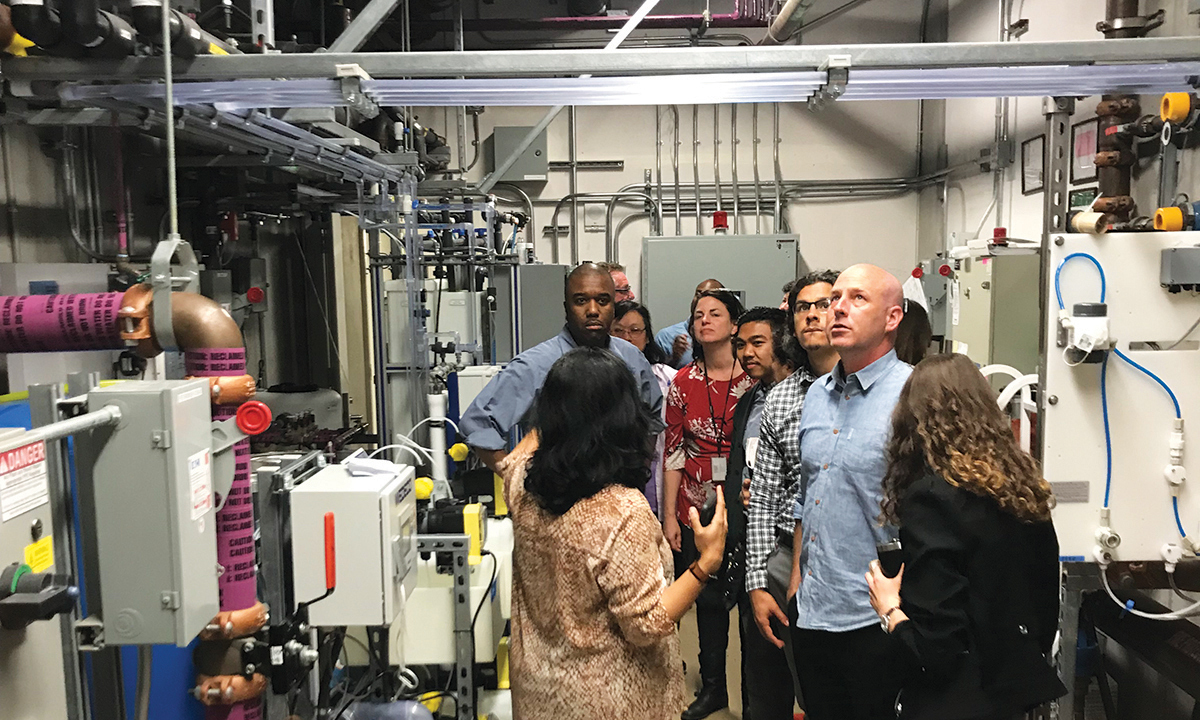
Desalination technology is now routine and is currently used by 120 countries around the world. But the Lab’s Peter Fiske wants to take that technology even further, such as desalinating the water that goes down our drains. His research is featured in this article in the Bay Area Monitor. https://bayareamonitor.org/article/the-future-of-water-onsite-desalination-for-hyperlocal-reuse/
Using Fiber Optics to Advance Safe and Renewable Energy
Lab researchers have been studying the use of fiber optic cables as scientific sensors in carbon sequestration, groundwater mapping, and earthquake detection. With newly-awarded grants, they can now explore how to use them for monitoring offshore wind operations and underground natural gas storage. https://newscenter.lbl.gov/2020/03/30/using-fiber-optics-to-advance-safe-and-renewable-energy/