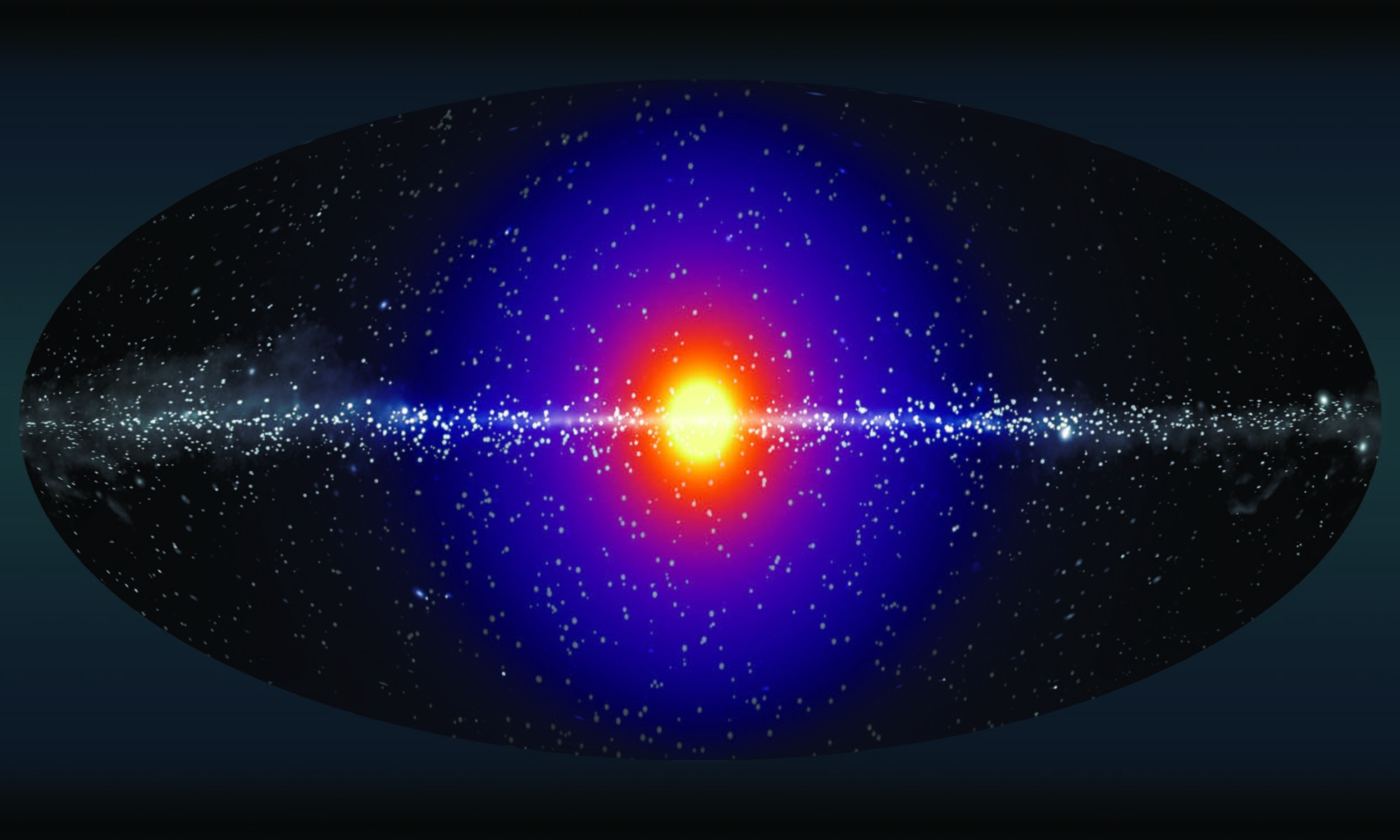
Lab and UC Berkeley physicist Nicholas Rodd participated in a study that knocks down some theories for the origin of a mysterious light signature in space. The study concludes that a dark matter-related explanation is largely ruled out. https://newscenter.lbl.gov/2020/03/26/new-technique-looks-for-dark-matter-traces-in-dark-places/
Looking Up From the Mountaintop: Q&A with DESI Lead Observer
The Lab is the lead on DESI, a project that will map the universe in 3D to hunt for dark energy clues. Satya Gontcho A Gontcho, a lead observer for DESI, shares her experiences – including observing stints to run through checklists and probe how components are working. https://newscenter.lbl.gov/2020/03/26/looking-up-from-the-mountaintop-qa-with-a-telescope-instruments-lead-observer
Team Works on Natural Mosquito-Killing Compound
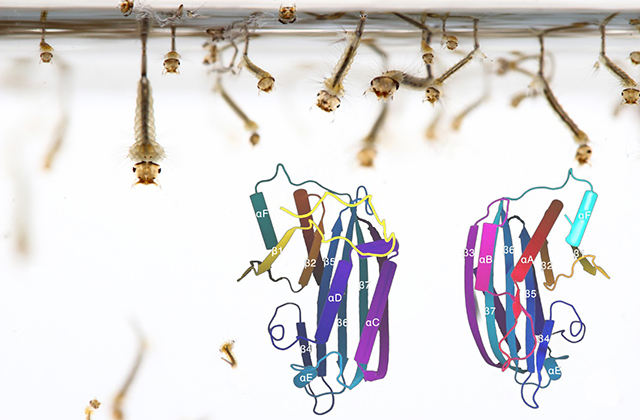
Many of the chemicals used to kill disease-carrying mosquitoes can pollute ecosystems and cause additional harm. A team from the Molecular Biophysics and Integrated Bioimaging Division joined teams from 10 other institutions to come up with a possible natural mosquito killer. https://newscenter.lbl.gov/2020/03/23/x-ray-natural-mosquito-toxin/
One Step Closer to a Fast-Charging Battery
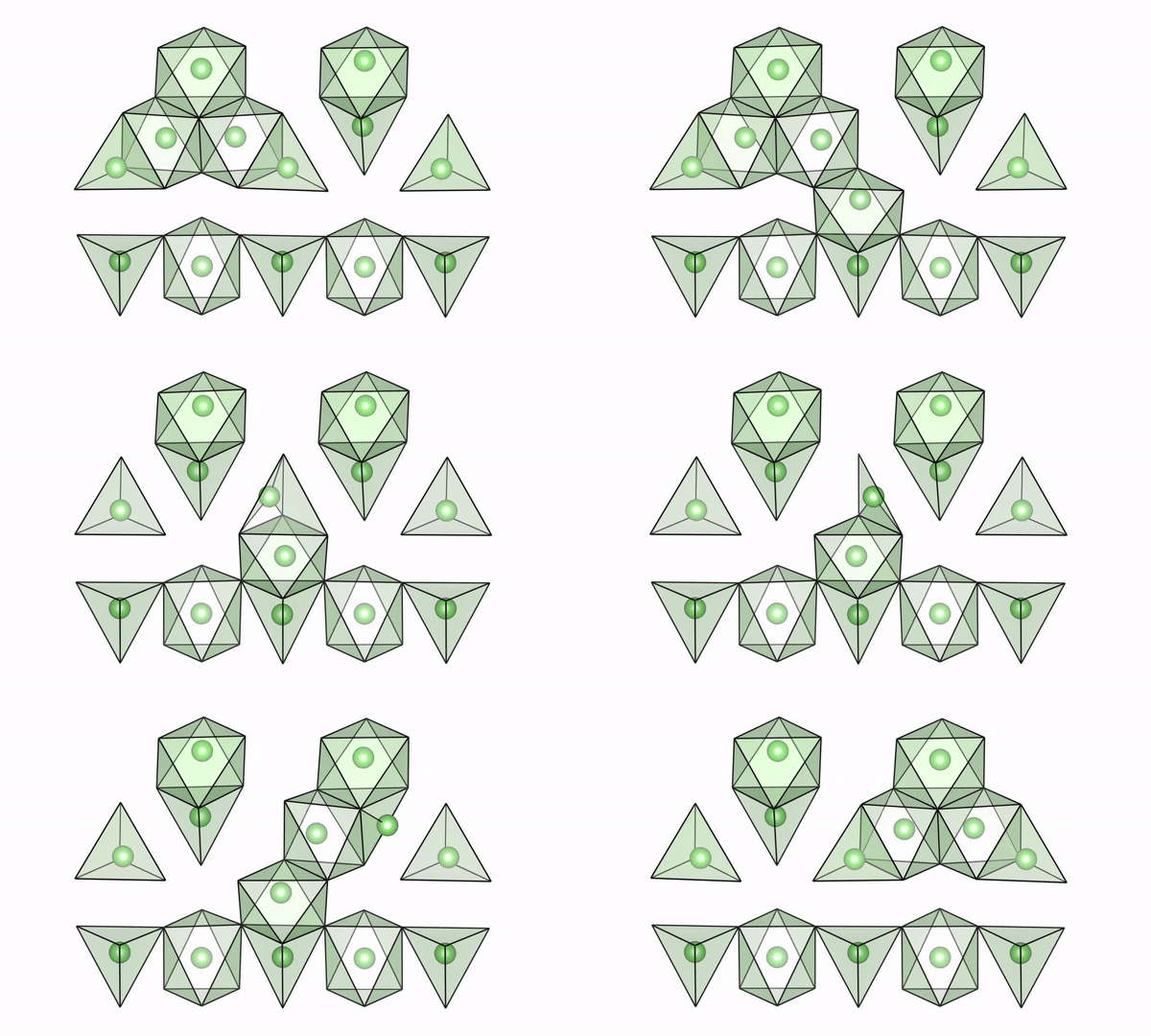
Lab researchers, working with a team at Brookhaven National Laboratory, have made a key discovery about the dynamic structural changes in a material called lithium titanate, putting scientists one step closer to achieving a fast-charging lithium battery. https://newscenter.lbl.gov/2020/03/23/one-step-closer-to-a-fast-charging-battery/
Artificial Antibodies Developed to Target Pathogens
A team at the Molecular Foundry has developed a technique that could accelerate the design of artificial antibodies for biomedical applications – from sensing technologies that detect and neutralize infectious viruses and bacteria to the early detection of Alzheimer’s. https://newscenter.lbl.gov/2020/03/23/antibodies-target-pathogens/
Lab Cosmologists Are Top Contenders in Machine Learning Challenge
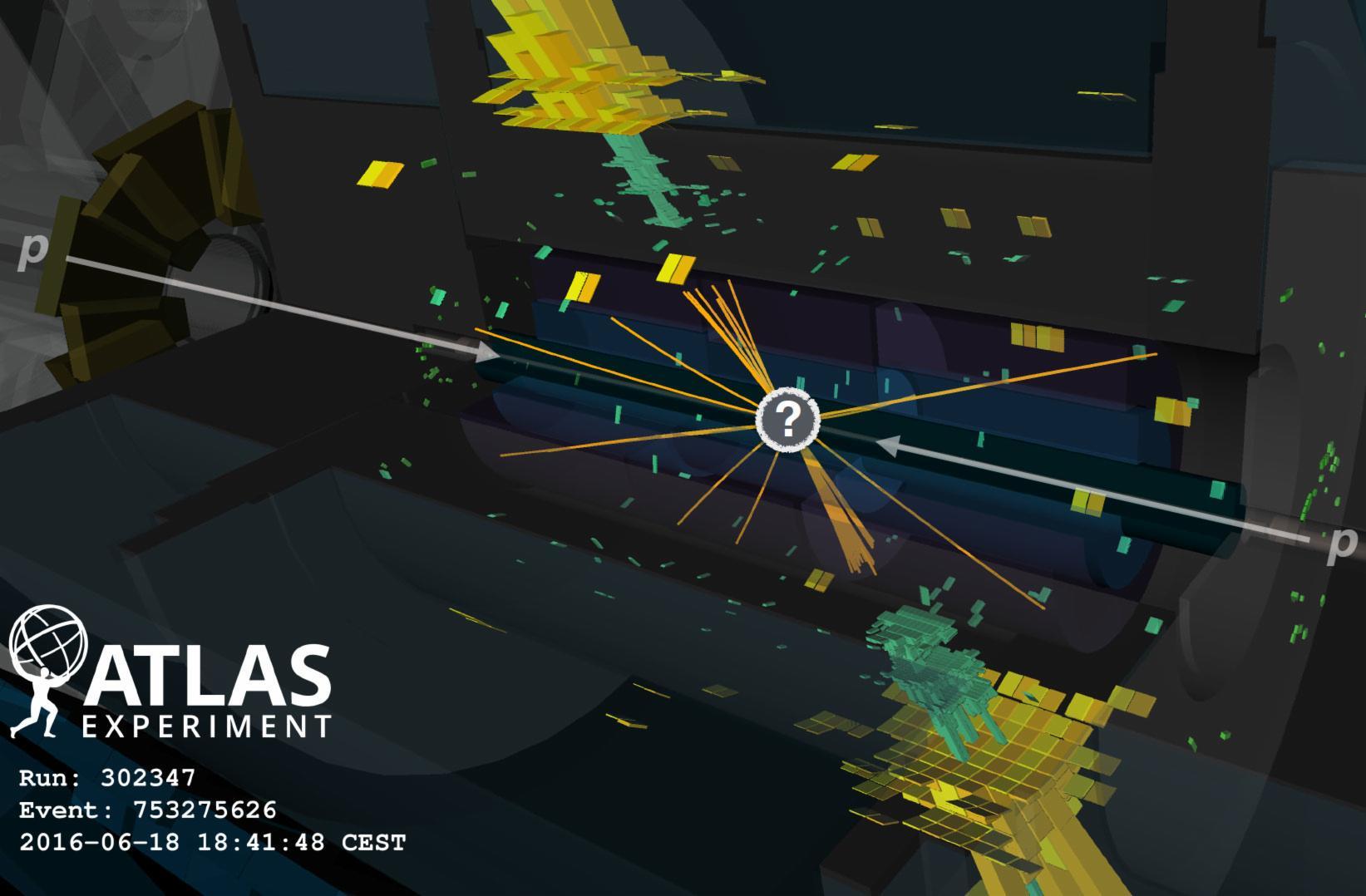
In a machine learning challenge dubbed the 2020 Large Hadron Collider Olympics, a team of cosmologists from Berkeley Lab developed a code that best identified a mock signal hidden in simulated particle-collision data. https://newscenter.lbl.gov/2020/03/20/berkeley-lab-cosmologists-top-contenders-machine-learning-challenge/
Nature Inspires Green Energy Technology
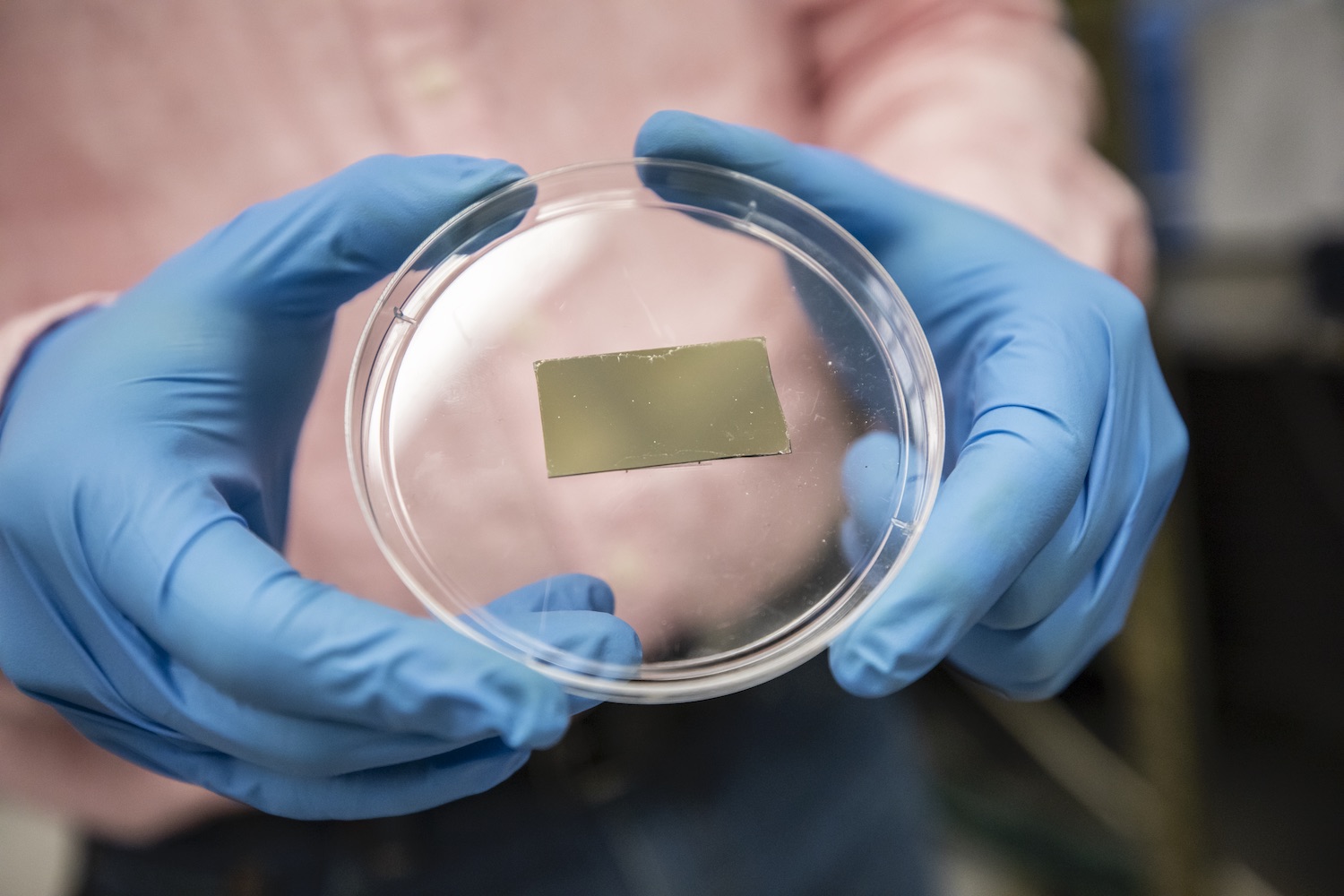
The Lab’s Heinz Frei has spent decades working toward building an artificial version of one of nature’s most elegant and effective machines: the leaf. He and his team have a new material design that has put the long-sought idea of artificial photosynthesis within reach. https://newscenter.lbl.gov/2020/03/19/green-energy-clears-hurdle/
Navigating the Science of Atmospheric Rivers
The Lab’s Yang Zhou is quoted in a DOE story on atmospheric rivers and disastrous weather. Predicting the impact of an atmospheric river — which can carry the same amount of water vapor as water flowing through the mouth of the Amazon River — presents a challenge as it is difficult to model. https://www.energy.gov/science/articles/flooding-sky-navigating-science-atmospheric-rivers
Lab Building Magnets to Upgrade CERN’s LHC
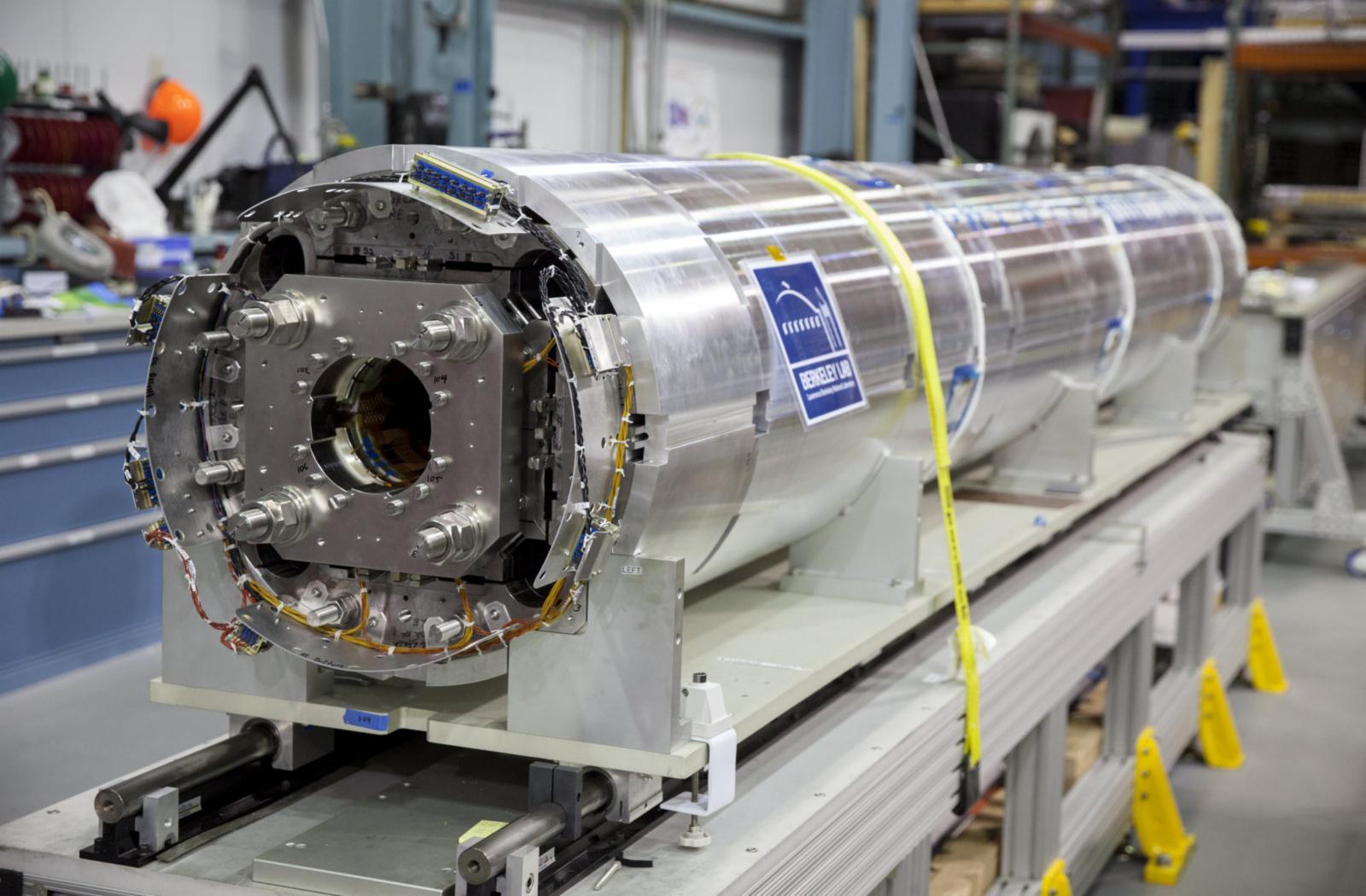
Berkeley, Fermi, and Brookhaven national labs are partners in an effort to build powerful magnets for an upgrade of CERN’s Large Hadron Collider, the largest particle collider on the planet. The research represents a new use for niobium-tin, a superconducting material. https://newscenter.lbl.gov/2020/03/18/3-national-labs-achieve-record-magnetic-field-for-accelerator-focusing-magnet/
Mathematical Model Advances Flow Battery Development
Cheap, clean power generation is becoming more of a reality, but energy storage is still one of the biggest barriers to widespread adoption. Researchers in the Energy Technologies Area have developed a foundational mathematical model for optimization of materials used in flow battery development. https://esdr.lbl.gov/news/article/mathematical-model-advances-flow