Can scientists understand human behavior enough to figure out what drives the choices you make? In fact, it’s called “decision science,” and it’s something that Anna Spurlock, a Berkeley Lab behavioral economist, specializes in. Learn more in the Q&A. https://newscenter.lbl.gov/2020/03/12/how-we-choose-applying-decision-science-to-transportation-behaviors/
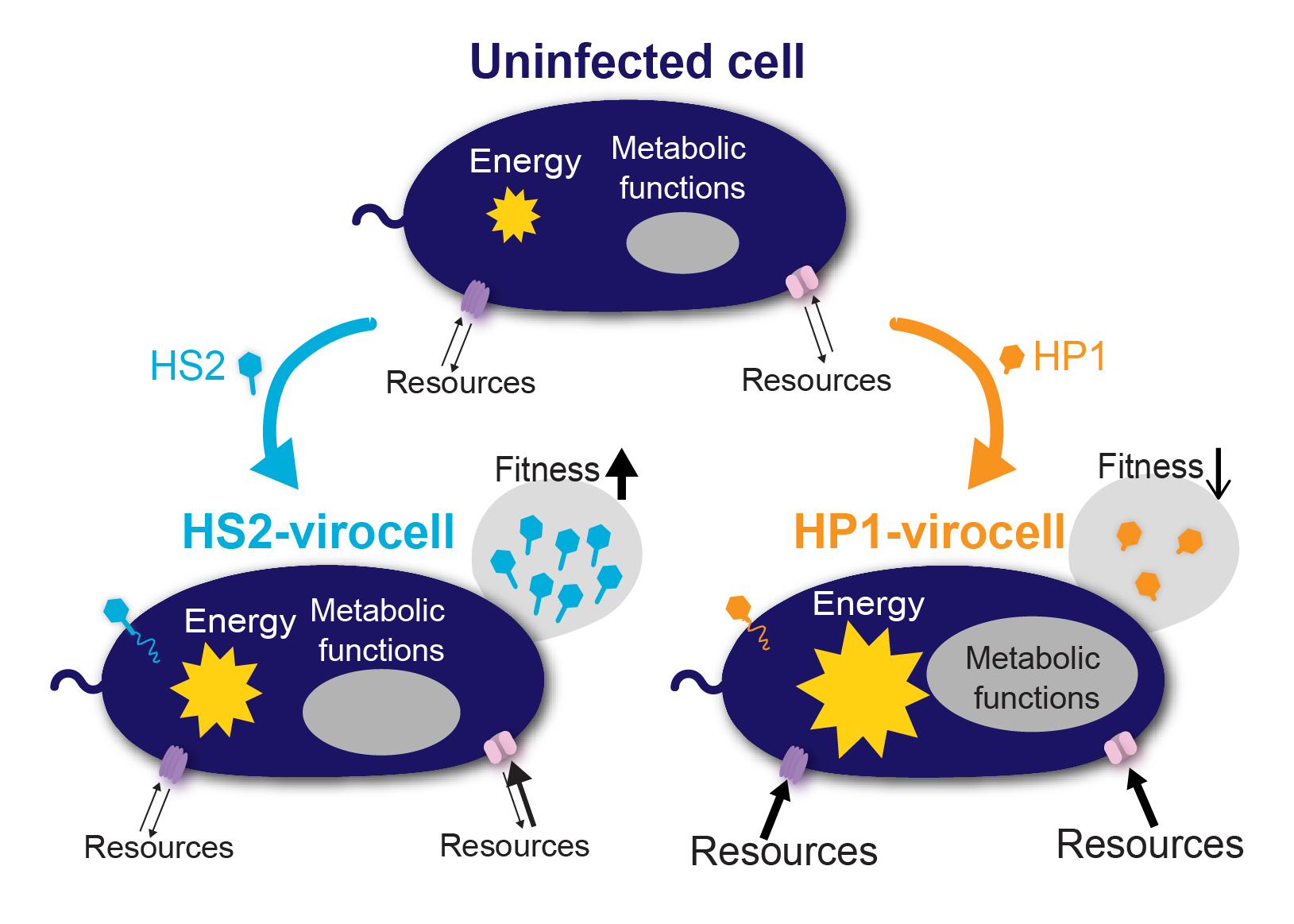
Viruses Reprogram Cells into Different Virocells
If it looks like a duck and quacks like a duck, it must be a duck. But, if the duck gets a virus that causes it to no longer look or quack like a duck, is it still a duck? For researchers working with JGI to understand how infected microbial cells transform into virocells, the answer is no. https://jgi.doe.gov/viruses-reprogram-cells-into-different-virocells/
A Graphene Innovation That Is Music to Your Ears
A California-based company called GraphAudio is moving toward commercializing graphene-based audio technology developed at Berkeley Lab and UC Berkeley to stimulate an audio revolution. The company’s goal is to manufacture graphene components that other companies incorporate in their products. https://newscenter.lbl.gov/2020/03/11/graphene-innovation-music-to-your-ears/
Probing a Promising PV Material
At the ALS, researchers were able to probe the structure of a promising photovoltaic material in the crucial early stages of processing, as the precursor solution is spun out into a thin film. The results demonstrate the power of using in-beamline techniques for optimizing device performance. https://als.lbl.gov/probing-the-evolution-of-photovoltaic-films-during-the-spin-coating-process/
Using CRISPR to Improve Rice, Other Crops
Scientists at UC Davis and collaborators at the Joint BioEnergy Institute (JBEI) have used CRISPR technology to genetically engineer rice with high levels of beta-carotene, the precursor of vitamin A. The technique provides a promising strategy for genetically improving rice and other crops. https://www.jbei.org/crispr-genome-editing-strategy-could-improve-rice-other-crops/
A Deeper Dive Into Fungi With Bioenergy Potential
A new study dives deeper into a genus of fungi that is a source of biotechnologically-important enzymes. The results are part of a long-term project to sequence the genomes of more than 300 Aspergillus fungi. https://www.jbei.org/diving-deeper-into-a-genus-of-fungi-with-bioenergy-potential/
The Biology Behind Your Love (or Hatred) of Coffee
Why do some people feel like they need three cups of coffee just to get through the day when others are happy with only one? Why do some people abstain entirely? New research suggests that our intake of coffee is linked to the interaction between genetics and environment. https://newscenter.lbl.gov/2020/03/05/biology-love-of-coffee/
Graphene: A Talented 2D Material Gets a New Gig
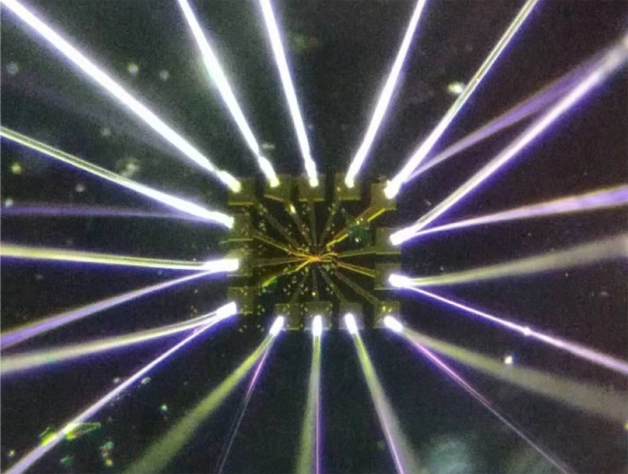
Berkeley Lab scientists have designed a tunable graphene device that could advance the development of next-generation memory devices and quantum computing technologies. https://newscenter.lbl.gov/2020/03/04/2d-material-gets-a-new-gig/
How JCAP Is Making Solar Fuels Shine at Berkeley Lab
As we look back at a decade of discovery, we highlight 10 scientific breakthroughs by researchers at Berkeley Lab and the Joint Center for Artificial Photosynthesis that bring us closer to a solar fuels future. https://newscenter.lbl.gov/2020/03/03/jcap-is-making-solar-fuels-shine/
ALS Reveals Vulnerability in Cancer-Causing Protein
A promising anticancer drug, AMG 510, targets tumors caused by mutations in a signaling protein. The drug, which is currently in phase II clinical trials for efficacy, was developed by Amgen Inc. with the help of novel insights gained from protein structures solved at the ALS. https://als.lbl.gov/als-reveals-vulnerability-in-cancer-causing-protein/