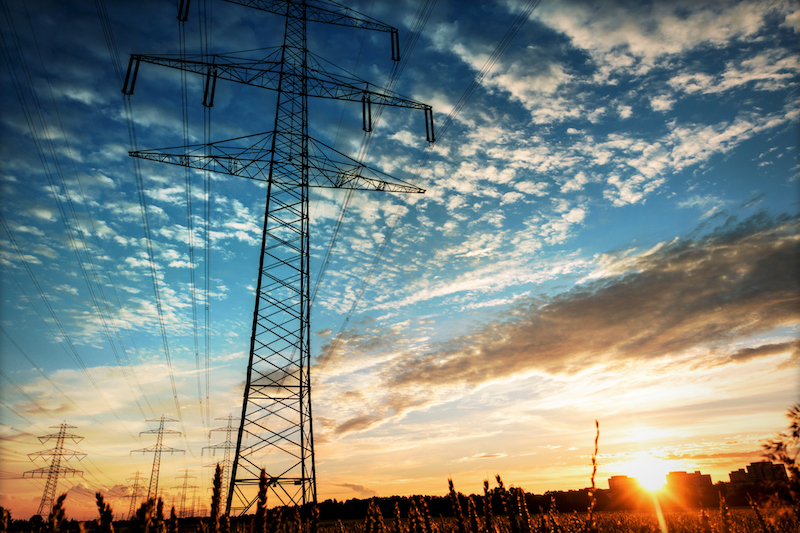
When it comes to adopting heavy-duty electric trucks, battery limitations are often seen as the main barrier. A new analysis shows the lack of appropriate policies around incentives, infrastructure, and pricing that prevent widespread electrification of commercial trucking fleets. https://newscenter.lbl.gov/2021/03/16/commercial-truck-electrification-is-within-reach/
The Molecular Imaging Behind COVID-19 Breakthroughs
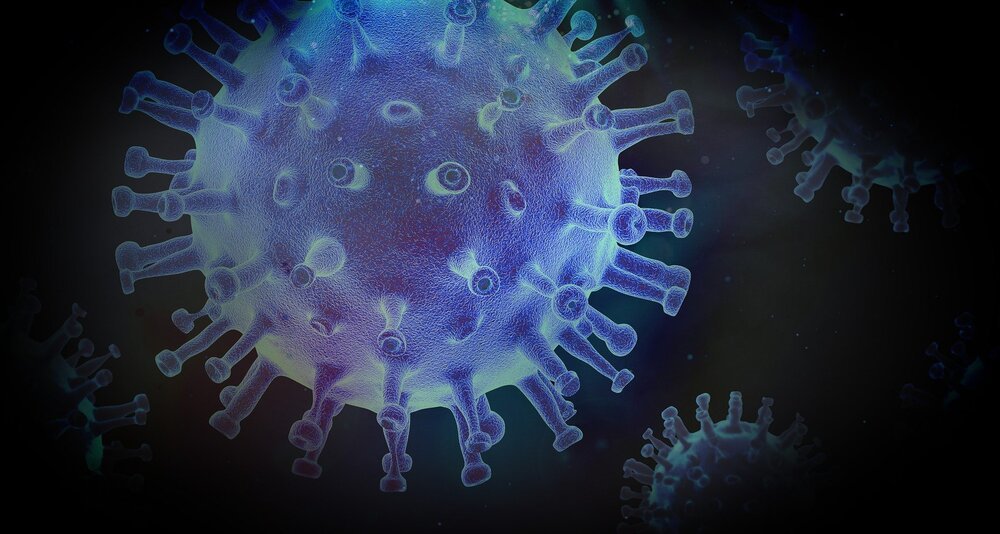
In this Q&A, Berkeley Lab bioscientist Paul Adams, who leads the development of a widely used data analysis software, discusses structural biology’s role in vaccine and antiviral research. https://newscenter.lbl.gov/2021/03/15/qanda-molecular-imaging-covid19/
LHC Accelerator Upgrade Project Hits Key Milestone
The Department of Energy has formally approved a key milestone in the High-Luminosity LHC Accelerator Upgrade Project being carried out at eight U.S. institutions, including the Lab. https://newscenter.lbl.gov/2021/03/12/us-magnet-development-project-for-cern-particle-collider-upgrade-moves-forward/
New Protein Functions From Good Human Gut Bacterium
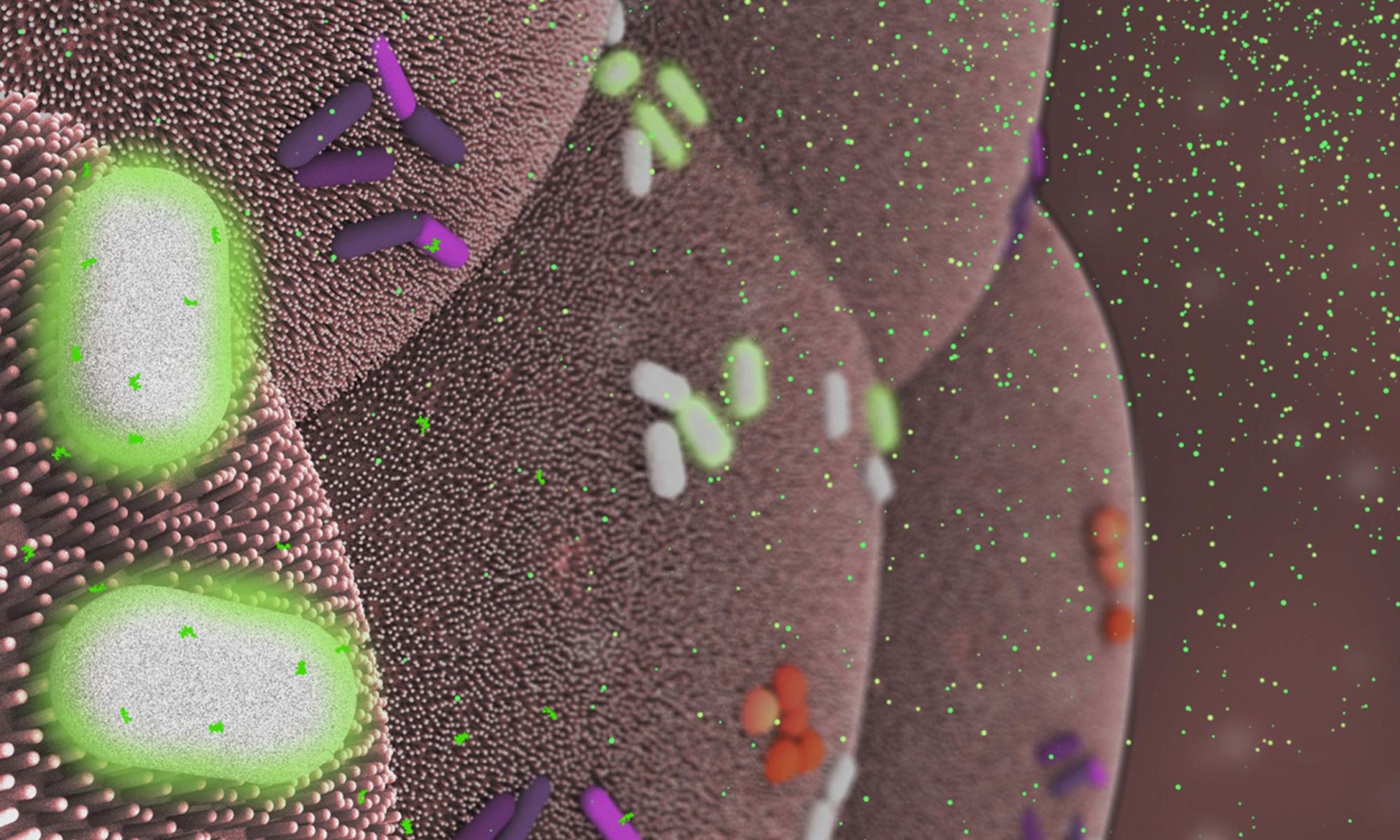
Biosciences researchers performed hundreds of genome-wide fitness assays on Bacteroides thetaiotaomicron and identified new functions for 40 proteins, including antibiotic tolerance, polysaccharide degradation, and colonization of the GI tract in germ-free mice. https://biosciences.lbl.gov/2021/03/08/new-protein-functions-from-beneficial-human-gut-bacterium/
Lab Expertise Still Used 10 Years After Fukushima
The deadly events in Japan’s Fukushima region drew upon Berkeley Lab’s expertise in radiation measurements and led to the creation of long-term radiation-monitoring programs, both locally and in Japan, including drone -and helicopter-based surveys, and vehicle-based and hand-carried measurements. https://newscenter.lbl.gov/2021/03/11/berkeley-labs-advanced-monitoring-capabilities-still-in-use-10-years-after-fukushima-earthquake-and-nuclear-power-plant-disaster/
New Optical Antennas Could Overcome Data Limits
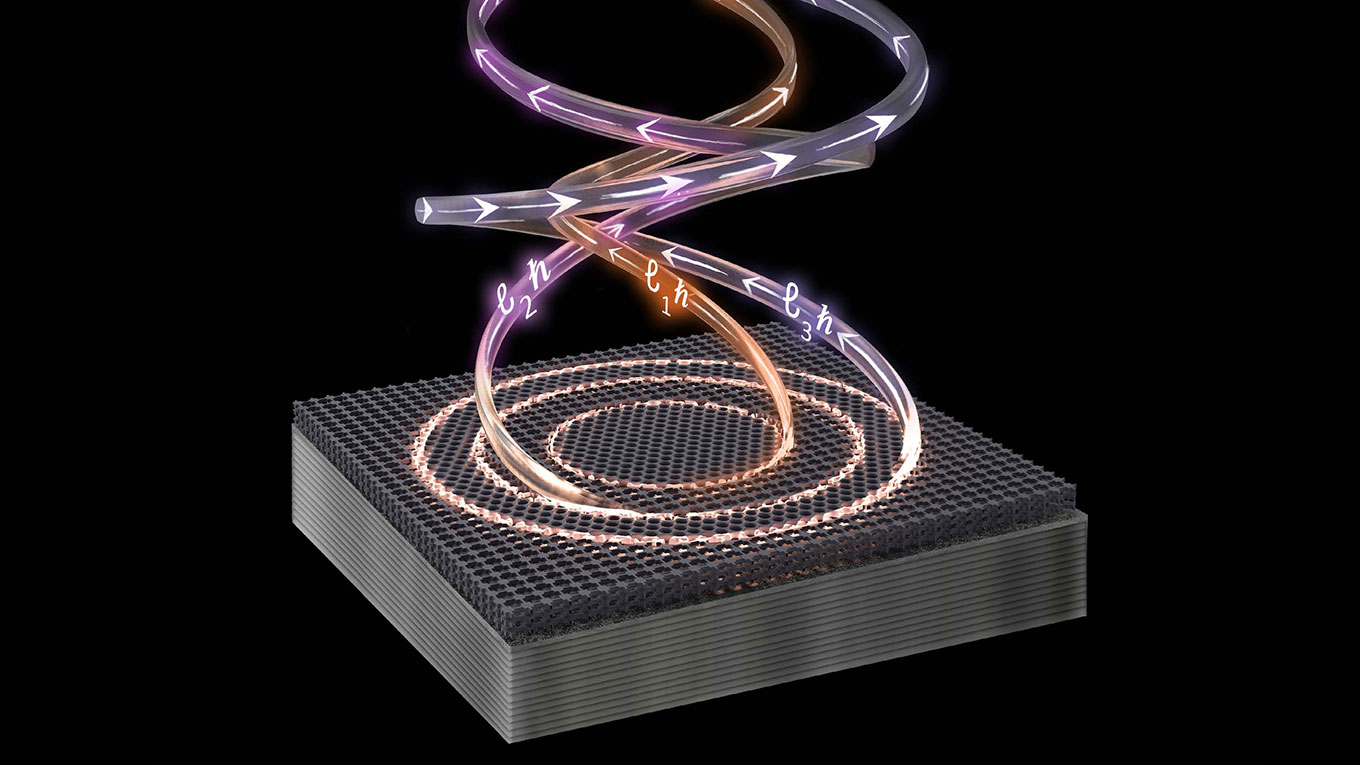
Researchers at Berkeley Lab and UC Berkeley have found a new way to harness properties of lightwaves that could radically increase the amount of information that can be multiplexed, or simultaneously transmitted, by a coherent light source. The technique promises new advances in several areas. https://newscenter.lbl.gov/2021/03/04/new-optical-antennas-could-overcome-data-limits/
Location of Tau Deposits May Predict Alzheimer Disease
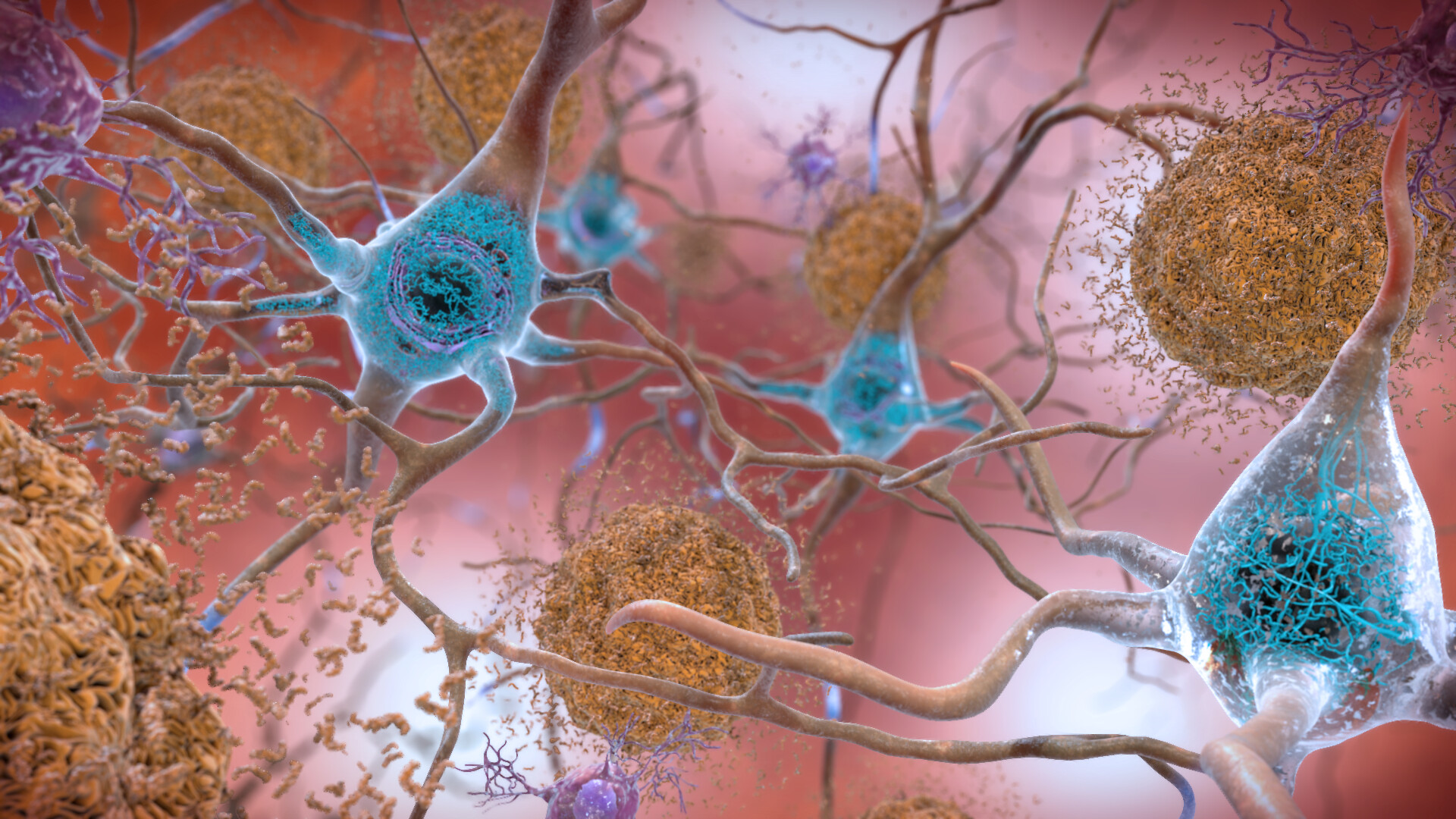
Researchers recently published a PET imaging study showing that the presence of aggregates of the protein tau in anterior temporal regions of the brains of cognitively normal older adults predicts Alzheimer disease related memory impairment and could be used as a marker of early disease progression. https://newscenter.lbl.gov/2021/03/04/tau-deposits-alzheimers/
Assessing the Costs of Major Power Outages
A recent Lab report describes a new hybrid approach for estimating the economic costs of widespread, long-duration power interruptions, such as the one that occurred recently in Texas. Customer survey responses are used to create a model that calibrates the direct and indirect costs of these events. https://newscenter.lbl.gov/2021/03/04/assessing-the-costs-of-major-power-outages/
Experience the Present: Biosciences
Biosciences research has had an illustrious history at Berkeley Lab. Mary Maxon, Associate Lab Director for the Biosciences Area, discusses the Area’s mission and priorities today. https://sites.google.com/lbl.gov/the-next-90/experience-the-present/biosciences
Imagine the Future: Biosciences
Nathalie Elisabeth, a project scientist with the Molecular Biophysics and Integrated Bioimaging (MBIB) Division, has traveled worldwide for her academic and research career. She imagines how research can help the world transition from fossil fuels to clean energy. https://sites.google.com/lbl.gov/the-next-90/imagine-the-future/biosciences