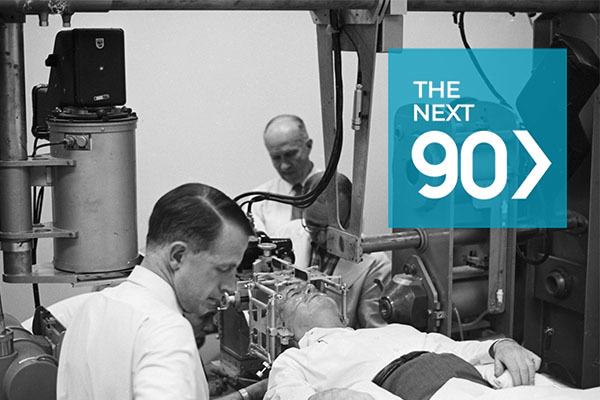
The biological sciences have been part of the Lab’s DNA from almost the beginning. See how the Area has grown over the years. https://berkeleylab.exposure.co/celebrate-the-past-biosciences
Celebrate the Past: Biosciences
January 2019 – July 2022
The biological sciences have been part of the Lab’s DNA from almost the beginning. See how the Area has grown over the years. https://berkeleylab.exposure.co/celebrate-the-past-biosciences
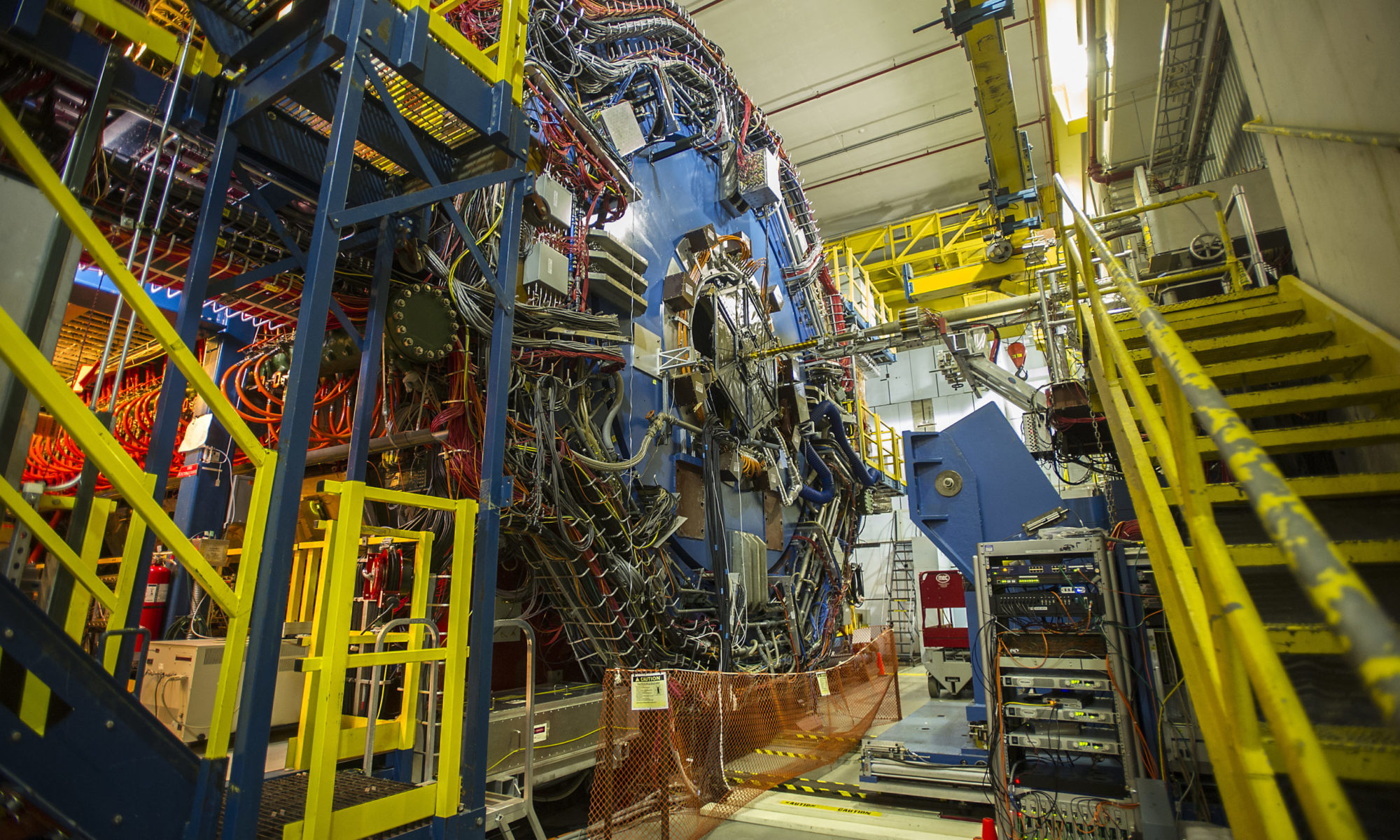
A new analysis of collisions conducted at different energies, with Berkeley Lab scientists’ contributions, shows tantalizing signs of a critical point – a change in the way that quarks and gluons, the building blocks of protons and neutrons, transform from one phase to another. https://newscenter.lbl.gov/2021/03/05/tantalizing-signs-of-phase-change-turbulence-in-rhic-collisions/

A new study shows how the SARS-CoV-2 strain evolved and why it’s so dangerous. The prime suspect — the ORF8 gene — evolved from another coronavirus protein, and both have folds similar to a human antibody. This helps explain how the virus avoids detection and creates severe infection in some hosts. https://newscenter.lbl.gov/2021/03/04/genetic-mystery-covid-19-pandemic/
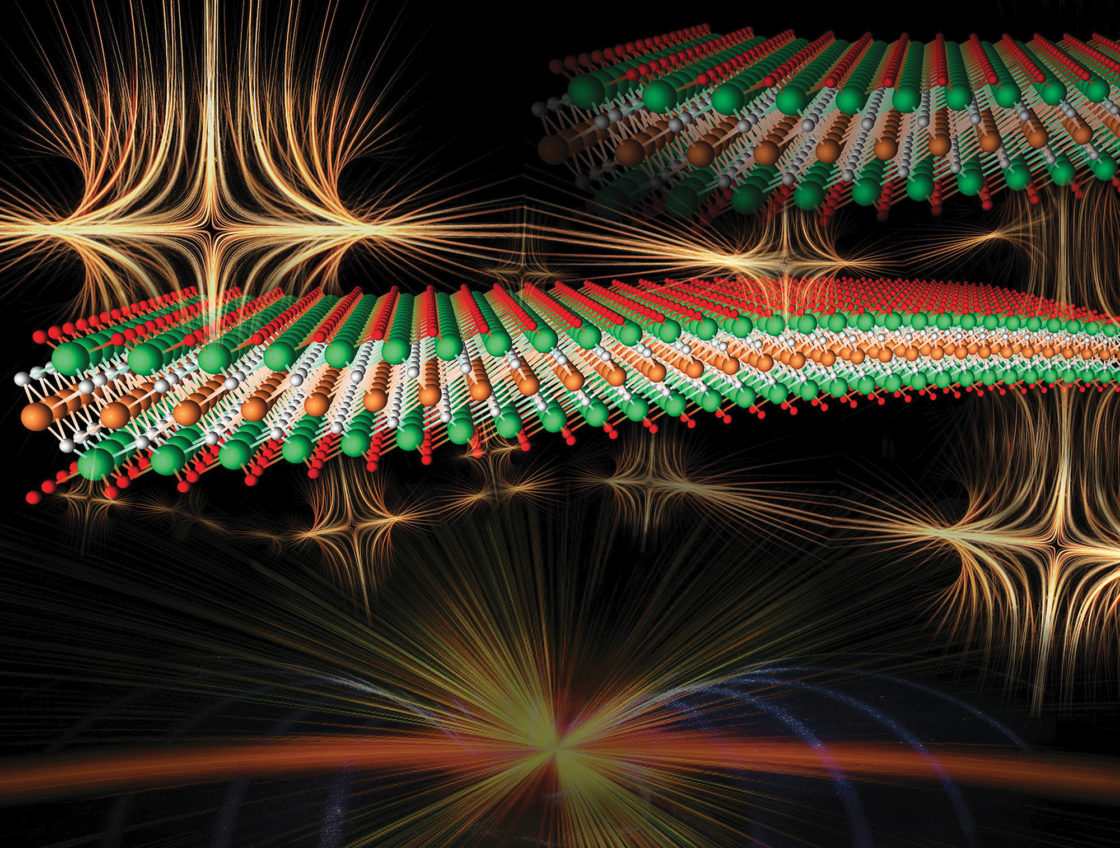
MXenes (pronounced “maxenes”) are a family of 2-D compounds with properties that can be tuned for uses ranging from spintronics to electromagnetic shielding. ALS experiments helped show that one MXene undergoes a shift in magnetic state, adding a new functionality to this versatile set of materials. https://als.lbl.gov/2d-mxene-shows-evidence-of-a-magnetic-transition/

The Molecular Foundry’s spring proposal call is now open. User proposals will be accepted until Thursday, April 1. The spring call emphasizes COVID-19 research, theoretical and computational work, and remote access to instruments and data. Click to learn more and for proposal writing tips. https://foundry.lbl.gov/2021/02/22/foundry-proposal-call-2021/
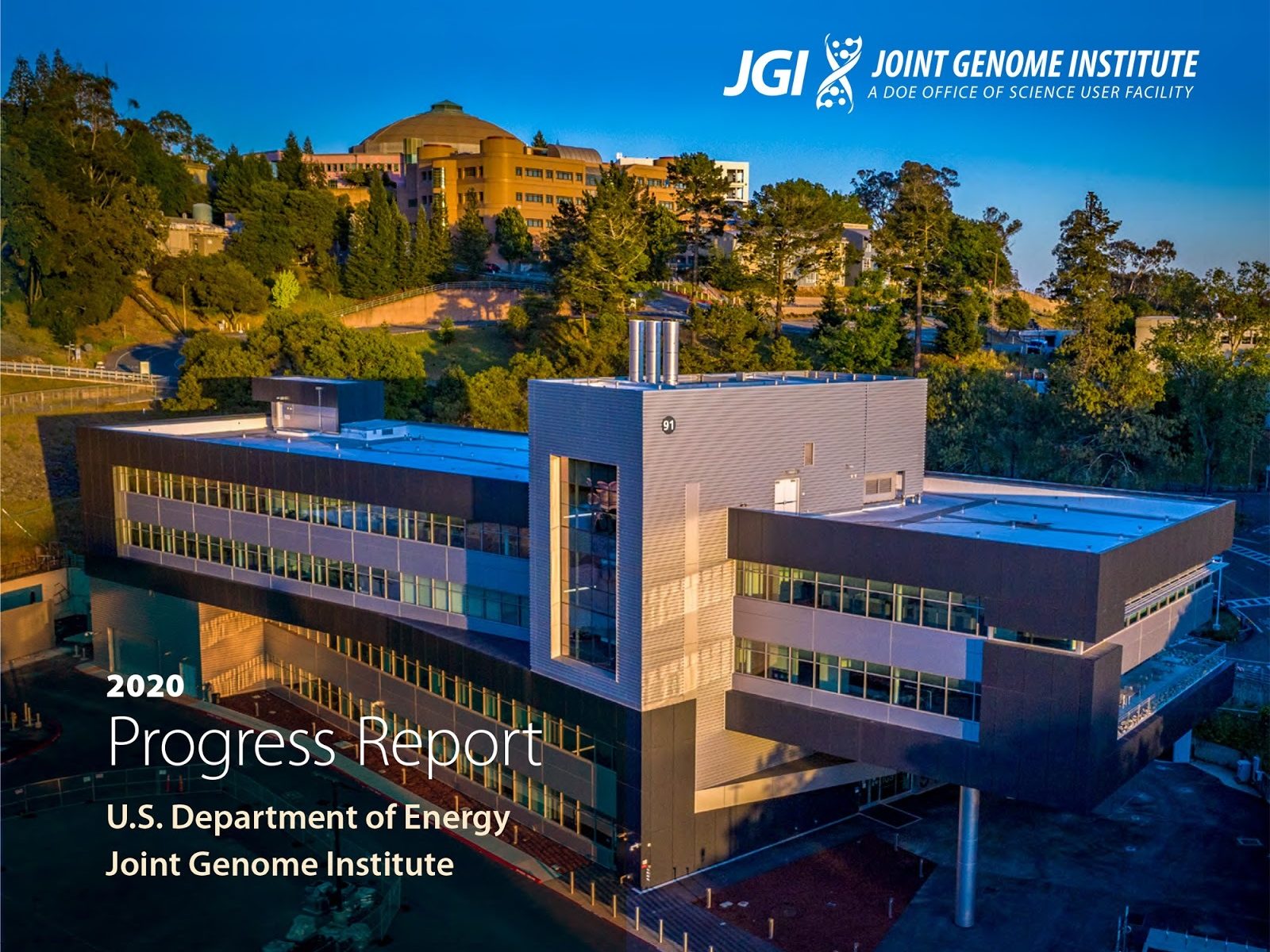
The 2020 JGI Progress Report is now available. “Despite the past year’s challenges, the JGI continued to deliver remarkable support to our user community,” Director Nigel Mouncey noted in his perspective. Download a copy today and learn more about JGI-enabled science. https://jgi.doe.gov/about-us/progress-report/

For more than 60 years, physicists have been studying the question of how supernova explosions occur. Thanks to the increasing power of supercomputing resources such as those at NERSC, they’re moving ever closer to an answer. https://cs.lbl.gov/news-media/news/2021/hpc-explorations-of-supernova-explosions-help-physicists-reach-new-milestones/
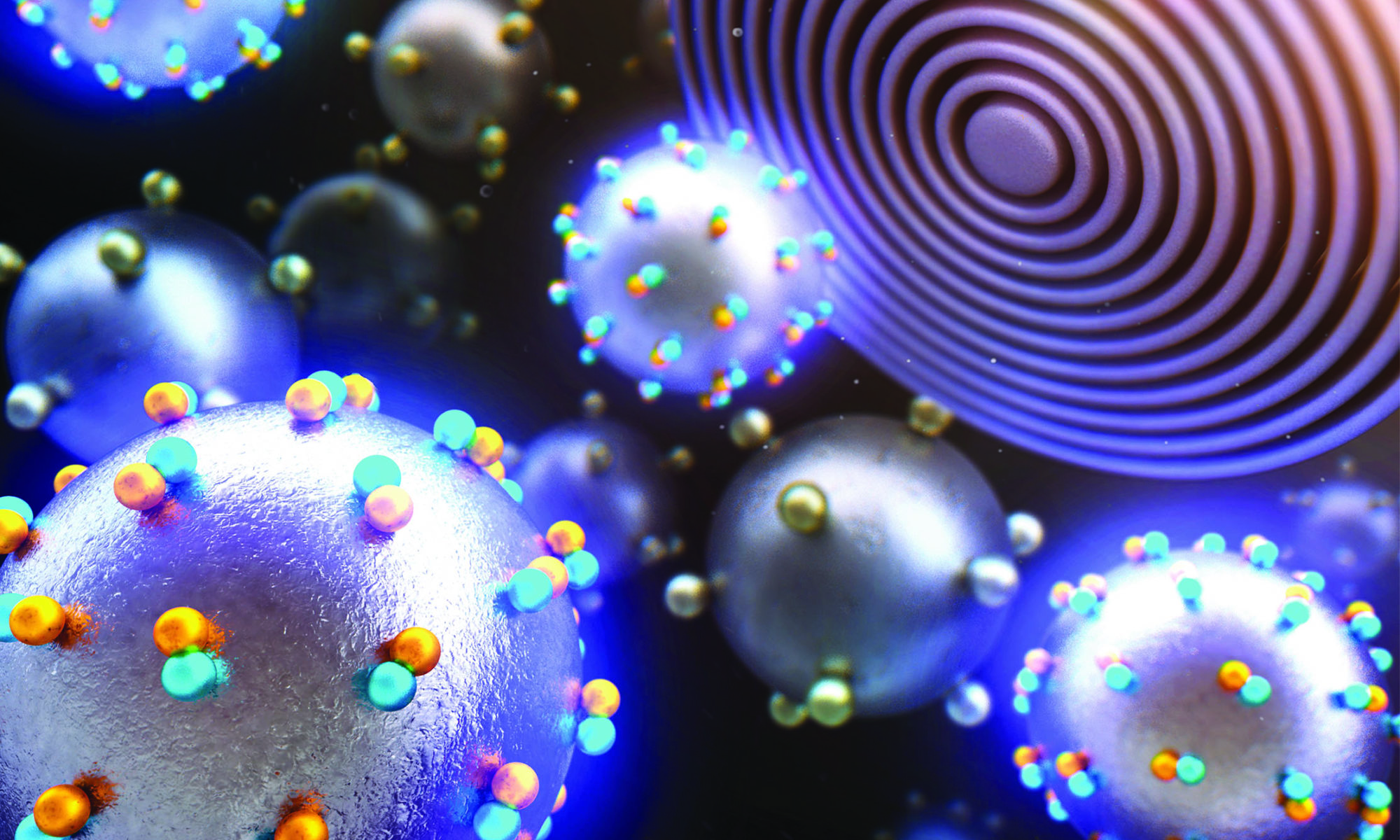
COSMIC, a multipurpose X-ray instrument at Berkeley Lab’s Advanced Light Source, has made headway in the scientific community since its launch less than two years ago, with groundbreaking contributions in fields ranging from batteries to biominerals. https://newscenter.lbl.gov/2021/03/03/a-cosmic-approach-to-nanoscale-science
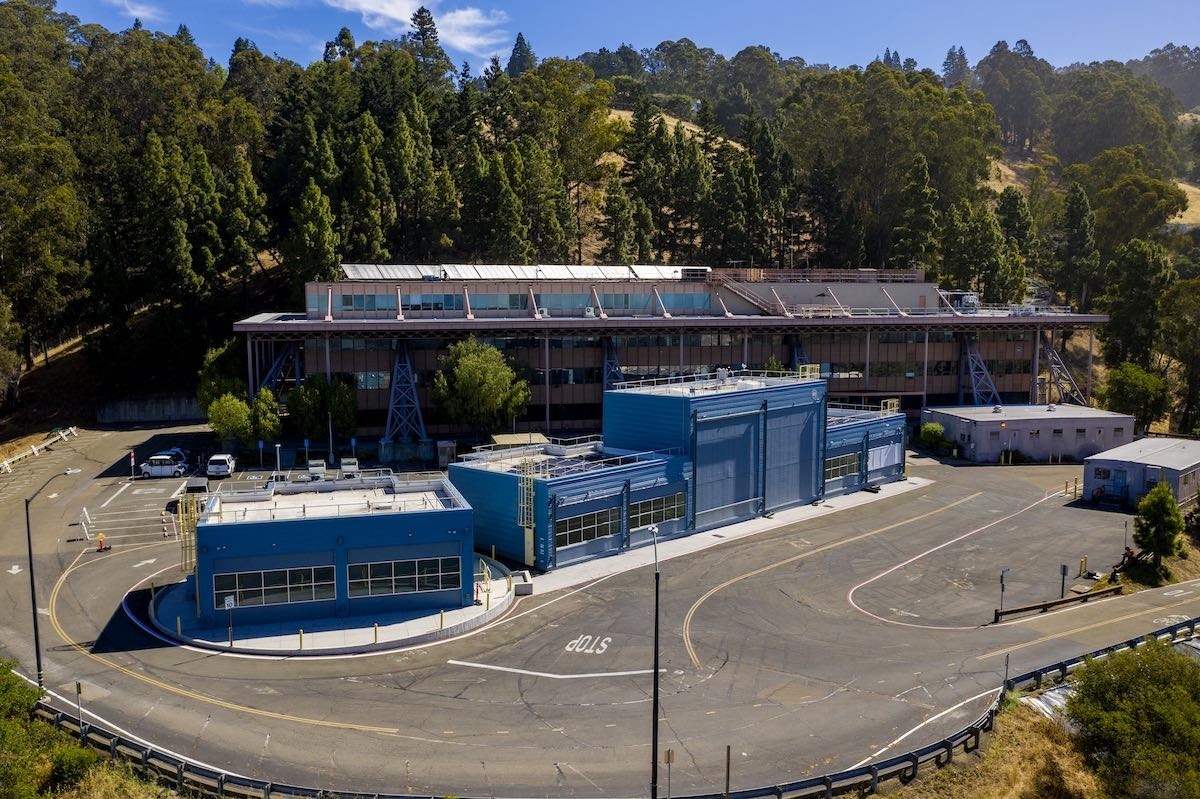
Clean energy innovators outside Berkeley Lab are invited to apply to the CalTestBed initiative for vouchers to use UC system testing facilities. Applicants can list Lab facilities such as FLEXLAB as their top choice. Lab staff cannot assist applicants but can advise on test facility capabilities. https://buildings.lbl.gov/caltestbed-program

Researchers successfully fabricated a novel 2D semiconducting polymer, made to order using powerful computer models, built from the bottom up using synthetic chemistry methods, and structurally characterized by the ALS. When combined with a 2D inorganic semiconductor, unexpected properties emerged. https://als.lbl.gov/stacking-the-deck-for-custom-built-hybrid-materials/