Berkeley Lab scientists have captured real-time, high-resolution videos of liquid structures taking shape as nanoparticles form a solid-like layer at the interface between oil and water. Their findings could help advance all-liquid robotics for targeted cancer drug delivery and other applications. https://newscenter.lbl.gov/2021/02/25/nanoparticles-get-in-shape/
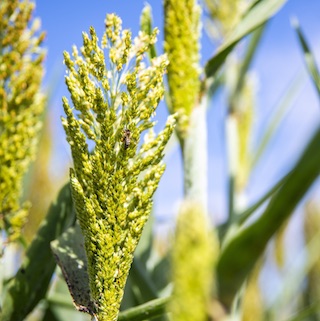
For Bioenergy Crops, Resistance Is Not Futile
Biosciences researchers studied plant immune receptors using pan-genome sequencing, a technique to scan all genomes for every strain in a species on a particular branch on the tree of life. Their findings have implications for protecting bioenergy crops from pathogens without the use of pesticides. https://biosciences.lbl.gov/2021/02/19/resistance-is-not-futile/
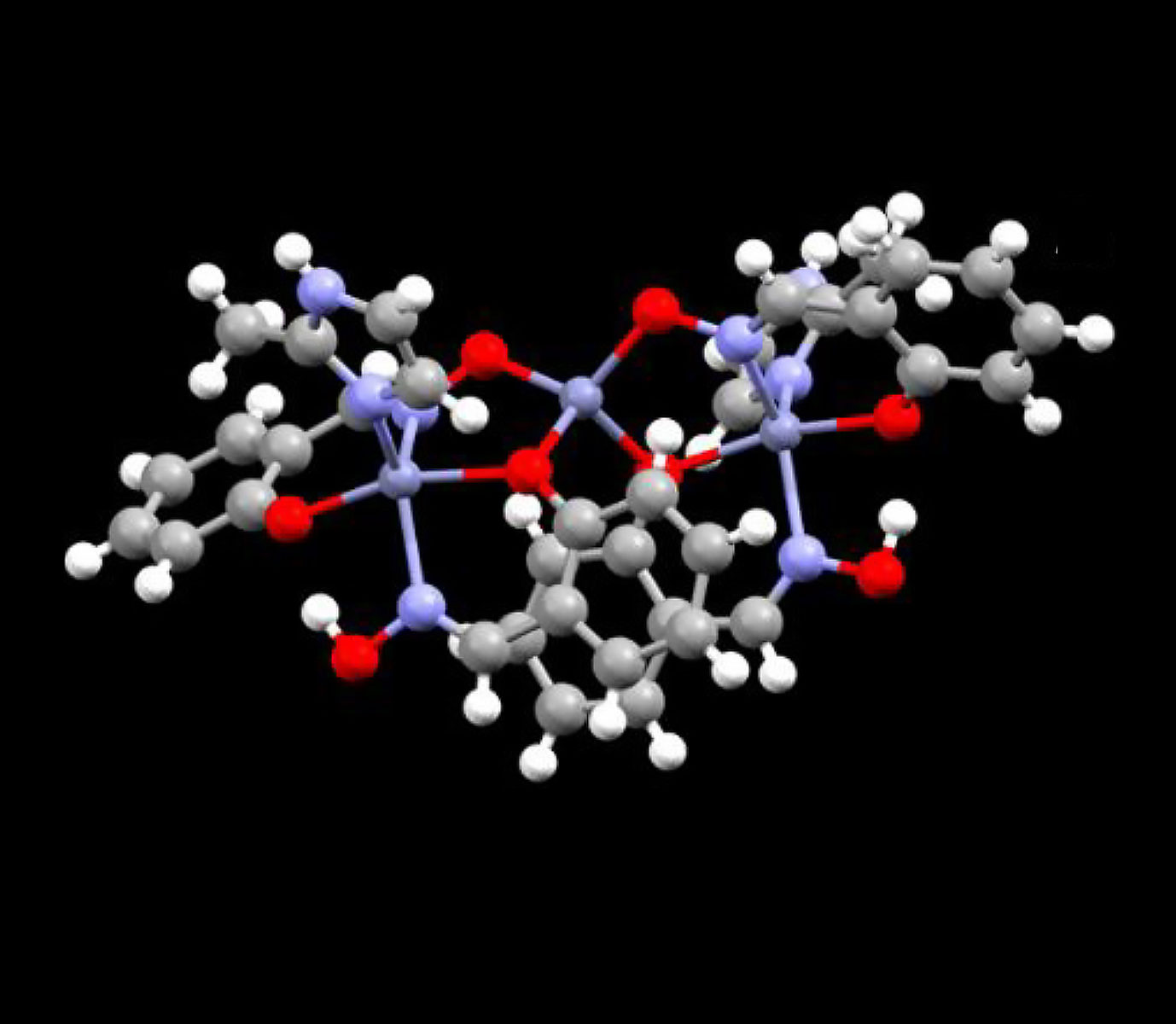
Molecular Complex Removes Copper Ions from Water
X-ray analyses done at the ALS provided key insights into the copper uptake mechanisms in a new organic-inorganic hybrid material that quickly and selectively removes copper ions from water. Such materials will be critically important in lowering the cost and energy of water treatment. https://als.lbl.gov/molecular-complex-removes-copper-ions-from-water/
A Sponge to Soak Up Carbon Dioxide
Scientists recognize that negative emissions technologies to remove and sequester carbon dioxide from exhaust streams and the atmosphere will be a key capability in mitigating climate change. In this Q&A, Berkeley Lab’s Jeffrey Long explains. https://newscenter.lbl.gov/2021/02/22/a-sponge-to-soak-up-carbon-dioxide-in-the-air/
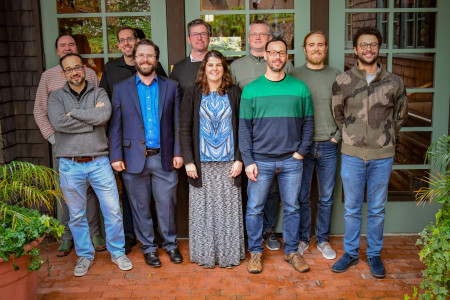
Computational Biosciences Group Expands Its Reach
Created just two years ago, the Computational Biosciences Group — part of the Computational Research Division — has made significant progress in laying the groundwork for collaborative research between computing scientists and biologists across Berkeley Lab and beyond. https://crd.lbl.gov/news-and-publications/news/2021/computational-biosciences-group-expands-its-reach/
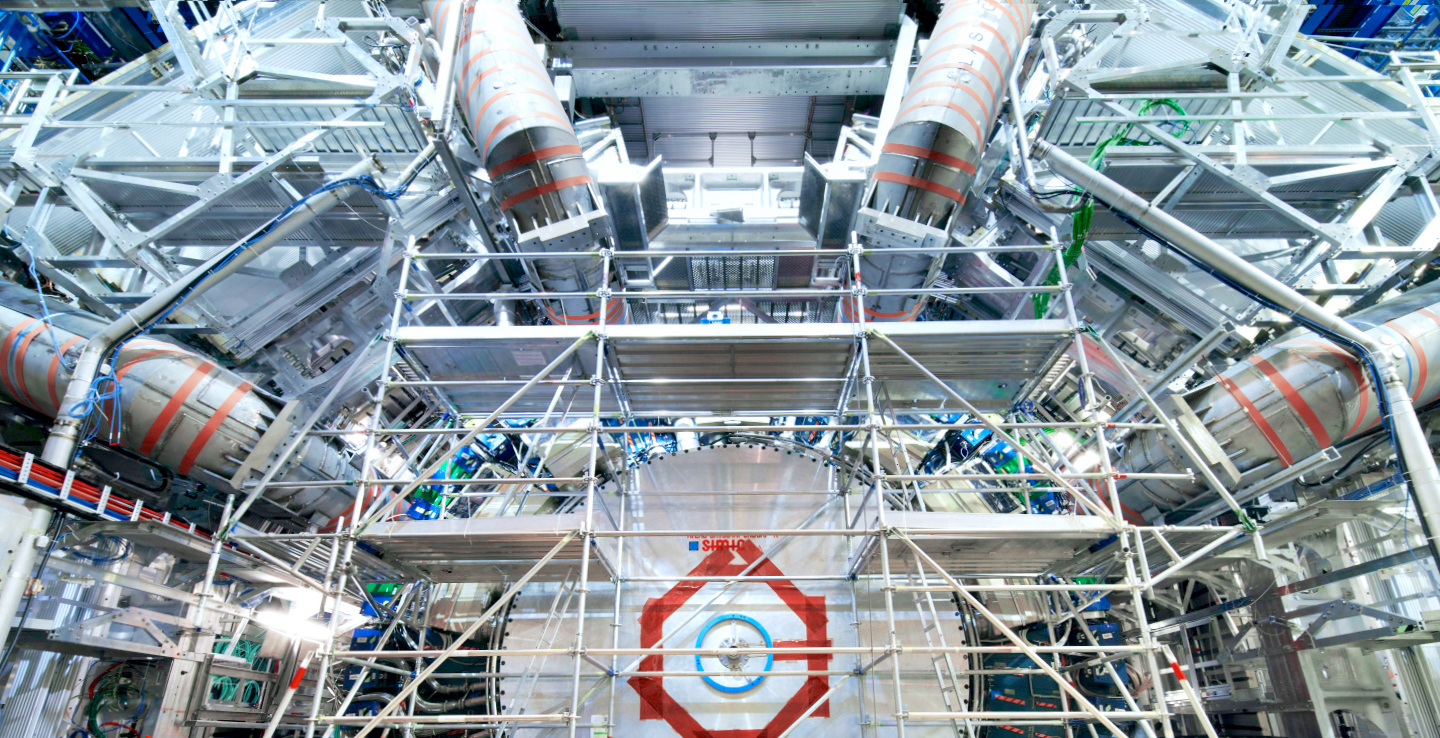
The Hunt for New Particles in Particle Collider Data
Berkeley Lab researchers participated in a study that used machine learning to scan for new particles in three years of particle-collision data from CERN’s ATLAS detector. https://newscenter.lbl.gov/2021/02/19/researchers-hunt-for-new-particles-in-particle-collider-data/
X-rays Provide a Detailed Look Inside Tsetse Flies
To better understand the reproductive biology of tsetse flies — carriers of the parasites that cause a deadly infection known as African sleeping sickness — researchers explored the intact organs and tissues of tsetse flies using a powerful 3D X-ray imaging technique at the Advanced Light Source. https://newscenter.lbl.gov/2021/02/02/a-detailed-look-inside-tsetse-flies
DOE Labs to Build Light Source Prototype
Teams at three national labs worked together to design, build, and thoroughly test a new state-of-the-art, half-meter-long prototype magnet that meets the requirements for use in existing and future light source facilities. https://newscenter.lbl.gov/2021/02/17/national-labs-band-together-to-build-prototype-magnet-for-future-existing-light-sources
Entrepreneurship Lessons: The Lean Startup
The Intellectual Property Office (IPO) offers training for researchers interested in entrepreneurship. IPO’s Gregory Scharfstein offers some video tips about the Lean startup model which the Department of Energy has adopted. https://www.linkedin.com/posts/gregoryadamscharfstein_innovation-technologytransfer-discoveryinterviews-activity-6760674041692078081-OGRc
Plan for U.S. Fusion, Plasma Program Released
DOE’s Fusion Energy Sciences Advisory Committee has endorsed a new report laying out a strategic plan for fusion energy and plasma science research over the next decade. The report represents an unprecedented level of input and support from across the U.S. fusion and plasma community. https://newscenter.lbl.gov/2021/02/16/advisory-committee-releases-strategic-plan-for-u-s-fusion-plasma-program