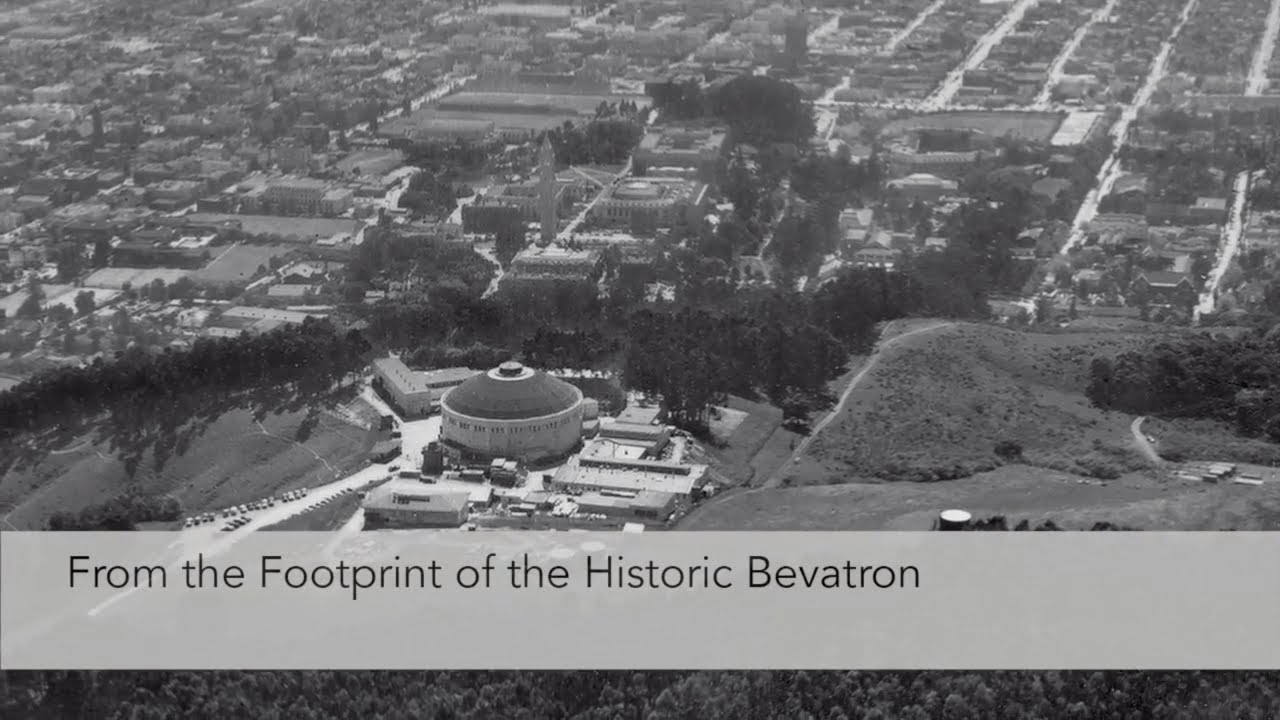
“From the Footprint of the Historic Bevatron: The Rise of the Integrative Genomics Building” traces the roots of biosciences research at the Lab, and the legacy of groundbreaking science conducted at the site where the Integrative Genomics Building (IGB) now stands. https://youtu.be/7v39i_1agHo
Video Highlights IGB Dedication Ceremony
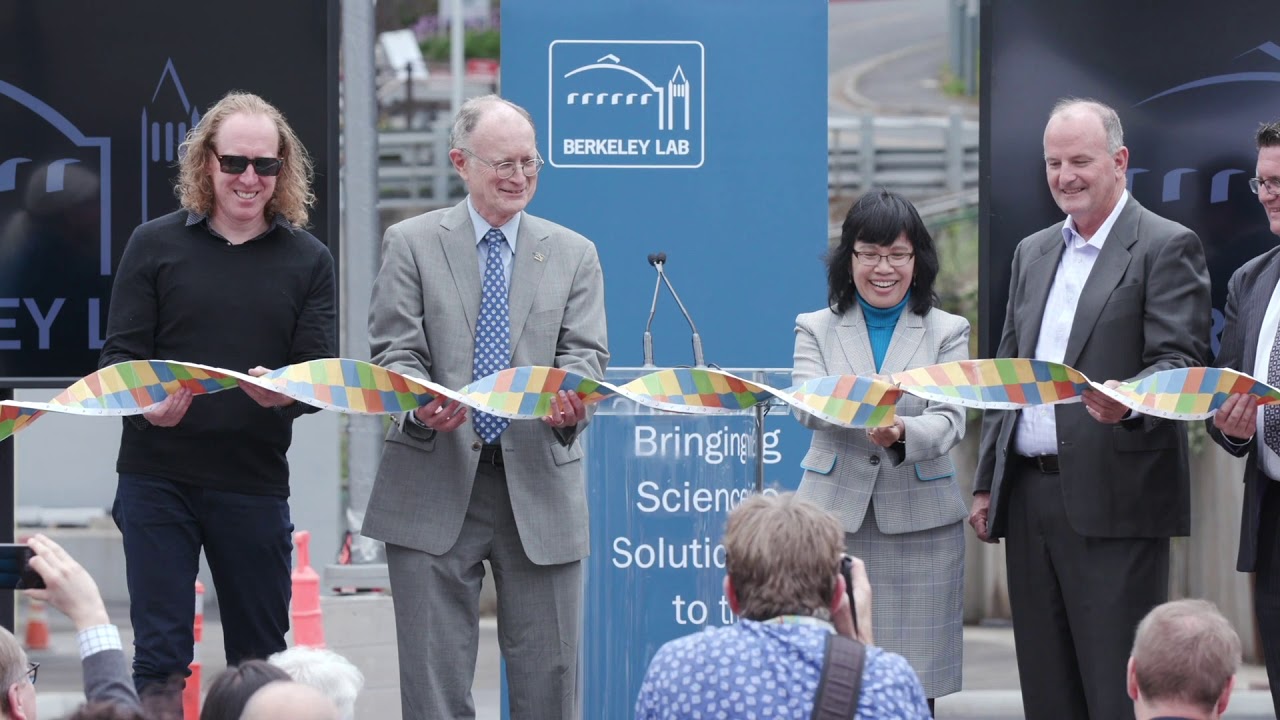
With the snip of a DNA-shaped ribbon, the Integrative Genomics Building was officially dedicated at a special event on June 19. The DOE’s Sharlene Weatherwax and Marcus Jones gave remarks, and Senator Dianne Feinstein and Congresswoman Barbara Lee spoke via video. Move-in is planned for the fall.
Groundbreaking Study Maps Paths to New Nitride Materials
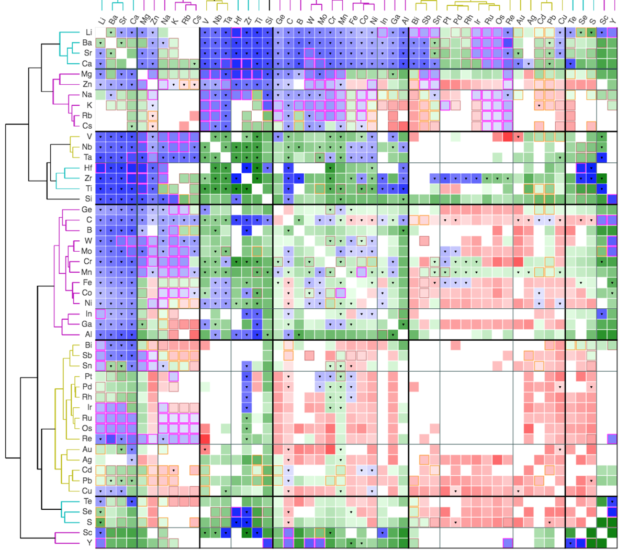
A study led by Berkeley Lab features a large, interactive map that makes it easier for researchers to discover new forms of ternary nitrides. Nitrides can possess unique properties with potential applications from semiconductors to industrial coatings. https://newscenter.lbl.gov/2019/06/17/groundbreaking-study-maps-out-paths-to-new-nitride-materials/
Footprinting Reveals Key Events in OCP Photoprotection
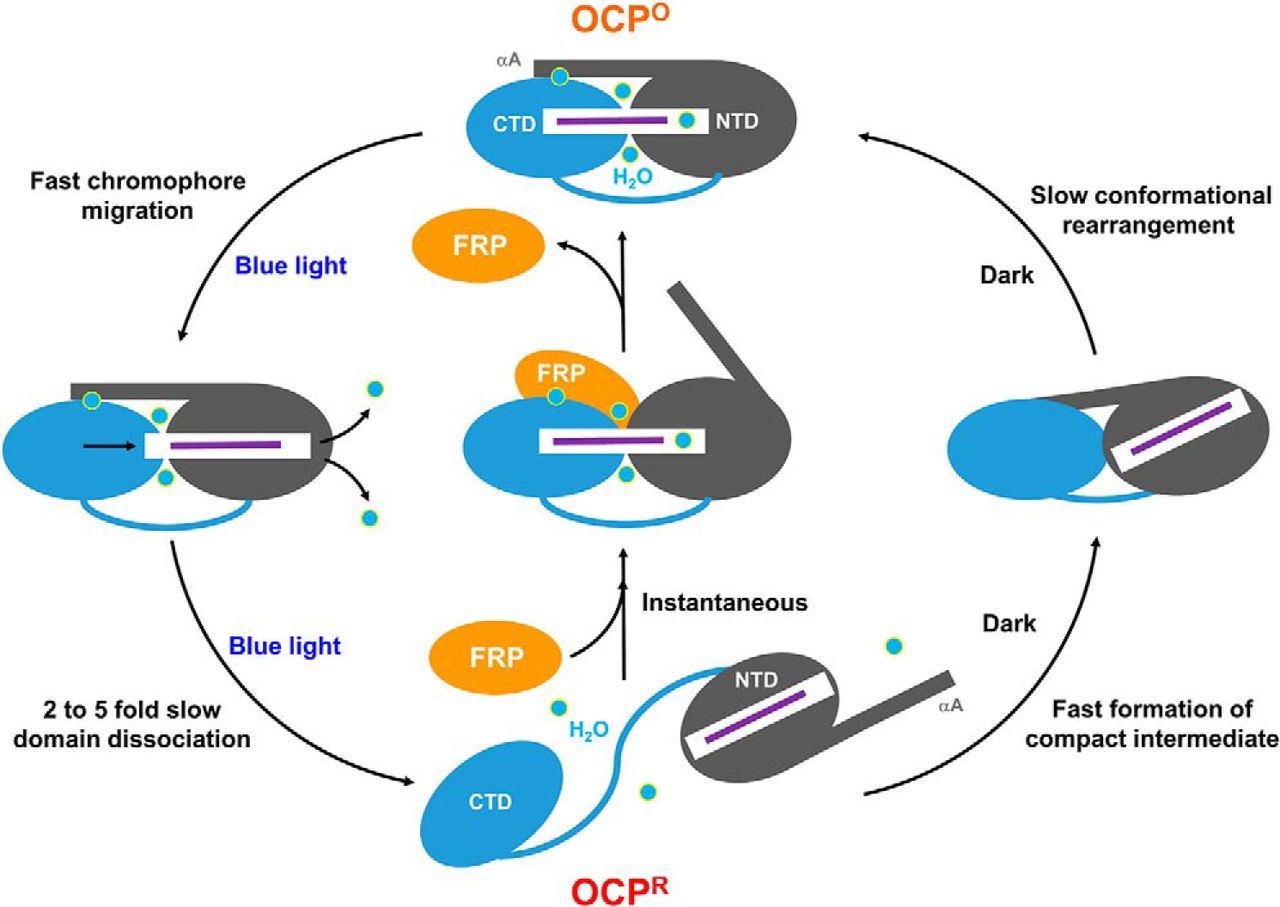
Scientists performed X-ray footprinting mass spectrometry experiments at the ALS to better understand the orange carotenoid protein (OCP) and its interaction with the fluorescent recovery protein in cyanobacteria photoprotection. This research could help improve photosynthetic efficiency. https://biosciences.lbl.gov/2019/06/12/x-ray-footprinting-reveals-molecular-basis-of-orange-carotenoid-protein-photoprotection/
Understanding the Enzyme that Regulates Blood Clotting
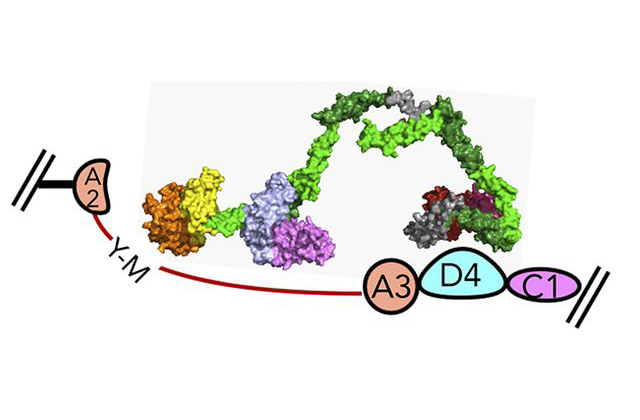
Using small-angle X-ray scattering data collected at the ALS’s SIBYLS beamline, researchers at Washington University School of Medicine gained insight into an enzyme, ADAMTS13, that regulates the adhesive function of von Willebrand factor, a blood clotting protein involved in hemostasis. https://biosciences.lbl.gov/2019/05/30/sibyls-sheds-light-on-enzyme-that-regulates-blood-clotting-factor/
BCSB Helps Elucidate Mechanism of Innate Immune Response
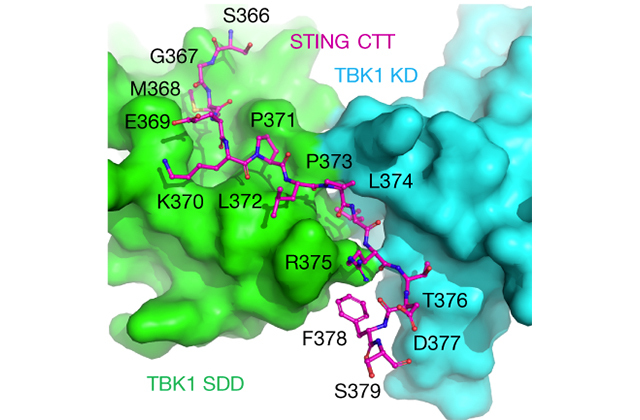
Berkeley Center for Structural Biology scientists assisted researchers from Texas A&M University in the crystallographic study of a transmembrane protein that plays a key role in innate immunity that regulates the inflammatory response to foreign DNA. https://biosciences.lbl.gov/2019/05/29/bcsb-helps-elucidate-mechanism-of-innate-immune-response/
Ronnen talks about cool infrastructure as potential solution to city heat. Tip for Soundcloud listeners: Tune in at minute 6:45 for his remarks.
Here Comes the Sun: A New Framework for Artificial Photosynthesis
A study led by the Lab has uncovered new insights into how to better control the catalyst cobalt oxide for artificial photosynthesis. https://newscenter.lbl.gov/2019/06/17/here-comes-the-sun-a-new-framework-for-artificial-photosynthesis/
Lab’s Role in Building a Better Electron Gun
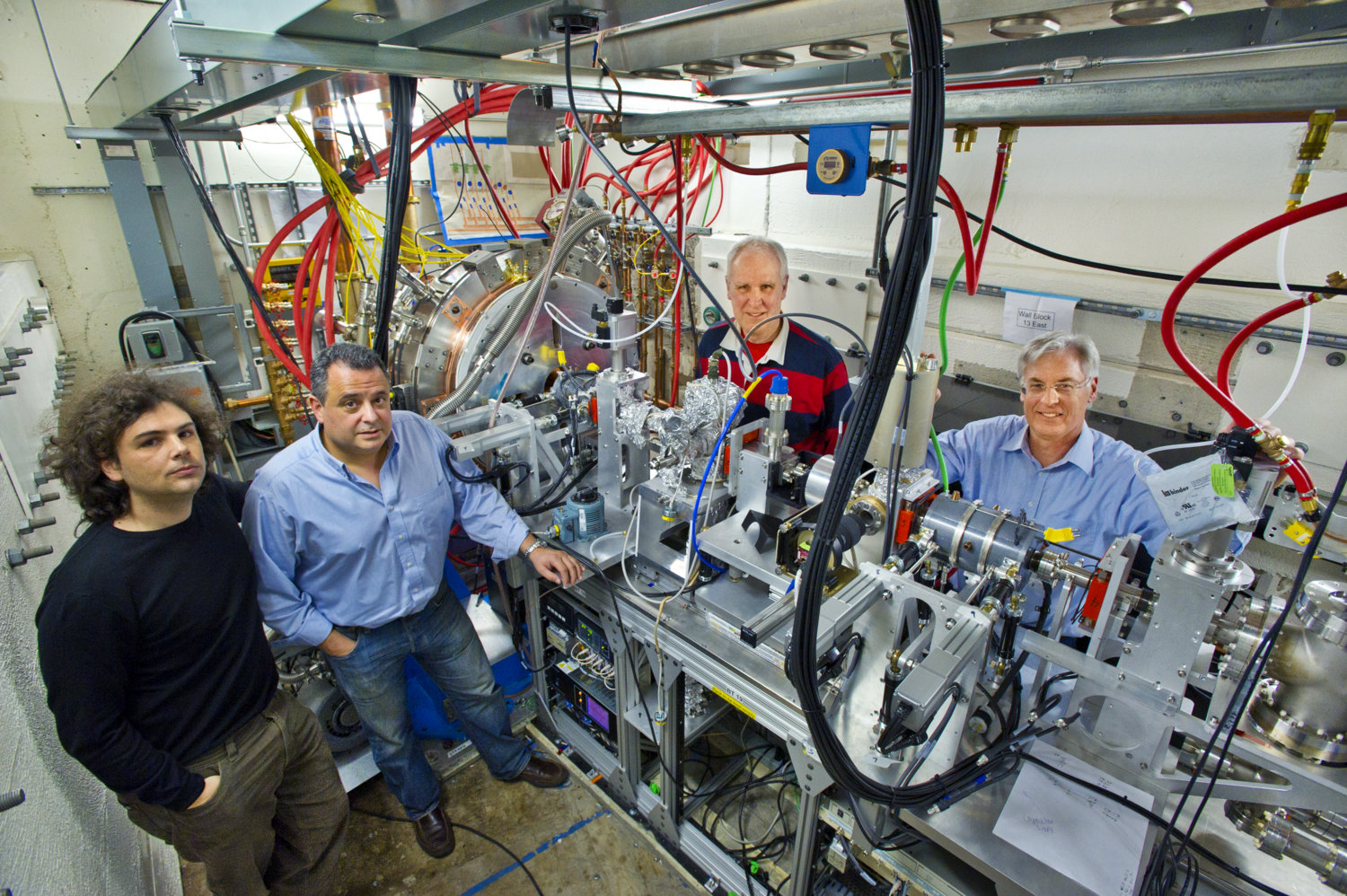
The successful test of the LCLS-II electron gun marks the culmination of an R&D effort spanning more than a decade at the Lab. The gun’s design was conceived in 2006 by John W. Staples, a retired Berkeley Lab physicist, and Fernando Sannibale, a senior scientist. https://newscenter.lbl.gov/2019/06/14/building-a-better-electron-gun/
The Bevatron: 40 Years of Science
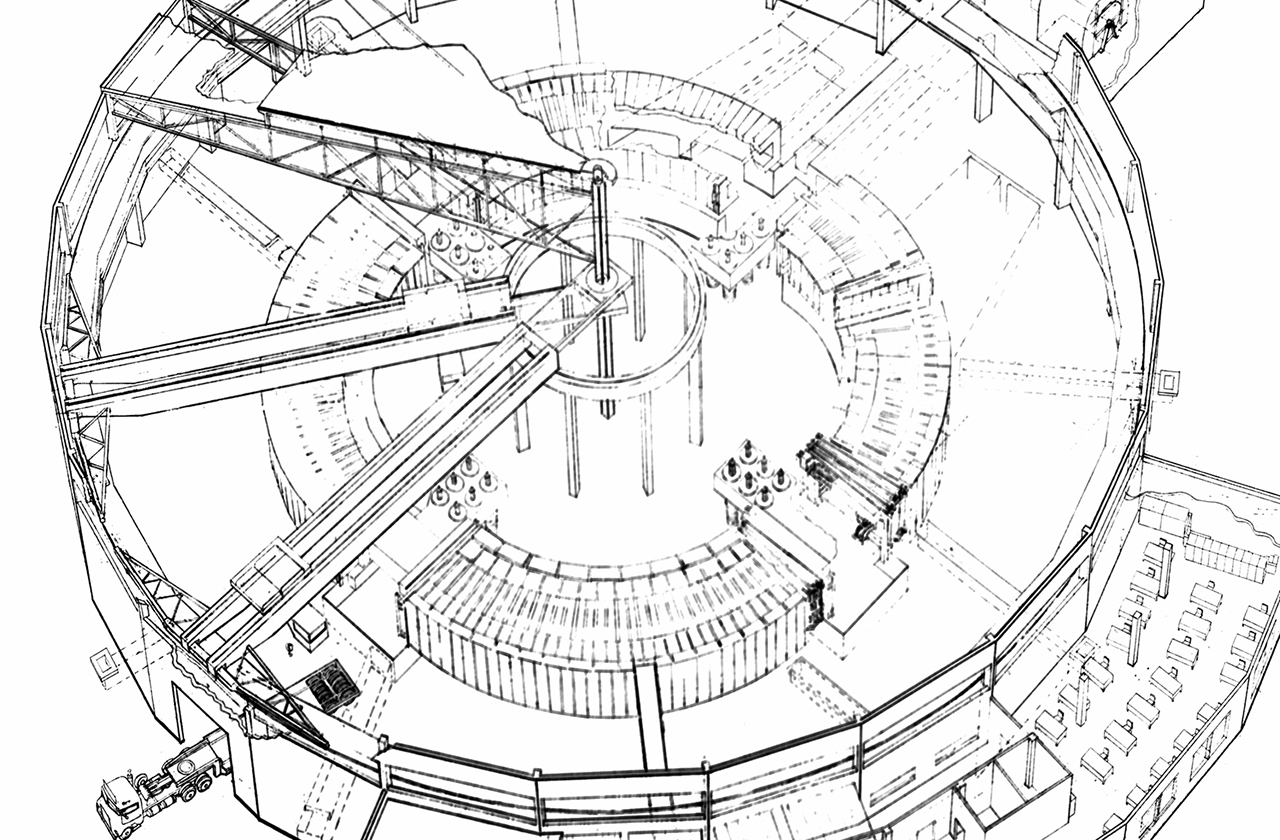
This photo essay introduces you to the scientific contributions made possible by Berkeley Lab’s famed Bevatron, a particle accelerator that operated from 1954 to 1993 on the site where the Integrative Genomics Building will be dedicated next Wednesday. https://berkeleylab.exposure.co/the-bevatron?source=share-BerkeleyLab