Researchers developed a graphene device that switches from a superconducting material that conducts electricity without losing any energy, to an insulator that resists the flow of electric current, and back again to a superconductor — all with a simple flip of a switch. https://newscenter.lbl.gov/2019/07/17/a-graphene-superconductor-that-plays-more-than-one-tune/
Judges Needed for August 10 Student Poster Competition
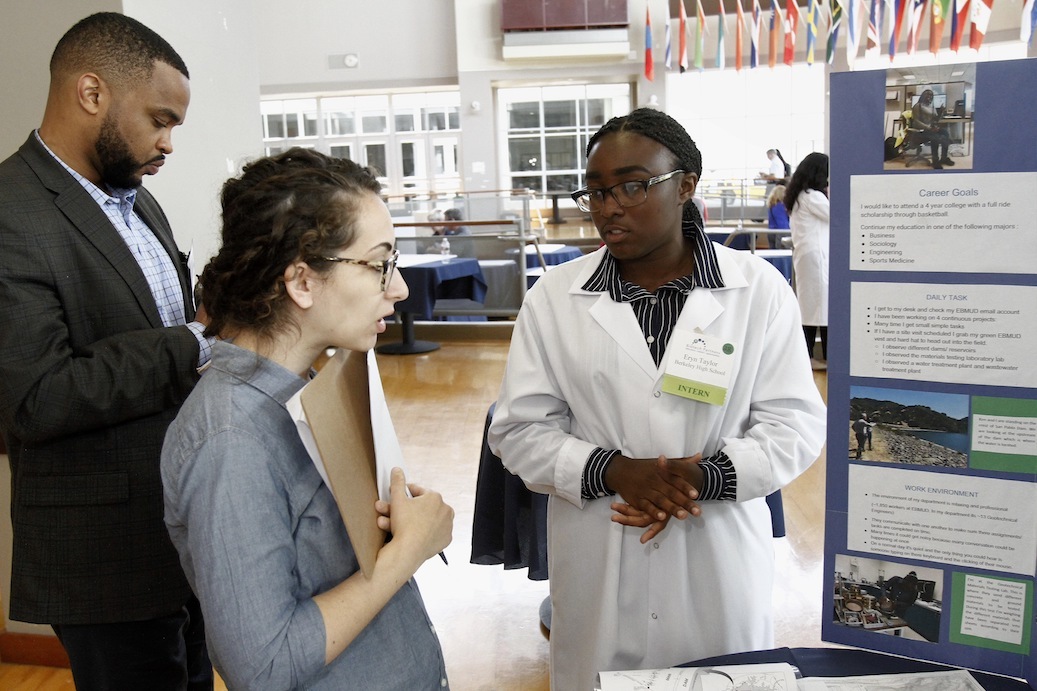
Volunteer judges are needed for Biotech Partners’ poster competition on August 10, 9 a.m. to 1:30 p.m., at Berkeley High School. Science expertise is not required. Volunteers should contact Biotech Partners’ Linda Gayden (lgayden@biotechpartners.org) by Wednesday, July 24. http://www.biotechpartners.org/
Piecing Together Largest U.S. Dark Matter Experiment
Most of the remaining components needed to assemble an underground dark matter-search experiment called LUX-ZEPLIN (LZ) arrived at the project’s South Dakota home in June. Berkeley Lab is the lead institution for the LZ project. https://newscenter.lbl.gov/2019/07/16/some-assembly-required-scientists-piece-together-largest-us-dark-matter-experiment/
EcoFABS Model Will Help Advance Microbiome Research
Berkeley Lab researchers and collaborators have outlined a vision for establishing standardized, reproducible model microbial ecosystems using EcoFABs — defined communities of microbiota, lab habitats, and protocols for cultivation and spatiotemporal analysis — to accelerate microbiome science. https://biosciences.lbl.gov/2019/07/02/ecofabs-fabricated-microbial-ecosystem-models-to-advance-microbiome-research/
Sky Surveys Completed to Prepare for Dark Energy Project
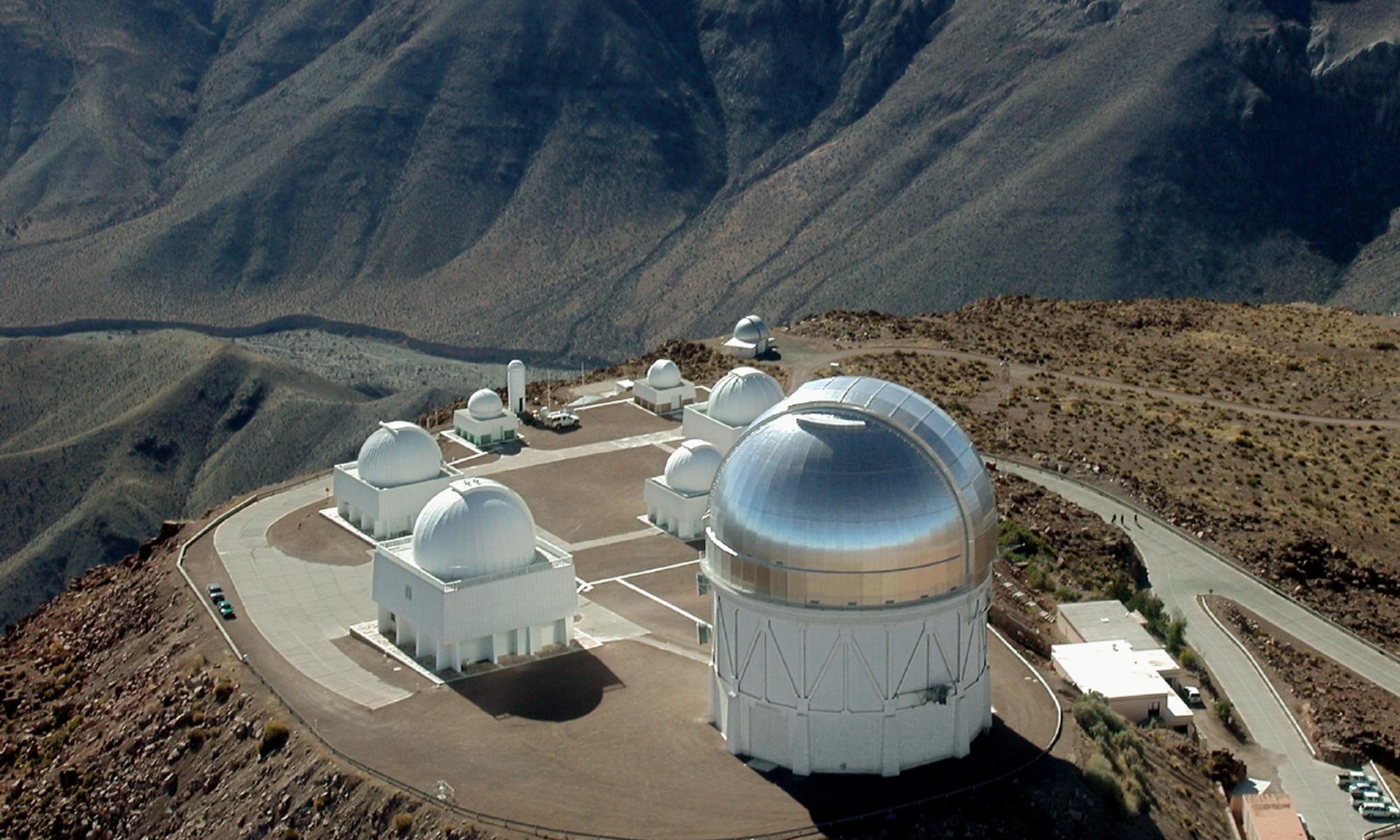
It took three sky surveys — with telescopes on two continents covering one-third of the visible sky over a span of 1,000 nights — to prepare for a new project that will create the largest 3D map of the universe’s galaxies and glean new insights about the universe’s accelerating expansion. https://newscenter.lbl.gov/2019/07/08/3-sky-surveys-completed-in-preparation-for-dark-energy-spectroscopic-instrument/
Access to Current Elsevier Journals Has Ended
UC and Elsevier are unable to agree to a new contract for access to Elsevier publications. As a result, the UC system, including the Lab, has lost access to all 2019 and later Elsevier content as of July 10. Access to most older content is not impacted. Click here for alternative access options. http://go.lbl.gov/elsevier
New Sensor Could Shake Up Earthquake Response Efforts
An optical sensor could speed up the time it takes to evaluate whether buildings are safe to occupy after a major earthquake. The Discrete Diode Position Sensor (DDPS) will be deployed for the first time this summer at Berkeley Lab, which sits adjacent to the Hayward Fault. https://newscenter.lbl.gov/2019/07/11/new-sensor-could-shake-up-earthquake-response-efforts/
Cause of Deadly Digestive Disease in Children Revealed
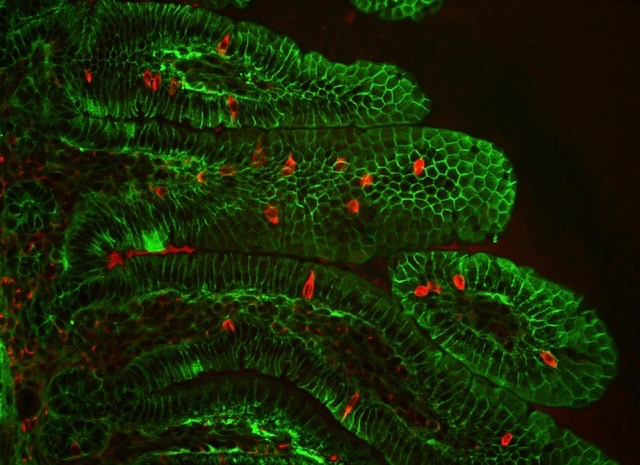
Nearly ten years ago, Lab geneticist Len Pennacchio was asked to help solve the mystery of a rare inherited disease that caused extreme, and sometimes fatal, chronic diarrhea in children. Following an arduous investigative odyssey, a genetic explanation for the disease has been discovered. https://newscenter.lbl.gov/2019/07/10/deadly-disease-gene-revealed/
‘Cool Walls’ Can Reduce Energy Costs, Pollution
Researchers modeled several different types and ages of homes, retail stores, and office buildings in cities across California and the U.S. and found that sunlight-reflecting “cool” exterior walls can save as much or more energy than sunlight-reflecting cool roofs in many places. https://newscenter.lbl.gov/2019/07/09/cool-walls-can-reduce-energy-costs-pollution/
Text Mining Machines Uncover Hidden Scientific Knowledge
Sure, computers can be used to play grandmaster-level chess, but can they make scientific discoveries? Berkeley Lab researchers have shown that an algorithm with no training in materials science can scan the text of millions of papers to uncover new scientific knowledge. https://newscenter.lbl.gov/2019/07/03/machine-learning-algorithms-can-uncover-hidden-scientific-knowledge/