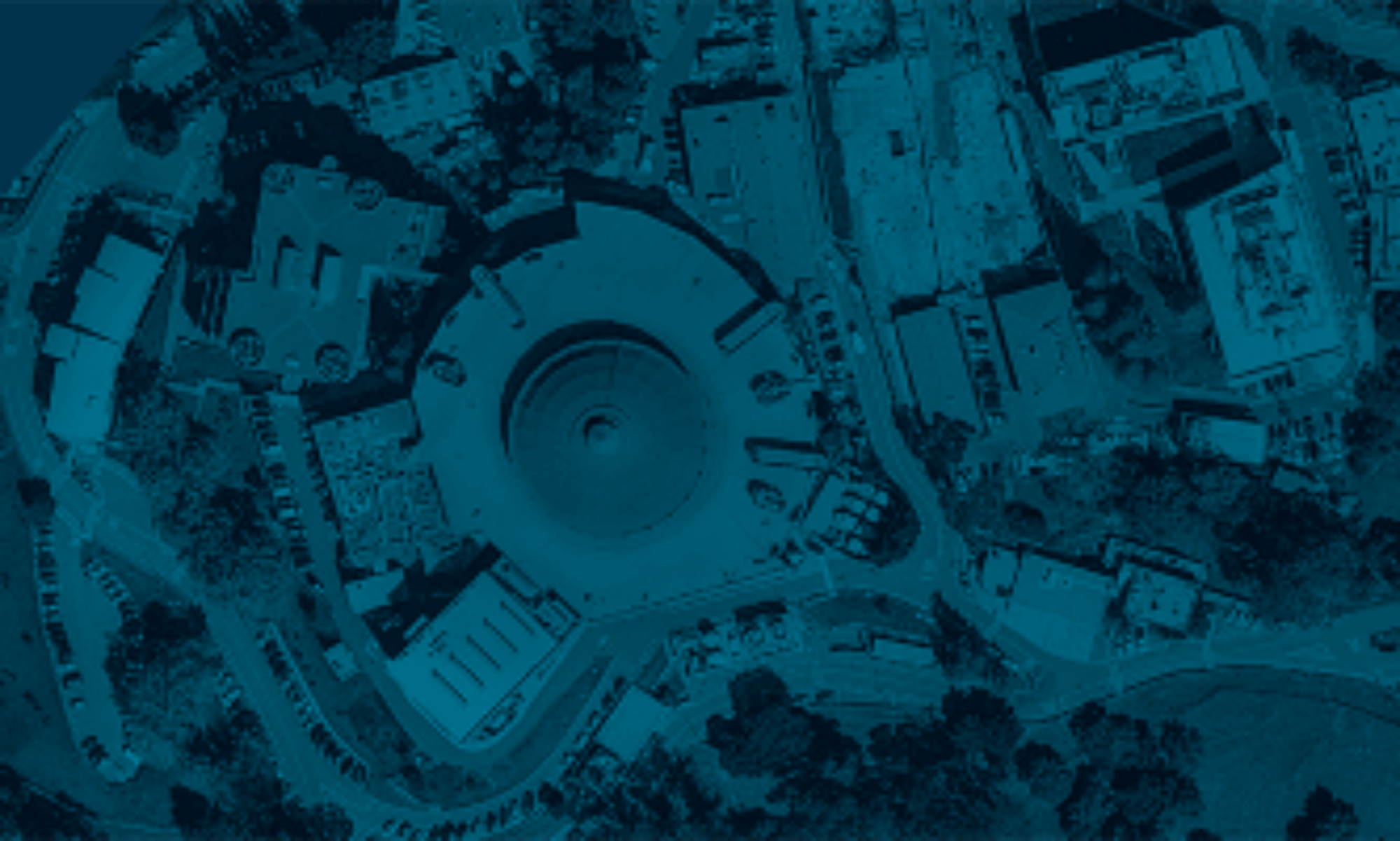
Using state-of-the-art climate and weather modeling, Berkeley Lab researchers are studying watersheds to develop capabilities that accurately predict downstream water quantity and quality in a changing climate. https://twitter.com/BerkeleyLab/status/1156618023676989440
New Recipes for Taking Salt Out of Seawater
Coastal cities are turning to ocean desalination to supplement dwindling fresh water supplies. Now Berkeley Lab scientists seeking to make desalination less expensive have hit on promising design rules for making so-called “thermally responsive” ionic liquids to separate water from salt. https://newscenter.lbl.gov/2019/07/31/new-recipes-for-taking-salt-out-of-seawater/
#waterweek: Removing Salt From Brackish Water
Brackish groundwater, one-third as saline as seawater, is a huge untapped resources. See how Berkeley Lab’s Chinmayee Subban is working to desalinate water for agricultural use. https://twitter.com/BerkeleyLab/status/1156290363809644544
#waterweek: How Drought Can Affect Water Quality
Bhavna Arora (right) of the Earth and Environmental Sciences Area studies how floods, drought, earlier snowmelt, and other extremes impact water, nutrients, carbon, and metals moving downstream from mountainous watersheds. Check out more Lab #waterweek posts. https://twitter.com/BerkeleyLab/status/1155978056005246976
Lab Technologies Receive DOE Commercialization Funding
Two Berkeley Lab technologies — high throughput cell-free microreactor for optimization of biochemical pathways and localization of hot spots in solids using acoustic waves for energy generation and other applications — earned FY19 DOE Technology Commercialization Fund awards. https://ipo.lbl.gov/TCF_2020
#waterweek Highlights Lab’s H2O Research
Berkeley Lab conducts a variety of research around water quality and sources, which will be highlighted as part of #waterweek social media campaign. For example, nanoconfined water could be key to desalination technologies.
Can We Reuse Polluted Water? Yes, Add Bacteria
Every year, hydraulic fracturing of oil and gas wells generates billions of gallons of contaminated water. Scientists at Berkeley Lab and the Colorado School of Mines believe microbes could be the key to turning this waste into a resource. https://newscenter.lbl.gov/2019/07/29/cleaning-oil-and-gas-water/
Clues to Human Origins in Uncharted Area of Chromosomes
A group of geneticists from Berkeley Lab, UC Davis, UC Santa Cruz, and UC Berkeley are unraveling new details about human evolution by studying the uniquely regulated portion of our chromosomes that surround the centromeres. https://newscenter.lbl.gov/2019/07/26/exploring-human-origins/
Scientists Grow Spiraling New Material
Scientists at Berkeley Lab and UC Berkeley have created new inorganic crystals made of stacks of atomically thin sheets that spiral like a nanoscale card deck. Their surprising structures may yield unique optical, electronic, and thermal properties, including superconductivity. https://newscenter.lbl.gov/2019/07/26/crystal-with-a-twist-scientists-grow-spiraling-new-material/
Drones Could Fly for Days With This New Technology
Researchers with Berkeley Lab and UC Berkeley have developed a superefficient thermophotovoltaic that could become part of power sources that would allow drones to fly for days. https://newscenter.lbl.gov/2019/07/26/drones-will-fly-for-days-with-this-new-technology/
