Through JGI’s Community Science Program, a team led by UC Riverside researchers has optimized a crucial part of CRISPR-Cas9 technology to enable improvements in the lipid-prolific yeast Yarrowia lipolytica. This advance could aid in the production of sustainable fuels from alternative sources. https://jgi.doe.gov/better-genome-editing-for-bioenergy/
Lab Startup Featured in Virtual Tool
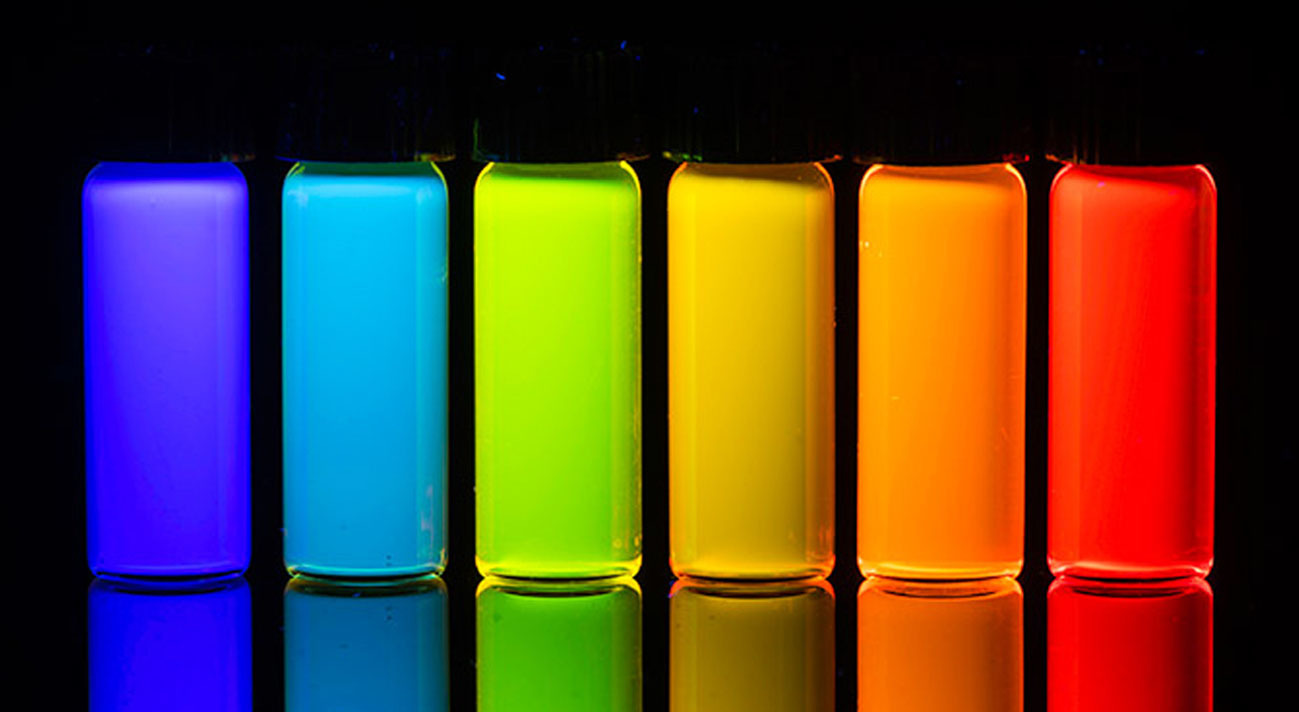
The Federal Laboratory Consortium (FLC) features startup Nanosys in LabTech, a virtual environment showcasing everyday uses of federal technologies. Nanosys licensed the Lab’s quantum dot portfolio for electronic displays, as represented by the Home Office TV in FLC’s site. https://www.federallabs.org/successes/labtech-in-your-life
In Memoriam: ALS Scientist Charles Fadley
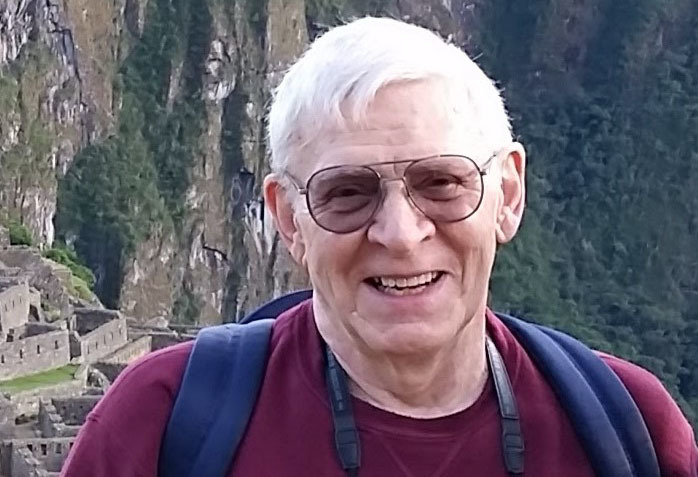
Charles “Chuck” Fadley, a pioneer in x-ray photoelectron spectroscopy, died at his home in Berkeley on August 1. He was a distinguished professor emeritus of physics at UC Davis, and an Advanced Light Source professor and senior faculty scientist at Berkeley Lab. He was 77. https://als.lbl.gov/in-memoriam-charles-fadley-pioneer-in-x-ray-photoelectron-spectroscopy/
ArgonCube to Aid Neutrino Detection at DUNE
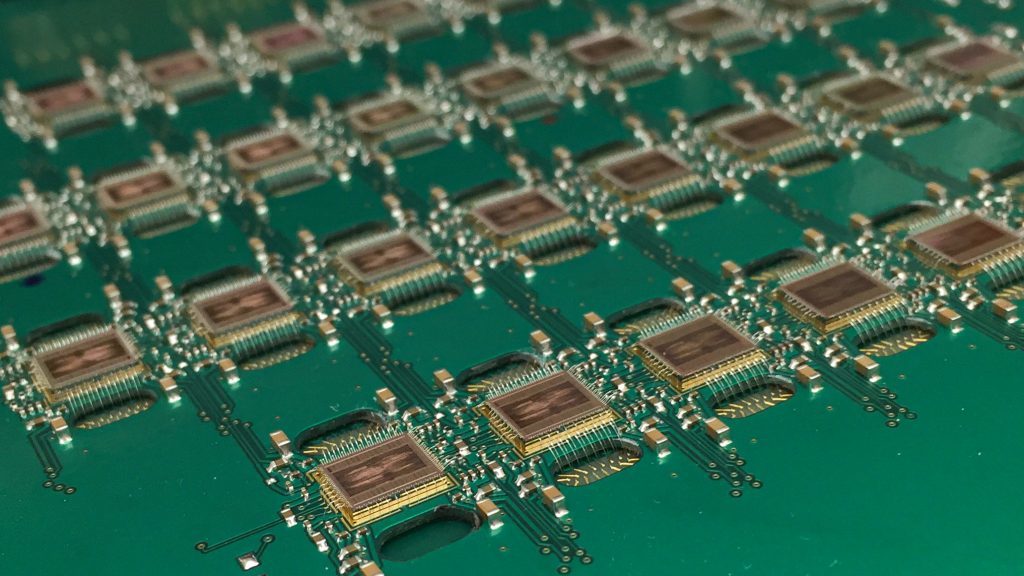
Using technology that Berkeley Lab helped develop, scientists are constructing the ArgonCube — a pixelated detector that can clearly and quickly capture neutrino interactions, which is a crucial component for the near detector of the Deep Underground Neutrino Experiment (DUNE). https://news.fnal.gov/2019/08/powered-by-pixels/
Summer Intern Poster Session on Wednesday
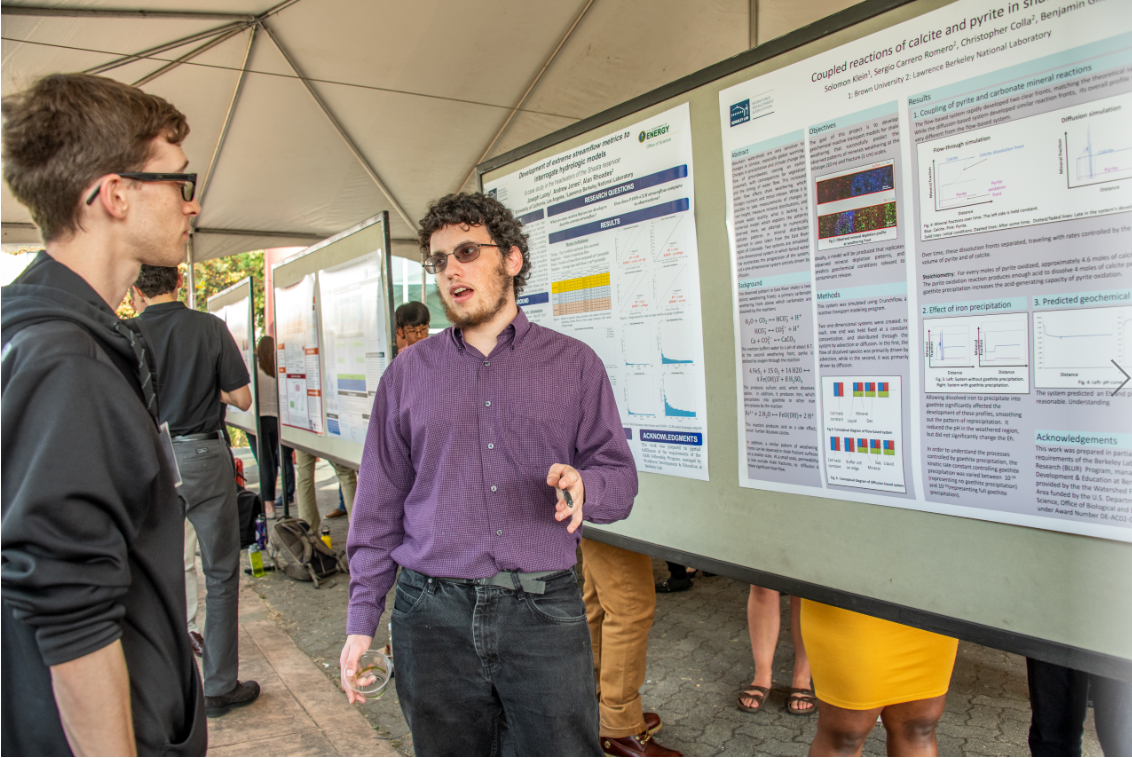
The work of 105 interns will be on display during a poster session on the Advanced Light Source patio on Wednesday, August 7, from 3:30 to 5 p.m. Hosted by Workforce Development & Education, the interns work with researchers on projects related to the Lab’s science programs. https://education.lbl.gov/
Radioactive Mapping Tech Wins I-Corps Pitch Contest
Graduates of IPO’s I-Corps entrepreneurial training shared their ideas with judges in a pitch contest last week. Erika Suzuki won first place for her radioactive mapping technology. She advances to a DOE pitch contest. Arun Persaud and Andrew Voyles took second and third place. https://ipo.lbl.gov/blic/
Lab Team Contributes Modeling for ‘Sidewalk Labs’ Project
As part of a Sidewalk Labs project for Alphabet that reimagines an urban space in Toronto, Canada, ETA researcher Michael Wetter and his team contributed modeling of the energy performance of district heating and cooling systems. https://drive.google.com/file/d/1L5Emmtv2S9MeKDIPyG5-wP1y1pUjSU-L/view?usp=sharing
Lab Scientists Receive DOE Early Career Research Awards
Berkeley Lab earth scientist Charuleka Varadharajan and physicist Peter Sorenson have been selected by DOE’s Office of Science for Early Career Research Awards. The awards come with significant funding for research. https://newscenter.lbl.gov/2019/08/01/two-berkeley-lab-researchers-receive-doe-early-career-research-awards/
#waterweek: Watersheds, Exascale, and Machine Learning
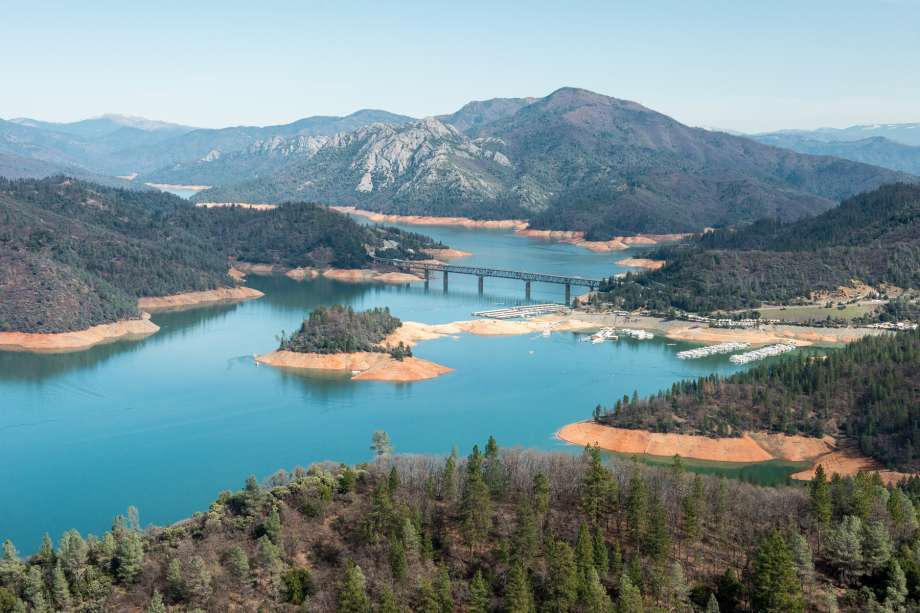
The new ExaSheds project represents the first systematic effort to advance powerful machine learning and Exascale computing to transform the ability to predict watershed behavior and increase the use of ever-larger and more-complex data obtained from watershed field observations. https://eesa.lbl.gov/exasheds-advancing-watershed-system-understanding-through-exascale-simulation-and-machine-learning/
A Quantum Solution for Stumped Supercomputers
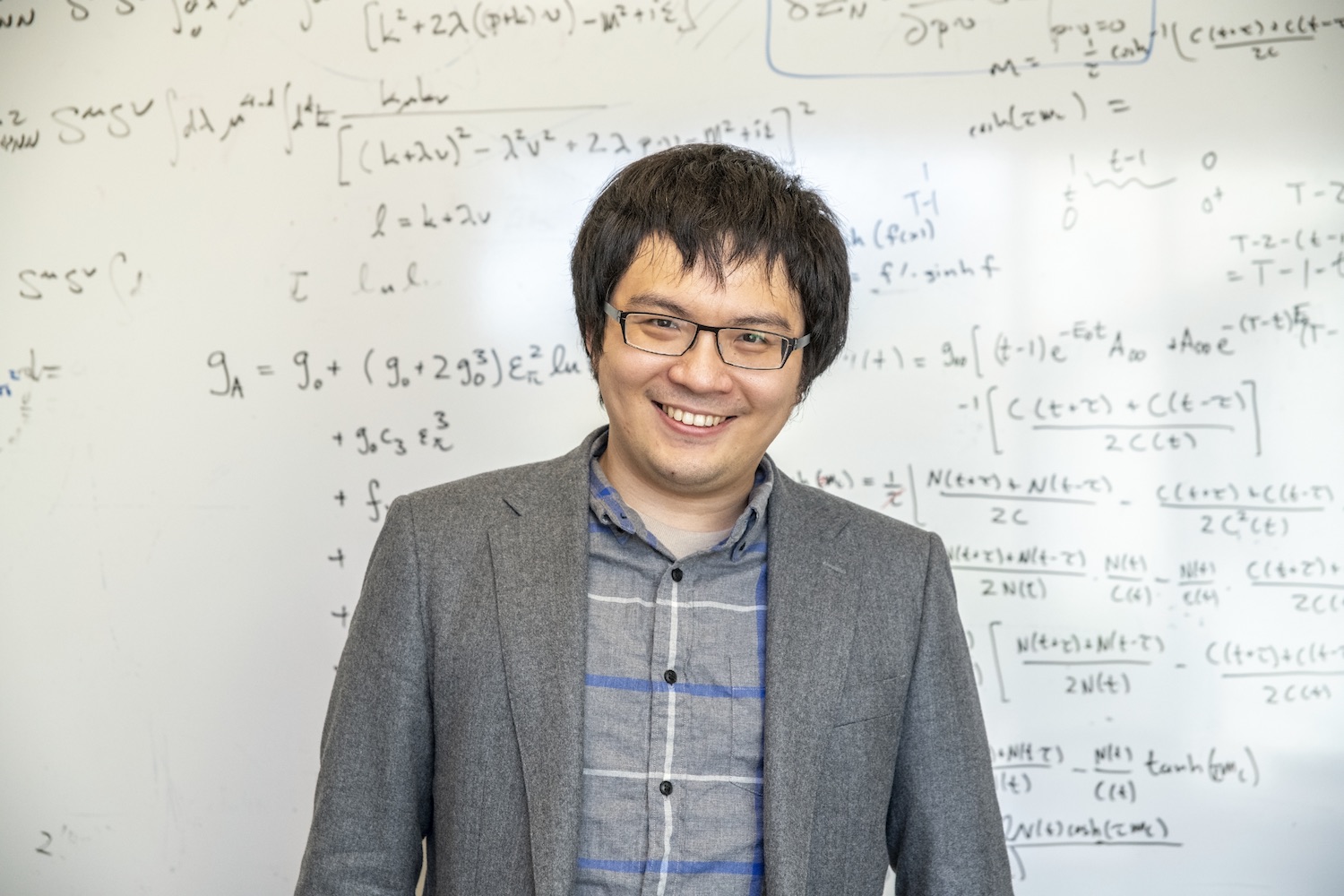
A new Berkeley Lab study looks at how a quantum computing technique, “quantum annealing,” can help solve problems relevant to fundamental questions in nuclear physics about the subatomic building blocks of all matter. It could also help answer other vexing questions in science and industry, too. https://newscenter.lbl.gov/2019/08/01/supercomputer-problems-quantum-solution/