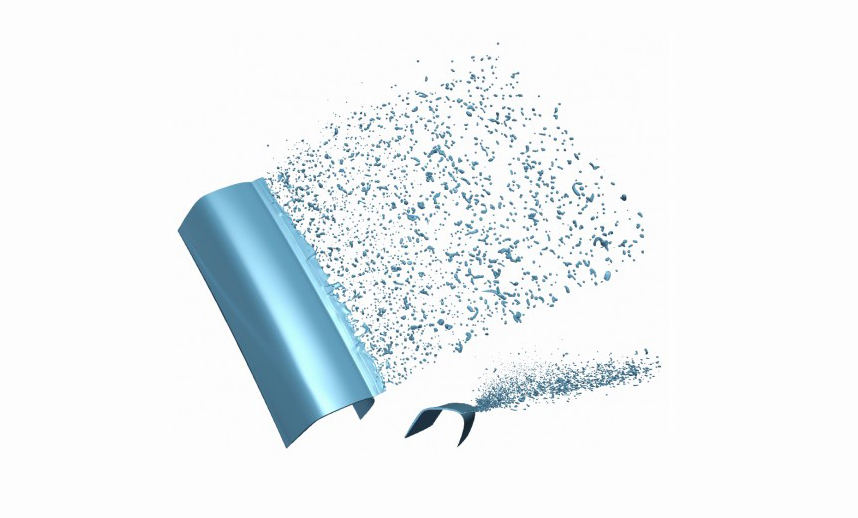
PPG — one of the world’s largest paint manufacturers — is collaborating with applied mathematicians in the Computational Research Division on computational models that will help optimize paint design and application to reduce energy consumption. https://cs.lbl.gov/news-media/news/2019/industry-and-berkeley-lab-partner-to-build-energy-efficiency-into-paint-design/
How Light-Harvesting Bacteria Toggle Off and On
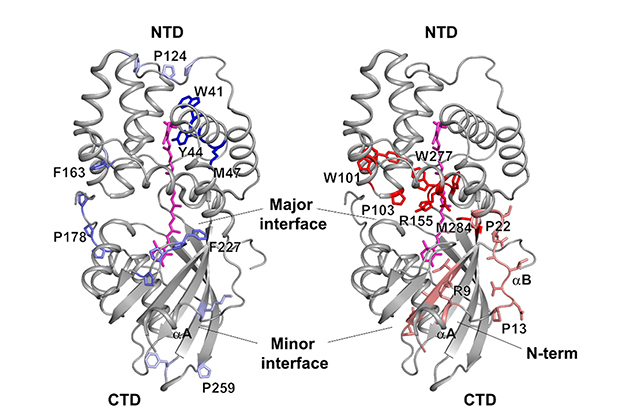
Scientists used the ALS to better understand how bacteria switch light harvesting off and on in response to overexposure to light. The results could have long-range implications for artificial photosynthesis and optogenetics — the use of light to selectively activate biological processes. https://als.lbl.gov/how-light-harvesting-bacteria-toggle-off-and-on/
JGI Part of Switchgrass Community Garden Study
As reported in PNAS, a team including Joint Genome Institute scientists created 10 community gardens filled with switchgrass plants across the United States, to better understand the genetic basis of local adaptation. The research findings will help improve biomass production. https://jgi.doe.gov/developing-switchgrass-for-biomass-production/
Heat Wave Protection Using Cool Roofs
Californians are expected to experience many more brutal heat waves in the future. Berkeley Lab scientists find that sporting “cool” roofs on every building could shield people from heat waves’ dangerous consequences. https://newscenter.lbl.gov/2019/08/14/cool-roofs-can-help-shield-californias-cities-against-heat-waves/
Apply for FY20 Lab-to-Market Funding
Watch for DOE’s FY20 Technology Commercialization Fund (TCF) call on Sept. 10. The TCF program offers an opportunity for private industry to partner with DOE national labs to advance energy technologies and intellectual property toward commercialization. https://ipo.lbl.gov/TCF_2020
What is Paul Dabbar’s Favorite Element? Californium!
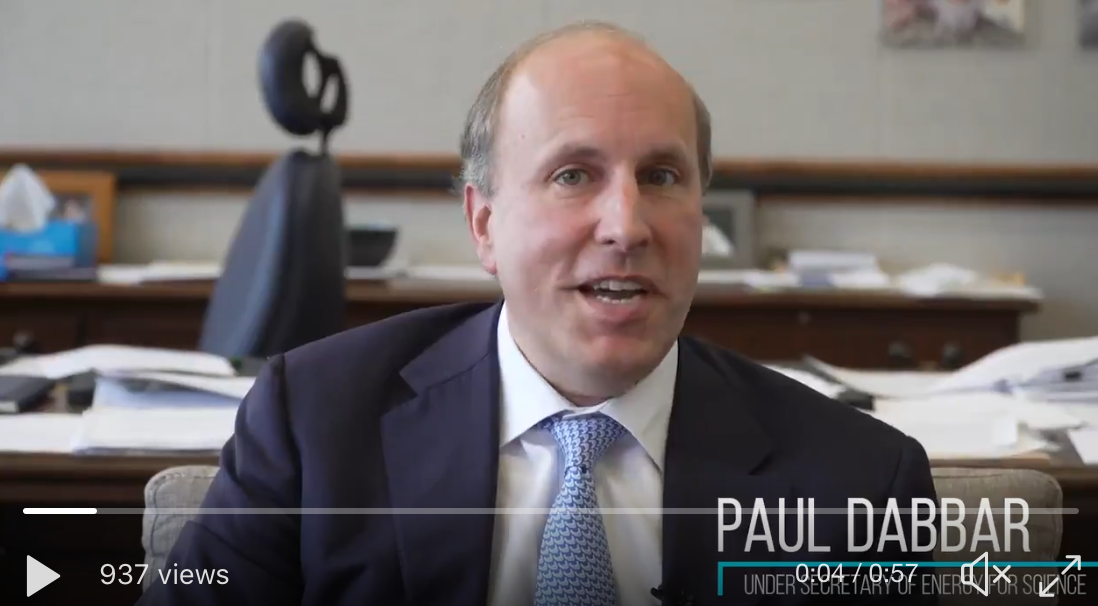
As part of the 150th anniversary of the periodic table, DOE Under Secretary for Science Paul Dabbar shares his love for Californium, which can be used to find oil and gas drilling locations, discover precious metals, and enable the search for new elements. https://twitter.com/ScienceUnderSec/status/1161317418100240385
A Community Approach to Advancing Microbiome Research
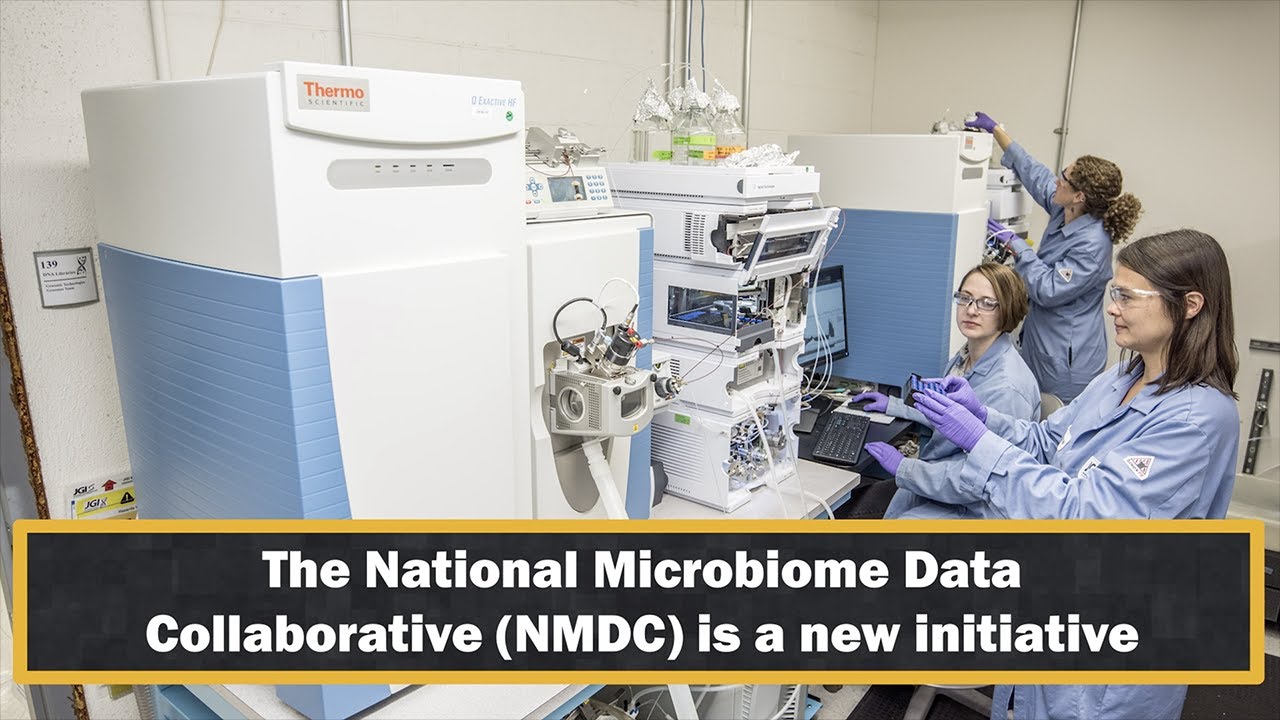
The National Microbiome Data Collaborative (NMDC), a new initiative aimed at empowering microbiome research, is gearing up its pilot phase after receiving $10 million of funding from the DOE’s Office of Science. https://newscenter.lbl.gov/2019/08/13/community-driven-data-science/
DL4Sci School Sessions Now on YouTube
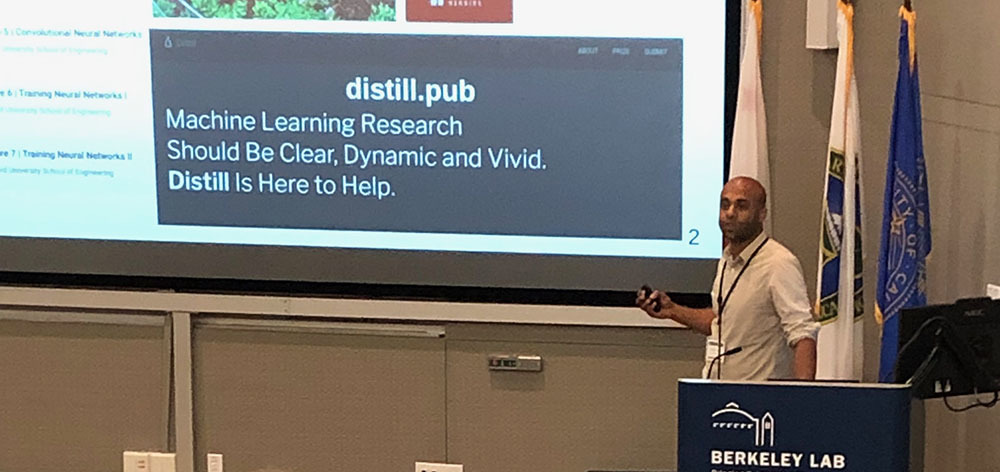
Videos of lectures from the first Deep Learning for Science School (DL4Sci), held July 15-19 at Berkeley Lab, are now available on YouTube. The week-long workshop was designed to help educate scientists about the capabilities and practicalities of using these new deep learning tools. https://www.youtube.com/playlist?list=PL20S5EeApOSvfvEyhCPOUzU7zkBcR5-eL
LZ Time Projection Chamber Assembly Completed
Last month, researchers at the Sanford Underground Research Facility in South Dakota gathered to peel back a protective layer of foil to reveal the innermost piece of the LUX-ZEPLIN (LZ) dark matter experiment — a xenon detector that’s called a Time Projection Chamber. LZ is led by Berkeley Lab. https://sanfordlab.org/article/lz-time-projection-chamber-assembly-completed
George Moridis Honored by Society of Petroleum Engineers
George Moridis was honored by the Society of Petroleum Engineers with the John Franklin Carll Award, which recognizes distinguished contributions in the application of engineering principles to petroleum development and recovery. https://eesa.lbl.gov/15467-2/