Berkeley Lab researchers have designed an affordable “flow battery” membrane that could accelerate the adoption of renewable energy for the electrical grid. This makes the creation of long-lasting and low-cost grid batteries possible using readily available materials such as zinc, iron, and water. https://newscenter.lbl.gov/2019/11/07/grid-battery-for-renewable-energy/
Lab’s FIONA Featured in Video on Superheavy Elements
In a 10-minute Seeker video on element discovery, Jackie Gates of the Nuclear Science Division describes her team’s research on superheavy elements using a tool called FIONA at the 88-Inch Cyclotron. https://www.seeker.com/videos/tech/this-superheavy-atom-factory-is-pushing-the-limits-of-the-periodic-table
Climate Change Could Shift East Asian Monsoons
More than a billion people in Asia depend on monsoons for their water needs. The Asian monsoon is closely linked to a tropical air flow, which will most likely shift geographically as the climate continues to warm. This could result in less rainfall in certain regions, says a new Berkeley Lab study. https://newscenter.lbl.gov/2019/11/13/climate-change-expected-to-shift-location-of-east-asian-monsoons/
Synthetic Molecules Could Aid Diagnosis of Illnesses
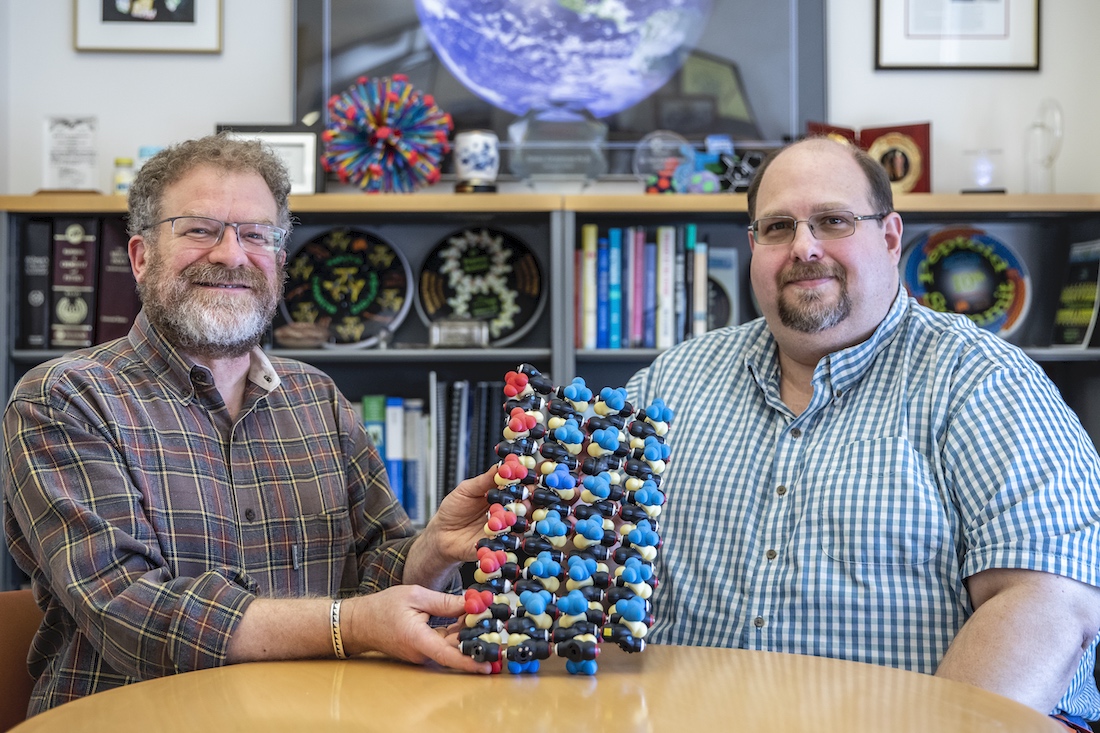
A new test agent can easily and efficiently detect the misfolded protein aggregates that cause devastating neurological diseases. The technology could lead to early diagnosis of prion, Alzheimer’s, and Parkinson’s diseases for the first time. https://newscenter.lbl.gov/2019/11/06/test-for-prions/
Lab Hosts College Teams for Cyberforce Competition
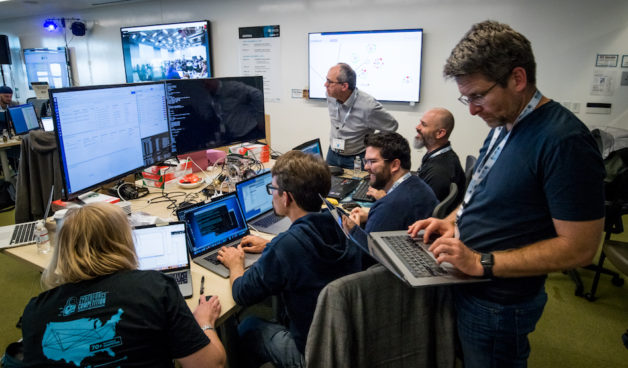
The event, held on Nov. 16 at ten of the DOE’s national laboratories, will challenge 105 college teams to defend a simulated energy infrastructure from cyberattacks. The CyberForce Competition is designed to inspire and develop the next generation of energy sector cybersecurity professionals. https://newscenter.lbl.gov/2019/11/08/cyberforce-competition/
Machine Learning Helps Predict Traffic Headaches
Berkeley Lab computer scientists are working with Caltrans to use high-performance computing and machine learning to help improve real-time decision making when traffic incidents occur. https://newscenter.lbl.gov/2019/11/04/machine-learning-help-predict-traffic-headaches/
Turning Up the Heat on Microbial Resistance
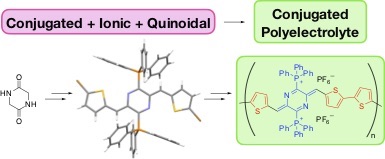
A team of scientists led by researchers at the Molecular Foundry has demonstrated that a new material, a type of conjugated polyelectrolyte, can cause a 95% reduction in bacterial colony count within five minutes under infrared irradiation. https://foundry.lbl.gov/2019/11/07/putting-the-heat-on-microbial-resistance-with-organic-polymers/
Exploring Egyptian Mummy Bones for Insight on Ancient Life
Experiments at Berkeley Lab are casting a new light on Egyptian soil and ancient mummified bone samples that could provide a richer understanding of daily life and environmental conditions thousands of years ago. https://newscenter.lbl.gov/2019/11/12/scientists-explore-egyptian-mummy-bones-with-x-rays-and-infrared-light-to-gain-new-insight-on-ancient-life/
ALS X-Rays Assist In Studying Toxic Sulfur Dioxide Gases
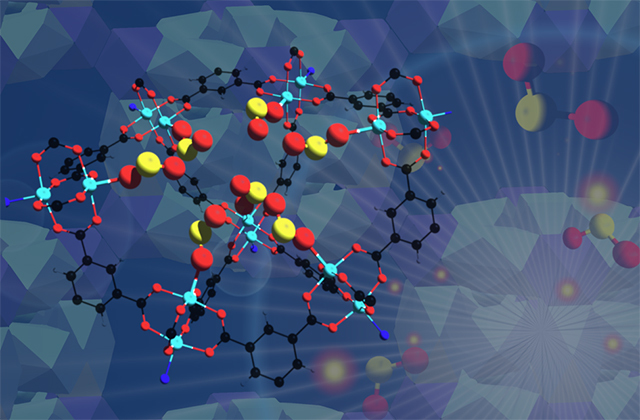
A team of researchers used X-rays produced at the ALS to explore the molecular structure of metal-organic frameworks used to successfully separate sulfur dioxide from other gases. Sulfur dioxide emissions, typically produced by power plants and heavy equipment, can be harmful to human health. https://newscenter.lbl.gov/2019/11/01/mof-absorbs-sulfur-dioxide-gas/
Are Students Getting Enough Air?
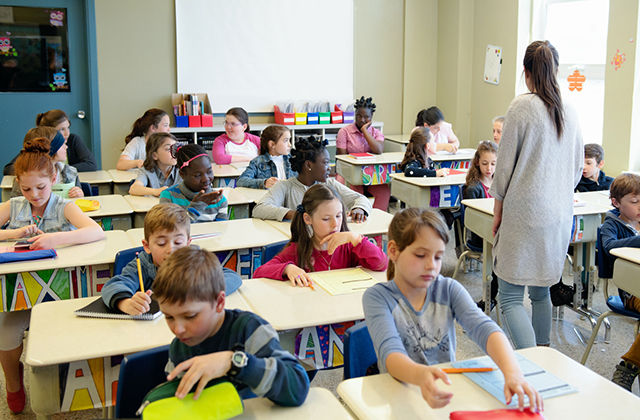
A Berkeley Lab study finds that about 85 percent of recently installed heating, ventilation, and air conditioning systems in California’s K-12 classrooms did not provide adequate ventilation. A buildup of CO2 can impact learning. https://newscenter.lbl.gov/2019/11/05/are-students-getting-enough-air/