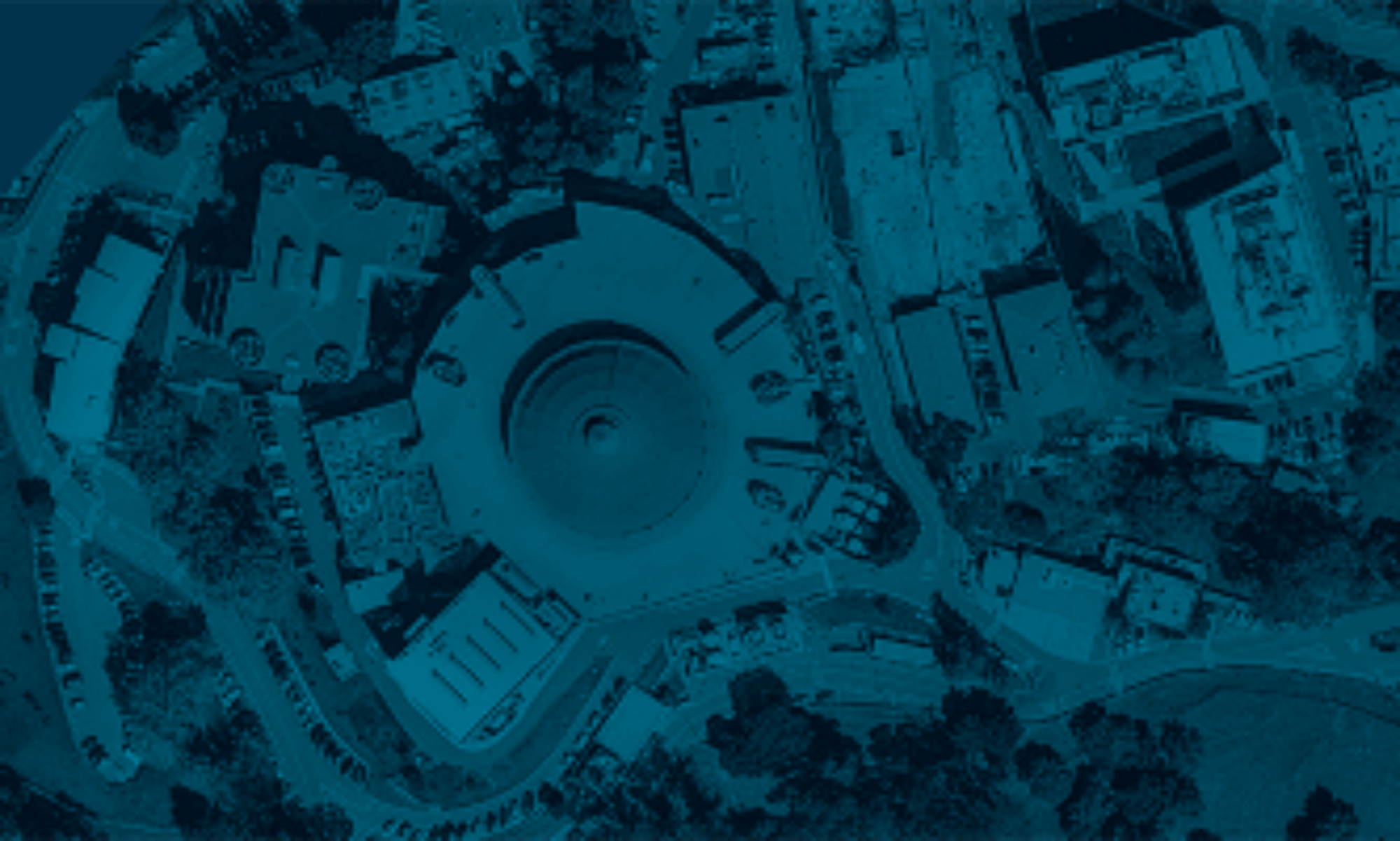
To better understand interface chemistry (applicable to batteries, corrosion, and other bio- and electrochemical processes), researchers at the Advanced Light Source developed a new infrared approach to probing the first few molecular layers of a graphene–liquid interface. https://als.lbl.gov/infrared-nanospectroscopy-at-graphene-liquid-interfaces/
Kostecki Selected to Lead ETA Division
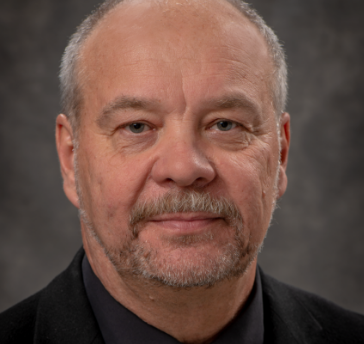
Following an international search, Robert Kostecki has been appointed director of the Energy Storage and Distributed Resources Division in the Energy Technologies Area at Berkeley Lab. https://newscenter.lbl.gov/2019/11/25/berkeley-lab-names-robert-kostecki-director-of-the-energy-storage-and-distributed-resources-division/
SLAM Friday: Fadji Maina
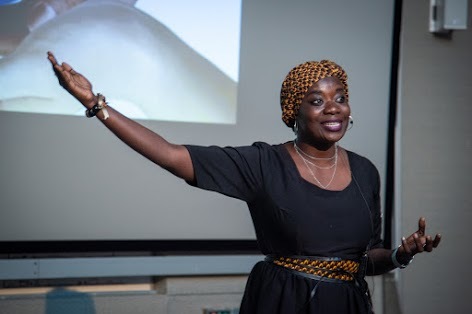
Every Friday in a feature series in Elements, meet one of the 12 early career Lab scientists who competed in the 2019 SLAM pitch contest. This week, watch and read Fadji Maina’s pitch on “Sustainable Water for an Uncertain Future.” https://slam.lbl.gov/2019-slam/2019-finalists/fadji-maina
Tiny Laser Packs a Punch
Users and staff at the Molecular Foundry have combined the properties of two nano-sized materials to produce ultra-stable lasers that boost the energy of light in spaces smaller than the light waves themselves. https://foundry.lbl.gov/2019/11/14/tiny-laser-packs-a-punch/
The Beauty of Imperfections in 2D Materials
Berkeley Lab scientists have revealed how atomic defects emerge in TMDs (transition metal dichalcogenides), and how those defects shape the 2D material’s electronic properties. Their findings could provide a versatile yet targeted platform for designing 2D materials for quantum information science. https://newscenter.lbl.gov/2019/11/20/the-beauty-of-2d-materials/
Use Pivot to Find, Manage Funding Opportunities
Pivot, an online research service and database used by thousands of research institutions, provides a single, comprehensive resource for federal, state, and foundation funding opportunities. The Lab covers the annual subscription fee, so it is a free service at the Lab. https://stratcomm-elements.lbl.gov/2019/11/19/pivot-new-tool-to-discover-funding-opportunities/
Multiple Levels of Chirality from Achiral Molecules
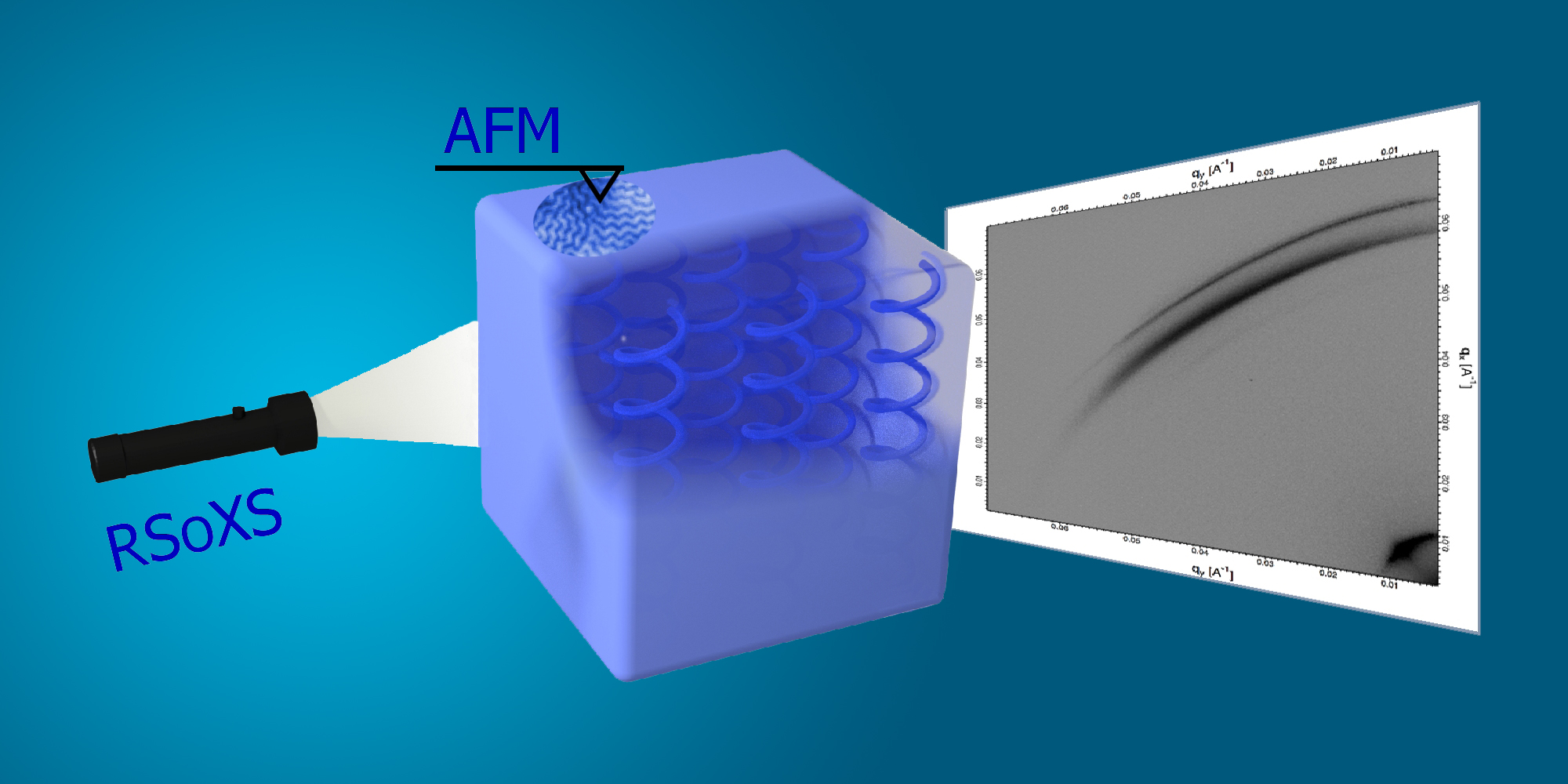
A study on liquid crystals, done in part at the ALS, sheds light on how molecular properties and competing interactions “propagate” order from the molecular level up to the microscale, leading to complexity similar to that found in biological materials. https://als.lbl.gov/multiple-levels-of-chirality-from-achiral-molecules/
Door Opens on Novel Thermoelectric Materials
A team of Molecular Foundry users, working with staff, has discovered a crystalline material with ultralow thermal conductivity — thus, the ability to turn heat into electricity — which could lead to the design of novel energy-conversion materials and devices. https://foundry.lbl.gov/2019/11/12/discovery-opens-door-for-novel-thermoelectric-materials/
Machine Learning Enhances ALS Light-Beam Performance
A team of researchers at Berkeley Lab and UC Berkeley has successfully demonstrated how machine-learning tools can improve the stability of light beams’ size for science experiments at the Advanced Light Source via adjustments that largely cancel out unwanted fluctuations. https://newscenter.lbl.gov/2019/11/08/machine-learning-enhances-light-beam-performance-at-the-advanced-light-source/
Pioneering Data Scientist Frank Olken has Died
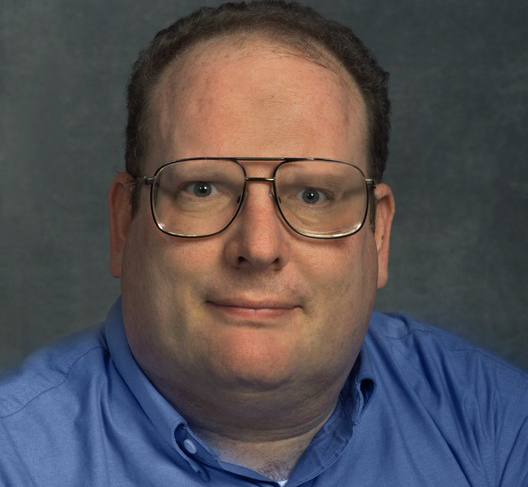
Frank Olken, a data scientist who spent 36 years at Berkeley Lab tackling the challenge of big data before it became Big Data, died Oct. 18 at age 67. He also worked two stints as a National Science Foundation program director in Arlington, Va. https://crd.lbl.gov/news-and-publications/news/2019/longtime-lab-pioneering-data-scientist-frank-olken-has-died/