Berkeley Lab’s Chris Mungall and Nomi Harris explain how agreeing on precise definitions of each rare disease can lead to more accurate diagnoses and better treatments, and share new evidence showing this endeavor is more important than ever. https://newscenter.lbl.gov/2019/12/03/rare-disease-qa/
JGI Helps Illuminate Microbial Partnership In Lichen
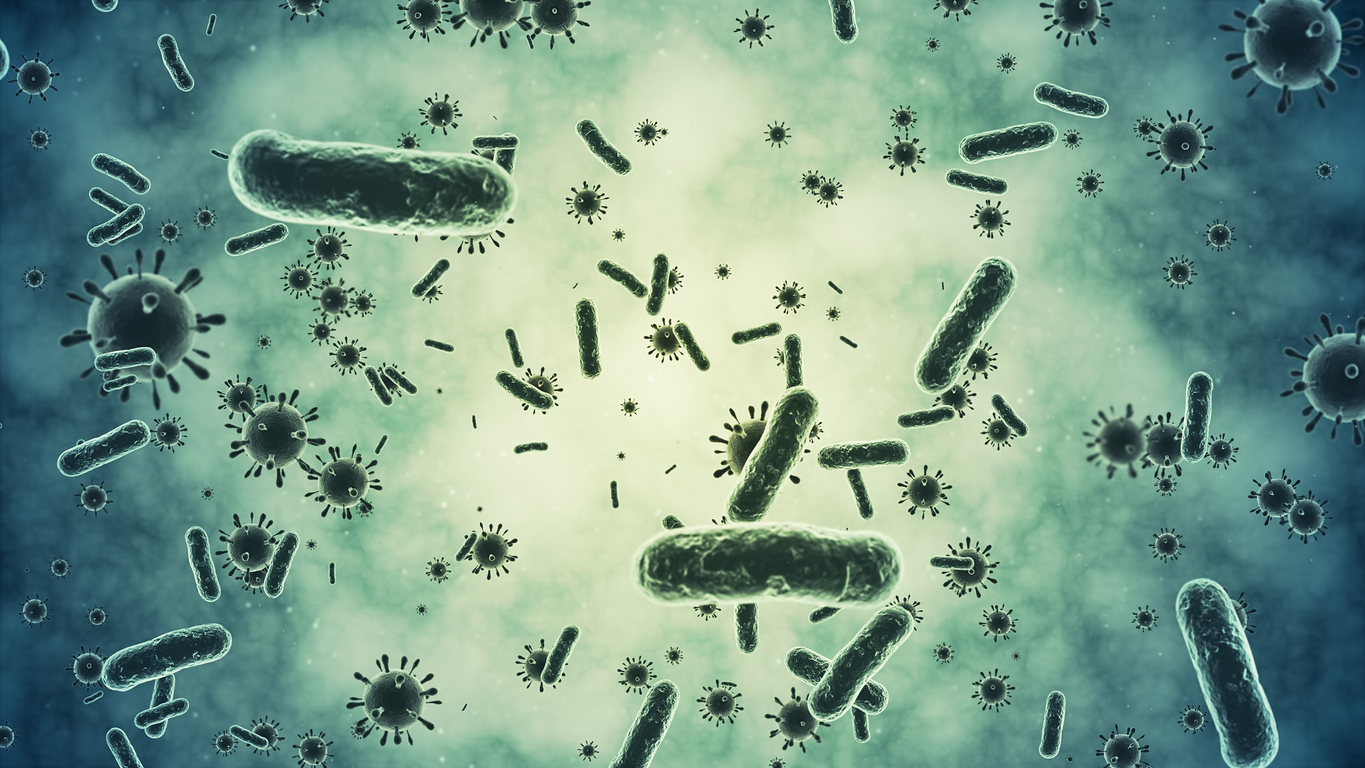
The humble lichen is a single superorganism that is actually comprised of two participants: fungus and photosynthetic microbes. For the first time, a team conducting research at JGI has analyzed the genomes and transcriptomes of both partners to better understand how they make a lichen together. https://jgi.doe.gov/making-lichen-together/
When Solids and Liquids Meet: In Nanoscale Detail
How a liquid interacts with the surface of a solid is important in batteries and fuel cells, chemical production, corrosion phenomena, and many biological processes. Researchers at Berkeley Lab developed a platform to explore these interactions under real conditions (“in situ”) at the nanoscale. https://newscenter.lbl.gov/2019/12/02/solids-and-liquids-in-nanoscale/
A Matchmaker for Microbiomes
Determining which microbes contribute to an important geochemical or physiological reaction is challenging and slow-going, a task requiring the analysis of enormous datasets of information. But now, researchers have devised a new way to sort through the information overload. https://newscenter.lbl.gov/2019/12/02/a-matchmaker-for-microbiomes/
Converting Toxic Pollutant to Industrial Chemical
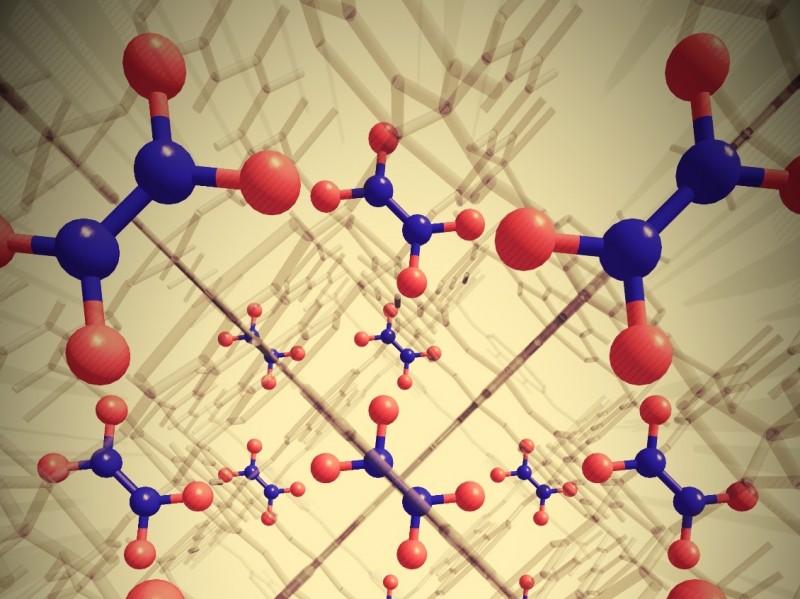
A toxic pollutant produced by burning fossil fuels can be captured from the exhaust gas stream and converted into useful industrial chemicals using only water and air thanks to a new advanced material developed by an international team of scientists, aided by research at the ALS. https://www.manchester.ac.uk/discover/news/clean-air-research-converts-toxic-air-pollutant-into-industrial-chemical/
ARPA-E Funds to Aid Photonic Metamaterial Design
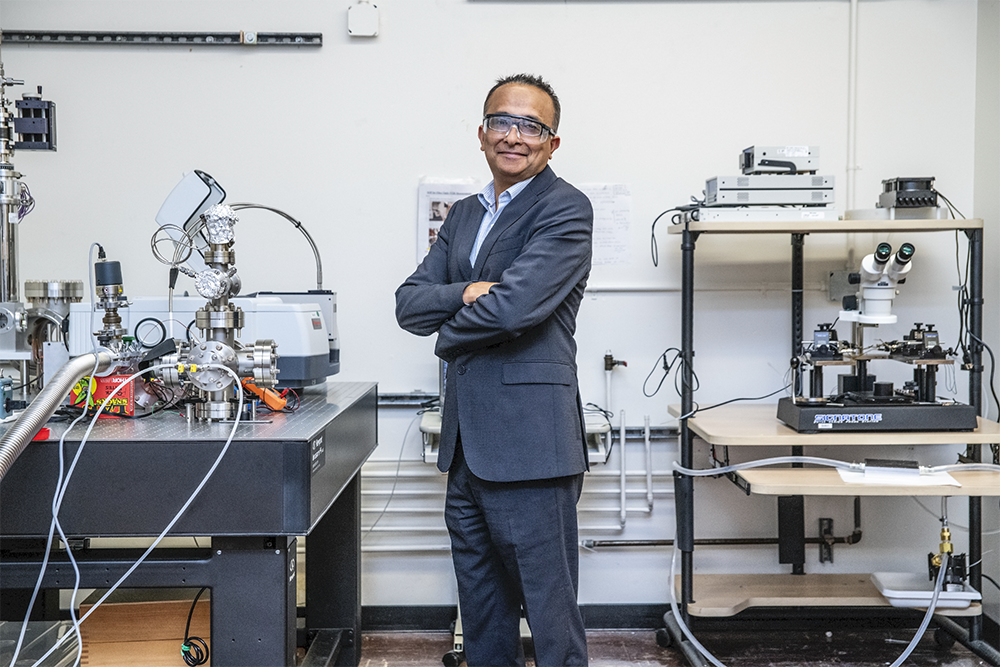
Berkeley Lab will participate in a research effort that uses artificial intelligence to develop an optical metamaterial design tool to increase energy efficiency and reduce national primary energy consumption. The Lab’s efforts are led by ETA’s Ravi Prasher (pictured) and Sean Lubner. https://arpa-e.energy.gov/sites/default/files/documents/files/DIFFERENTIATE_Project_Descriptions_FINAL.pdf
Biosciences Phenix Paper Featured on Journal Cover
Research conducted by Berkeley Lab and collaborators — summarizing the workflows for determining macromolecular structures from data obtained using X-ray crystallography, neutron diffraction, and electron cryo-microscopy — was featured on the cover of Acta Crystallographica Section D. https://biosciences.lbl.gov/2019/11/13/paper-summarizes-major-tools-recent-developments-in-phenix/
Construction of Beamline for Neutrino Research Begins
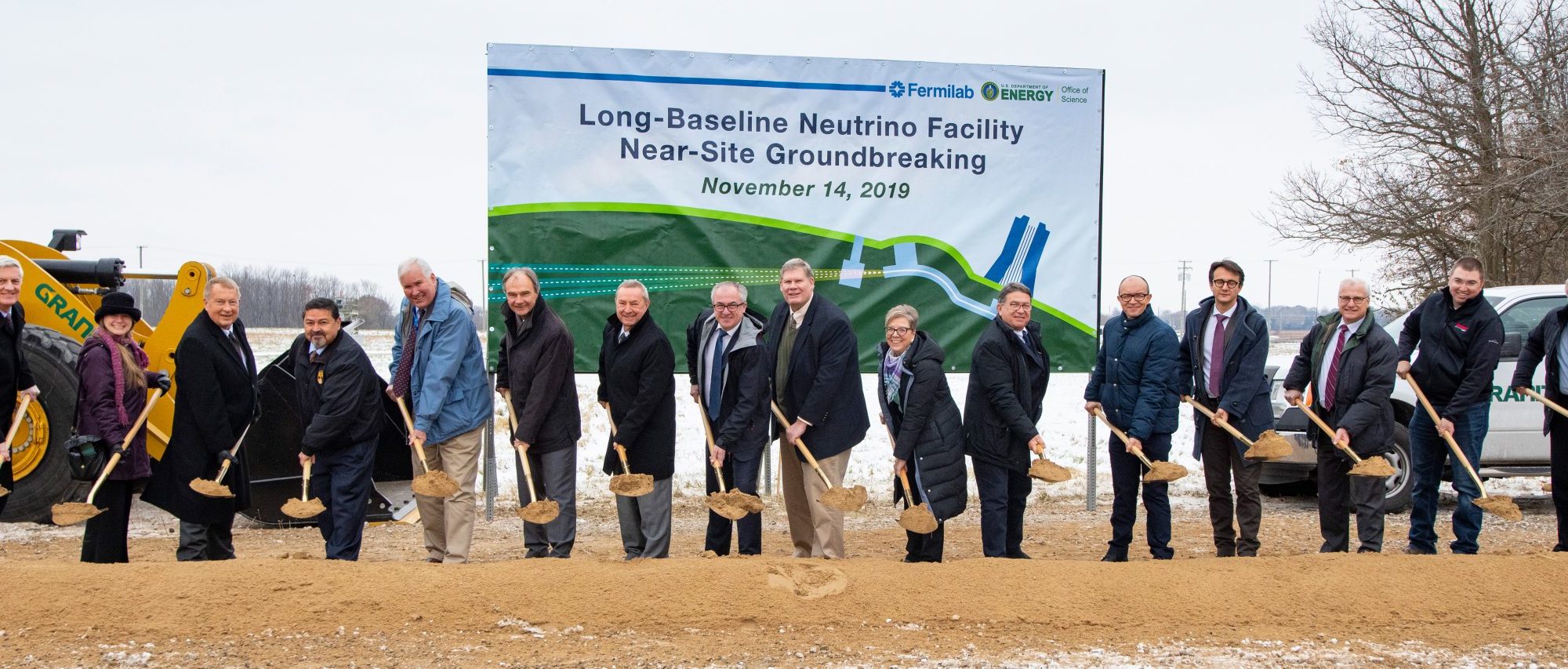
Ground was broken at Fermilab on a new beamline to conduct research on neutrinos. The beamline is part of the Deep Underground Neutrino Experiment (DUNE), an endeavor to build and operate the world’s most advanced experiment to study neutrinos. Berkeley Lab is a DUNE collaborator. https://news.fnal.gov/2019/11/fermilab-international-partners-break-ground-on-new-beamline-for-the-worlds-most-advanced-neutrino-experiment/
Using Bioenergy Byproducts to Curb Greenhouse Gas
Researchers in the Energy Technologies Area at Berkeley Lab, the Joint BioEnergy Institute, and UC Berkeley authored a study analyzing how bioenergy byproducts can be used for carbon sequestration and greenhouse gas mitigation in California. https://pubs.acs.org/doi/pdf/10.1021/acs.est.9b03763
Q&A With Erika Suzuki on 3D Radiation Mapping
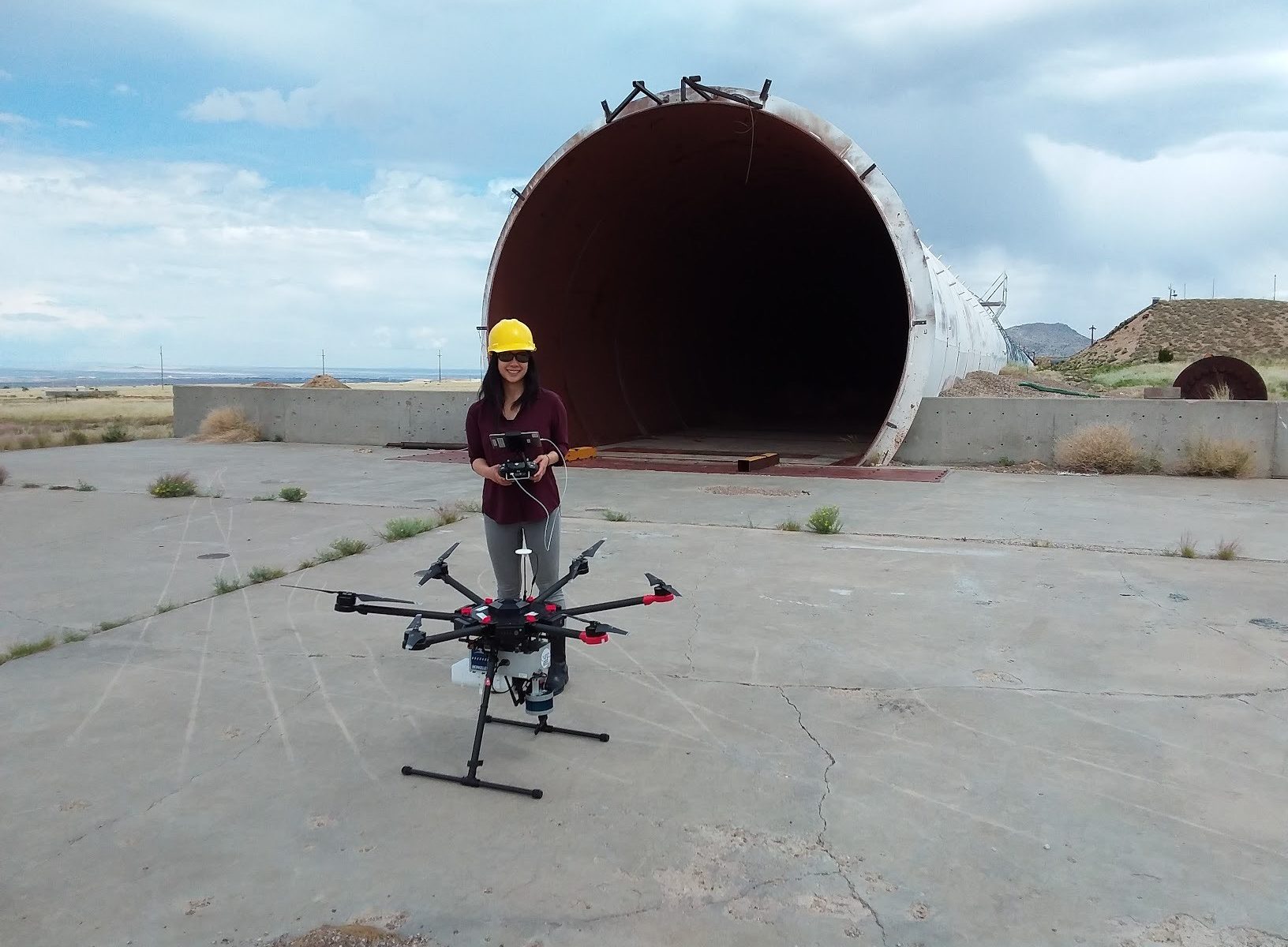
Berkeley Lab’s Erika Suzuki tied for first place in a September competition that featured technology pitches to an audience that included tech-transfer experts and investors. Her presentation focused on a Lab-developed mobile platform for finding and mapping radioactive and nuclear materials. https://newscenter.lbl.gov/2019/11/25/a-winning-pitch-for-3d-radiation-mapping-tech-qa-with-berkeley-labs-erika-suzuki/