Astronomers recently released what they said are the most detailed images ever taken of the surface of our sun. As seen through the brand-new Daniel K. Inouye Solar Telescope in Hawaii, the sun looks like a boiling pot of popcorn, belying the notion of a bland yellow orb. https://www.nytimes.com/2020/01/29/science/daniel-inouye-solar-telescope-pictures.html
New Technique Offers Detailed 3D View Inside Cells
Researchers — including Berkeley Lab biosceintist Eric Betzig — have devised a technique that combines the latest super-resolution fluorescence microscopy with electron microscopy to generate highly detailed 3D images of cellular structure at the nanoscale level. https://biosciences.lbl.gov/2020/01/23/new-microscopy-technique-gives-detailed-3d-view-inside-cells/
Can Quantum Computing Address Physics Data Deluge?
Giant-scale physics experiments increasingly rely on big data and complex algorithms fed into powerful computers. Managing this mass of data presents its own unique challenges. To better prepare for this data deluge, physicists are turning to the fledgling field of quantum computing. https://newscenter.lbl.gov/2020/01/29/particle-physics-turns-to-quantum-computing-for-solutions-to-tomorrows-big-data-problems/
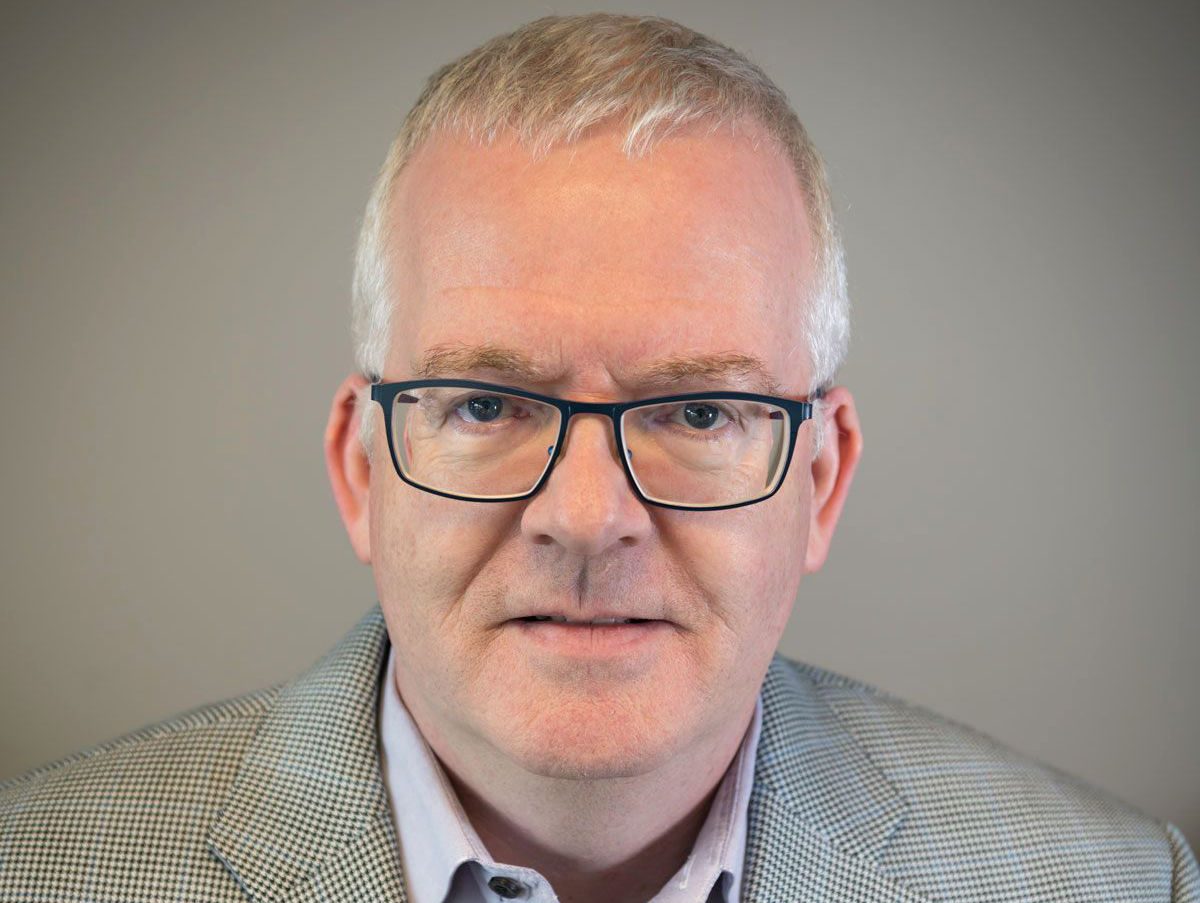
Jonathan Carter Named ALD for Computing Sciences
Jonathan Carter has been named Associate Lab Director for Computing Sciences, effective Jan. 27, replacing Kathy Yelick, who stepped down in December. Carter — who has been at the Lab for 23 years — previously served as area deputy for science in the Computing Sciences Area. https://cs.lbl.gov/news-media/news/2020/jonathan-carter-to-lead-cs-area/
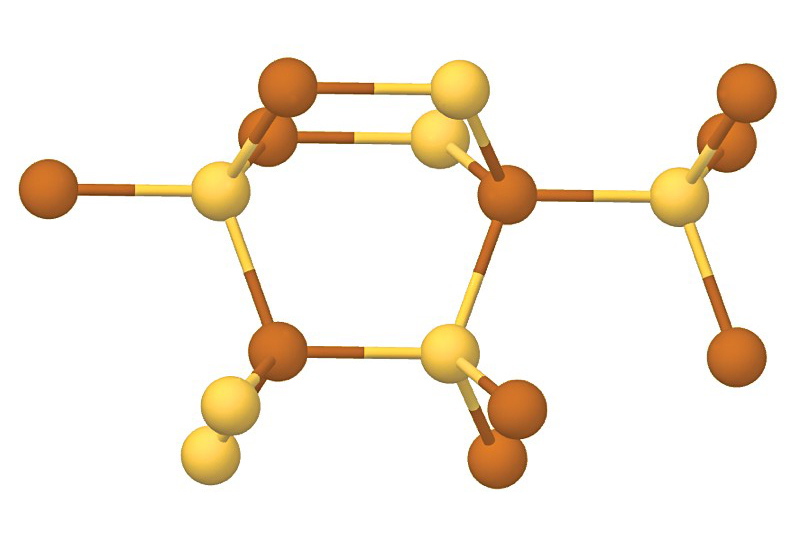
Mining Databases to Predict a Material’s Properties
A recent article in Chemical & Engineering News highlights software developed by the Lab’s Kristin Persson that maps mathamatical relationships between a material’s properties, which enables scientists to find new materials, or new uses for existing ones. Gerbrand Ceder is also quoted. https://cen.acs.org/physical-chemistry/computational-chemistry/Software-mines-databases-predict-materialsproperties/98/i4
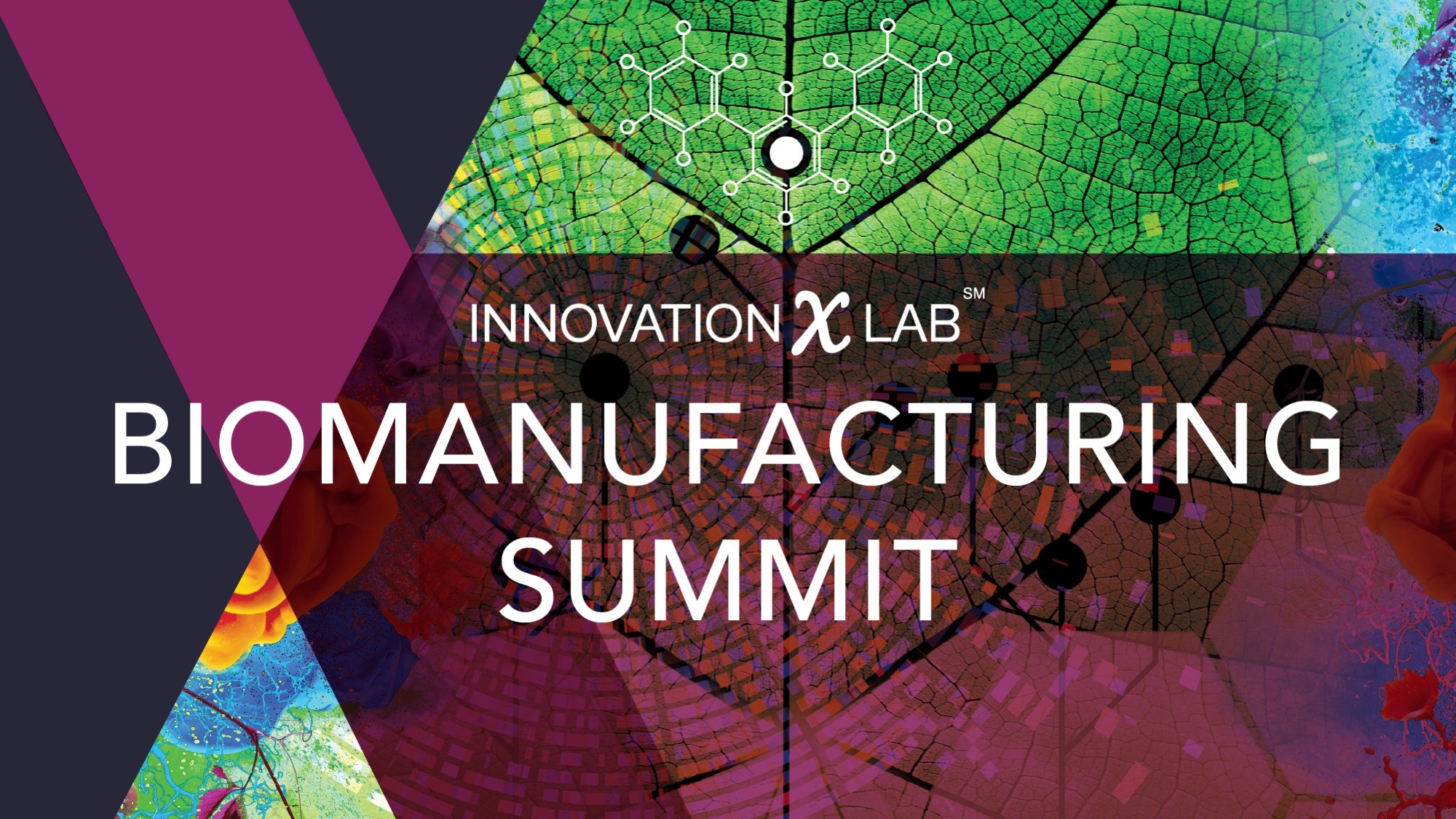
Tune Into Biomanufacturing XLab Today, Tomorrow
The InnovationXLab Biomanufacturing Summit today and Wednesday includes discussions of topics across the biomanufacturing landscape — synthetic biology, bioenergy, bioplastics, materials, foods, agriculture, and bio-based therapeutics. Lab staff can watch via streaming.lbl.gov. https://sites.google.com/lbl.gov/streaming?pli=1
Expanding What We Know About Large and Giant Viruses
While viruses are found everywhere, little is known about them. A recent Joint Genome Institute study uncovered a broad diversity of large and giant viruses that belong to one supergroup, offering researchers insights into how they might interact with their hosts. https://newscenter.lbl.gov/2020/02/14/diversity-of-giant-viruses/
Honey Bee Gut Microbiota Divvy Up Dinner
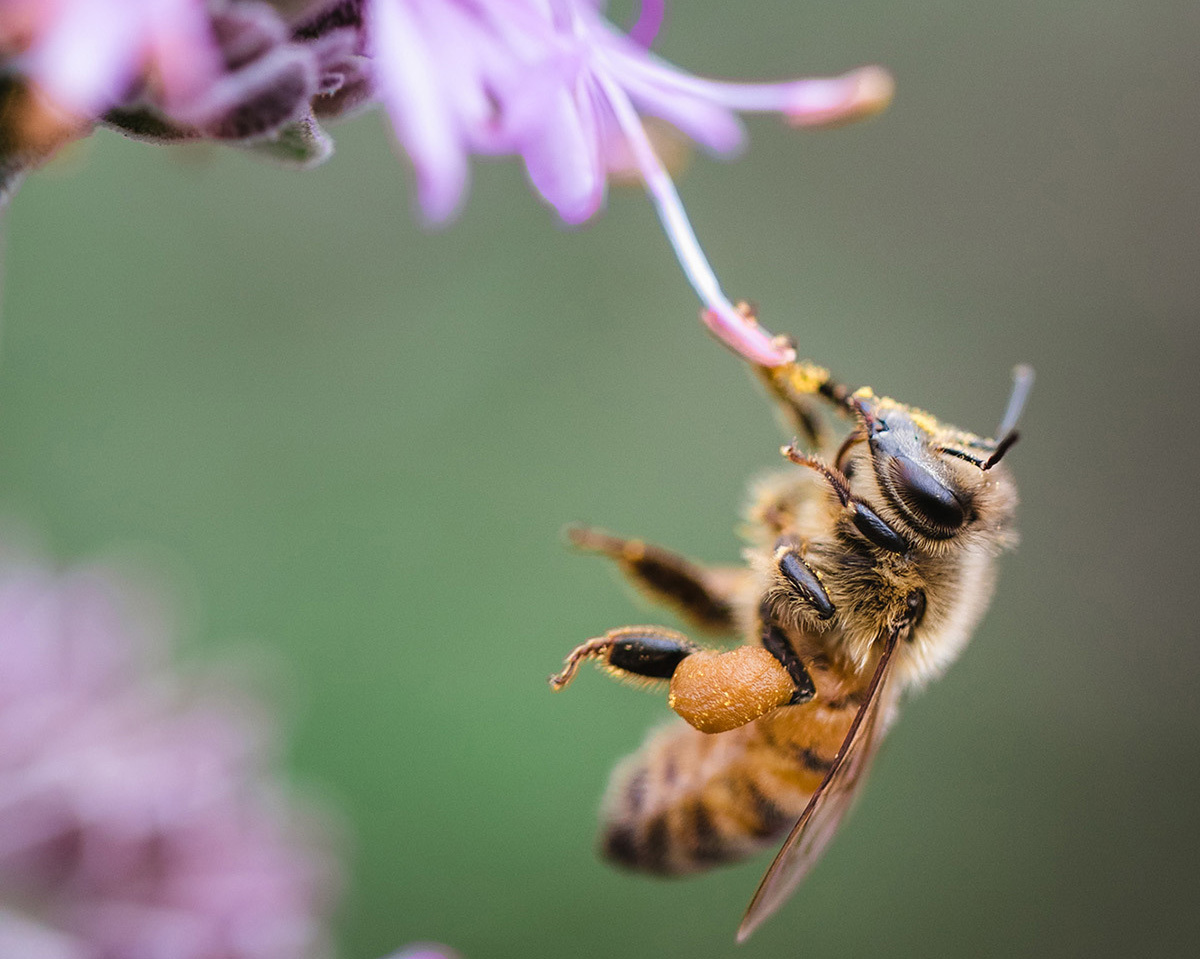
How do honey bees break down the plant cell walls in the pollen they consume? A team including JGI scientists now has a better understanding of how the enzymes produced by the honey bee gut micriobiome break down polysaccharides. It appears to be a kind of moveable feast. https://jgi.doe.gov/honey-bee-gut-microbiota-divvy-up-dinner/
A Watershed Moment for Hydro Research
With nearly $20M in new funding, researchers with the Berkeley Lab-led Watershed Function project are poised to predict how multi-scale hydro-biogeochemical processes within mountainous watersheds are changing, and the ramifications for Western water availability and quality. https://eesa.lbl.gov/stories/watershed-moment/
Lab Hosts DOE InnovationXLab Biomanufacturing Summit
Experts and investors from the biomanufacturing field will convene at the DOE InnovationXlab Jan. 28 and 29, hosted by Berkeley Lab. The event — which includes talks and a tech showcase — brings together scientists and innovators for an exchange of ideas on pushing the frontiers of biomanufacturing.