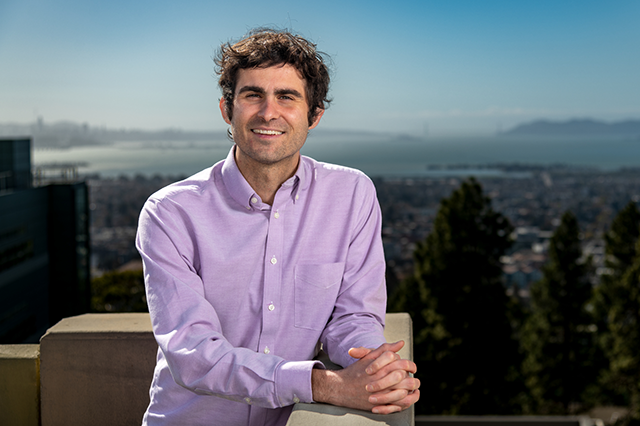
An international team led by Berkeley Lab’s Oliver Gessner observed electrons move in real-time through a common light-harvesting material. Their findings, recently featured on the cover of the Journal of Physical Chemistry Letters, will advance new materials for artificial photosynthesis devices. https://science.osti.gov/bes/Highlights/2022/BES-2022-04-a
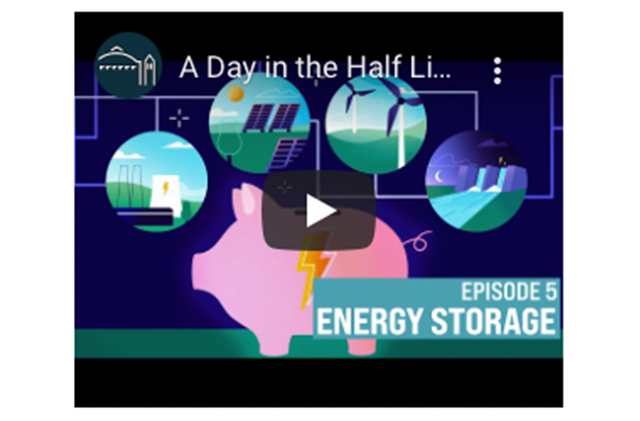
Save your Electrons for a Rainy Day
A Day in the Half Life is a podcast from Berkeley Lab. In this episode, we speak to a policy leader and a researcher about the history of piggy-banking power to spend it later, and how this field is evolving. https://www.youtube.com/watch?v=BG_OtbzKDjY
How Ecosystems Respond to Wildfires in a Fire-Prone Arctic
Temperatures in Arctic regions are warming twice as fast as the global average, resulting in more wildfires. Berkeley Lab scientists are studying how these ecosystems will respond and recover from wildfires to better understand carbon cycling in a changing climate. https://newscenter.lbl.gov/2022/04/26/microbial-response-to-a-changing-and-fire-prone-arctic-ecosystem/
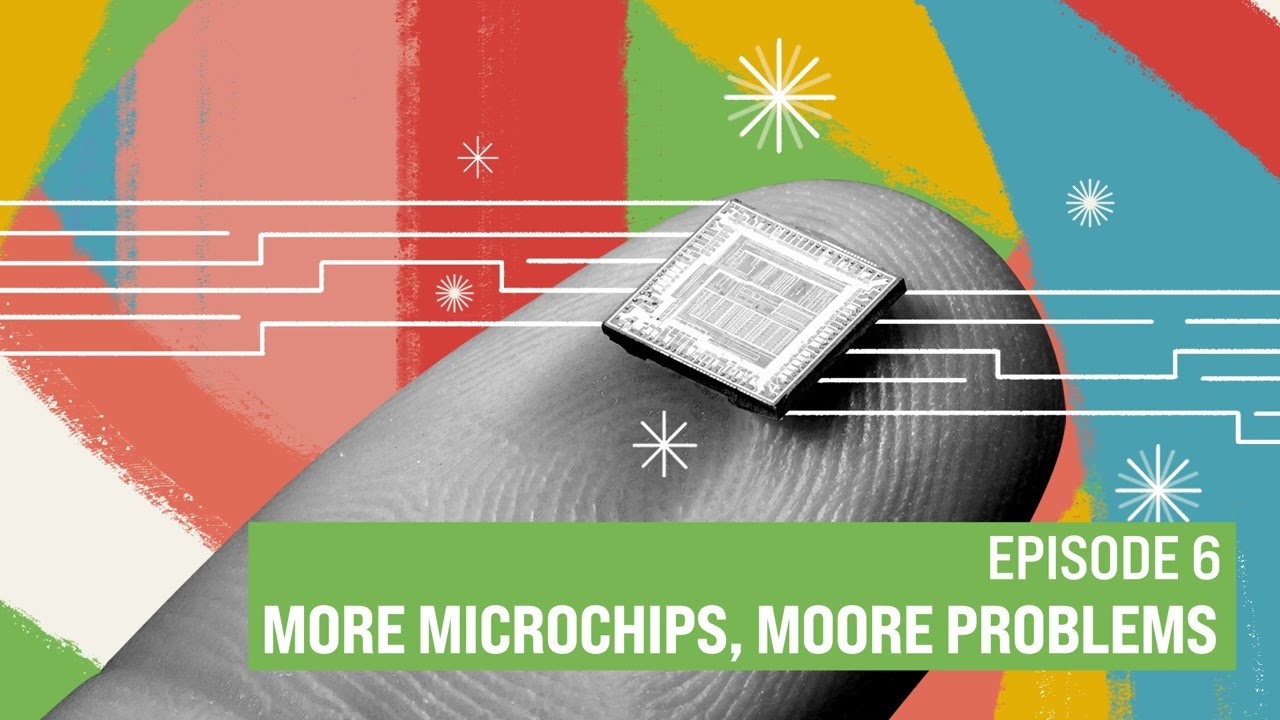
Podcast: A Day in the Half Life: More Microchips, Moore Problems
The race to make smaller and smaller electronic chips is coming to an end after many decades of creative engineering. Individual transistors are now just a few nanometers (that’s billionths of a meter) in length, so there’s not much shrinking to be done – but there is still room for improvement. http://www.youtube.com/watch?v=nMBZ6i0nwto
BioEPIC Science: m-CAFEs
Future BioEPIC tenant, Microbial Community Analysis and Functional Evaluation in Soils (m-CAFEs), aims to understand and control the microbes that live on plant roots to support sustainable bioenergy. Data gathered about these interactions will enable prediction of community responses to change. https://arcg.is/0D1eLr0
BioEPIC Video: Dawn Chiniquy
A project scientist in the m-CAFEs scientific focus area, Dawn Chiniquy, became interested in the importance of the plant microbiome for plant health and fitness. She looks forward to the shared resources in the future that will be available to researchers in BioEPIC. https://youtu.be/vTBEKB5PeYw
Capturing Carbon With Inspiration From Battery Chemistry
The Lab is funding an array of emerging technologies to remove and sequester carbon dioxide from the atmosphere. Berkeley Lab scientist Bryan McCloskey decided to use an electrochemistry approach to capture carbon dioxide. His technology could be less energy-intensive than current systems. https://newscenter.lbl.gov/2022/04/21/capturing-carbon-with-inspiration-from-battery-chemistry/
BioEPIC Science: Belowground Biogeochemistry
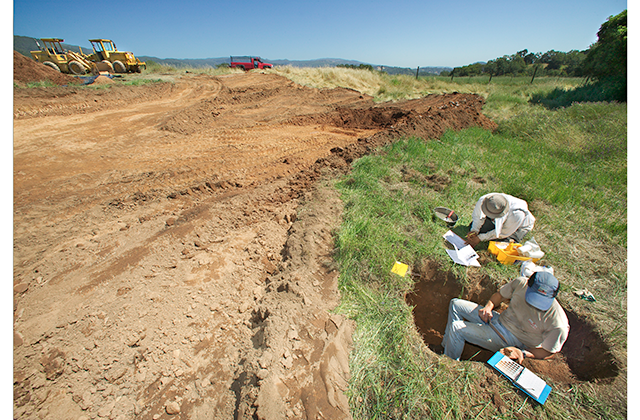
Scientists from the Belowground Biogeochemistry Scientific Focus Area are studying how soils interact with and impact the soil–plant–climate system to increase the accuracy of terrestrial ecosystem prediction models. Related research will be housed in the BioEPIC building, now under construction. https://arcg.is/1qyumC0
BioEPIC Video: Ricardo Jorge Eloy Alves
Belowground Biogeochemistry postdoctoral researcher Ricardo Eloy Alves focuses on the microbial dynamics, physiology, and functional traits that determine the properties of soil ecosystems. This work is at the heart of Earth Week, ‘Investing in our Planet.’ https://youtu.be/4SkG7BSgUZc
Using Hundred-Year-Old Chemistry to Capture Carbon Directly From Air
Scientists at the Lab are working on new approaches to achieve direct air capture of carbon dioxide. Andrew Haddad, a researcher in the Energy Technologies Area, talks about how a Nobel Prize-winning concept from more than a century ago inspired his idea for efficiently capturing CO2. https://newscenter.lbl.gov/2022/04/20/using-hundred-year-old-chemistry-to-capture-carbon-directly-from-air/