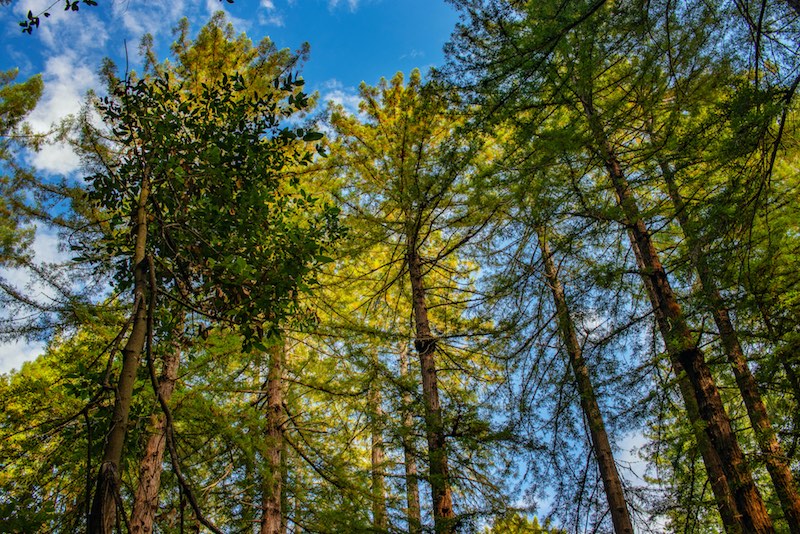
Researchers from the Lab and 20 other institutions have found that land use and atmospheric changes are altering forest structure around the world, resulting in fewer of the mature trees that are better at storing carbon dioxide from the atmosphere. https://newscenter.lbl.gov/2020/06/02/the-worlds-forests-are-growing-younger/
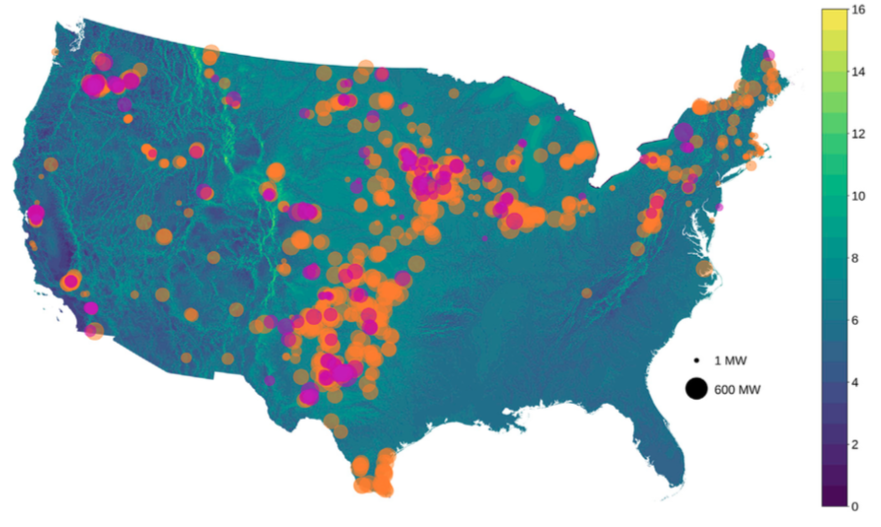
Research Evaluates How U.S. Wind Plant Performance Changes with Age
The first comprehensive study of the U.S. wind fleet, conducted by the Lab’s Energy Analysis & Environmental Impacts Division, offers surprising insights about age-related performance loss among U.S. onshore wind projects. https://newscenter.lbl.gov/2020/06/03/new-research-evaluates-how-u-s-wind-plant-performance-changes-with-age/
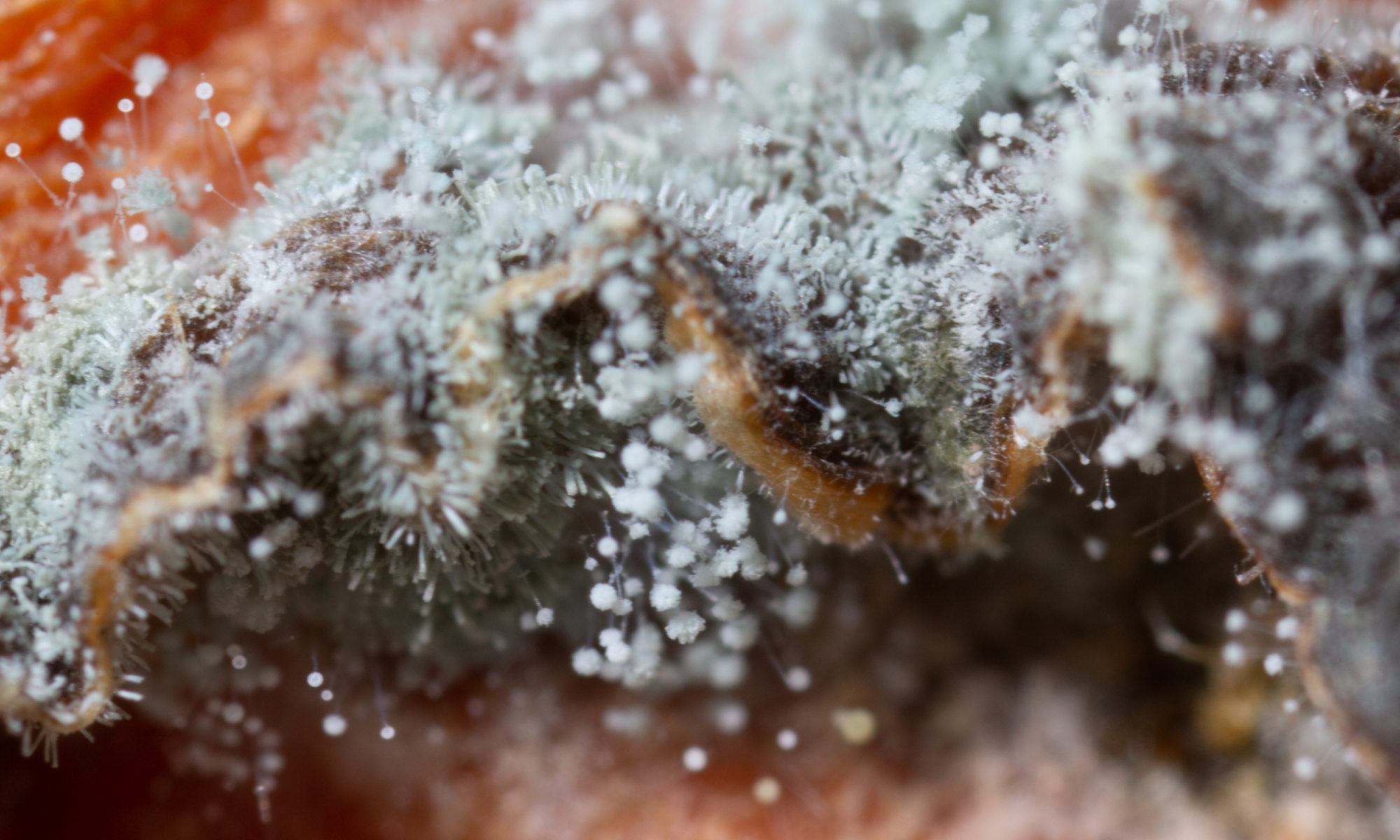
Investigation into Fungi Food Choices Yields a Buffet of Information
A new study of how fungi sense and respond to available food helps explain nutrient recycling and opens the door to better methods for producing bio-based products. https://newscenter.lbl.gov/2020/06/03/how-fungi-choose-food/
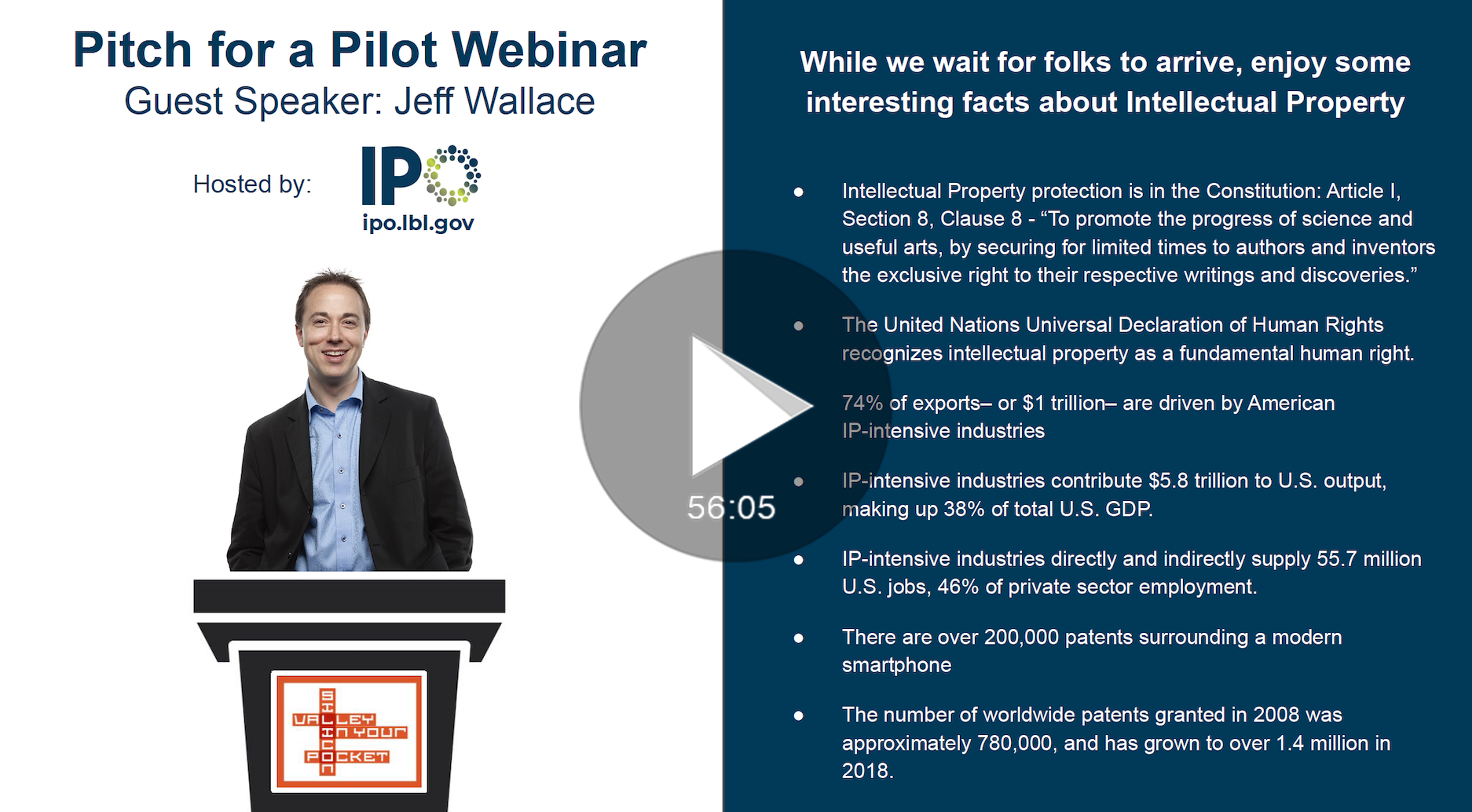
Replay: Pitch for a Pilot Entrepreneurship Webinar
Angel investor, startup advisor, and adjunct instructor at UCB Extension Jeff Wallace shares how to attract investors and gain market traction through collaboration. https://ipo.lbl.gov/webinar-pitch-for-a-pilot/
Showtime for Photosynthesis
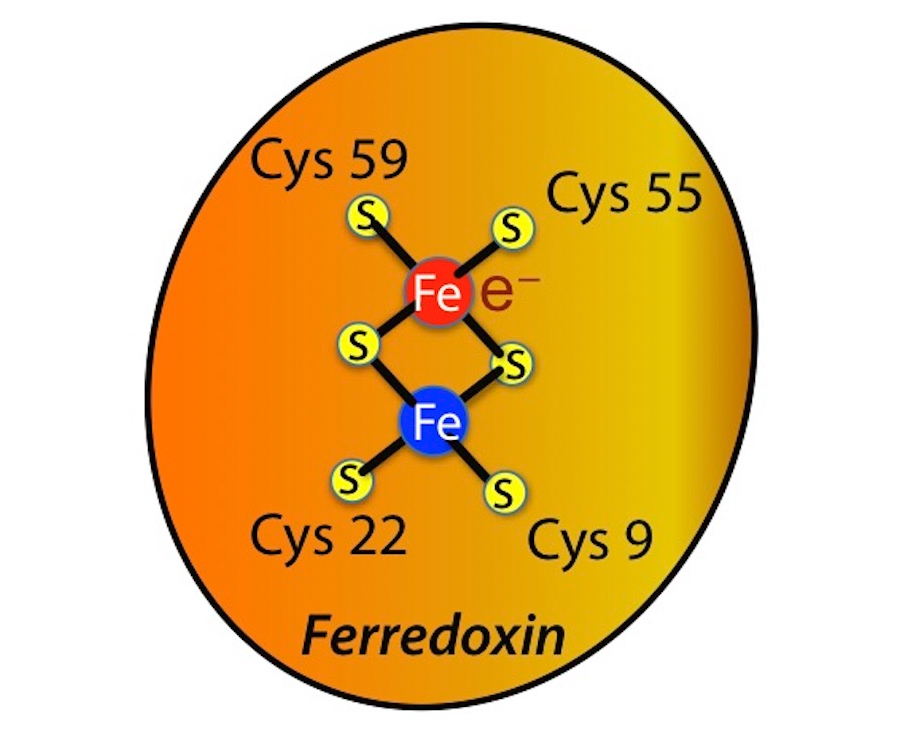
Lab scientists have captured one of nature’s most important chemical reactions in a breakthrough “molecular movie.” Understanding natural photosynthesis could be a first step in building artificial photosynthetic systems that produce renewable energy from sunlight and water. https://newscenter.lbl.gov/2020/06/04/showtime-for-photosynthesis/
Gene-Targeting Antiviral Agent vs COVID-19
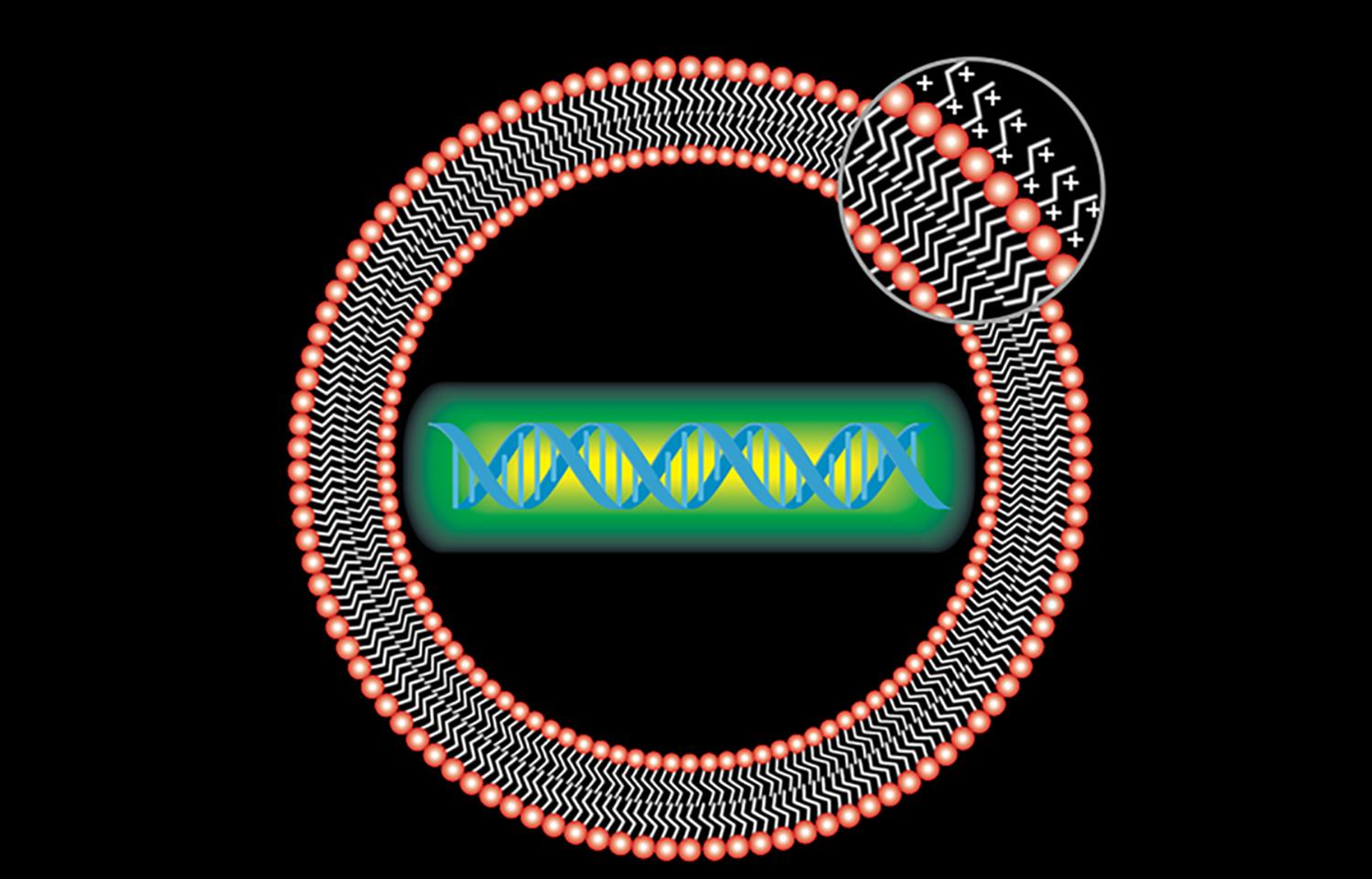
Scientists at Berkeley Lab’s Molecular Foundry have joined forces with a research team at Stanford to aim a gene-targeting, antiviral agent called PAC-MAN against COVID-19. The cellular delivery system, developed at Berkeley Lab, could be missing link in battle against SARS-CoV-2. https://newscenter.lbl.gov/2020/06/04/gene-targeting-covid-19/
A Forked Path for Superconductivity
Uranium ditelluride (UTe2) exhibits a form of superconductivity that could, in theory, enable fault-tolerant quantum computing. Work at the ALS revealed several aspects of the material’s unusual electronic environment, including one-dimensional conducting channels at right angles to each other. https://als.lbl.gov/a-forked-path-for-superconductivity/
Gaining New Insights into Metalloproteins from XFELs
Molecular Biophysics and Integrated Bioimaging scientists published new computational methods that will enable metalloprotein studies at X-ray Free Electron Laser (XFEL) light sources. Understanding metalloenzyme function is critical for optimizing the biochemical pathways for many aspects of life. https://biosciences.lbl.gov/2020/05/11/gaining-new-insights-into-metals-from-xfels/
Can CT Scans Be Used to Quickly and Accurately Diagnose COVID-19?
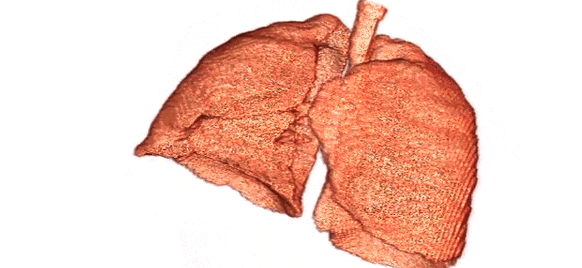
Berkeley Lab data scientist Daniela Ushizima is exploring whether image recognition algorithms and a data analysis pipeline can help accurately distinguish COVID-19 abnormalities in CT scans and chest X-rays from other overlapping respiratory illnesses. https://cs.lbl.gov/news-media/news/2020/can-ct-scans-be-used-to-quickly-and-accurately-diagnose-covid-19/
A Scalable Platform for Two-Dimensional Metals
Using a new method for stabilizing a 2D metal on a large-area platform, researchers probed the origins of the material’s superconductivity. The work represents a notable milestone in advancing 2D materials toward broad applications in topological computing, advanced optics, and molecular sensing. https://als.lbl.gov/a-scalable-platform-for-two-dimensional-metals/