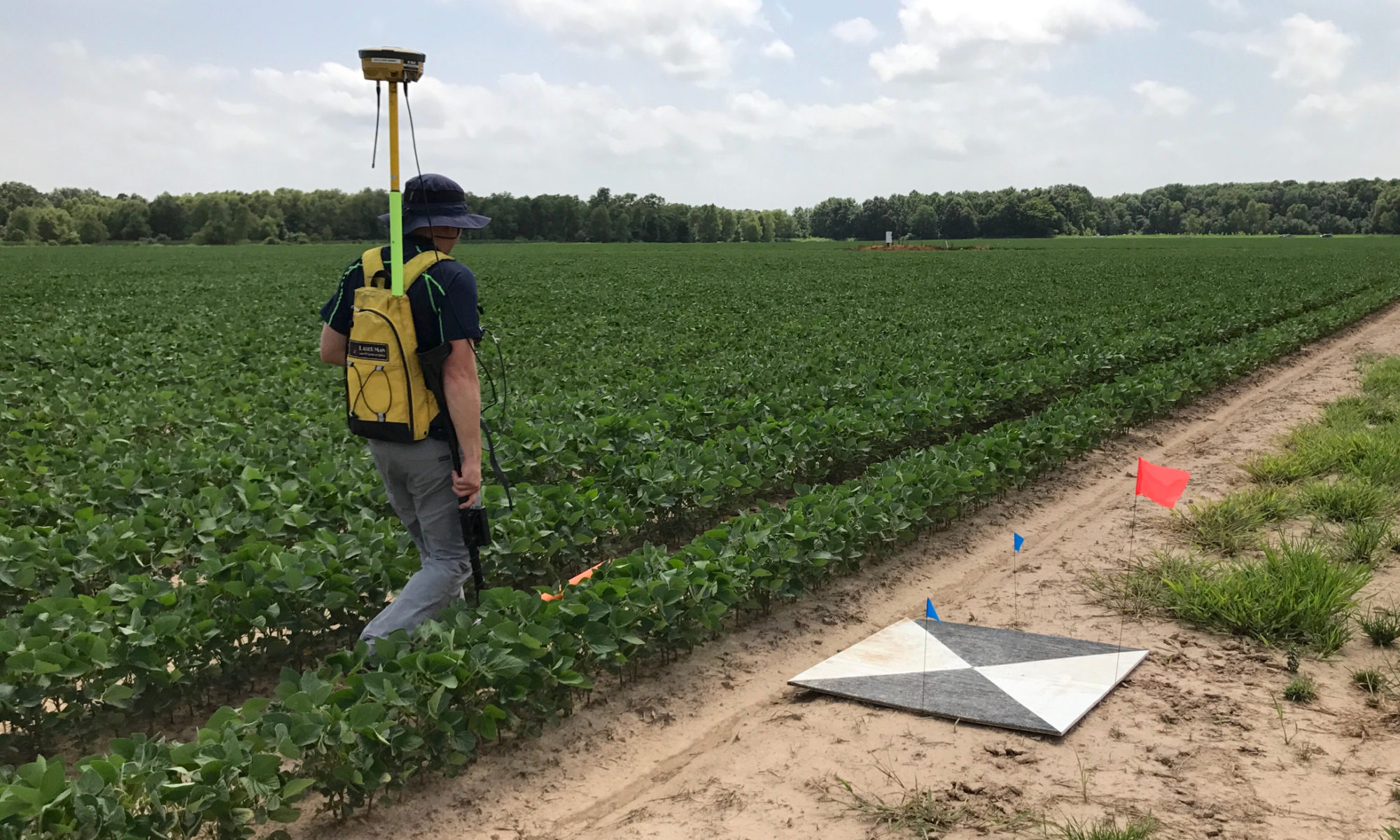
A new set of projects at the Lab could make agriculture both more sustainable and more profitable. The projects at BSE and EESA leverage the Lab’s strengths in artificial intelligence, sensors, and ecological biology. https://newscenter.lbl.gov/2020/06/02/smart-farms-of-the-future-making-bioenergy-crops-more-environmentally-friendly/
Telescope Instrument Poised to Begin Search for Dark Energy Answers
Even as the Dark Energy Spectroscopic Instrument (DESI) lies dormant on a mountaintop in Arizona due to the COVID-19 pandemic, the project has made progress, reaching the final approval milestone prior to startup. The Lab is the lead institution in the project, with Michael Levi as its director. https://newscenter.lbl.gov/2020/06/01/now-complete-telescope-instrument-is-poised-to-begin-its-search-for-answers-about-dark-energy
Daya Bay Reactor Experiment Continues to Generate Data
The Daya Bay reactor neutrino experiment in China has continued to pump data to remote supercomputers for analyses during the pandemic. Berkeley Lab’s Kam-Biu Luk leads U.S. participation in the international physics collaboration, which has already contributed new findings about neutrinos. https://newscenter.lbl.gov/2020/05/29/daya-bay-reactor-experiment-continues-to-generate-data/
2 MSD Scientists, Visiting Scientist Awarded Moore Foundation Grants
The Moore Foundation has awarded Alessandra Lanzara, Joseph Orenstein, and M. Zahid Hassan (visiting faculty scientist) of the Materials Sciences Division $1.6 million each over the next five years to investigate quantum materials as part of its Emergent Phenomena in Quantum Systems Initiative. https://www.moore.org/article-detail?newsUrlName=new-awards-to-enable-experimental-leaps-in-quantum-materials
ATAP, BSE Researchers Study Viruses in Droplets
ATAP and BSE researchers are working together to develop a platform and experiments to study the structure and components of viruses like the one causing COVID-19, and to learn how viruses interact with their surrounding environment. https://newscenter.lbl.gov/2020/05/28/laser-biosciences-researchers-combine-efforts-to-study-viruses-in-droplets/
Study Leads to Firmer Grasp of Biochemical ‘Reactive Handle’
By tweaking bacterial enzymes, bioengineers can modify the chemicals that bacteria naturally produce. At the ALS, researchers gained crucial information about a “reactive handle”—a particularly reactive group of molecules—that enables refinements in a wide range of polymers produced by bacteria. https://als.lbl.gov/study-leads-to-firmer-grasp-of-biochemical-reactive-handle/
Videos Help ABPDU Users Continue Work During Shutdown
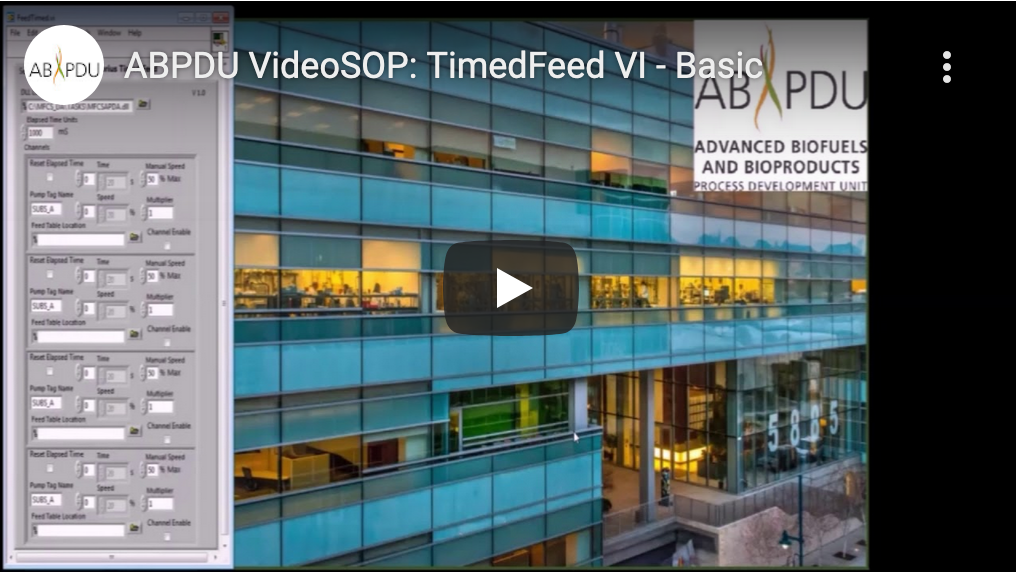
Though the ABPDU facility is not at full operation, staff there continue to develop tools for its users and collaborators. They recently developed educational videos on their custom-built software that enables the design of fermentation processes for the production of bioproducts and biofuels. https://abpdu.lbl.gov/about-us/resources/
Forbes Highlights Lab’s COVID-19 Machine Learning Project
The EESA project to estimate the seasonal impacts of COVID-19 through machine learning garnered a nice mention in Forbes. The project team notes that “temperature, humidity, and UV index have all been statistically associated with rates of COVID-19 transmission.” https://www.forbes.com/sites/benkerschberg/2020/05/22/4-best-technology-articles-you-should-read-today/#33c5ada160df
MSD’s Ceder Is Lithium-ion Battery Researcher to Watch
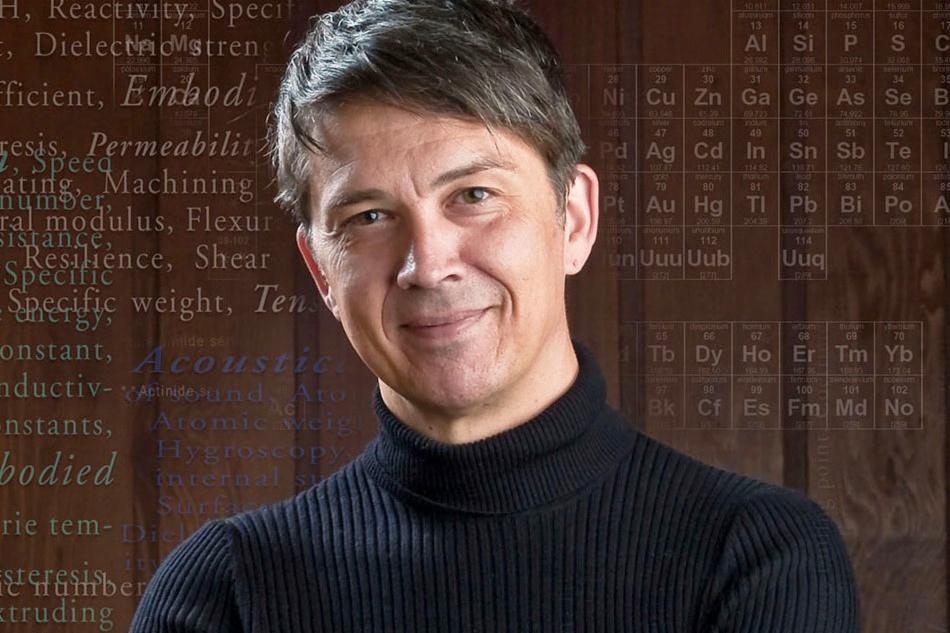
Research Interfaces has named the Materials Sciences Division’s Gerd Ceder one of its 10 Lithium-ion Battery Researchers to Watch. Ceder was selected for his approach to materials discovery through computational science. https://researchinterfaces.com/10-lithium-ion-battery-researchers-to-watch/
LUX-ZEPLIN Dark Matter Search Ramps Back Up
An underground research site in South Dakota, home to a dark matter search project, has begun a transition toward increased operations. https://newscenter.lbl.gov/2020/05/26/site-of-lux-zeplin-dark-matter-search-project-carefully-ramps-up-science-work/