A $1.85 million grant from the California Energy Commission’s Electric Program Investment Charge Program (EPIC) was recently awarded to ETA researchers to work with industry partners to install energy-saving, thin-glass, triple-pane windows in low-income communities in California. https://buildings.lbl.gov/news/article/high-performance-windows-benefit-low
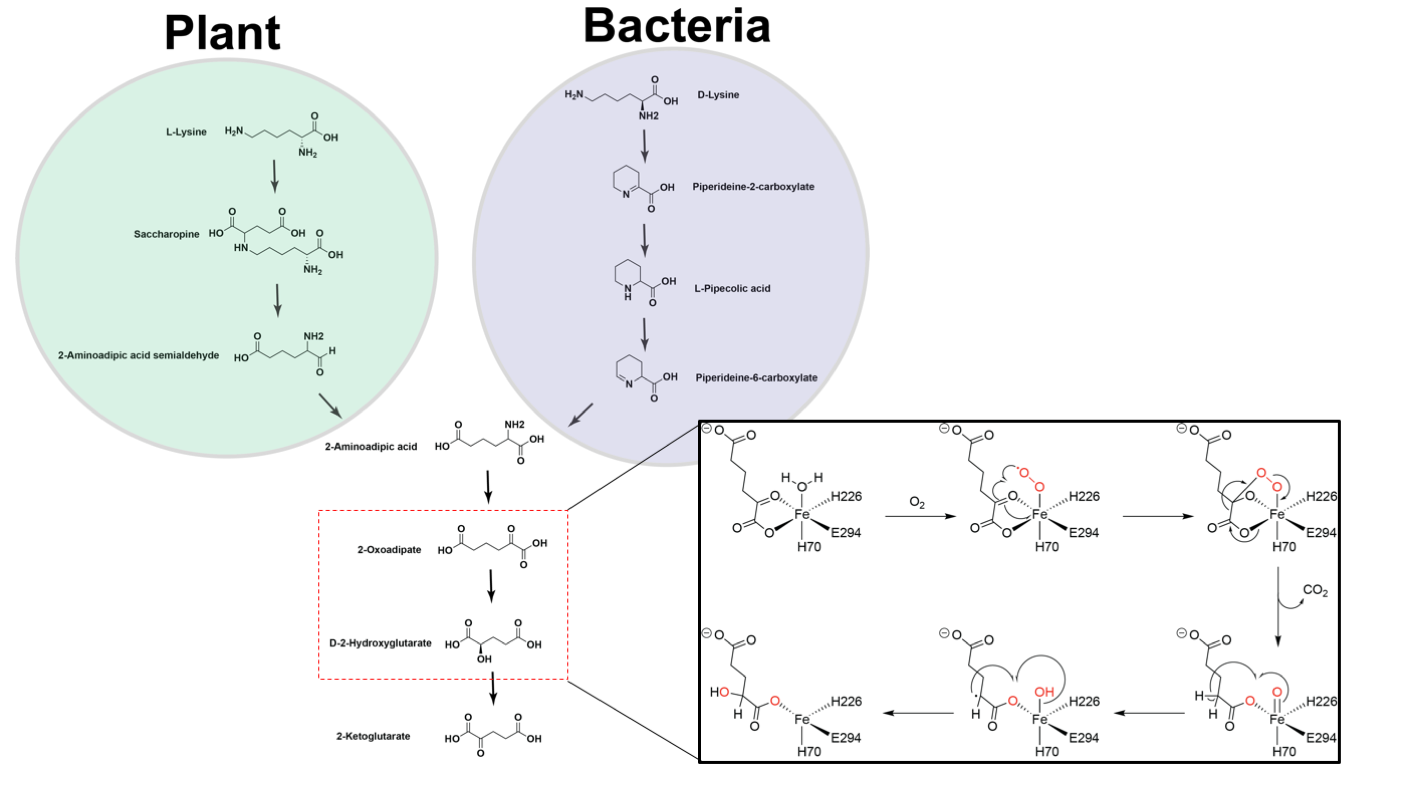
Missing Step of Important Molecular Process Found
Researchers at the Joint BioEnergy Institute reveal the final step of the biochemical process that breaks down lysine, an important amino acid that must be supplied in our diets. https://www.jbei.org/finding-the-missing-step-of-an-important-molecular-process/
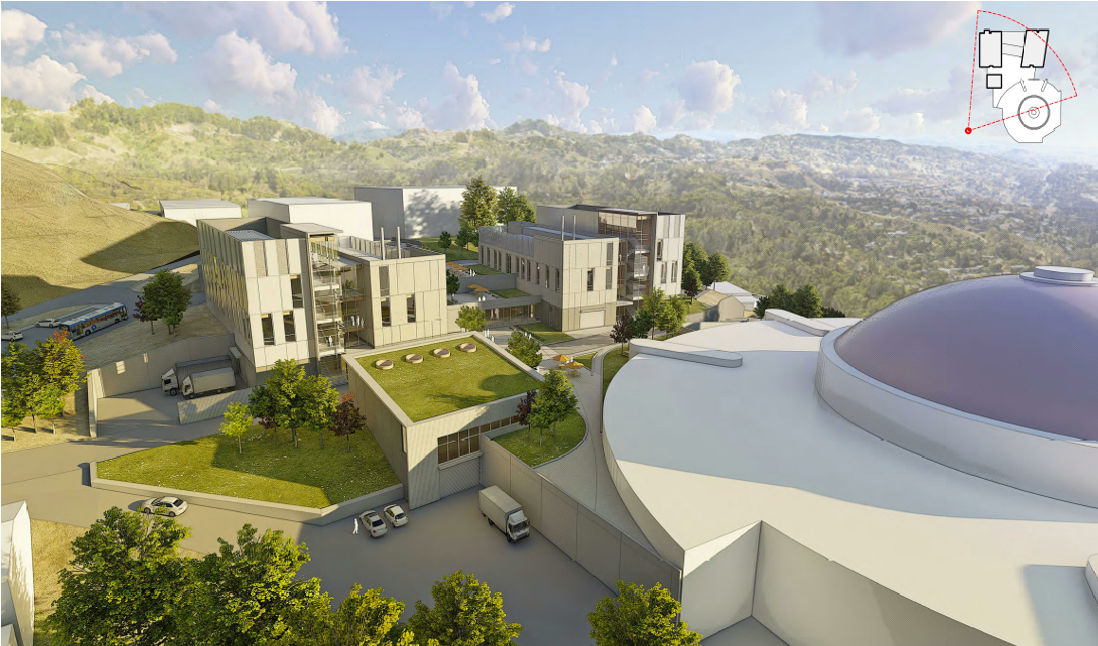
Town Hall Today on Lab’s Energy Sciences Future
On June 30, 1 to 2 p.m., the Energy Sciences Area invites the Lab community to learn about opportunities for proposing new multidisciplinary materials and chemistry buildings at the Charter Hill site (formerly Old Town). Join in and offer input to help develop the science vision for this project. https://docs.google.com/forms/d/e/1FAIpQLSfV2PaUluZr7KUfFnSffjJpzaz04r3trTV1HWo2lOQiyXObxw/viewform
Unexpected Rise in Ferroelectricity as Material Thins
Research at the ALS and Molecular Foundry showed that distortions in the structure of hafnium oxide surprisingly lead to enhanced ferroelectricity (reversible electric polarization) as it gets thinner (down to 1 nanometer). The work opens the door to novel ultrasmall, energy-efficient electronics. https://als.lbl.gov/unexpected-rise-in-ferroelectricity-as-material-thins/
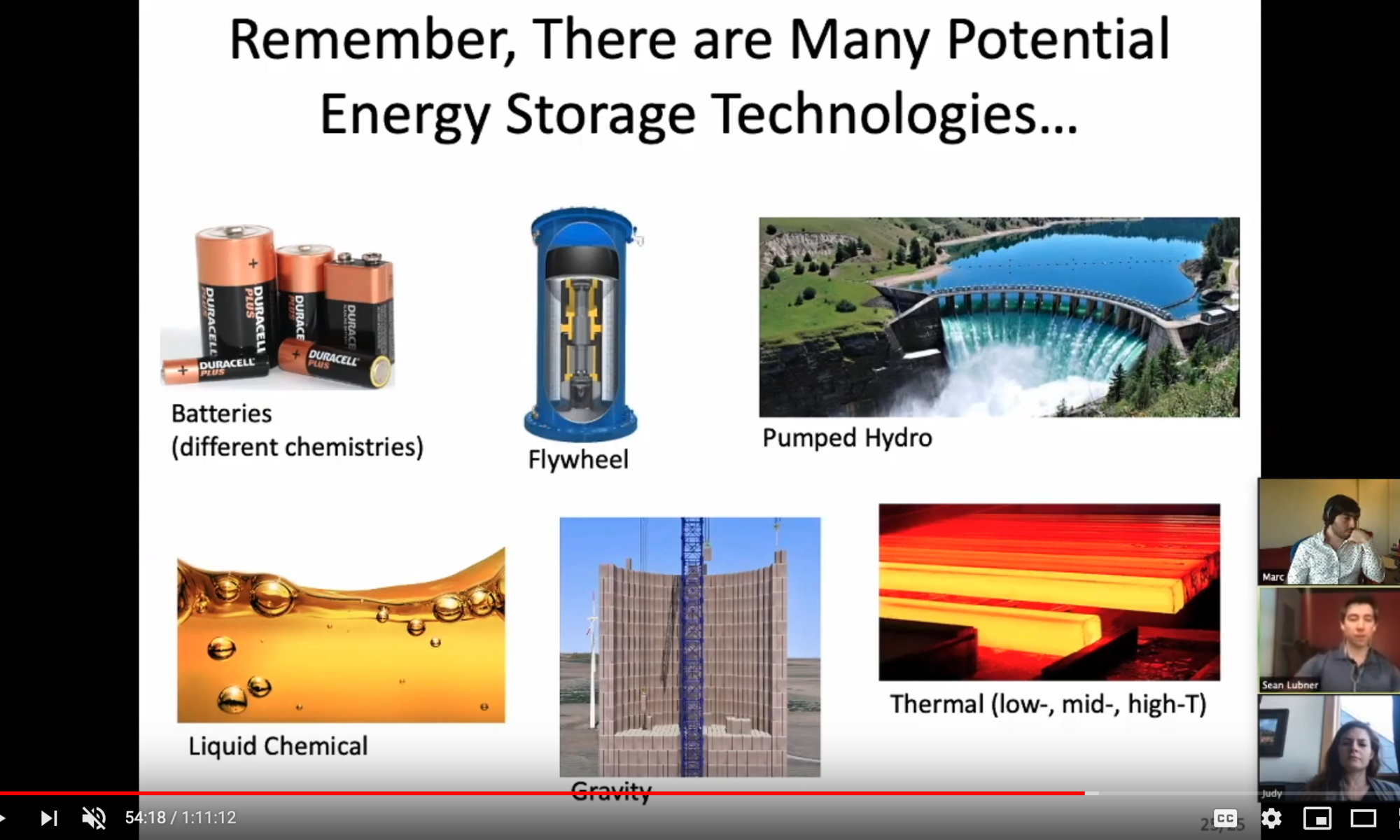
ETA’s Sean Lubner Discusses Need for Energy Storage
In a recent episode of ThinksWithTwitch, Sean Lubner (ETA) discusses the need for better energy storage to enable a future switch to all-renewable energy. The discussion covers economics and grid-management considerations and highlights Lab research on batteries and thermal energy storage. https://www.youtube.com/watch?v=SYBHHEr75OY
Scientists Use Light to Control Electron Spin
A team of scientists led by Berkeley Lab and UC Berkeley has demonstrated a powerful new technique that uses light to measure how electrons move and interact within 2D materials. Their finding could lead to new approaches for quantum devices. https://newscenter.lbl.gov/2020/06/26/electron-dance-2d-materials/
Pledge Seeks to End Use of Insensitive Science Term
Maurice Garcia-Sciveres of the Physical Sciences Area has started an online pledge to eliminate the term “master and slave,” which is often included in electronics and technical documents. Those who sign the pledge agree to use alternate terminology in their communications. https://sites.google.com/view/mspledge/?fbclid=IwAR3WSRGMNp3fup9yUAb9ZdElXqJUbv0ozdKhNkMkfAPxEpJem1JiVCAFYPk
DOE Fund for PIs to Provide Tech Support for COVID-19
DOE is providing limited funds to allow Lab researchers to provide short-term technical assistance to external parties in the fight against COVID-19. For details and to submit a proposal, click here. https://ipo.lbl.gov/berkeley-lab-accepting-proposals-for-covid-19-technical-assistance-program/
$4 Million NSF Grant for JETSCAPE Physics Study
The National Science Foundation grant to JETSCAPE will allow scientists to continue studying critical elements of Quark-Gluon Plasma. Berkeley Lab is one of 13 institutions collaborating on this study. Lab researchers include Xin-Nian Wang, Peter Jacobs, and Barbara Jacak. https://clas.wayne.edu/news/physics-jetscape-collaboration-receives-4-million-nsf-grant-renewal-39945
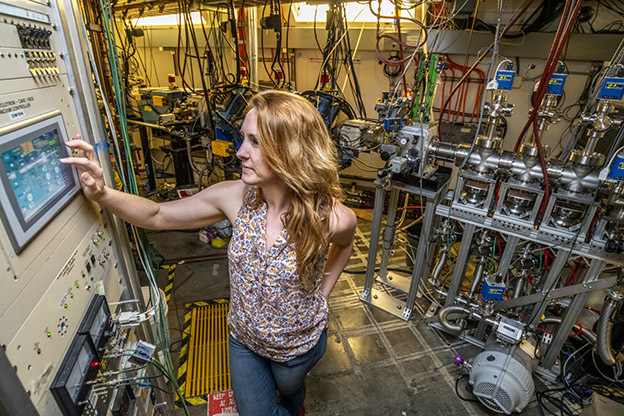
New Isotope Discovered: Mendelevium-244
A team of scientists working at Berkeley Lab’s 88-Inch Cyclotron has discovered a new form of the human-made element mendelevium. The newly created isotope, mendelevium-244, is the 17th and lightest form of the element, which was first discovered in 1955 by a Berkeley Lab team. https://newscenter.lbl.gov/2020/06/23/introducing-a-new-isotope-mendelevium-244