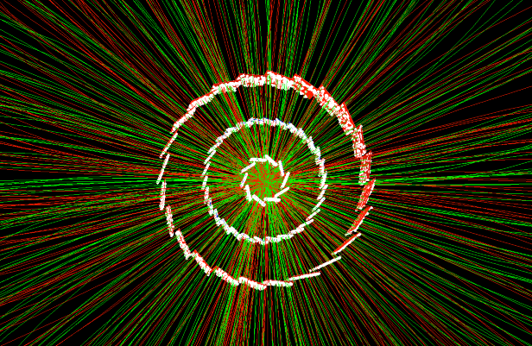
Berkeley Lab researchers led the analysis of particle collider data from Brookhaven Lab that provides new insight into how particles called quarks combine to form hadrons, which are essential in the makeup of ordinary matter. https://newscenter.lbl.gov/2020/07/15/charm-quarks-offer-clues-to-confinement
Finding COVID Clues in Existing Data
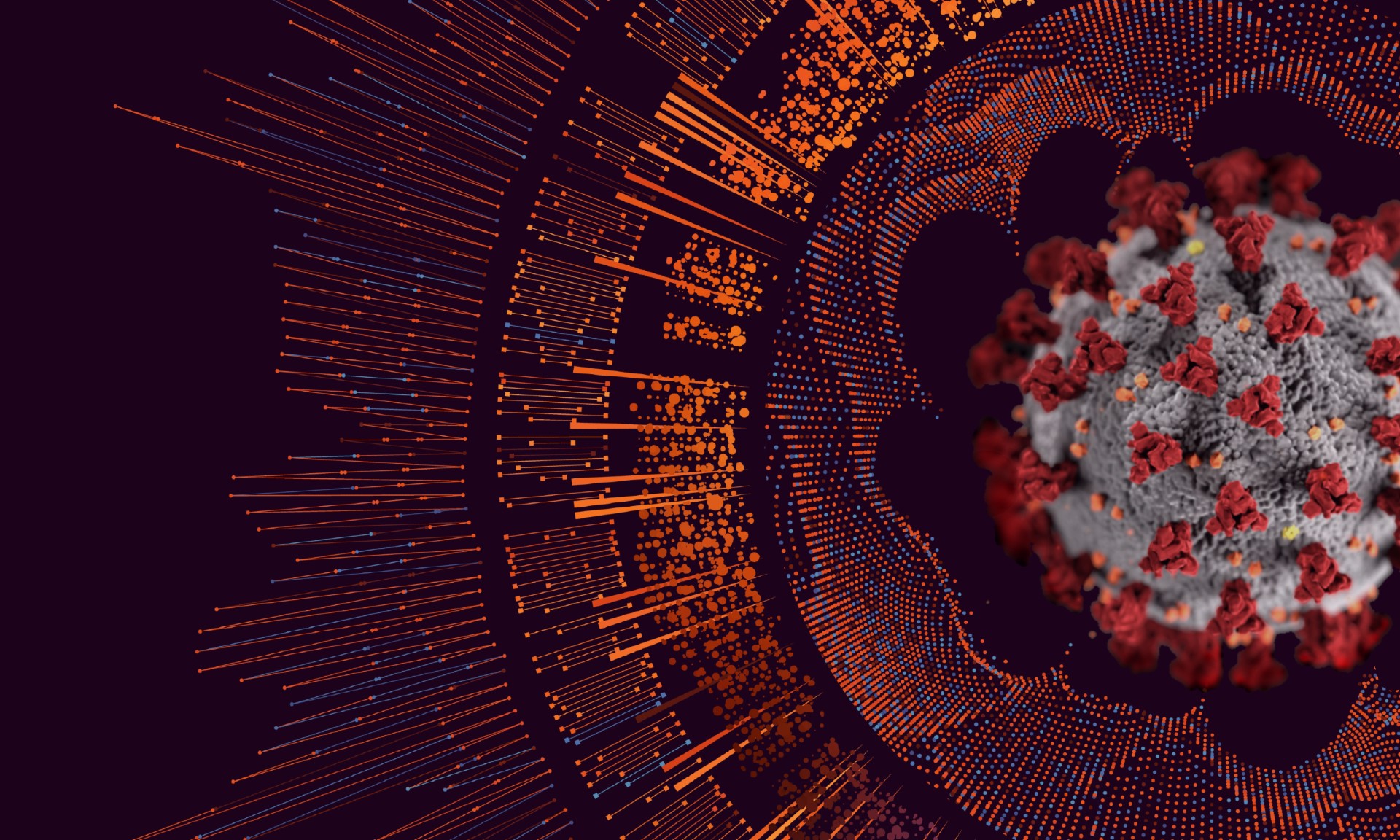
Researchers around the world have amassed tons of info about COVID-19, and learn more every day. Now, Berkeley Lab experts are developing a platform that puts all this valuable knowledge in one place and leverages machine learning to make new discoveries. https://newscenter.lbl.gov/2020/07/15/treatments-in-covid-19-data/
DOE Provides Funding for New Biomanufacturing Projects
The DOE’s Agile BioFoundry has announced eight new projects with industry and academic partners. These projects will leverage national laboratory capabilities to address challenges in the field of biomanufacturing. Berkeley Lab is among the partners forming the Agile BioFoundry. https://agilebiofoundry.org/agile-biofoundry-selects-new-projects-to-accelerate-biomanufacturing/
Data Confirmed for ‘Neutrinoless’ Process Experiment
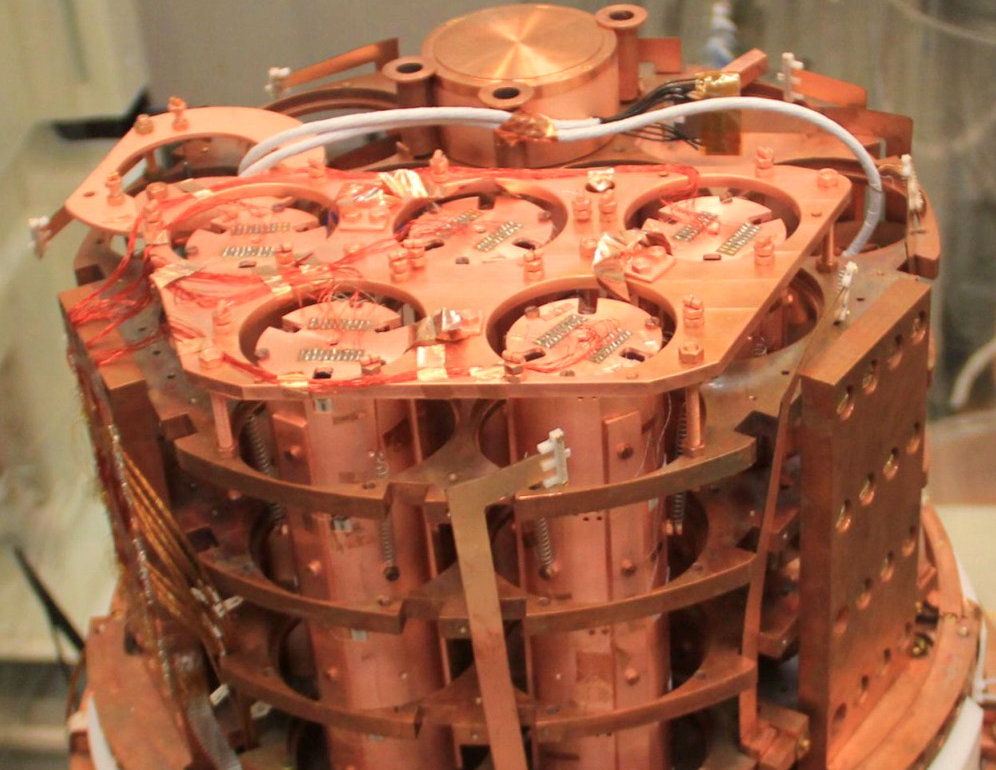
Nuclear physicists affiliated with Berkeley Lab played a leading role in analyzing data for a demonstration experiment in France that has achieved record precision for a specialized detector material. https://newscenter.lbl.gov/2020/07/13/scientists-successfully-demonstrate-a-new-experiment-in-the-search-for-theorized-neutrinoless-process
Researchers Discover Ferroelectricity at the Atomic Scale
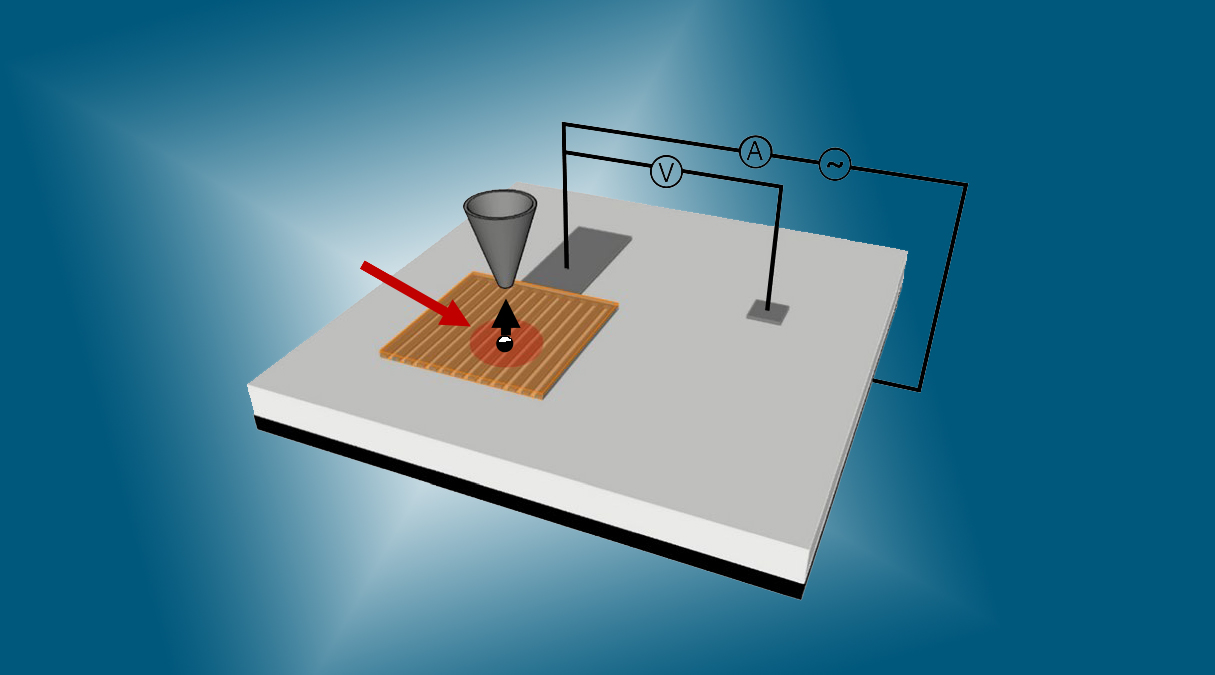
A Berkeley Lab-led research team grew onto silicon an ultrathin material that demonstrates ferroelectricity. The finding could lead to the creation of more advanced batteries and sensors. But the work is especially relevant to next-generation low-power microelectronics. https://newscenter.lbl.gov/2020/07/01/ultrafine-ferroelectricity/
The Bottleneck Step of a Complex Catalytic Reaction
With the help of data obtained at the ALS, researchers identified the rate-limiting step of an important catalytic reaction. The work lays the foundation for improving the efficiency of energy conversion and storage devices such as fuel cells, catalytic reactors, and batteries. https://als.lbl.gov/the-bottleneck-step-of-a-complex-catalytic-reaction/
New Tools Unlock Complex Plant Engineering
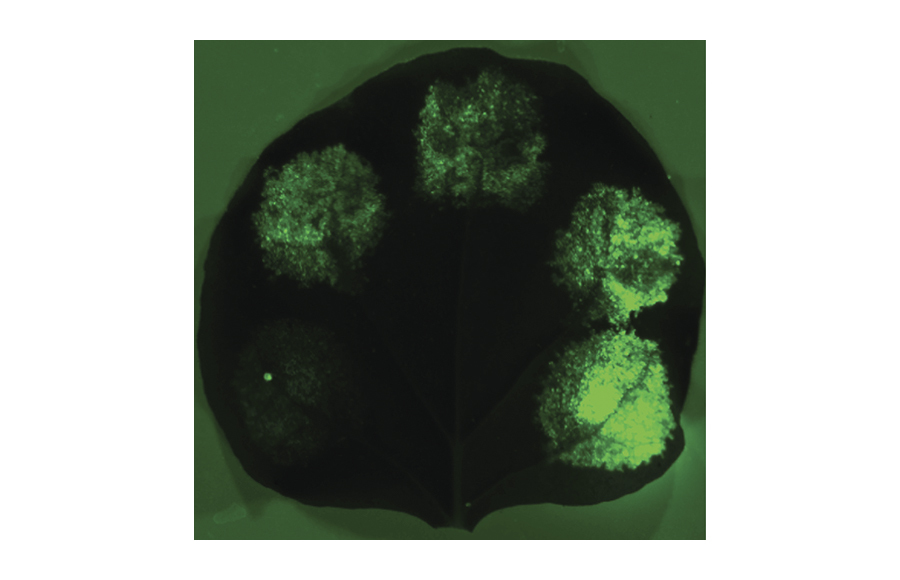
The ability to genetically engineer plants is key for creating sustainable agriculture and renewable energy, but the methods currently used to engineer plants are limited. Researchers at JBEI have developed a new set of synthetic biology tools that could unlock advanced plant engineering. https://newscenter.lbl.gov/2020/07/01/synthetic-biology-tools-plants/
Scientists Dive Deep Into Hidden World of Quantum States
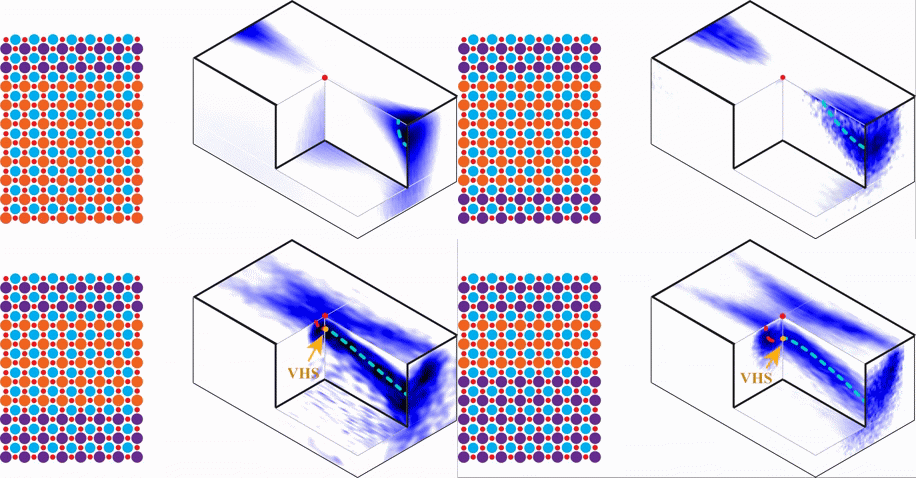
A Berkeley Lab-led research team’s surprising discovery could lead to new electronic materials that surpass the limitations imposed by Moore’s Law, which predicted in 1975 that the number of transistors packed into a silicon computer chip would double every two years. https://newscenter.lbl.gov/2020/07/08/hidden-world-of-quantum-states/
Scaling Up Science During a World-Sized Emergency
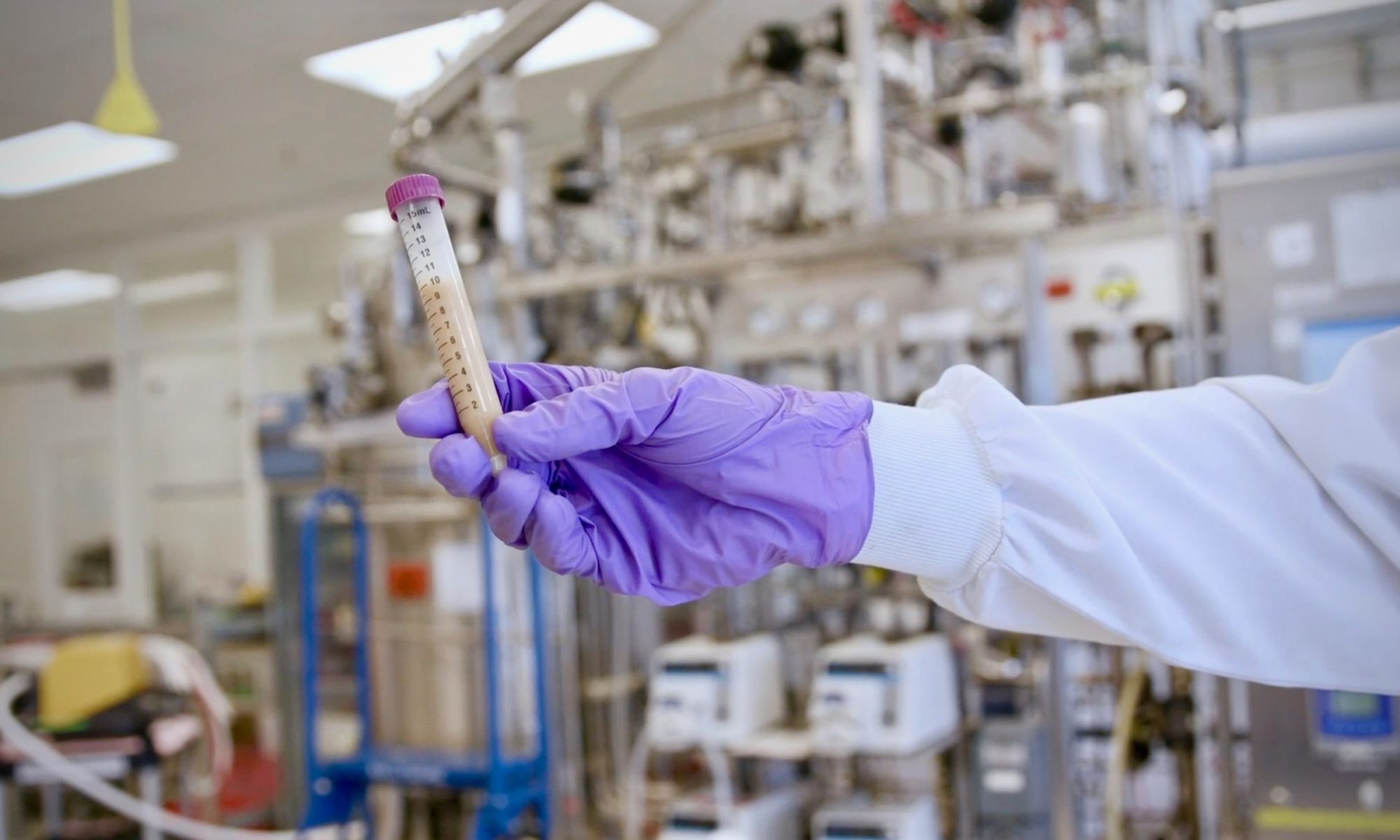
The scientific community has developed promising tests and treatments for COVID-19 in just a few months, but quickly moving them from conception to deployment presents many hurdles. Learn how one Lab facility is helping two companies scale-up production of technologies that could end the pandemic. https://newscenter.lbl.gov/2020/07/07/scaling-up-covid19-science/
Study Gains New Insight Into Bacterial DNA Packing
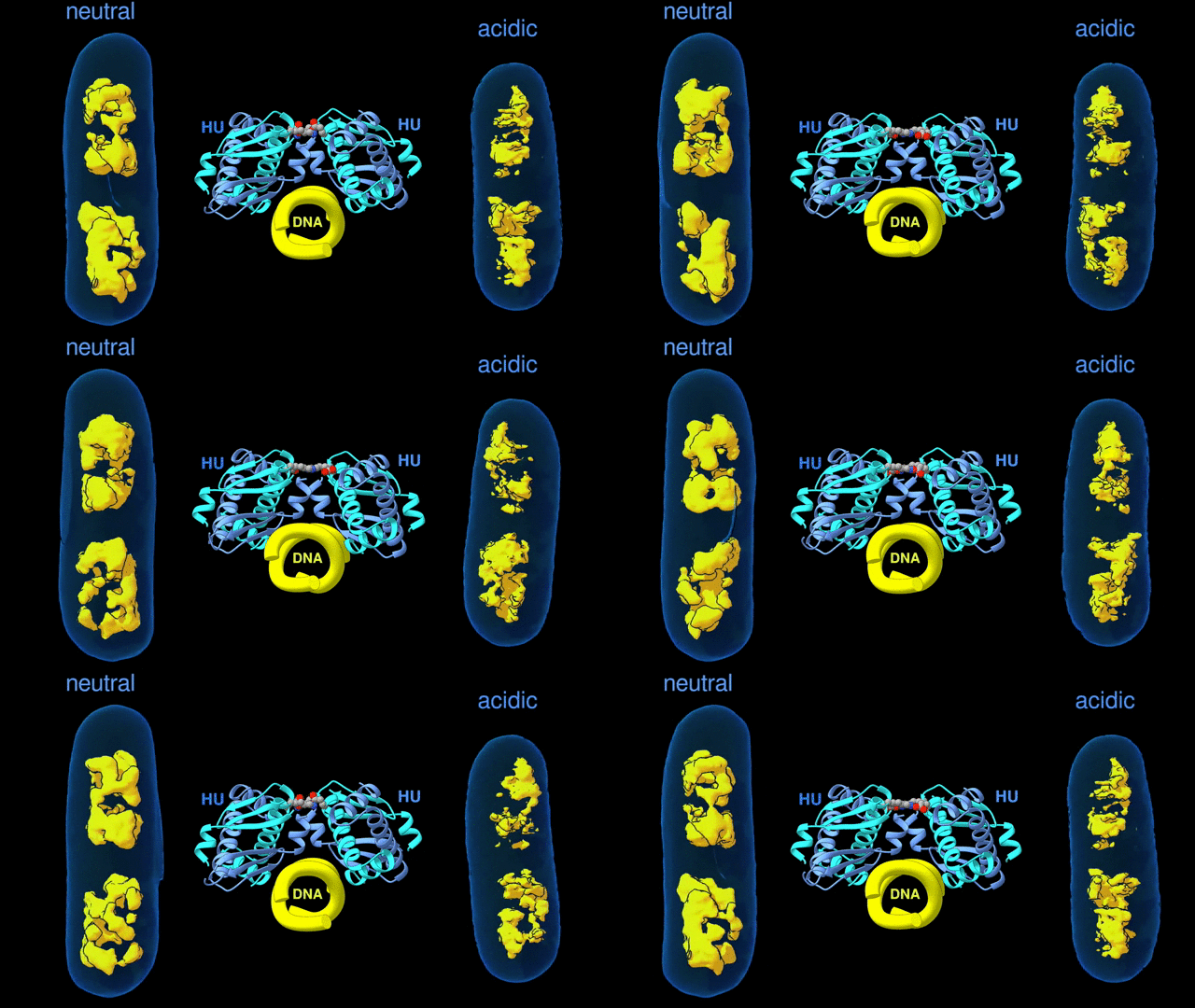
Using advanced imaging techniques, a Berkeley Lab-led team has captured at the molecular level how genes adapt when put into different environments. This discovery could eventually enable scientists to develop strategies to control microbial behavior. https://newscenter.lbl.gov/2020/07/01/study-gains-new-insight-into-bacterial-dna-packing/