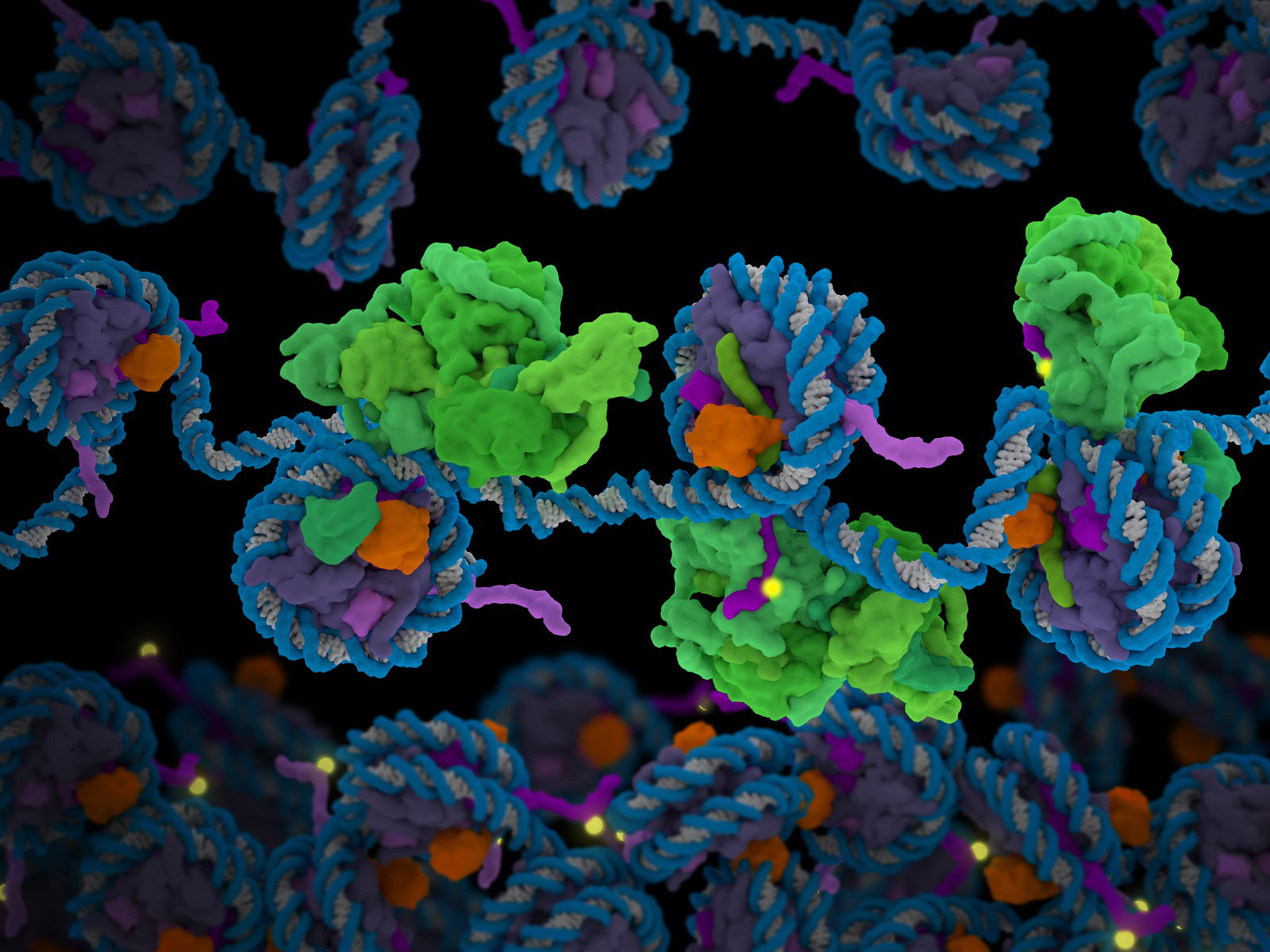
A team of researchers led by Biosciences’ Eva Nogales uncovered the molecular basis for recruitment of polycomb repressive complex 2 to certain locations of the genome and the regulation of its activity to prevent genes from being read by the cellular machinery that decodes genetic information. https://biosciences.lbl.gov/2021/01/28/new-insights-into-a-gene-silencing-complex/
Measuring the Milky Way’s Dark Side
Just like the expansion of the universe is accelerating, stars are experiencing an acceleration due to dark matter and stellar density. Researchers using NERSC supercomputers have made the first direct measurement of the average acceleration taking place within our home galaxy, the Milky Way. https://cs.lbl.gov/news-media/news/2021/measurements-of-pulsar-accelerations-reveal-milky-ways-dark-side/
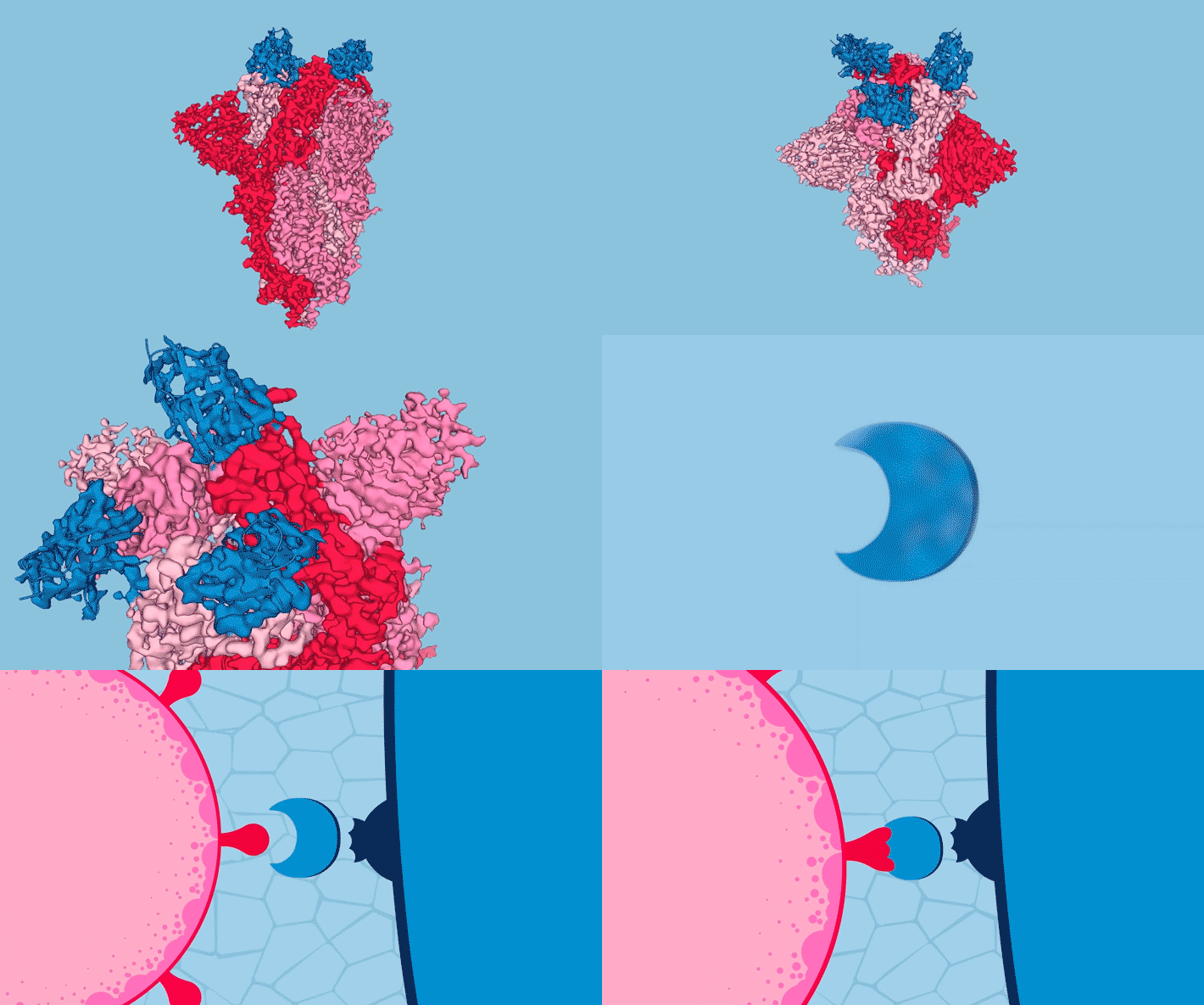
Inhalable COVID-19 Protection via Synthetic Nanobodies
Protein structures obtained in part at the ALS helped researchers increase the potency of simplified antibodies (nanobodies) to neutralize SARS-CoV-2. Stable enough to be used in inhalers or nasal sprays, the nanobodies offer a new option for COVID-19 prevention and treatment. https://als.lbl.gov/inhalable-covid-19-protection-via-synthetic-nanobodies/
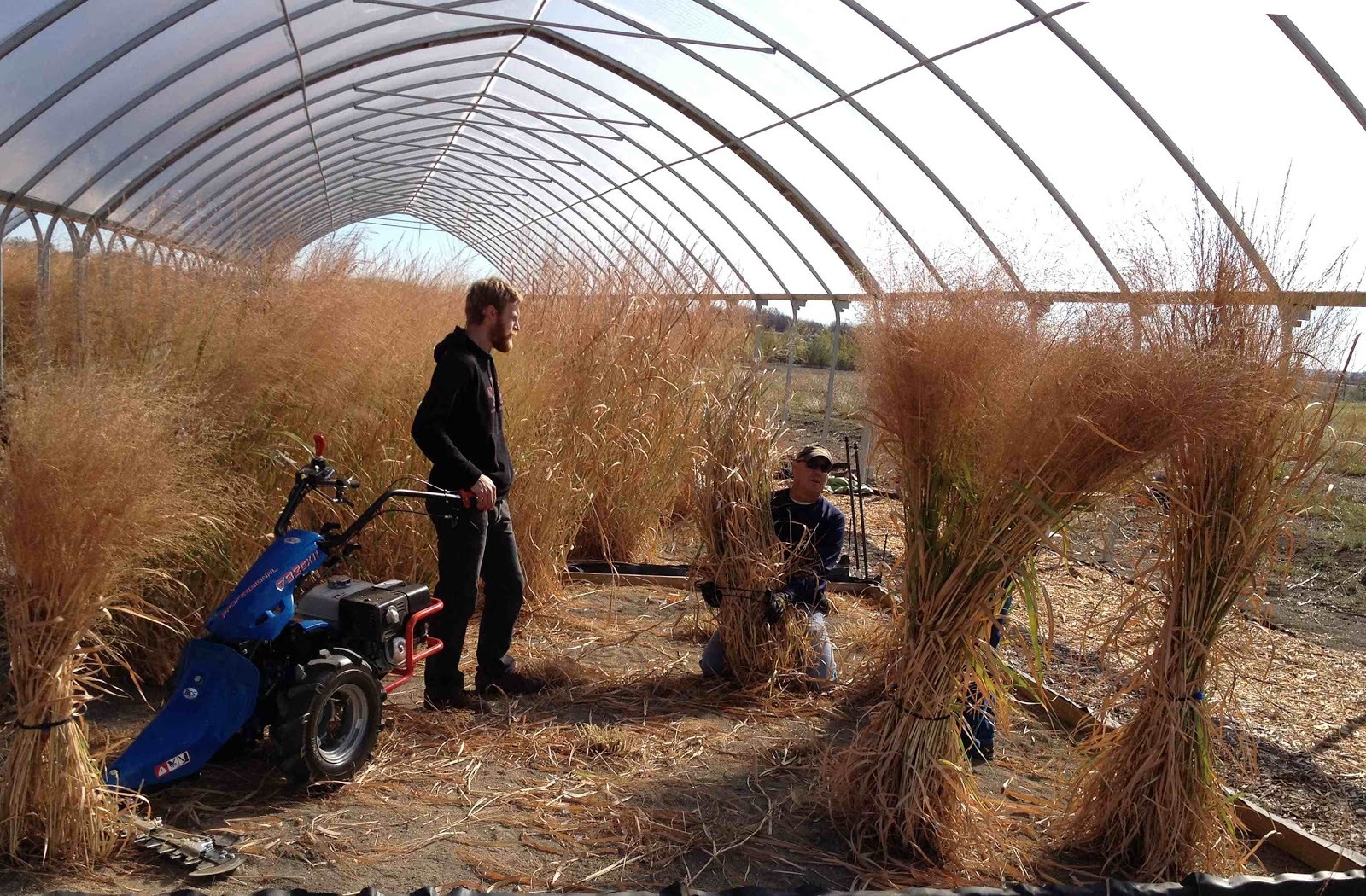
JGI, JBEI Team Up on Switchgrass Genome
A team including JGI researchers has produced a high-quality reference sequence of the complex switchgrass genome. Building off this work, researchers at JBEI and other DOE Bioenergy Research Centers are exploring improvements to switchgrass through more targeted genome editing techniques. https://jgi.doe.gov/fields-of-breeders-dreams-switchgrass-team-effort-targeted-crop-improvements/
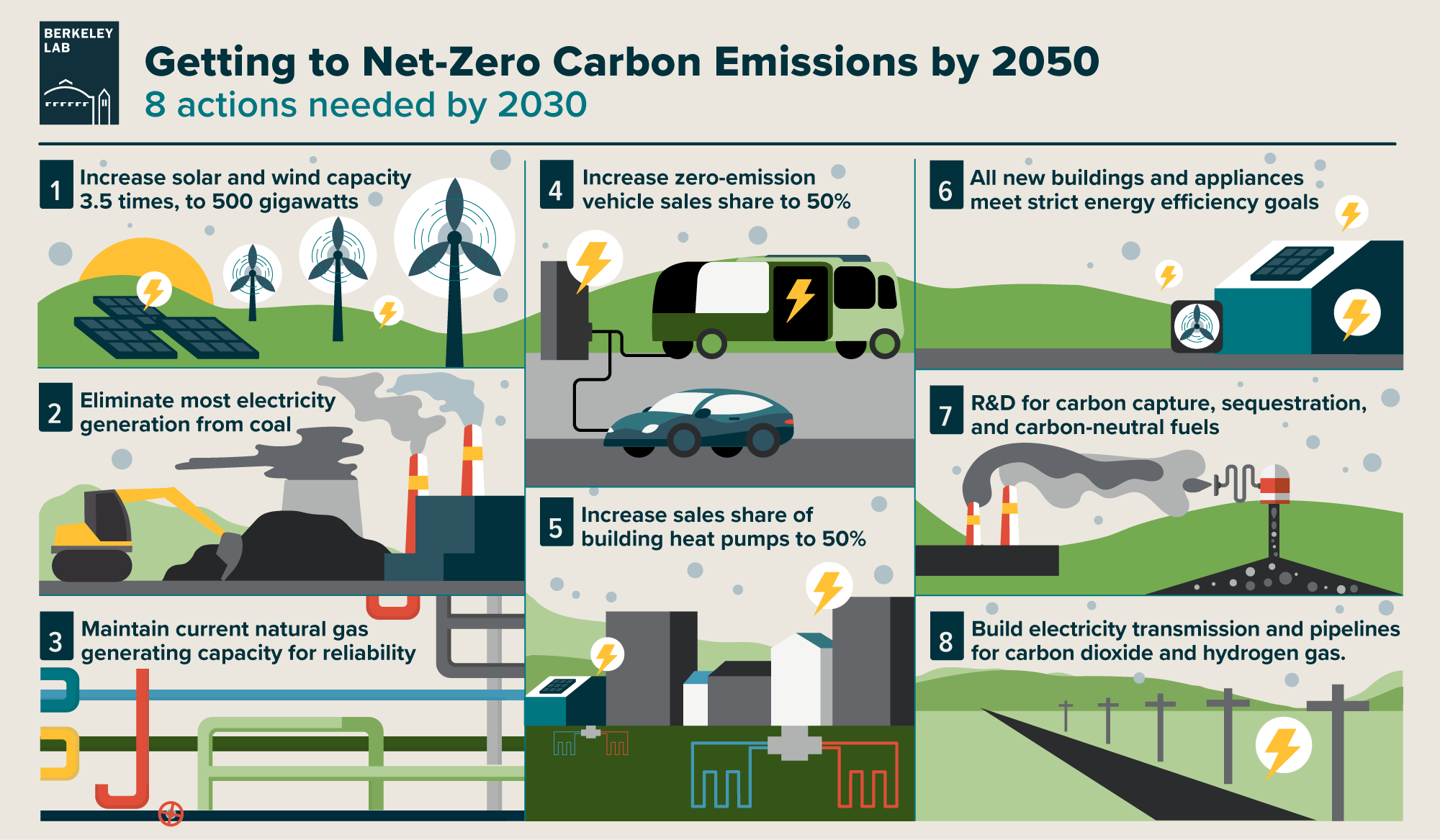
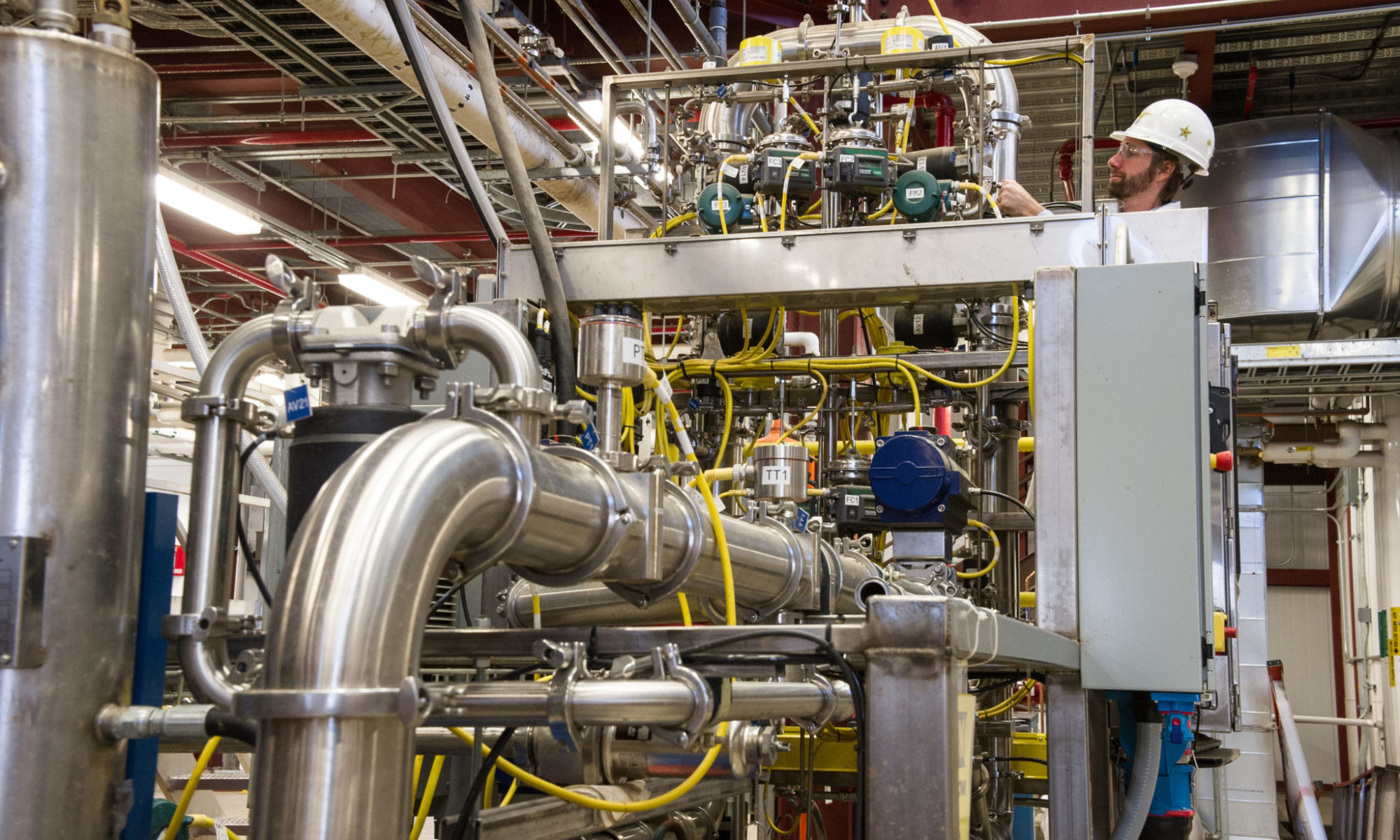
Getting to Net Zero: Surprisingly Feasible, Affordable
According to new research, reaching zero net emissions of carbon dioxide from energy and industry by 2050 can be accomplished by rebuilding U.S. energy infrastructure to run primarily on renewable energy, at a net cost of about $1 per person per day. https://newscenter.lbl.gov/2021/01/27/getting-to-net-zero-and-even-net-negative-is-surprisingly-feasible-and-affordable/
Foundry From Home’ Podcast Launches
The Molecular Foundry has launched a podcast, “Foundry from Home,” to highlight developments in remote, virtual, and physically distanced user access to the Foundry. In each 10-minute or so episode, the Foundry staff shares the latest user access innovations during the COVID-19 pandemic and beyond. https://foundry.lbl.gov/2021/01/19/foundry-from-home-ncem/
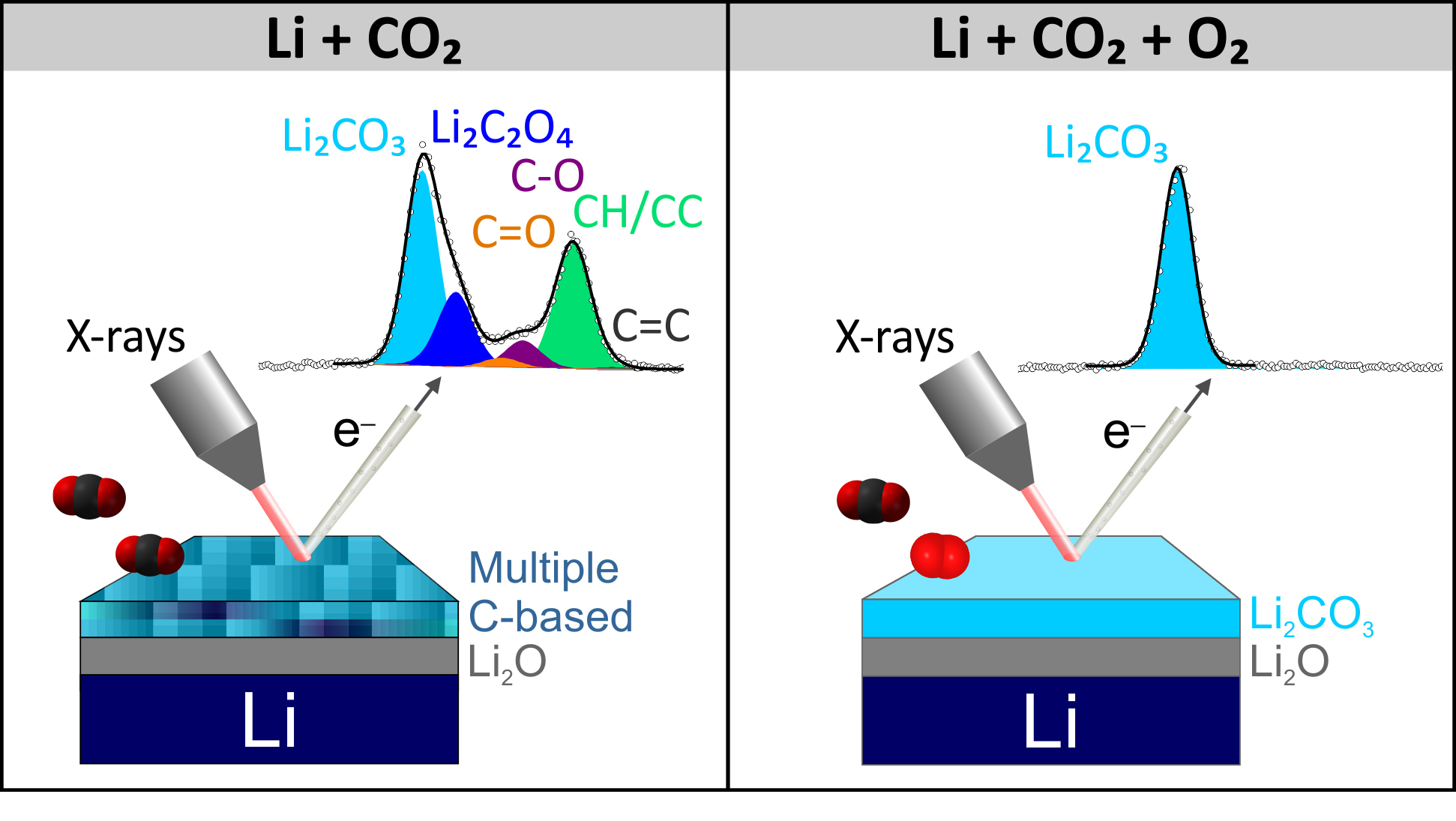
New Insights on Next-Gen Batteries Gleaned at ALS
Work done at the Advanced Light Source has provided a better understanding of the interactions between metallic lithium and surrounding gases, information that will help design stabilization strategies for high-energy-density battery technologies based on lithium metal. https://als.lbl.gov/new-insights-into-lithium-metal-surface-reactions-for-next-generation-batteries
Agile BioFoundry Announces Funding Opportunity
The Agile BioFoundry is overseeing a Directed Funding Opportunity for industry and academic partners to utilize the consortium’s capabilities to address challenges in biomanufacturing. Lab researchers are invited to share this announcement with colleagues in industry and academia. https://agilebiofoundry.org/dfo-2021/
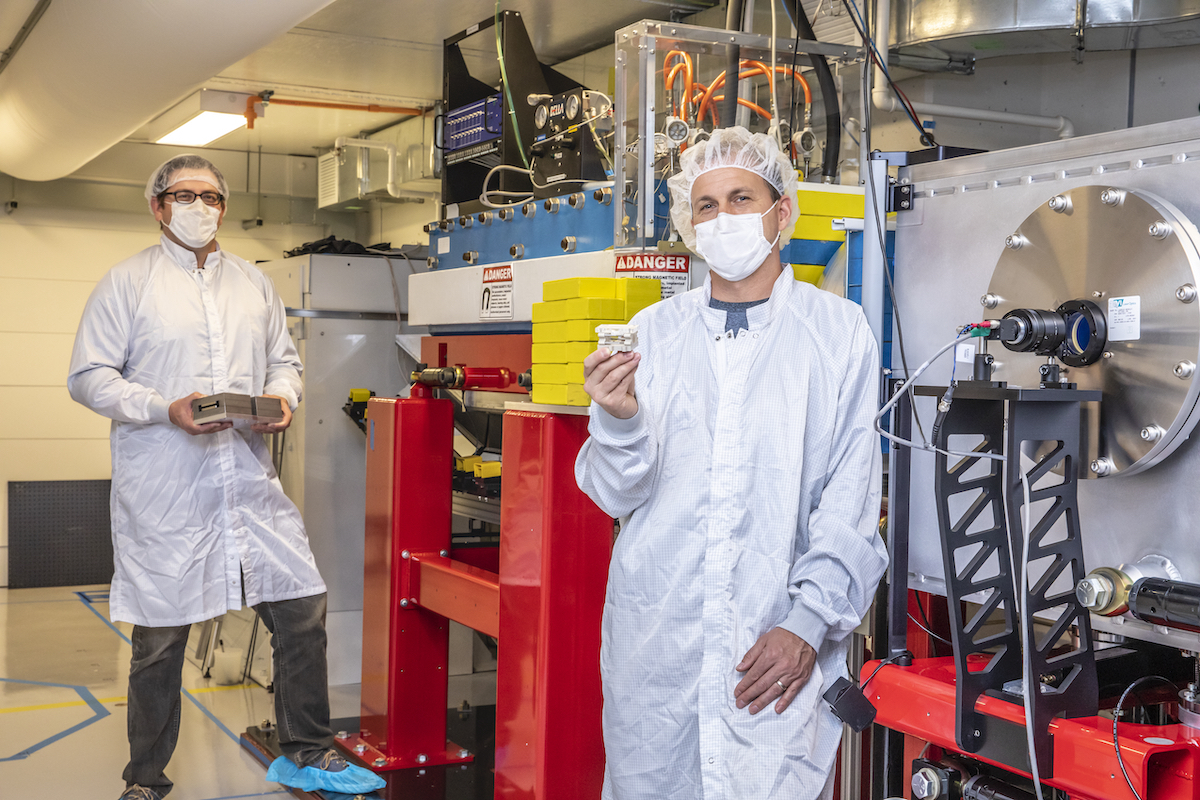
A New Way to Measure Record-Setting Electron Beams
A new, compact system has been successfully demonstrated at the Berkeley Lab Laser Accelerator (BELLA) Center to provide simultaneous high-resolution measurements of multiple electron-beam properties. https://newscenter.lbl.gov/2021/01/26/a-new-way-to-measure-record-setting-electron-beams/
Technique Boosts Understanding of Lithium Batteries
A study conducted by Energy Technologies Area researchers reveals a new dimension of the chemical composition inside lithium-ion batteries. It enables a new direction for engineering electrolyte systems that may allow the creation of next-generation batteries. https://newscenter.lbl.gov/2021/01/14/new-research-technique-sheds-light-on-least-understood-part-of-lithium-batteries/