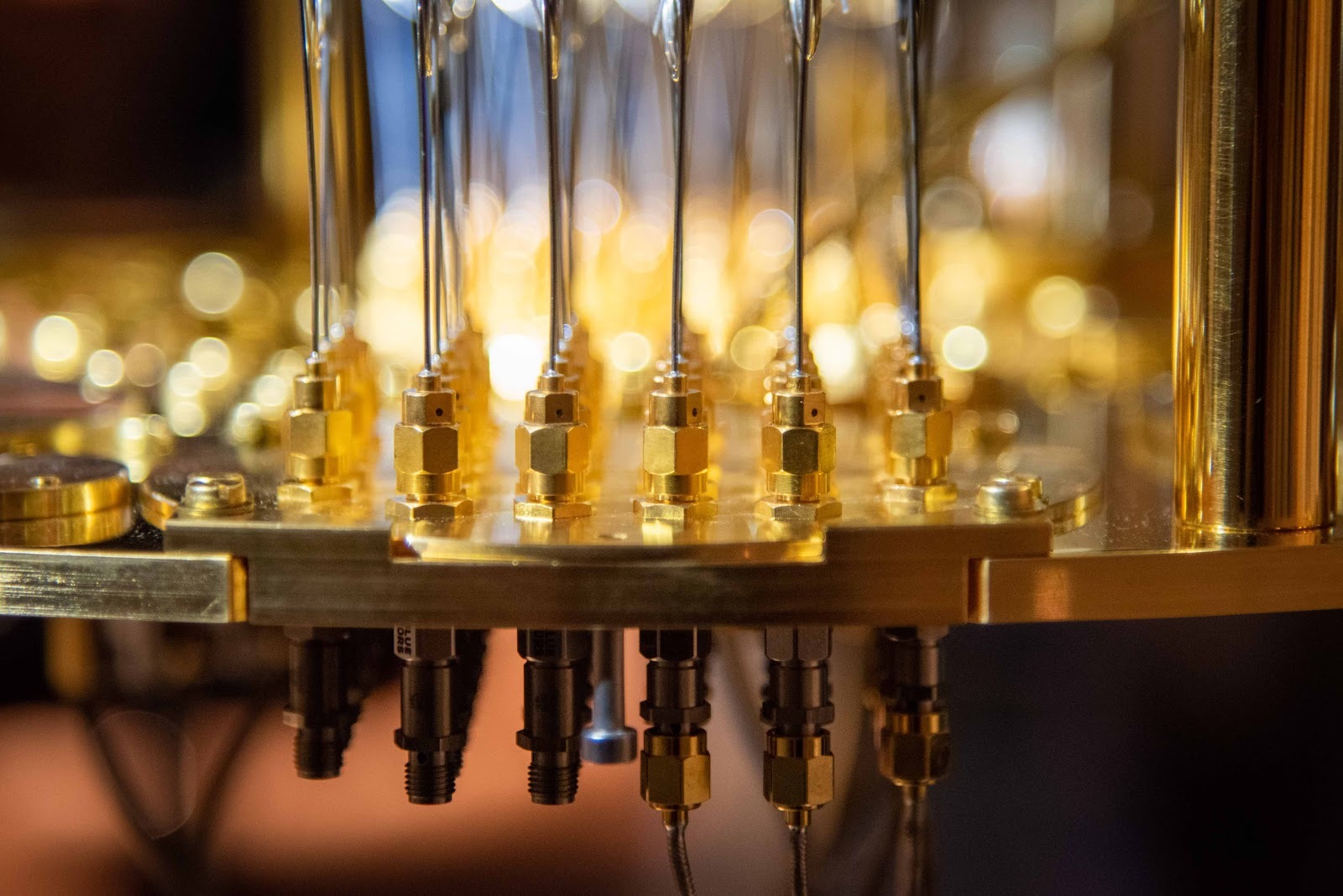
For more than a decade, physicists, engineers, materials scientists, and computer scientists at the Lab have been at the forefront of QIS research. These efforts recently took another step forward with establishing the Quantum Information Science and Technology (QuIST) group. http://bit.ly/QUISTcrd
Coupled Oscillators Topic of ‘Beyond Moore’s Law’ Talk
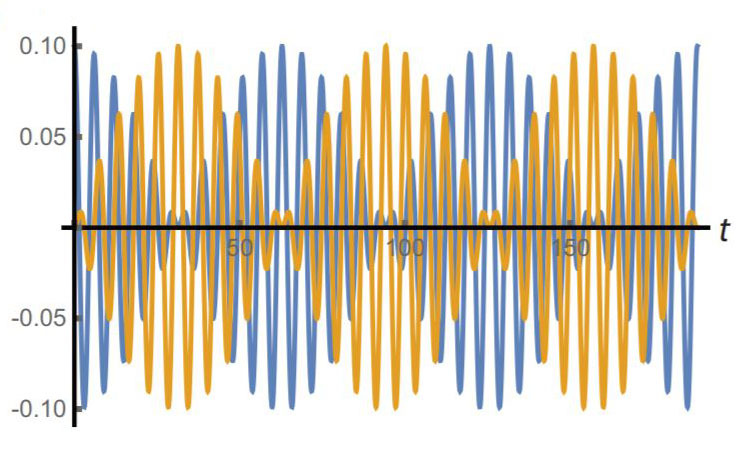
Intel’s Dmitri Nikonov will talk about coupled oscillators, a nascent radical approach to computing, at 1 p.m. on Friday, Jan. 29. Coupled oscillators are highly complex dynamical systems, part of the quest to develop BML electronic devices. https://calendar.google.com/event?action=TEMPLATE&tmeid=MWt0N29kYXYwM3NoMDQyMXMxOGRhb2g5Z2wgbGJsLmdvdl80czRycmcxMmw2ZXFnNm5jbWMya3QwdmNnZ0Bn&tmsrc=lbl.gov_4s4rrg12l6eqg6ncmc2kt0vcgg%40group.calendar.google.com
New Primer on Carbon Dioxide Removal
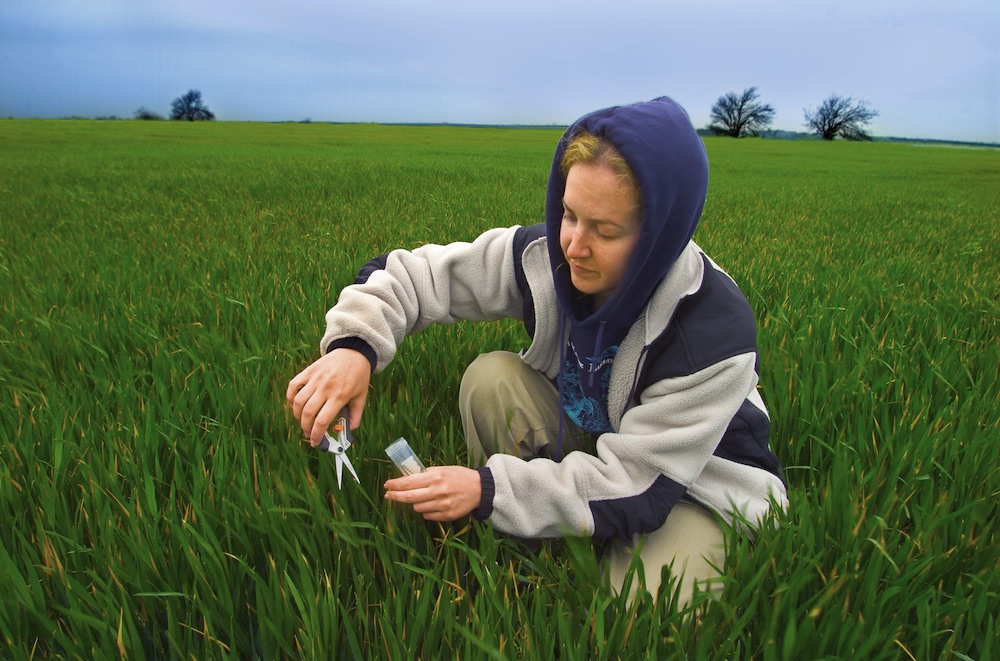
Scientists say any serious plan to address climate change should include carbon dioxide removal (CDR) technologies and policies, making a newly launched CDR Primer an especially vital resource, says EESA’s Margaret Torn, who is among the researchers who contributed to this document. https://newscenter.lbl.gov/2021/01/14/primer-on-carbon-dioxide-removal-provides-vital-resource-at-critical-time/
How to Find Mutated Sperm? Just Go FISH
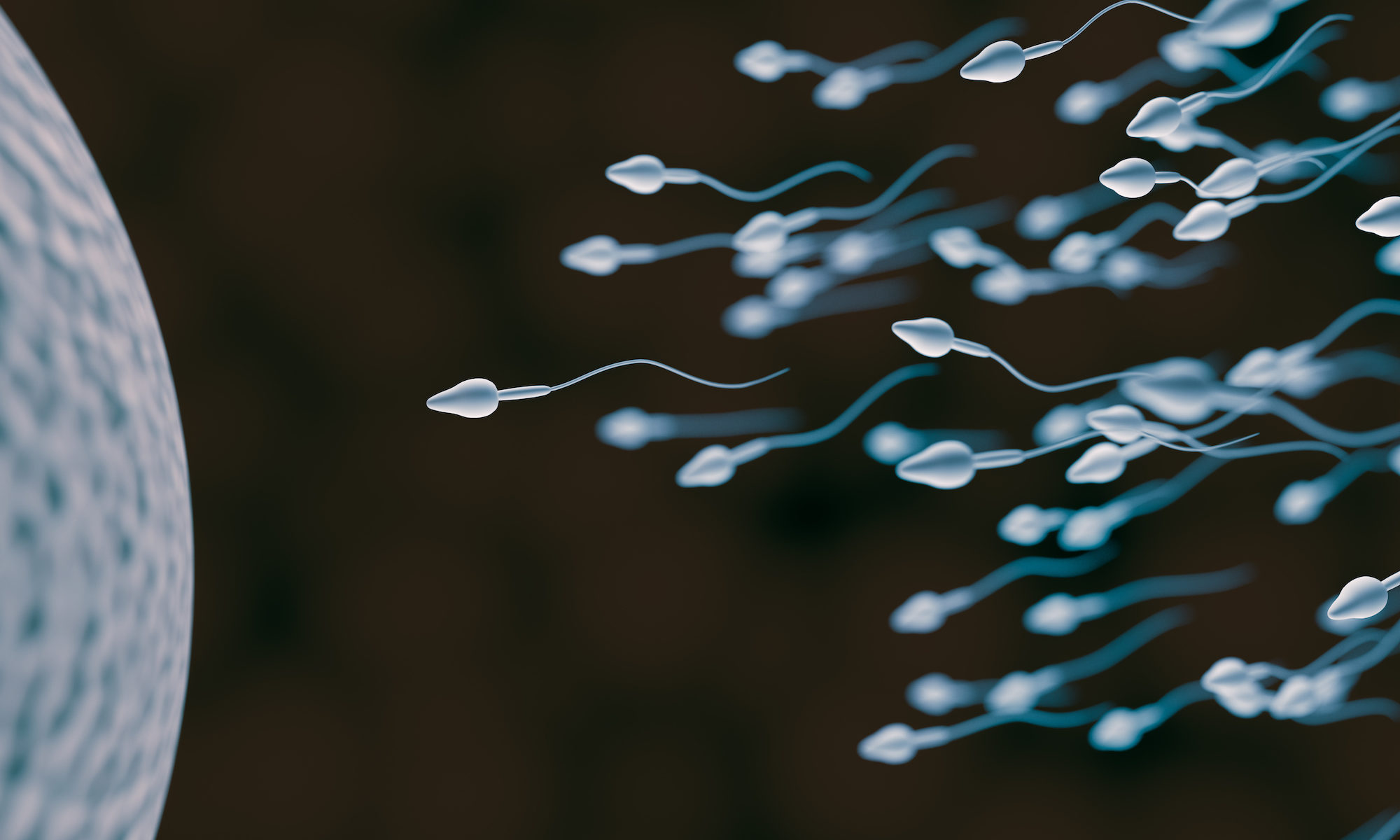
A test developed by Berkeley Lab scientists can quickly and easily detect whether sperm cells are carrying chromosomal defects. This advance could give men who have undergone cancer treatment a better chance of fathering healthy children. https://newscenter.lbl.gov/2021/01/19/finding-mutated-sperm/
Video Replay of SARS-CoV-2 Strategic Plan Brown Bag
The Lab has developed a multidisciplinary 10-year strategic plan for research of SARS-CoV-2 and the COVID-19 disease. The plan is designed to leverage our new capabilities and our core strengths and support our long-term mission. Watch this replay of the January brown bag on the plan. https://youtu.be/1fBLZ26Sa68
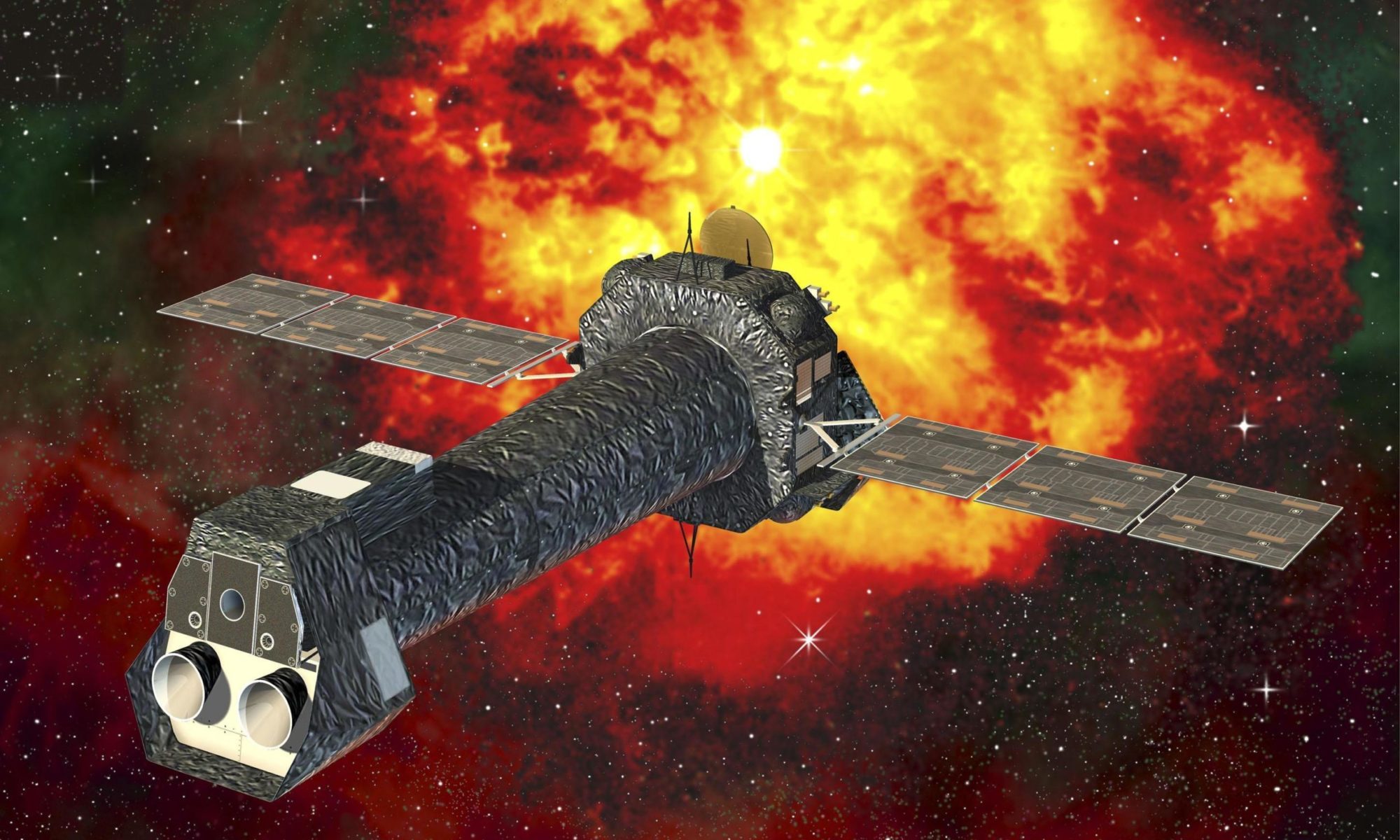
Axions May Be Source of X-Rays Around ‘Magnificent 7’
A new study, led by a theoretical physicist at Berkeley Lab, suggests that never-before-observed particles called axions may be the source of unexplained, high-energy X-ray emissions surrounding a group of neutron stars. https://newscenter.lbl.gov/2021/01/15/study-x-rays-surrounding-magnificent-7-may-be-traces-of-sought-after-particle/
CDR Primer Provides Vital Resource at Critical Time
Scientists say that any serious plan to address climate change should include carbon dioxide removal or CDR technologies and policies. Berkeley Lab scientist Margaret Torn contributed to a vital new resource on the topic, the CDR Primer. https://newscenter.lbl.gov/2021/01/14/primer-on-carbon-dioxide-removal-provides-vital-resource-at-critical-time/
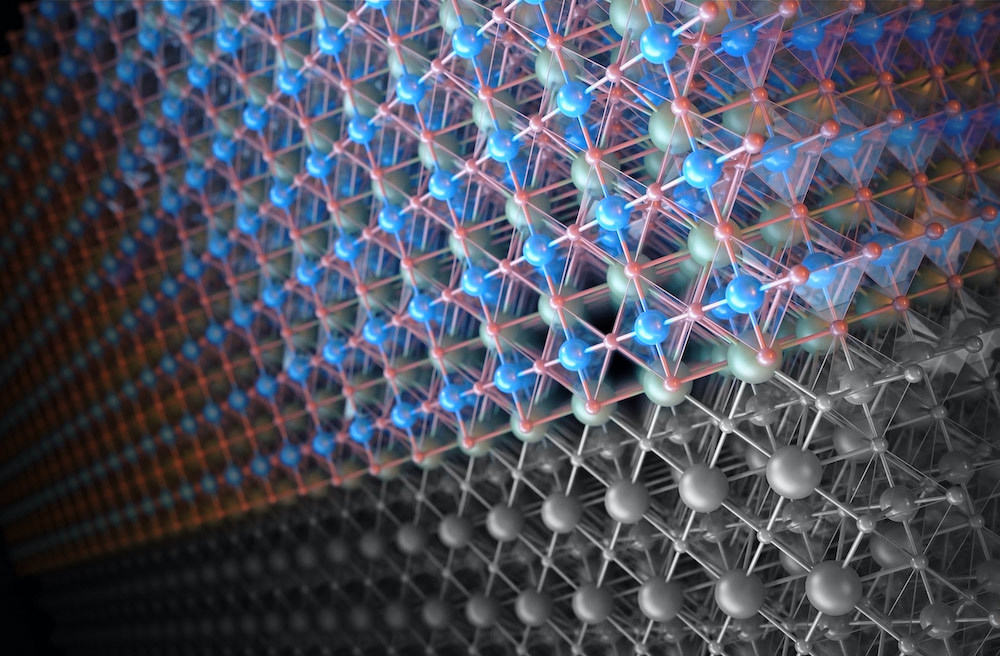
A 1-Atom-Deep Look at a Water-Splitting Catalyst
X-ray experiments at Berkeley Lab revealed an unexpected catalyst that contributed to doubling the speed of splitting water into hydrogen and oxygen gases. This process is a first step in producing hydrogen fuel for applications such as electric vehicles powered by hydrogen fuel cells. https://newscenter.lbl.gov/2021/01/14/1-atom-deep-look-water-splitting-catalyst/
How to Build a Giant 2D Map of the Universe
Before DESI, the Dark Energy Spectroscopic Instrument, can begin its five-year mission from an Arizona mountaintop to produce the largest 3D sky map yet, researchers first needed an even bigger 2D map of the universe. https://newscenter.lbl.gov/2021/01/13/building-a-giant-2d-map-of-the-universe-to-prepare-for-the-largest-3d-map/
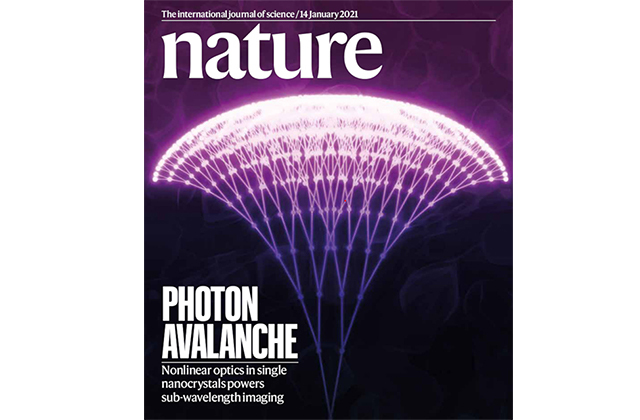
Nature Cover: Avalanching Nanoparticles Break Barriers
A team of researchers co-led by Berkeley Lab and Columbia University has developed a new material called avalanching nanoparticles that, when used as a microscopic probe, offers a simpler approach to taking high-resolution, real-time snapshots of a cell’s inner workings at the nanoscale. https://newscenter.lbl.gov/2021/01/13/nanoparticles-bioimaging-real-time/