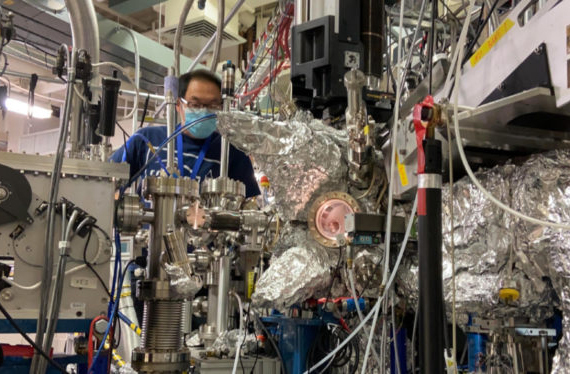
Researchers used the Advanced Light Source (ALS) to help detect non-negligible interactions between technologically intriguing 2D materials and the substrates that physically support them, potentially providing a framework for designing and engineering ultrathin films. https://newscenter.lbl.gov/2021/04/02/actor-in-a-supporting-role-substrate-effects-on-2d-layers/
Imagine the Future: Energy Sciences
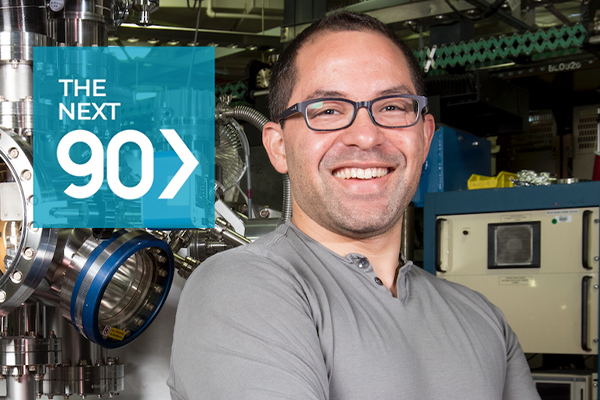
Ethan Crumlin, a staff scientist at the ALS and in the Chemical Sciences Division, believes in the opportunities in interfacial chemistry research and in team science. He shares his thoughts on his work and on the Lab’s collaborative spirit. https://sites.google.com/lbl.gov/the-next-90/imagine-the-future/energy-sciences
From Smoky Skies to a Green Horizon: Converting Fire-Risk Wood into Biofuel
Teams from Berkeley Lab and Sandia National Laboratories have collaborated to develop a streamlined process for converting woody plant matter like forest overgrowth and agricultural waste – material currently burned either intentionally or unintentionally – into liquid biofuel. https://newscenter.lbl.gov/2021/04/14/fire-risk-wood-into-biofuel/
U.S. Power Sector is Halfway to Zero Carbon Emissions
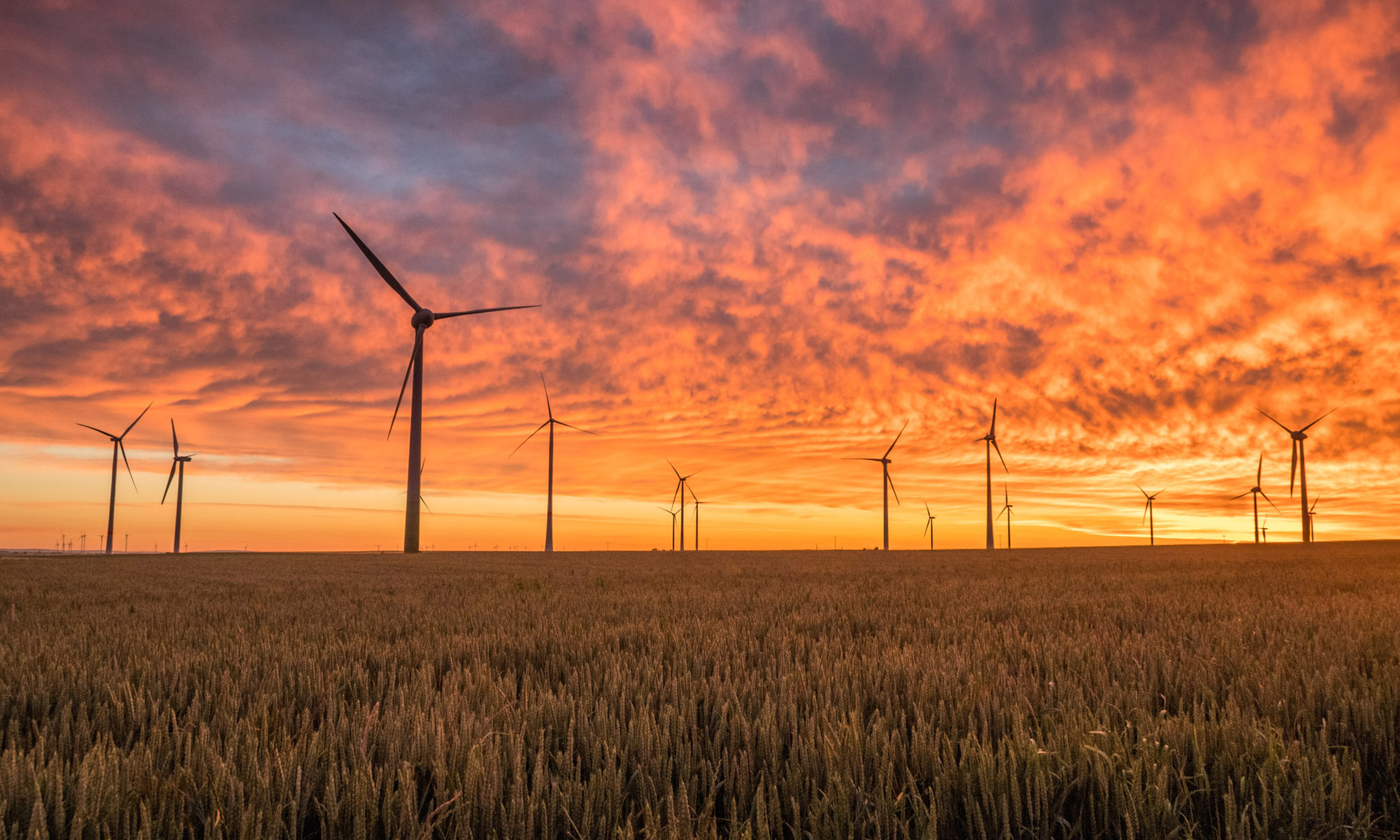
Concerns about climate change are driving a growing number of states, utilities, and corporations to set the goal of zeroing out power-sector carbon emissions. A new Berkeley Lab study that looks at the past 15 years in the electricity sector shows that large emission reductions are possible. https://newscenter.lbl.gov/2021/04/13/u-s-power-sector-is-halfway-to-zero-carbon-emissions/
X-Ray Study Recasts Battery Material Role
An international team working at Berkeley Lab used a unique X-ray instrument to learn new things about lithium-rich battery materials that have been the subject of many studies for their potential to extend the range of electric vehicles and the operation of electronic devices. https://newscenter.lbl.gov/2021/04/09/x-ray-battery-cathode-catalyst/
Celebrate the Past: Energy Sciences
Energy sciences have helped define Berkeley Lab through its 90-year history. View some highlights of the history of the chemical and materials sciences at the Lab, the Advanced Light Source, and the Molecular Foundry. https://berkeleylab.exposure.co/celebrate-the-past-energy-sciences?source=share-berkeleylab
DOE’s Chief Commercialization Officer Discusses Innovation
What does innovation look like? How do you practice it? DOE’s Office of Technology Transitions (OTT) and the Lab’s Intellectual Property Office present a discussion on innovation Tuesday, April 20 at noon with Dr. Vanessa Z. Chan, DOE’s Chief Commercialization Officer. https://calendar.google.com/event?action=TEMPLATE&tmeid=Nmg0dnQ0YTJpYTR2am0zaXAycWhyY3RkZ3RfMjAyMTA0MjBUMTkwMDAwWiBsYmwuZ292XzRzNHJyZzEybDZlcWc2bmNtYzJrdDB2Y2dnQGc&tmsrc=lbl.gov_4s4rrg12l6eqg6ncmc2kt0vcgg%40group.calendar.google.com
The Spintronics Technology Revolution Could Be Just a Hopfion Away
A team of researchers co-led by Berkeley Lab has discovered and observed 3D hopfions, a major step forward in realizing high-density, high-speed, low-power, yet ultrastable magnetic memory devices that exploit the intrinsic power of electron spin. https://newscenter.lbl.gov/2021/04/08/spintronics-tech-a-hopfion-away/
To Speed Discovery, Infrared Microscopy Goes ‘Off the Grid’
Question: What do a roundworm, a Sharpie pen, and high-vacuum grease have in common? Answer: They’ve all been analyzed in recent proof-of-principle microscopy experiments at the Lab’s Advanced Light Source as part of a new method allowing scans to be done in an hour instead of ten hours. https://newscenter.lbl.gov/2021/04/02/microscopy-goes-off-the-grid/
Designing Better Batteries Using Selective Membranes
A research team led by Berkeley Lab’s Molecular Foundry has developed a lithium-selective polymer membrane that could allow high-voltage battery cells to operate at higher power and more efficiently, important factors for electric vehicles and aircraft. https://newscenter.lbl.gov/2021/04/07/selective-membranes-for-batteries/