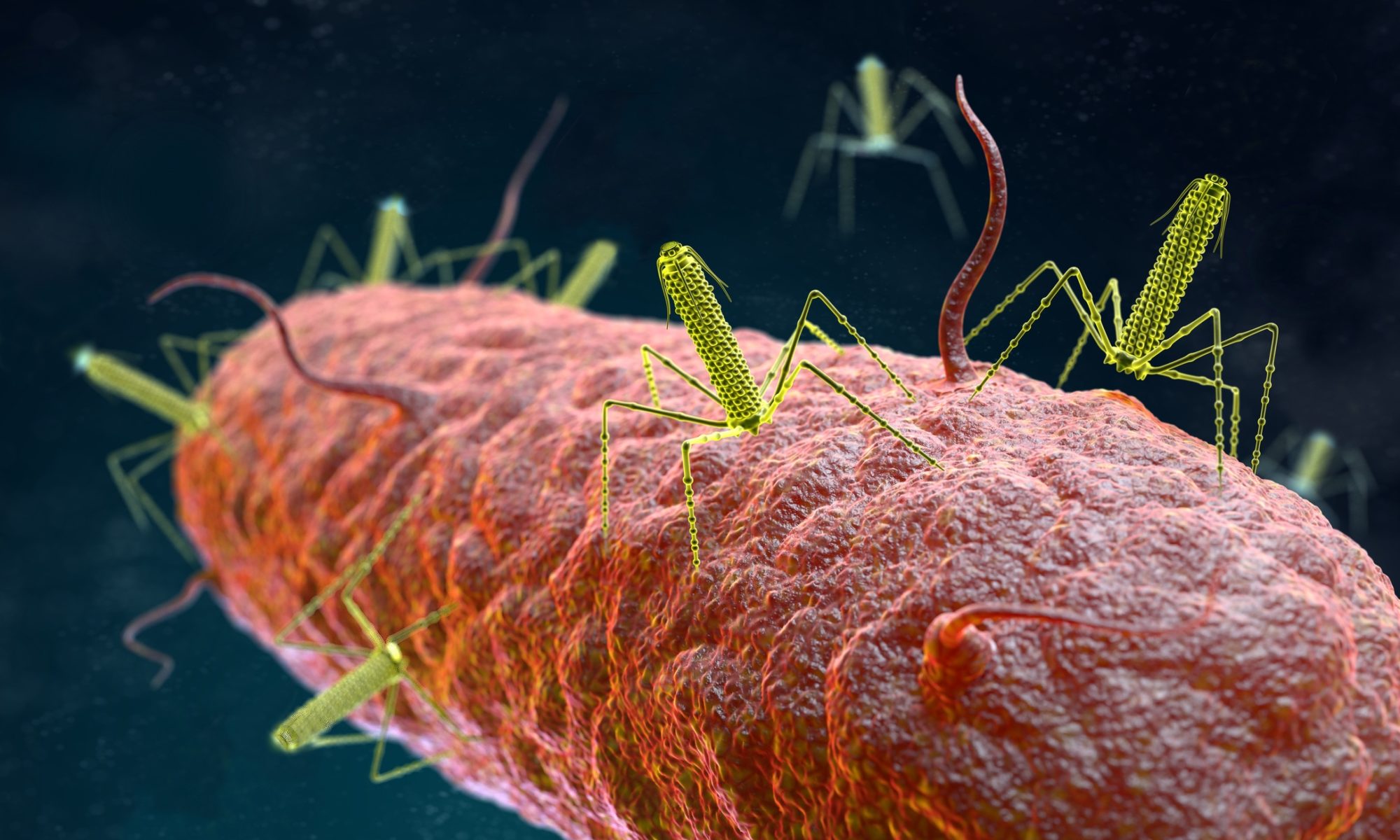
Researchers are digging into bizarre bacteria-produced nanomachines — called tailocins — that may fast-track medicine and microbiome science. They explored how tailocins attack specific strains, and looked at genetic similarities and differences between tailocin producers and their target strains. https://newscenter.lbl.gov/2021/04/07/bacterial-homing-missiles/
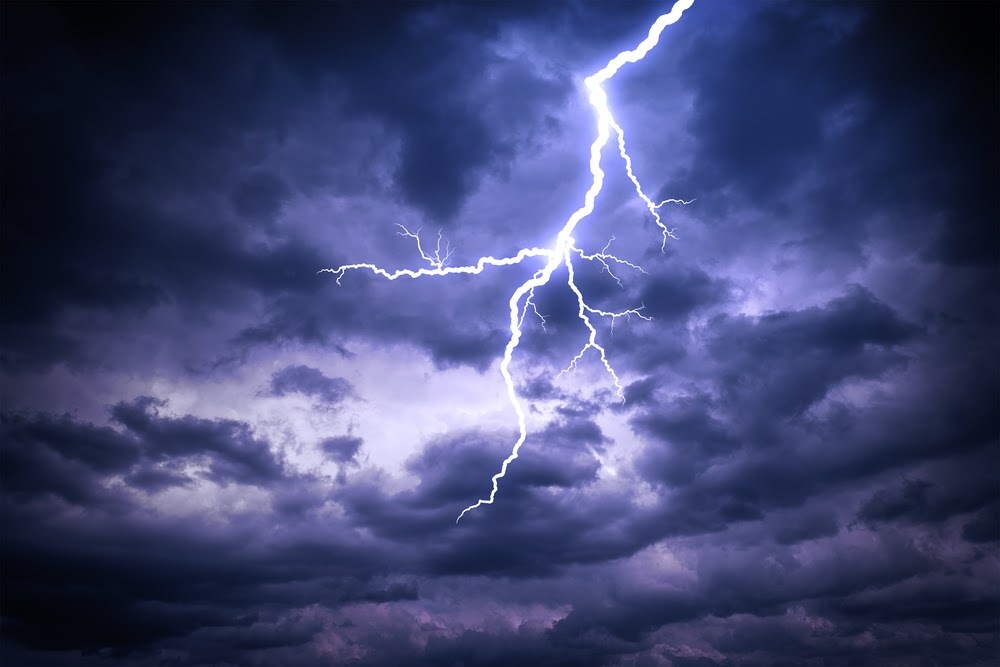
100% Increase in Arctic Lightening Predicted
EESA’s Zelalem Mekonnen, Bill Riley, and David Romps co-authored a new paper predicting a 100% increase in Arctic lightning strikes this century. The UC Irvine-led study published in Nature Climate Change describes how this lightning increase will fuel additional warming and wildfires in the region. https://eesa.lbl.gov/climate-experts-co-author-study-predicting-increase-in-arctic-lightning/
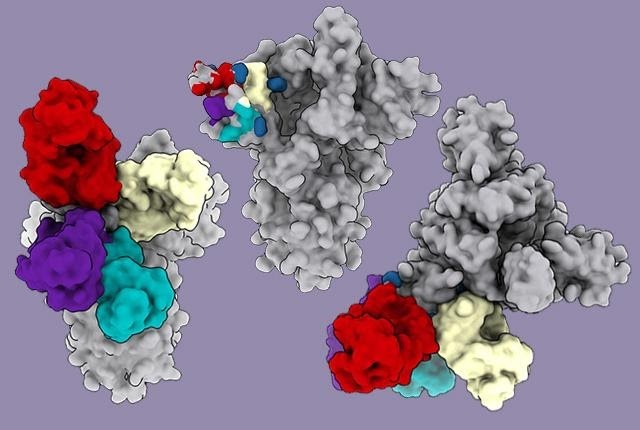
New COVID-19 Antibody Supersite Discovered
Scientists at the Berkeley Center for Structural Biology contributed to a recent study revealing a new site on the coronavirus spike protein for antibodies. This discovery will help scientists as they work to continue improving treatment and vaccine formulations for COVID-19 and its variants. https://biosciences.lbl.gov/2021/04/05/new-covid-19-antibody-supersite-discovered/
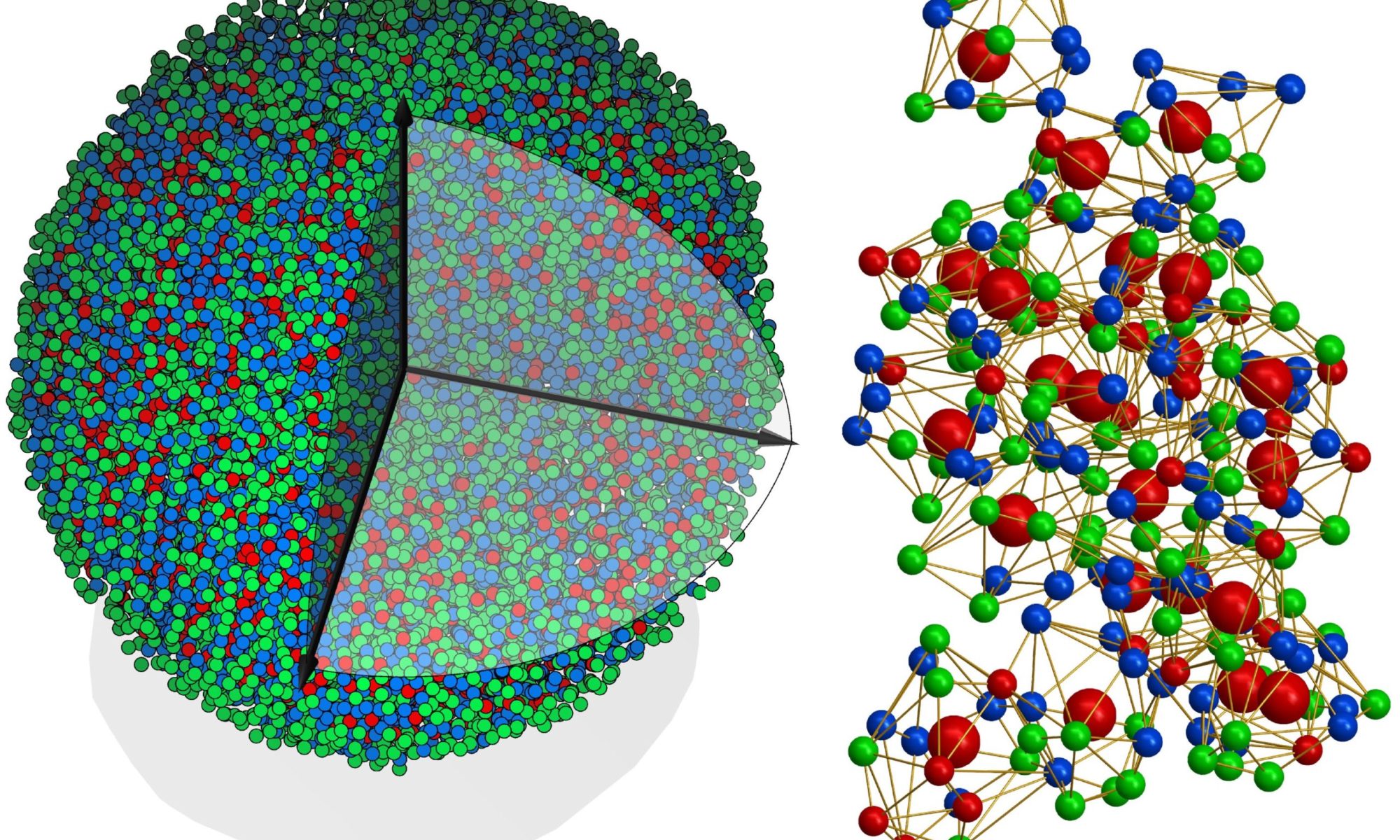
First-Ever 3D Atomic Imaging of Amorphous Solid
A research team led by UCLA, in collaboration with Berkeley Lab’s Molecular Foundry, a nanoscience user facility, has reported the first-ever determination of the 3D atomic structure of an amorphous solid – in this case, a material called metallic glass. https://newscenter.lbl.gov/2021/04/06/3d-atomic-imaging-amorphous-solid/
Artificial Photosynthesis to Hydrogen Fuel Machine
Berkeley Lab scientists have uncovered a surprising property that turns an artificial photosynthesis device into a self-improving hydrogen fuel machine. This discovery could help radically accelerate the commercialization of artificial photosynthesis technologies and hydrogen fuel cells. https://newscenter.lbl.gov/2021/04/05/hydrogen-fuel-self-improvement/
X-Rays, Machine Learning Help Speed Up Battery R&D
An X-ray instrument at Berkeley Lab’s Advanced Light Source contributed to a battery study that used an innovative approach to machine learning to speed up the learning curve about a process that shortens the life of fast-charging lithium batteries. https://newscenter.lbl.gov/2021/04/02/xray-machine-learning-battery/
India Can Boost Clean Energy & Power Supply by 2030
India has set ambitious targets for renewable power, with plans to quintuple its current wind and solar energy capacity by 2030. A new study shows the country can aim even higher with its renewable energy goals at a cost that would be comparable to that of a fossil fuel-dominated grid. https://newscenter.lbl.gov/2021/03/29/india-clean-energy-power-supply/
New Pathway to Harnessing Sun for Clean Energy
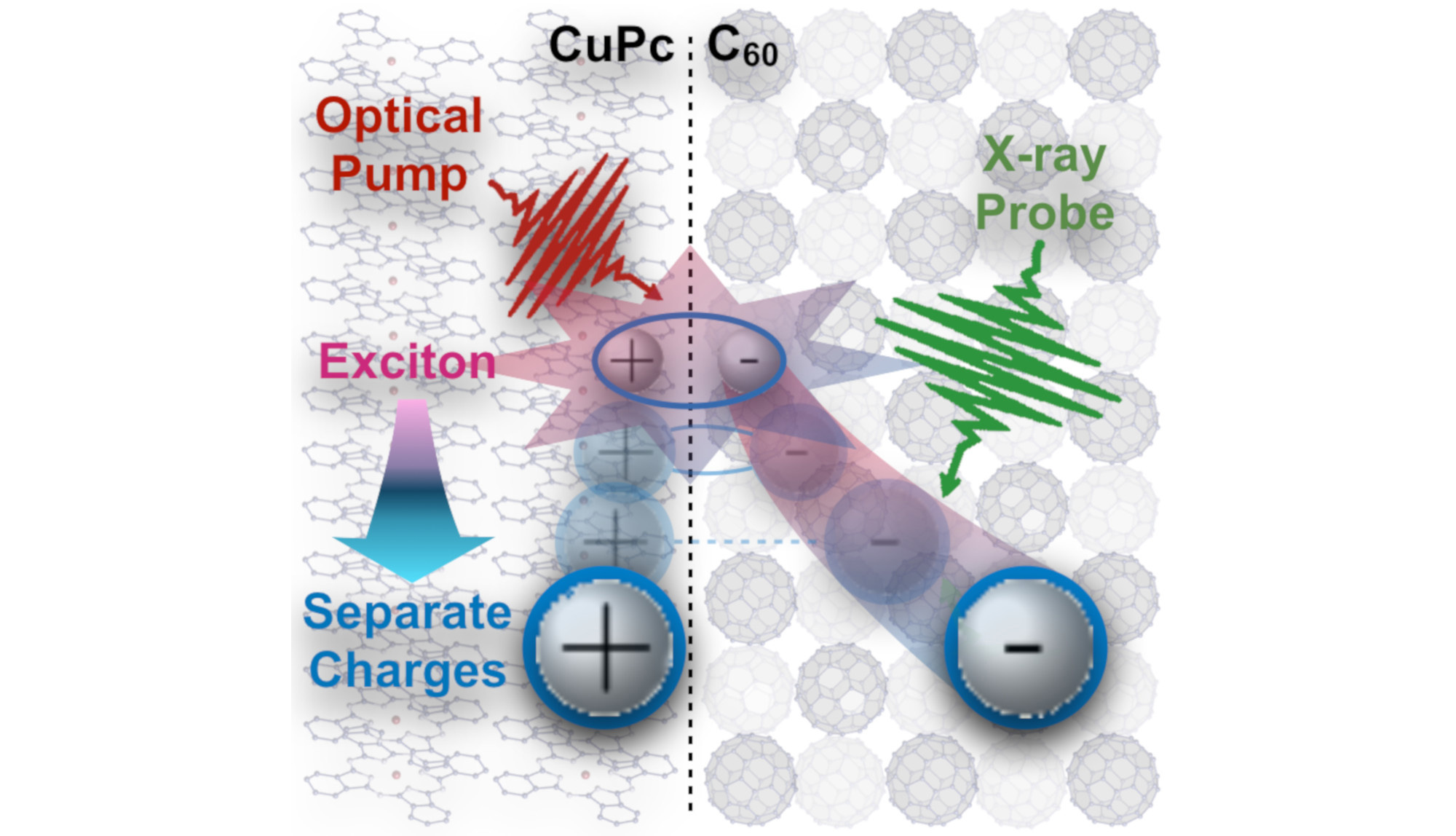
Scientists at Berkeley Lab, DESY, the European XFEL, and the Technical University Freiberg, Germany, have discovered a hidden charge-generating pathway that could help researchers develop more efficient ways to convert sunlight into electricity or solar fuels like hydrogen. https://newscenter.lbl.gov/2021/03/29/harnessing-sun-for-clean-energy/
Ultrathin Sensor Could Save Your Lungs & the Climate
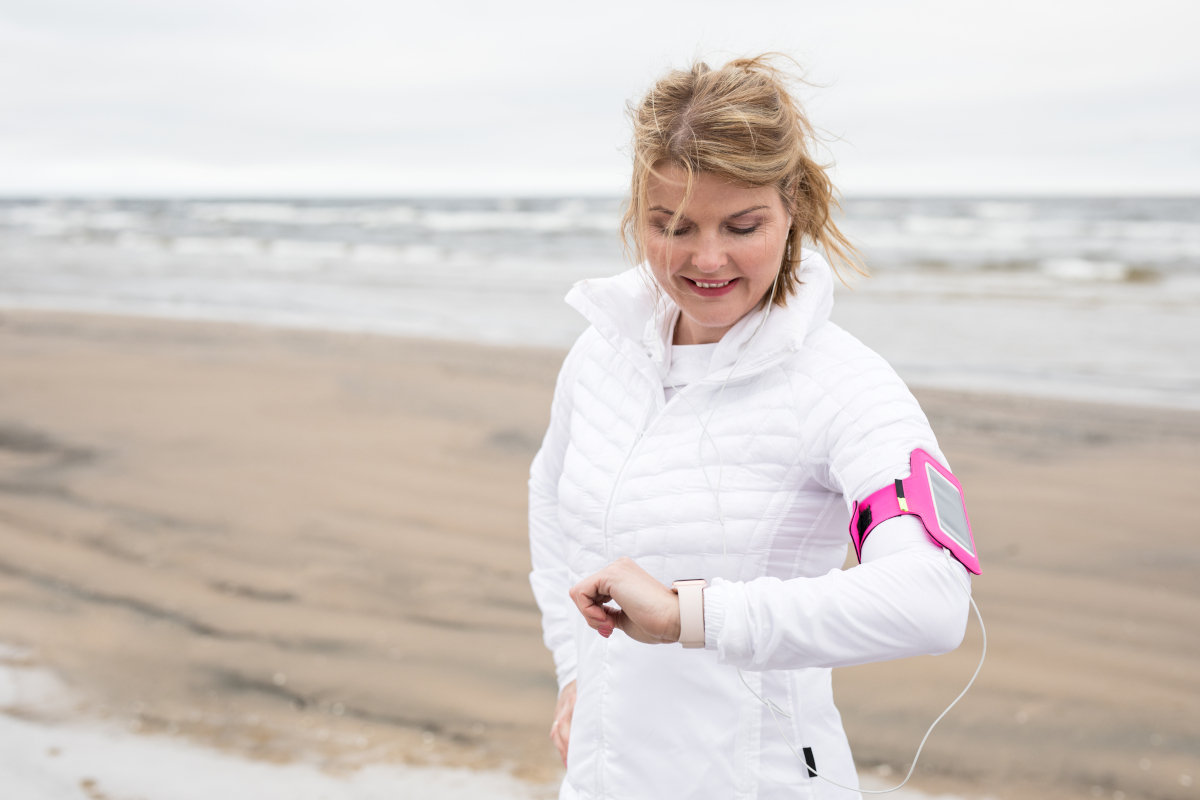
NO2 emissions are not only bad for the climate, they are bad for our health as well. But sensors used to detect hazardous concentrations are energy-intensive. A research team has developed a wearable sensor that uses less energy and works at room temperature. https://newscenter.lbl.gov/2021/03/29/detector-could-save-lungs-climate/
First Milliseconds of Crystal Formation Observed
At the Molecular Foundry, scientists recruited a world-leading microscope to capture atomic-resolution, high-speed images of gold atoms self-organizing, falling apart, and then reorganizing many times before settling into a stable, ordered crystal. https://newscenter.lbl.gov/2021/03/25/scientists-observe-crystal-form/