QSA scientists study sophisticated two-dimensional (2D) materials that could potentially increase the coherence time of qubits in superconducting circuits. Learn how researchers at the Molecular Foundry and the Advanced Light Source are lending their expertise. https://archive.quantumsystemsaccelerator.org/why-qsa-advances-2d-materials-for-quantum-computing/
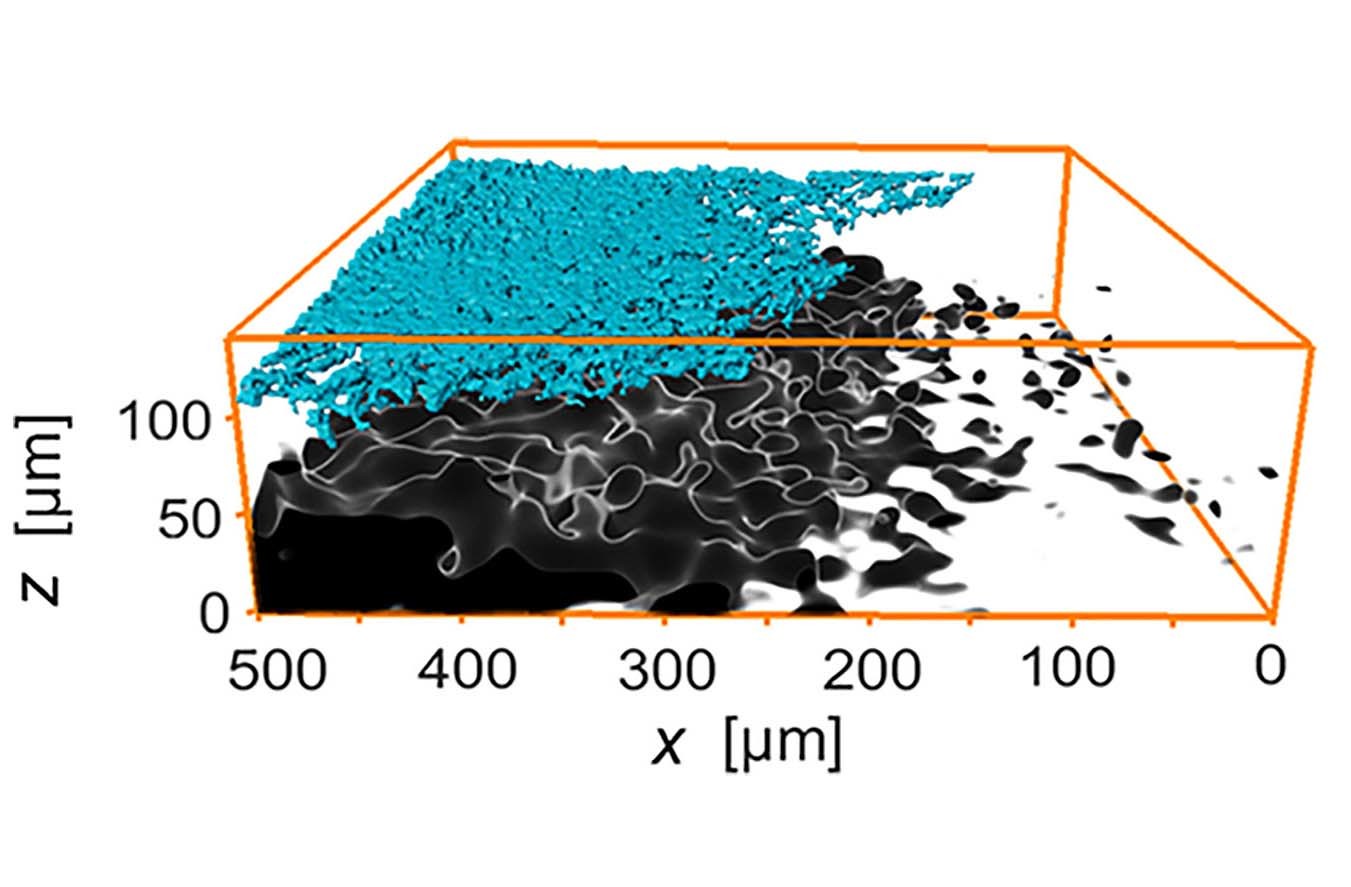
3D View Reveals Shadow Effect After Rapid Battery Charging
Using the Advanced Light Source, researchers have developed a way to see a three-dimensional picture of what’s happening inside a battery’s electrode while it’s being charged. This new picture helps with the quest to create faster-charging electric vehicle batteries. https://als.lbl.gov/3d-view-reveals-shadow-effect-after-rapid-battery-charging/
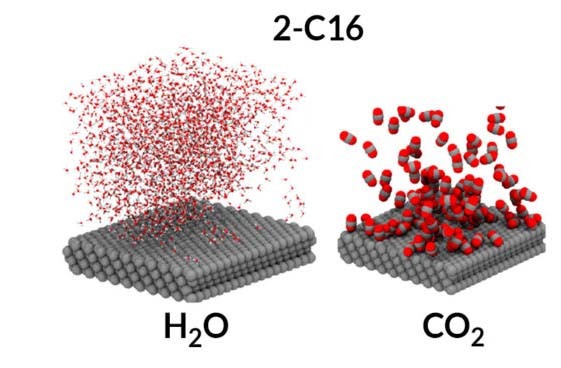
Exquisitely Selective CO2 Reduction on Silver
Researchers used theoretical analyses and Advanced Light Source data to electrochemically reduce CO2 to CO by adding an organic compound to the surface of a silver electrode. The work revealed a key in promoting the conversion of CO2, a greenhouse gas, into useful products. https://als.lbl.gov/exquisitely-selective-co2-reduction-on-silver/
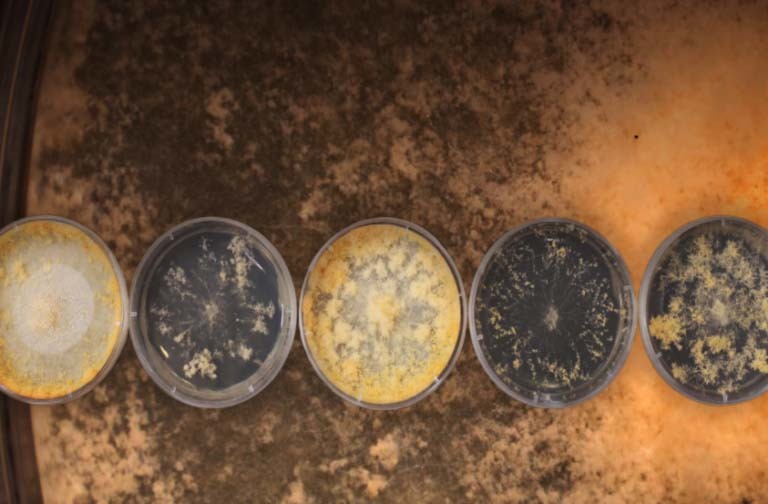
Engineering Enzymes for Biofuel
Biorefineries turn plant biomass like corncobs into fuel using enzymes to break down cell walls. An international team, including researchers at the Joint BioEnergy Institute, is identifying enzymes in fungi that can be genetically engineered to speed up and improve biofuel production. https://www.jbei.org/engineering-enzyme-secretion-in-filamentous-fungi/
Cracking Open Strong Field Quantum Electrodynamics
A newly published study suggests that the world’s most powerful lasers might finally crack the elusive physics behind some of the most extreme phenomena in the universe – gamma-ray bursts, pulsar magnetospheres, and more. The unique capabilities of Lab researchers and resources aided the discovery. https://newscenter.lbl.gov/2021/09/28/cracking-open-strong-field-quantum-electrodynamics/
Podcast: Save Your Electrons for a Rainy Day
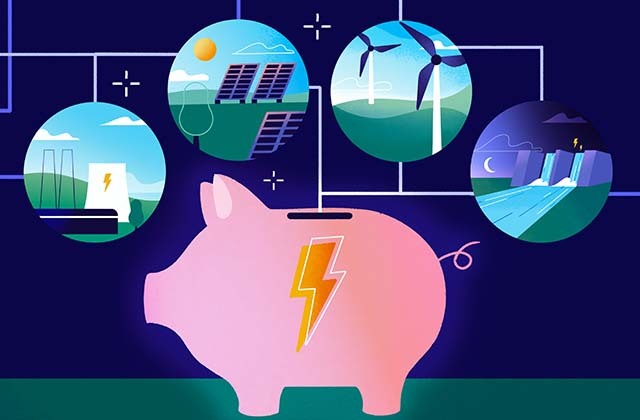
In this “A Day in the Half-Life” podcast episode, hear from two experts about the history of piggy-banking power, and how energy storage research is evolving to help prevent weather-related blackouts, adopt renewable energy, and build environmentally responsible batteries. https://www.buzzsprout.com/1434640/9230358
Quantifying the Effects of Poor Air Circulation
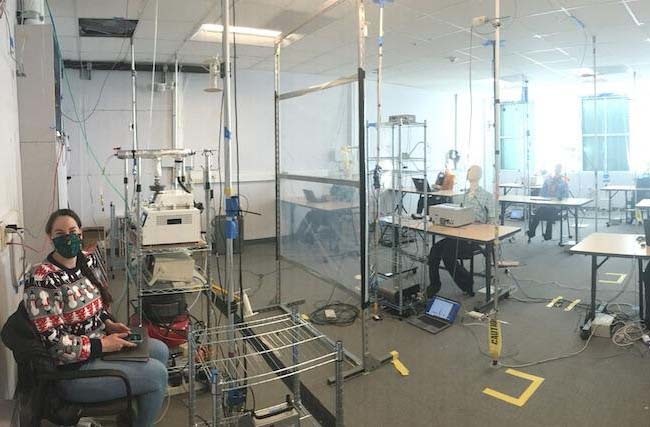
New experiments by indoor air researchers at the Lab show that certain circumstances will result in poor room air mixing, meaning airborne contaminants may not be effectively dispersed and removed by building level ventilation. https://newscenter.lbl.gov/2021/09/22/poorly-circulated-room-air-raises-potential-exposure-to-contaminants-by-up-to-6-times/
Benchmarking Qutrit-Based Quantum Computing
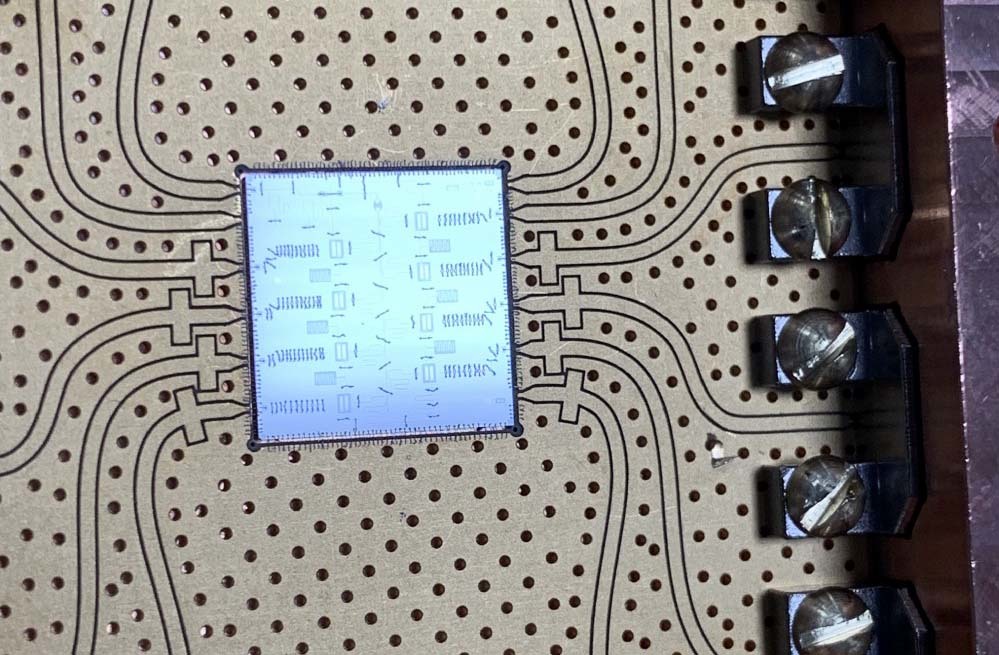
Researchers at the Advanced Quantum Testbed (AQT) marked a significant milestone in quantum computing. They demonstrated how to benchmark the accuracy of qutrits, opening the door to more powerful quantum information processing. https://thequantumdaily.com/2021/09/20/raising-the-bar-in-error-characterization-for-qutrit-based-quantum-computing-berkeley-lab-demonstration-of-randomized-benchmarking-protocols-on-qutrit-processors/
Sifting Through Fragments for COVID-19 Treatments
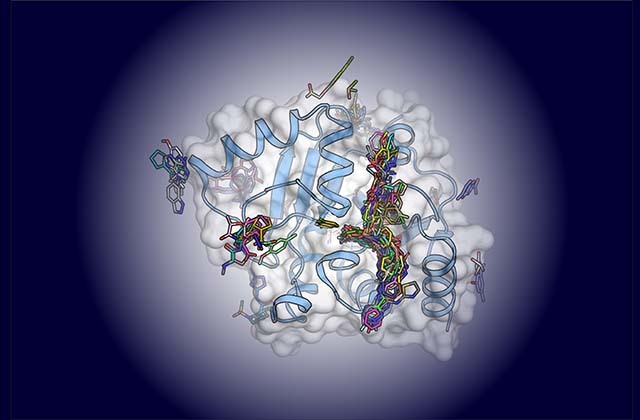
Large numbers of small molecules (“fragments”) were screened for potential use in drug compounds to treat patients who become sick as a result of SARS-CoV-2 infection. The effort involved computational methods and crystallography at the ALS. https://als.lbl.gov/sifting-through-fragments-for-covid-19-treatments/
EMP Releases Annual Tracking the Sun Report
The Lab’s Electricity Markets & Policy group has released their annual Tracking the Sun report, which describes trends among grid-connected, distributed solar photovoltaic systems in the United States. Join the report authors’ webinar on Sept. 22 at 10 a.m. to hear a summary of key findings. https://emp.lbl.gov/news/updated-report-and-data-illustrate