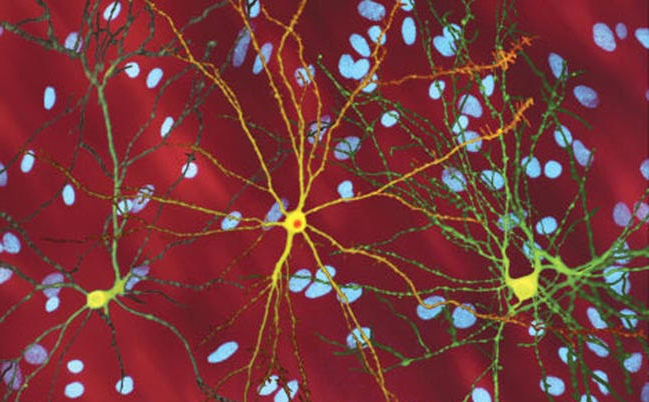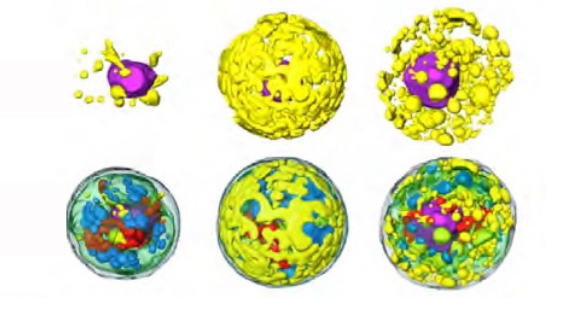
Biosciences Area researchers who measured mitochondrial metabolism in living brain tissues of a mouse model of Huntington disease found that regional differences in neuronal susceptibility to the disease can be attributed to reprogramming strategies adopted by astrocytes in response to low glucose. https://biosciences.lbl.gov/2019/04/17/astrocyte-insight-explains-brain-region-specific-vulnerability-in-huntington-disease/
Electric Skyrmions Charge Ahead for Next-Gen Data Storage
A team of researchers led by Berkeley Lab has observed chirality for the first time in polar skyrmions in a material with reversible electrical properties — a combination that could lead to more powerful data storage devices that continue to hold information, even after they’ve been turned off. https://newscenter.lbl.gov/2019/04/18/electric-skyrmions-charge-ahead-for-next-generation-data-storage/
AAAS Seeks Female STEM Ambassadors
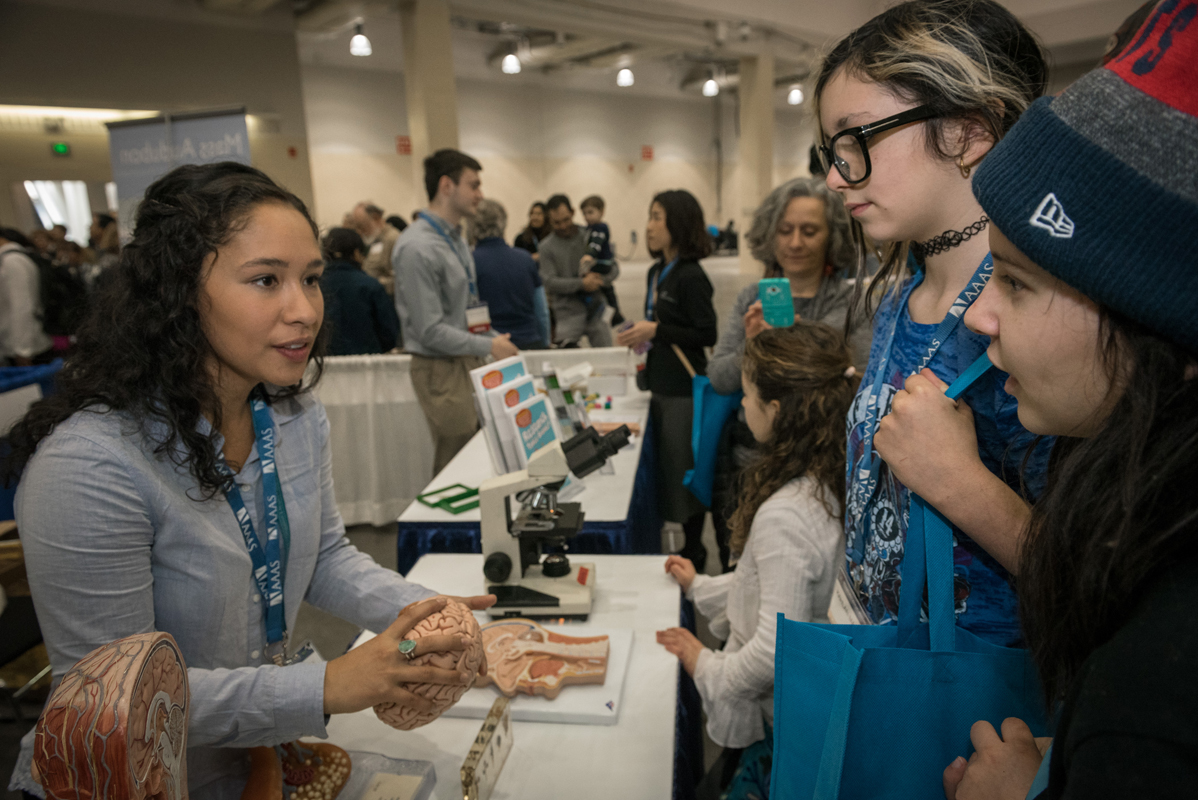
The American Association for the Advancement of Science is accepting applications for its IF/THEN Ambassadors program. The initiative brings together 100 women from a variety of science, technology, engineering, and mathematics (STEM) careers to serve as role models for middle school girls. https://www.aaas.org/page/ifthen-ambassadors
Kathy Yelick to Leave Role as ALD for Computing Sciences
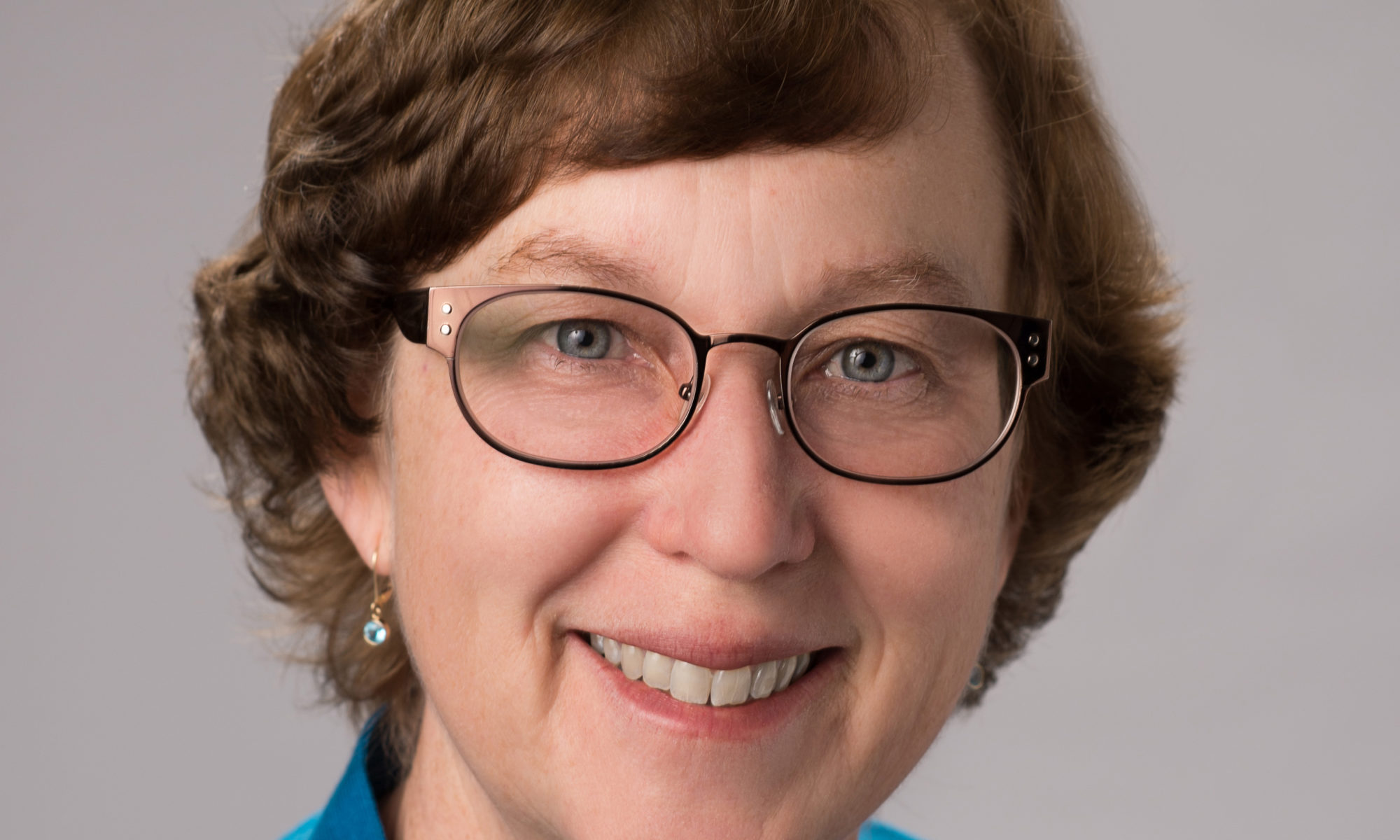
After nearly 10 years, Kathy Yelick is leaving her role as Associate Lab Director for Computing Sciences, effective at the end of the year. She will continue to serve as a strategic advisor on Lab-wide initiatives while focusing on her research at the Lab and duties as a professor at UC Berkeley. https://cs.lbl.gov/news-media/news/2019/yelick
Lab Water Technology Voted Among Best in the World
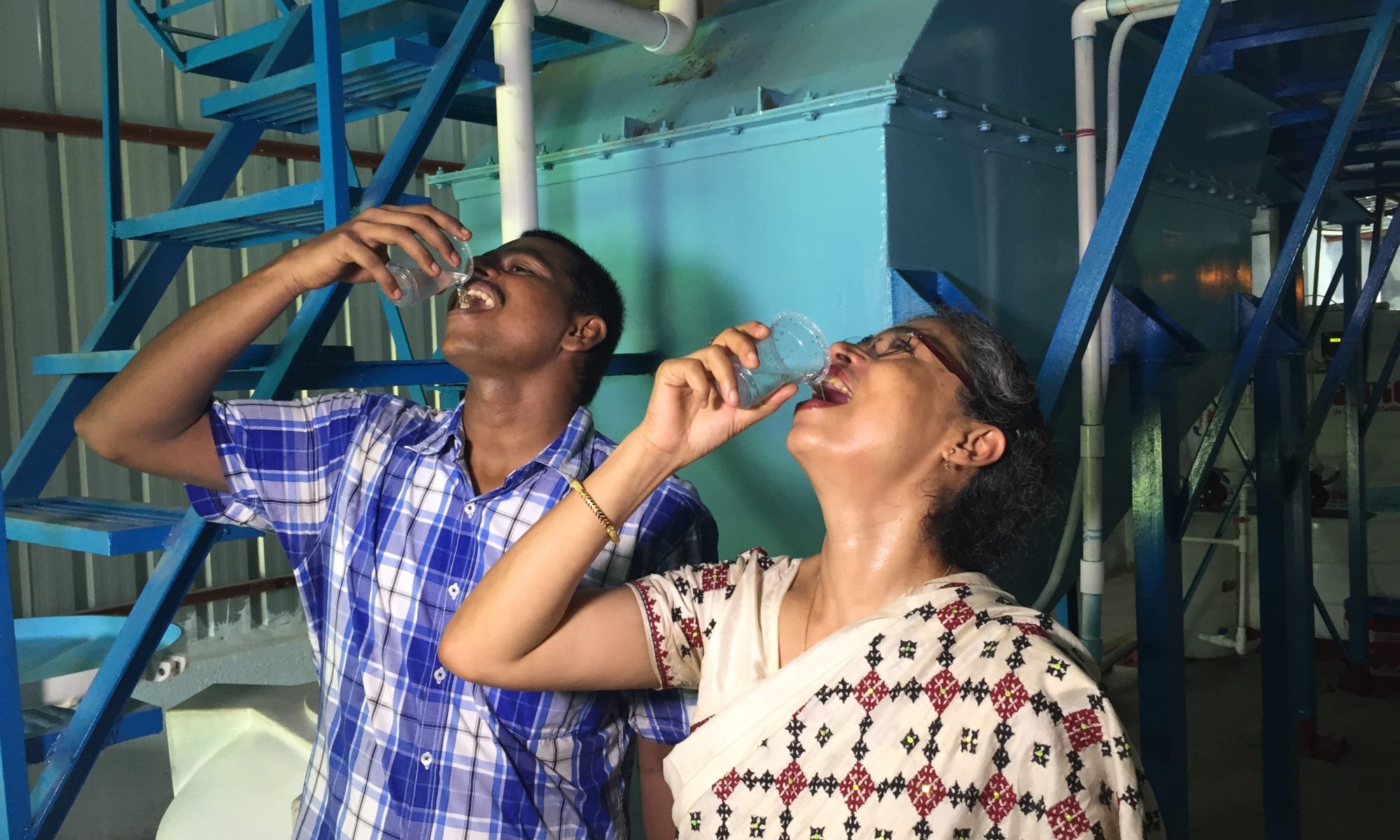
Water-purifying technology developed at Berkeley Lab was named among only five in the world that meet current international standards in a recent study from United Nations University examining systems for small communities. https://energyanalysis.lbl.gov/news/article/lab-water-technology-among-best-world
First Look at New Light-Absorbing Protein
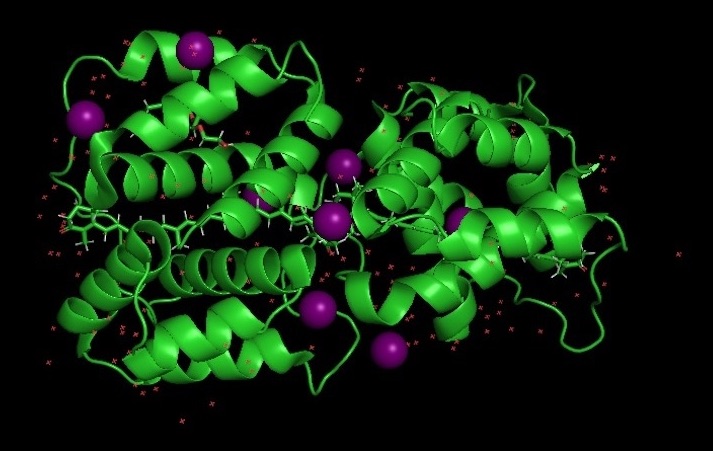
Biosciences Area and Michigan State University researchers are the first to characterize a protein that helps protect cyanobacteria from getting too much light. They collected X-ray diffraction data in the Berkeley Center for Structural Biology at the Advanced Light Source. https://biosciences.lbl.gov/2019/04/10/first-look-at-new-light-absorbing-protein/
New Video on the Making of the Largest 3D Map of the Universe
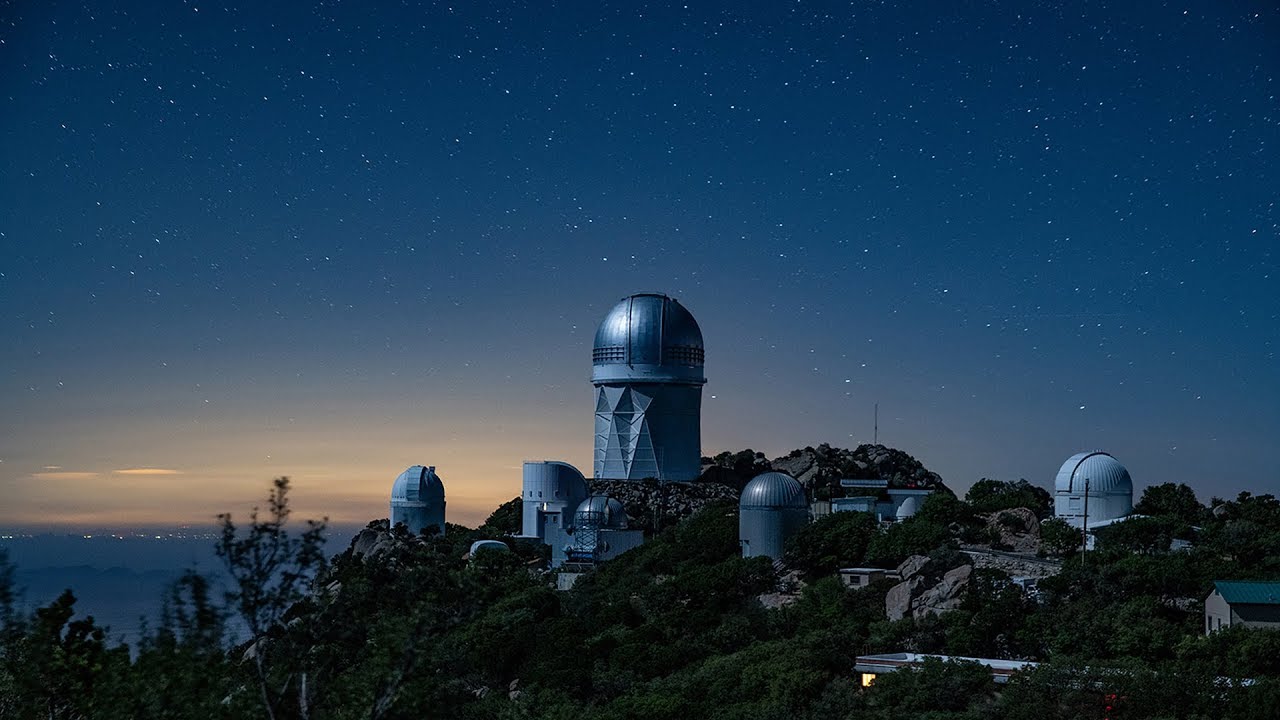
In this video, Dark Energy Spectroscopic Instrument (DESI) project participants share their insights and excitement about the project and its potential for new and unexpected discoveries. https://newscenter.lbl.gov/2019/04/12/video-the-making-of-the-largest-3d-map-of-the-universe/
Gaining Insight on the Regulation of Algal Photosynthesis and Metabolism
Researchers used a variety of approaches to learn more about the regulation of photosynthesis and metabolism in the green alga Chromochloris zofingiensis, with the addition of glucose while in the light. Findings from this work could lead to beneficial bioproducts for energy, food, and human health. https://biosciences.lbl.gov/2019/04/10/regulation-of-algal-photosynthesis-and-metabolism/
DOE Program Selects Grad Students to Conduct Research at DOE Labs
The SCGSR program provides funds for graduate students to conduct part of their thesis research at a host DOE laboratory in collaboration with a DOE scientist. Berkeley Lab will host 10 of these students. https://www.energy.gov/articles/doe-s-science-graduate-student-research-program-selects-70-students-pursue-research-doe
Searching for Photocathodes that Convert CO₂ into Fuels
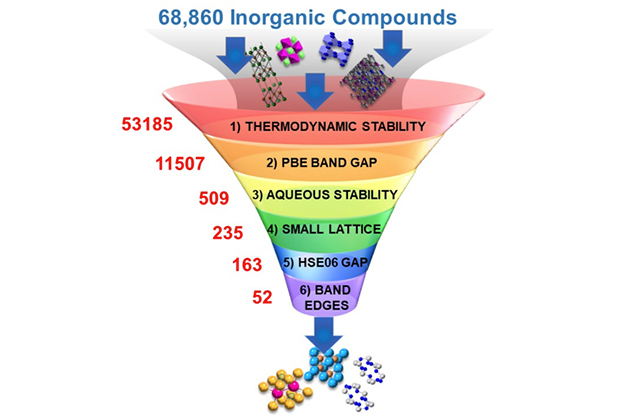
CO2 is a promising solution to clean, low-cost, renewable energy, but more efficient photocathodes are needed to convert CO2 into fuels. Berkeley Lab researchers and NERSC supercomputing resources helped sift through 70,000 candidate materials to ID some new ones. https://cs.lbl.gov/news-media/news/2019/searching-for-photocathodes-that-convert-co2-into-fuels/