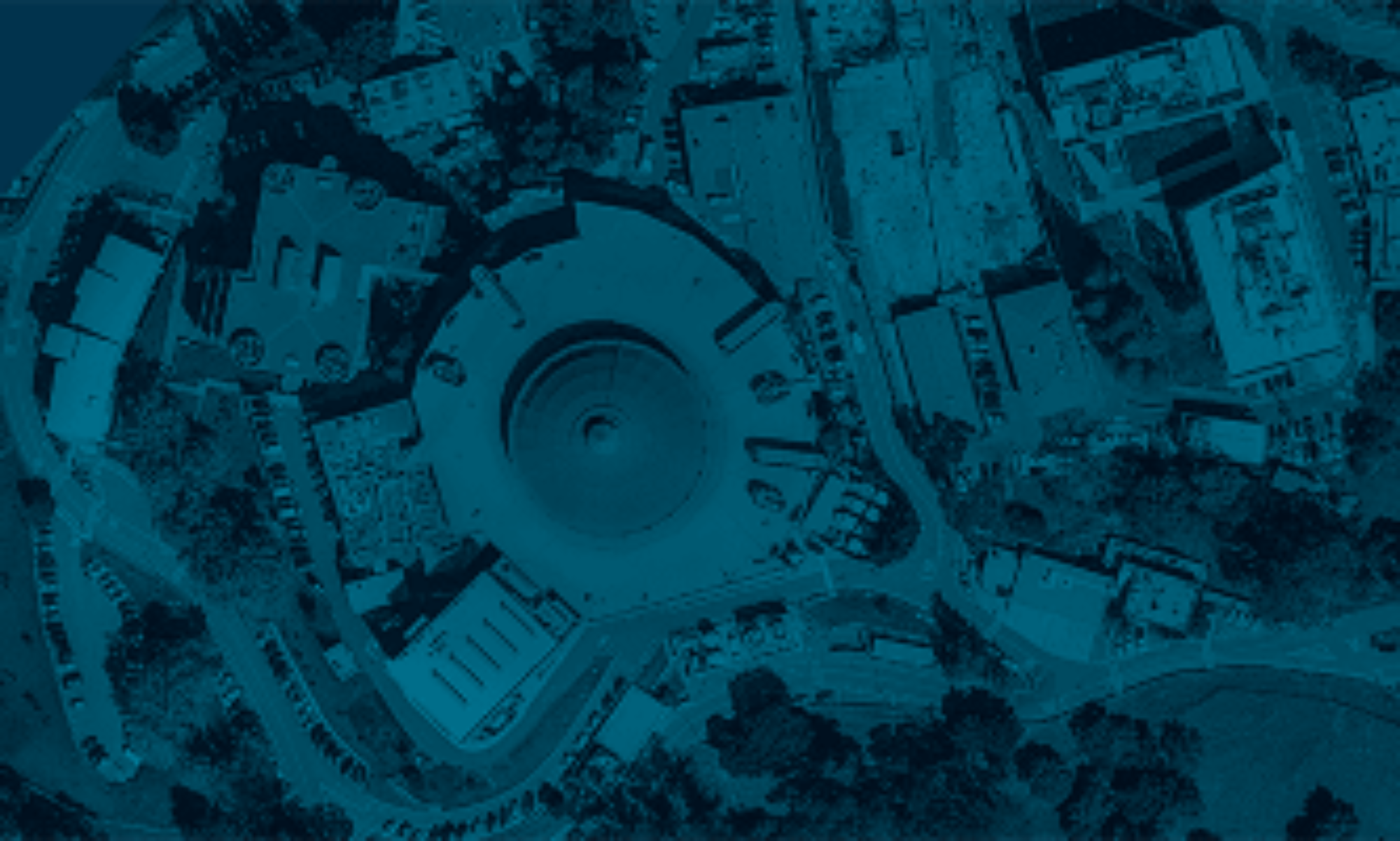
Berkeley Lab climate experts have partnered with the City and County of San Francisco and Silvestrum Climate Associates to assess how climate change may influence the intensity of atmospheric rivers and associated precipitation, and how those changes may impact San Francisco and its infrastructure. https://newscenter.lbl.gov/2019/04/10/climate-scientists-partner-with-san-francisco-to-be-ready-for-future-storms/
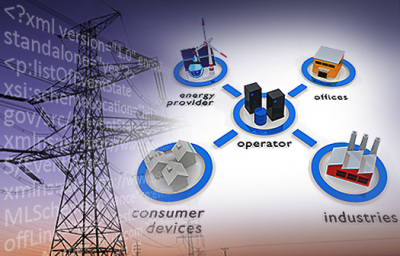
Lab Research Streamlines Modern Grid
A grid communications model that began as a research project at Berkeley Lab has now become an international standard, paving the way toward smart grid improvements around the world. https://buildings.lbl.gov/news/article/lab-research-streamlines-modern-grid
Berkeley Chamber of Commerce Seeks Nominations for Visionary Award
Do you know an entrepreneur who’s demonstrated exceptional vision and has persevered in growing a for-profit business in Berkeley? Consider nominating them for a Berkeley Chamber of Commerce 2019 Visionary Award. https://docs.google.com/forms/d/1s3k_yd2BtqBnUZdFfgrfe84wa_NL-GcVJw9uQBb4IL8/viewform?edit_requested=true&mc_cid=0c36cd4921&mc_eid=c37c86e252
North Dakota Deathbed Linked to Dinosaur-Killing Meteor
Scientists have linked this fossil site to a meteor impact some 66 million years ago, which killed and buried fish, mammals, insects and a dinosaur. The Lab’s Luis Alvarez and his son Walter were the first to propose that a comet or asteroid impact was responsible for this mass extinction. https://news.berkeley.edu/2019/03/29/66-million-year-old-deathbed-linked-to-dinosaur-killing-meteor/
Solving the Mathematics of Image Formation With Fast Cameras
A fast electron camera helped Foundry scientists and users solve the structure of a thick crystal in the face of complex mathematics. In addition to solving a difficult fundamental physics problem, this technique could be useful in studying subtle details about the way atoms bond to each other. http://foundry.lbl.gov/#/news/2019-04-05_A.html
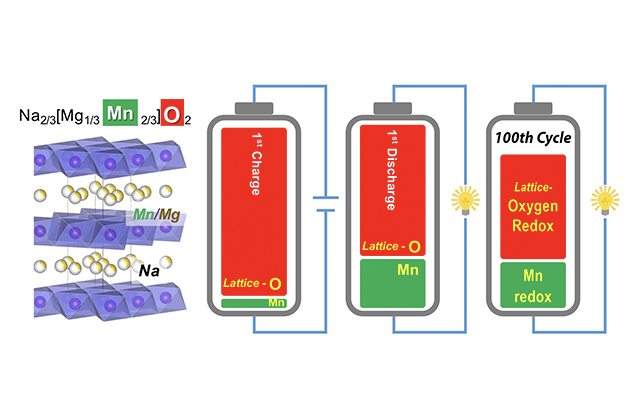
Reversible Lattice-Oxygen Reactions in Batteries
Researchers used the ALS to quantify a strong, beneficial, and reversible chemical reaction involving oxygen ions in the crystal lattice of battery electrode materials. The results open up ways to pack more energy into batteries with electrodes made out of low-cost, common materials. https://als.lbl.gov/reversible-lattice-oxygen-reactions-in-batteries/
Absorber Captures Excess Chemotherapy Drugs
Researchers have designed a device to absorb excess chemotherapy drugs during cancer treatment, characterizing the active surface layer using x-ray microtomography. This opens up a new route to fight cancer that minimizes drug toxicity and enables personalized, targeted, high-dose chemotherapy. https://als.lbl.gov/absorber-captures-excess-chemotherapy-drugs/
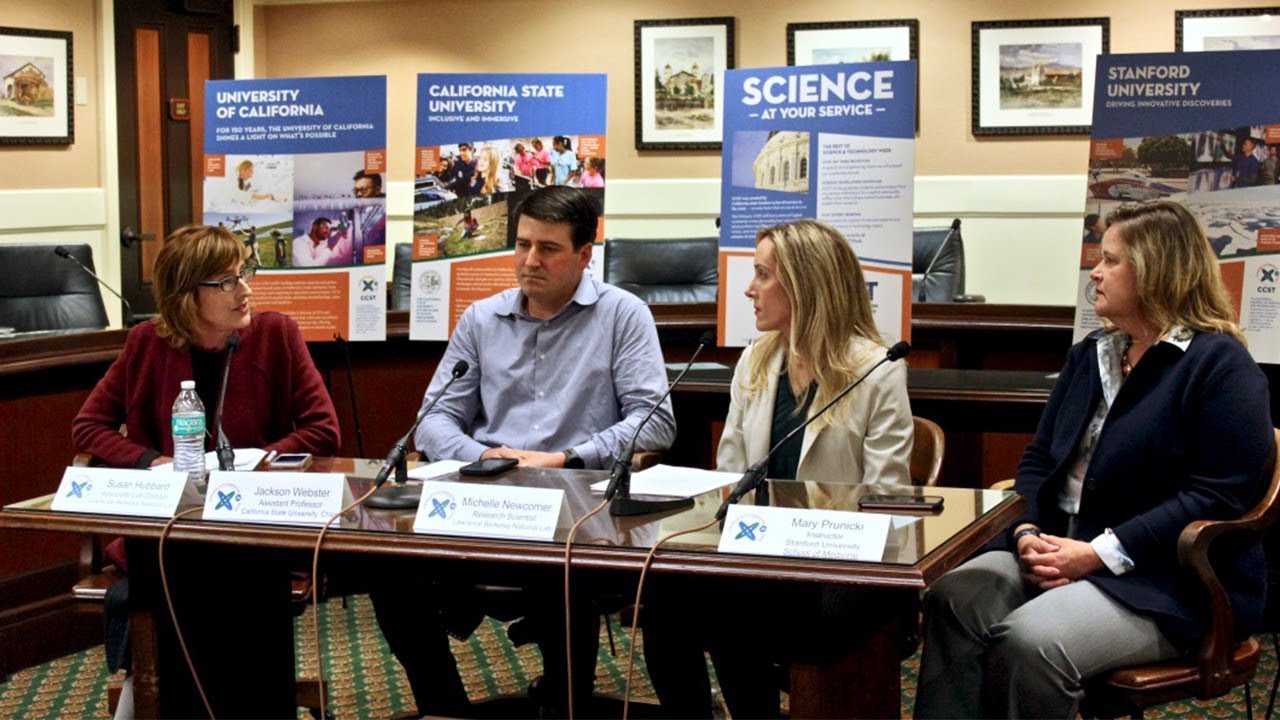
EESA Associate Laboratory Director Susan Hubbard moderated a panel in Sacramento Thursday about the impact California wildfires are having on the environment, with research scientist Michelle Newcomer as a panelist. It was hosted by the California Council on Science & Technology. Watch the video.
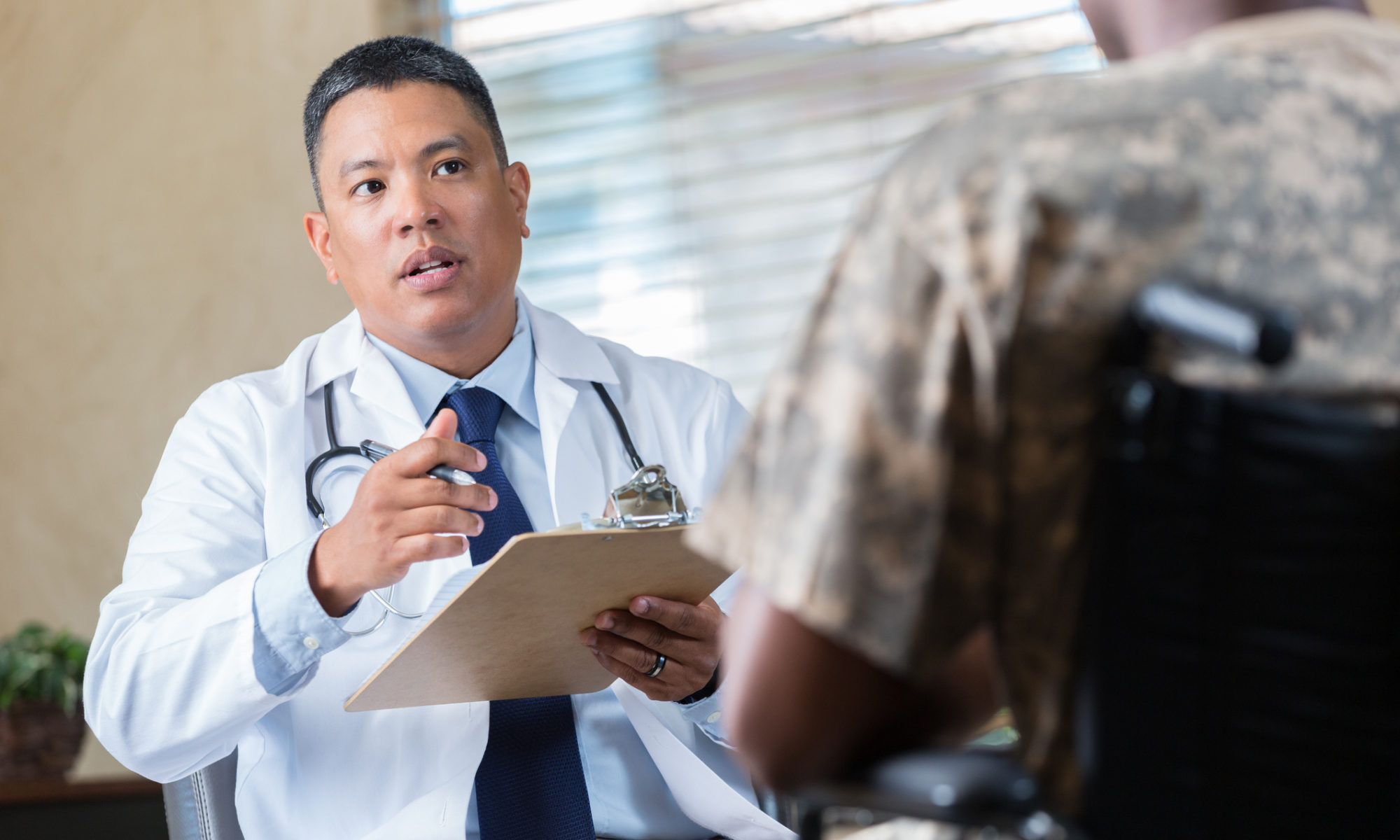
Lab Uses Deep Learning to Help Veterans Administration Address Suicide Risks
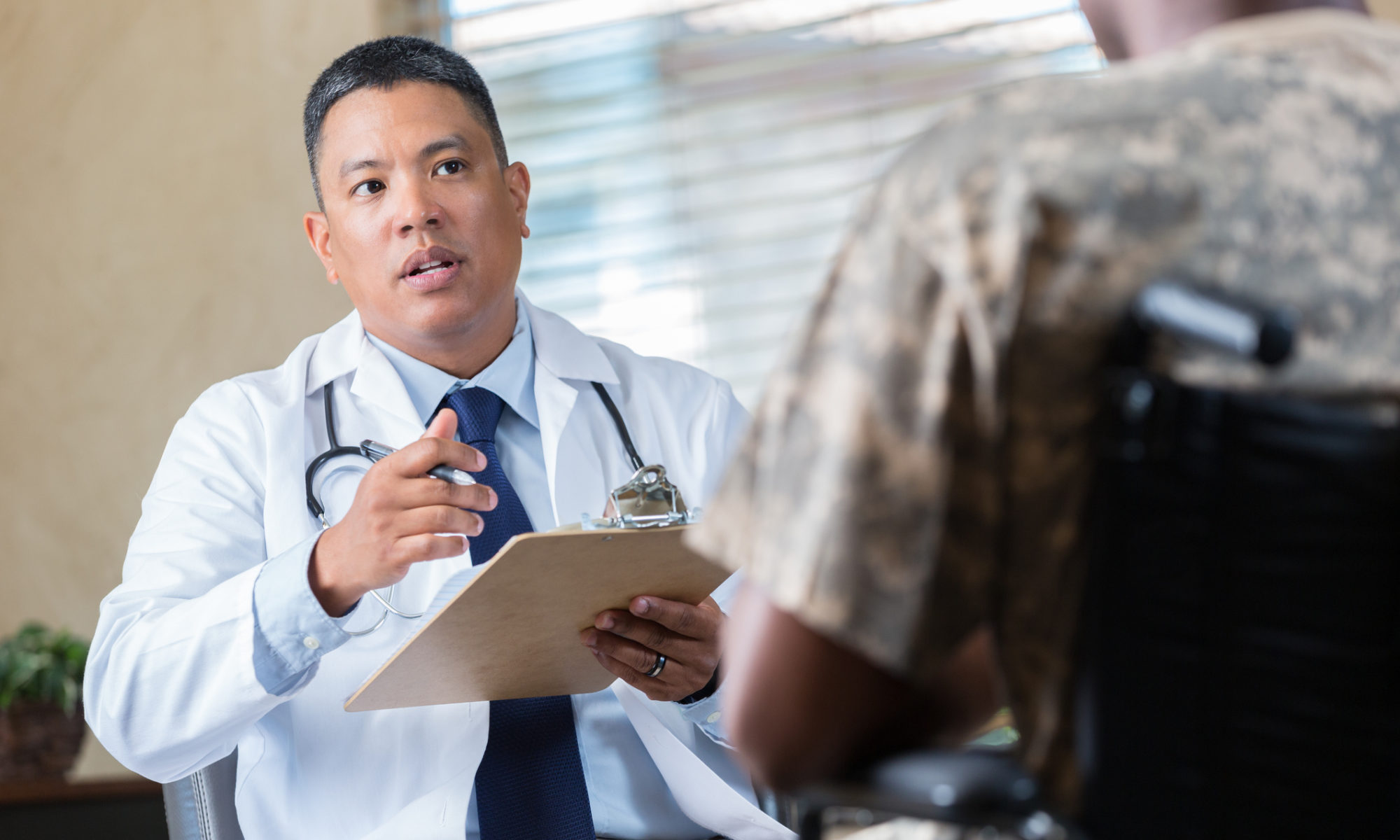
Researchers in the Lab’s Computational Research Division are applying deep learning and analytics to electronic health record data to help the Veterans Administration address a host of medical and psychological challenges affecting many of the nation’s 700,000 military veterans. https://newscenter.lbl.gov/2019/04/03/deep-learning-to-help-veterans/