Experiments at the ALS helped show that, contrary to previous reports, a rechargeable magnesium battery is possible if the electrode material is first conditioned at high temperature. Magnesium batteries promise higher energy densities than lithium-ion batteries — a plus for electric vehicles. https://als.lbl.gov/renewed-prospects-for-rechargeable-mg-batteries/
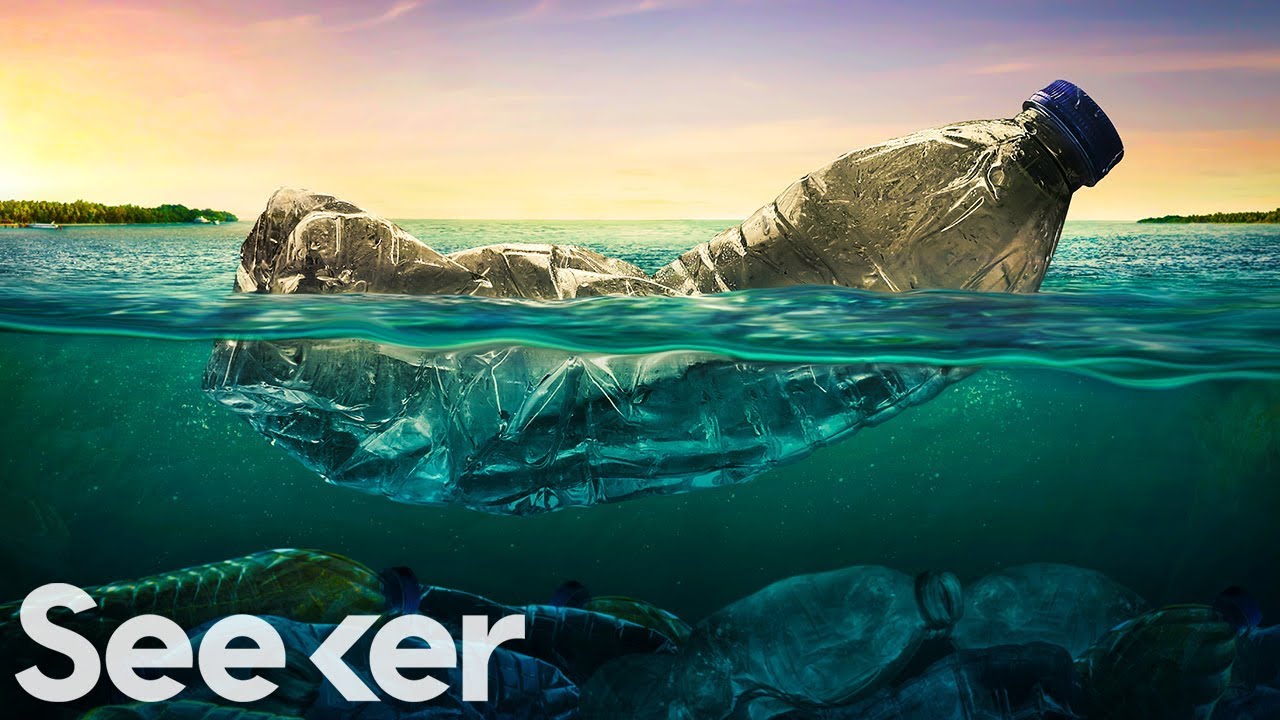
Seeker Video on Lab’s Recyclable Plastic Research
Seeker, a science website, recently posted a video highlighting Lab research on a new kind of plastic that can be disassembled into its constituent parts at the molecular level, and then reassembled into different shapes, textures, and colors repeatedly without loss of performance or quality. https://youtu.be/taNVuQh1-JQ
Cutting Through Haze of ‘Smoke-Free’ Tobacco Products
Marketed as a healthier alternative to cigarettes, heat-not-burn tobacco devices are quickly gaining in popularity. A Berkeley Lab study shows that, although the chemical emissions from these devices are lower than conventional cigarettes, they are still high enough to raise concern. https://newscenter.lbl.gov/2019/09/09/smoke-free-tobacco-risk/
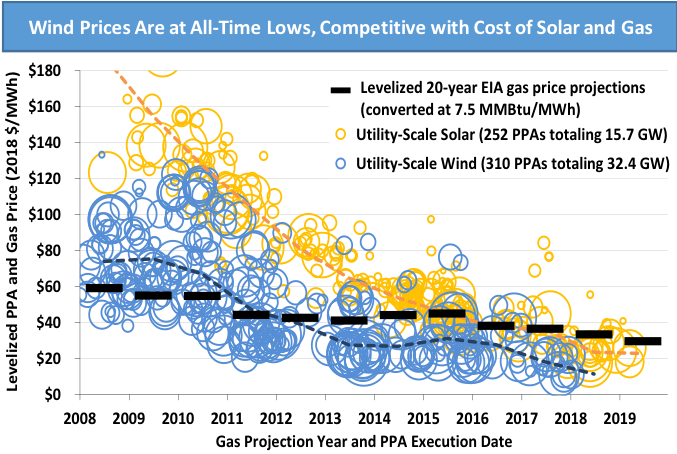
New Technology Drives Down Cost of Wind Energy
Wind energy pricing remains attractive, according to a report released by the U.S. Department of Energy and prepared by Berkeley Lab. With prices averaging below 2 cents per kilowatt-hour for newly built projects, wind is competitive with other generation sources. https://newscenter.lbl.gov/2019/08/26/report-confirms-wind-technology-advancements-continue-to-drive-down-the-cost-of-wind-energy/
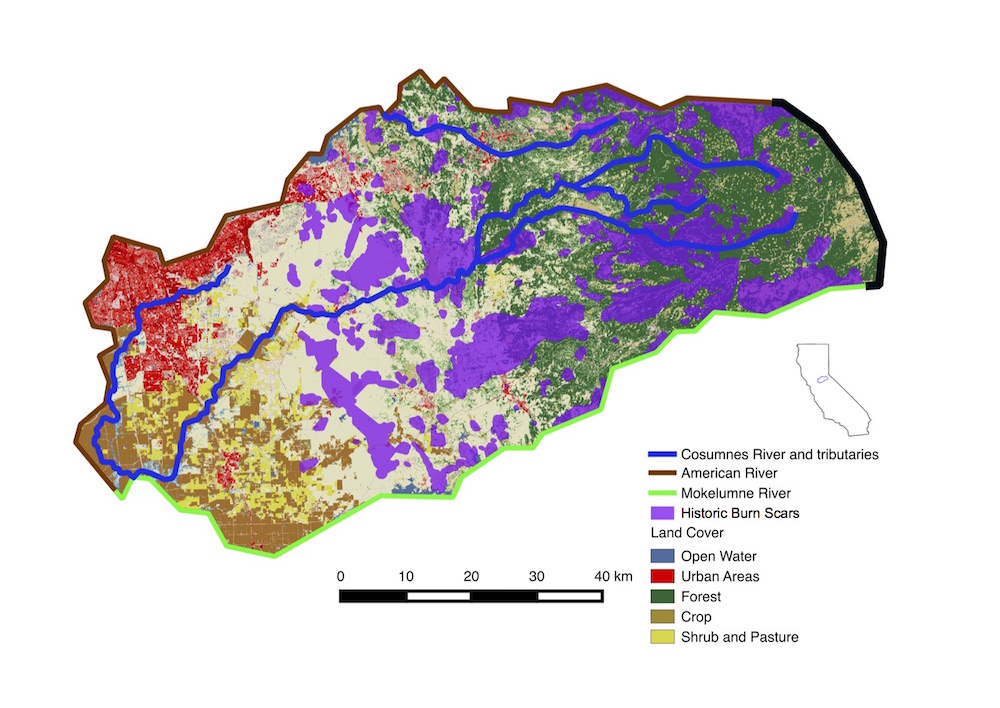
How California Wildfires Can Impact Water Availability
A Berkeley Lab study analyzes hydrological changes in a California watershed following a wildfire. In recent years, wildfires in the west have increased in frequency and scale, and prolonged periods of drought are predicted, which can create conditions amenable to even more wildfires. https://newscenter.lbl.gov/2019/09/04/how-california-wildfires-can-impact-water-availability/
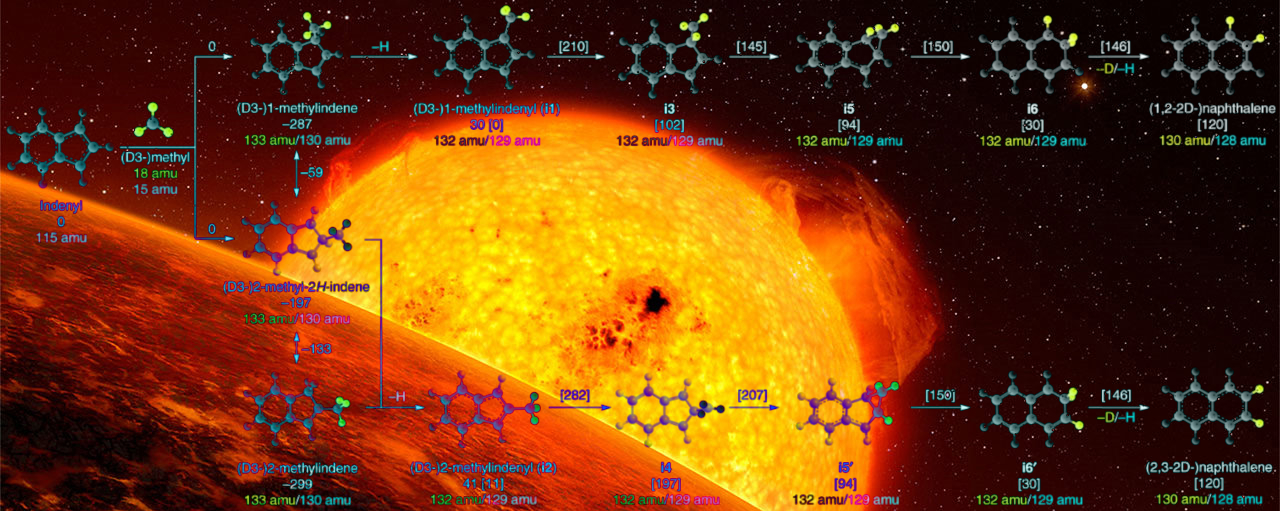
Radical Wrinkle in Forming Carbon Molecules in Space
A team of scientists has discovered a new possible pathway toward forming carbon structures in space using a specialized chemical exploration technique at Berkeley Lab’s Advanced Light Source. https://newscenter.lbl.gov/2019/09/03/radical-wrinkle-complex-carbon-molecules-in-space
ETA’s Danilovic Awarded ECS-Toyota Fellowship
Nemanja Danilovic of the Energy Technologies Area received a $50,000 ECS-Toyota Young Investigator fellowship for his proposal to develop a high-temperature microcavity experimental setup for interrogating the nanoparticle catalyst/ionomer interface under high-temperature fuel cell conditions. https://esdr.lbl.gov/news/article/berkeley-lab-scientist-awarded-ecs
Accelerator Expert Tom Elioff Dies
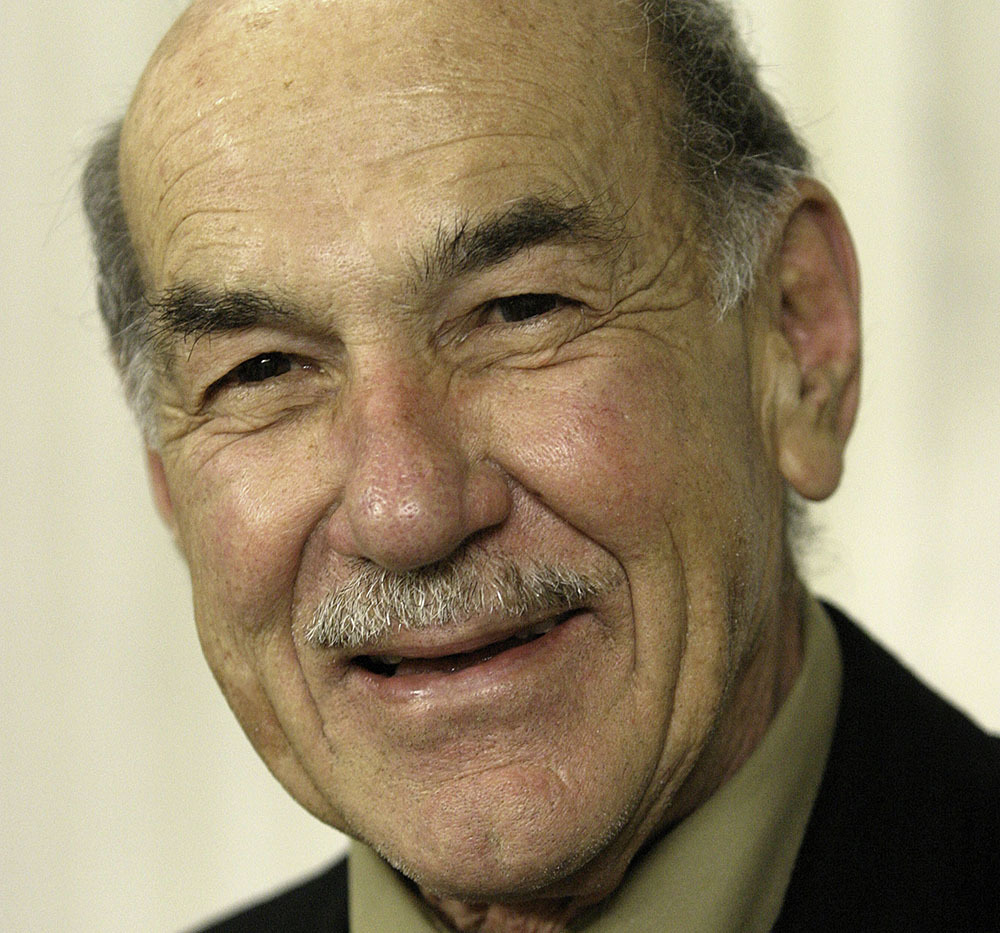
Tom Elioff, an accelerator physicist and former deputy director of the Accelerator Division at Berkeley Lab, died June 27 in Berkeley at the age of 85. He played a leading role in managing the construction of particle accelerators used for groundbreaking research at Berkeley Lab and SLAC. https://engineering.lbl.gov/remembering-u-s-particle-accelerators-expert-tom-elioff/
‘Expert in a Suitcase’ Cuts Power Bills 10% in Small Commercial Buildings
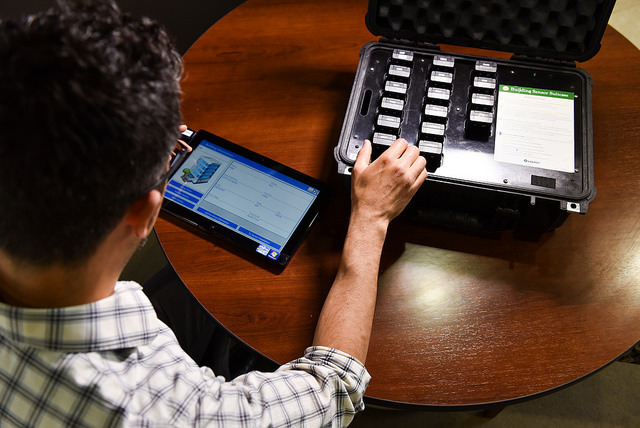
The Sensor Suitcase is a portable case that contains easy-to-use sensors and other equipment that make it possible for anyone to identify energy-saving opportunities in small commercial buildings. Listen to researcher Jessica Granderson discuss this research. https://newscenter.lbl.gov/2017/06/01/expert-suitcase-cuts-power-bills-10-small-commercial-buildings/
IGB Move-In Rescheduled for November
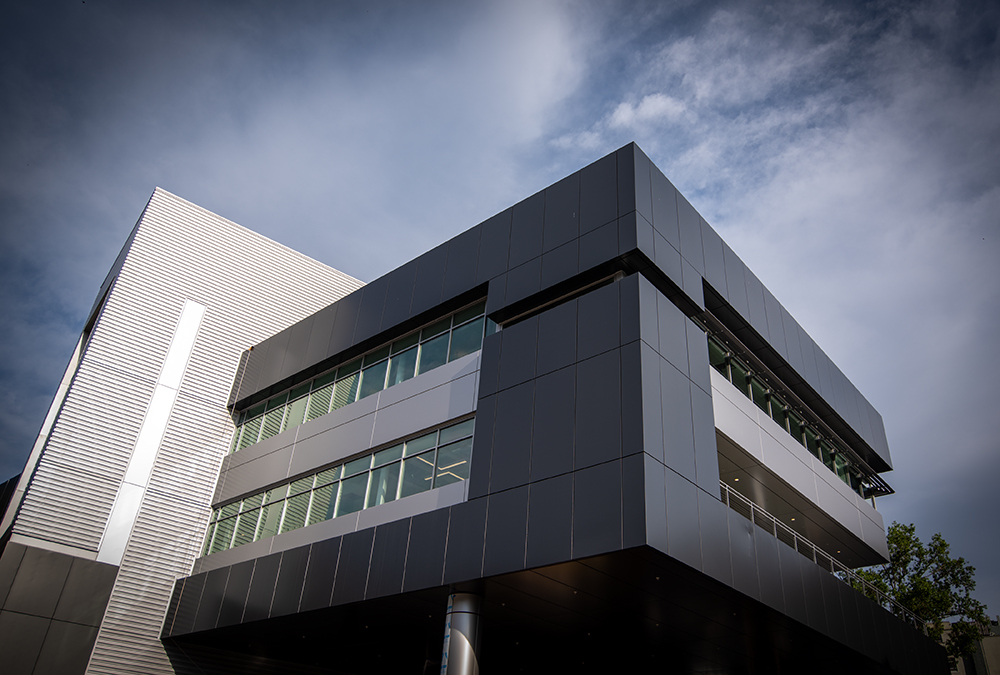
To ensure safe completion of the construction and building system testing, and to minimize user support disruptions, the move-in date for the Integrative Genomics Building has been moved to Nov. 1. It was previously scheduled for this month. The move-in will be phased in through mid-December. https://jgi.doe.gov/about-us/location/