DOE announced that the National Alliance for Water Innovation led by Berkeley Lab will lead an Energy-Water Desalination Hub to address water security issues in the United States. The Hub will focus on energy-efficient and cost-competitive desalination technologies and nontraditional water sources. https://newscenter.lbl.gov/2019/09/23/new-100m-innovation-hub-to-accelerate-rd-for-a-secure-water-future/
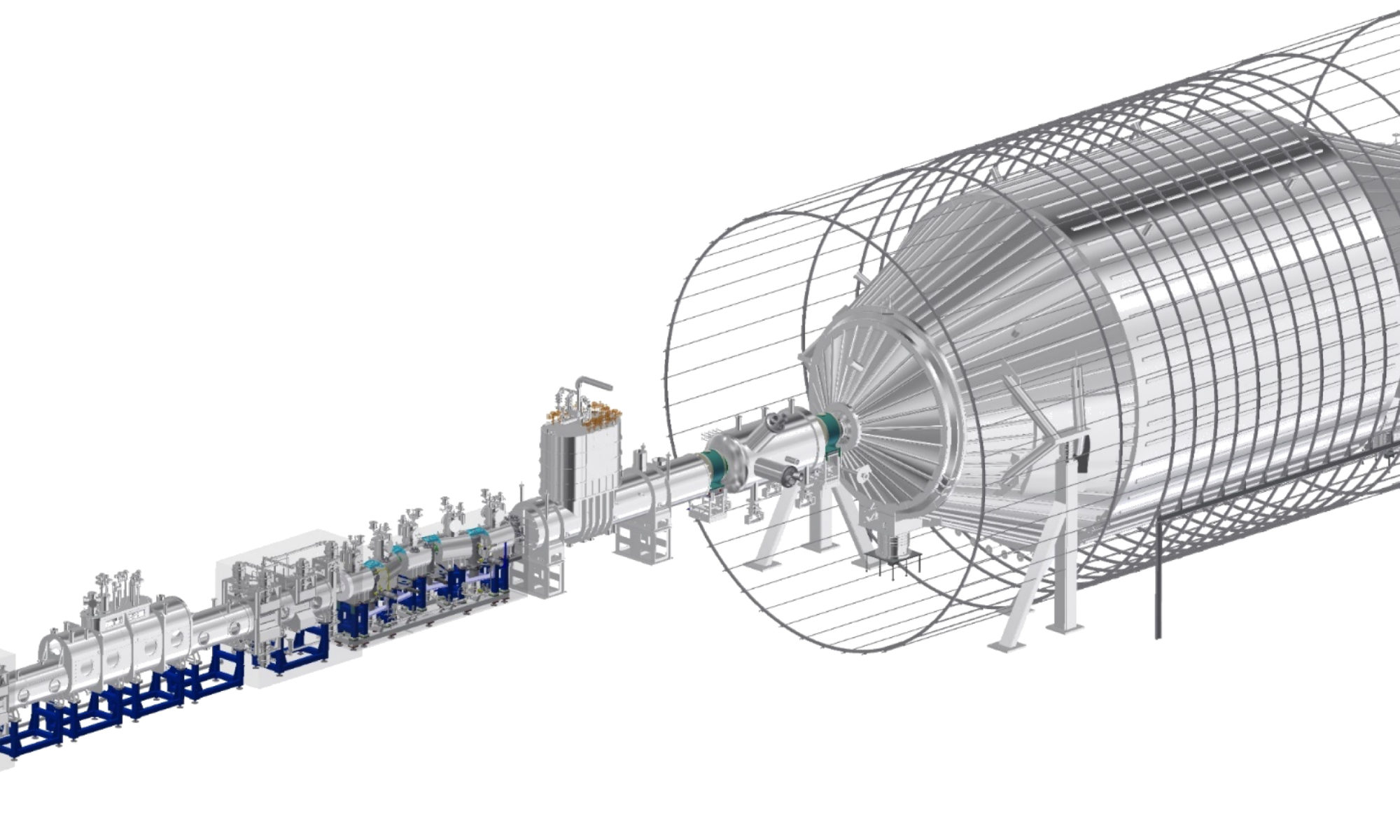
KATRIN Cuts the Mass Estimate for Neutrino in Half
A team of scientists has announced a breakthrough in its quest to measure the mass of the neutrino, one of the most abundant yet elusive elementary particles in our universe. Knowing the mass of the neutrino will help answer fundamental questions in cosmology, astrophysics, and particle physics. https://newscenter.lbl.gov/2019/09/16/katrin-cuts-neutrino-mass-estimate-in-half/
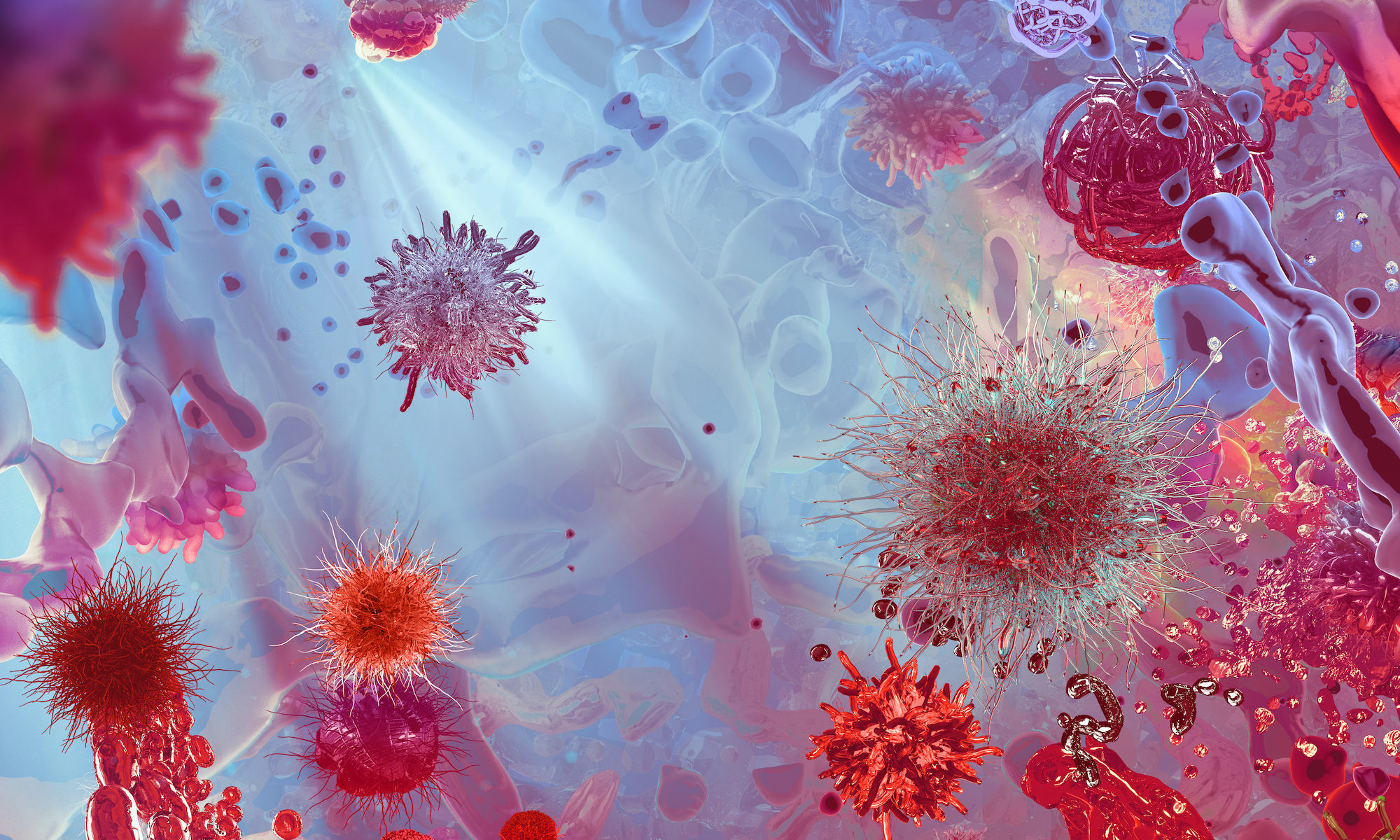
Decoding Messages in the Body’s Microscopic Metropolises
A study aimed at identifying and examining the small messenger proteins used by microbes living on and inside humans has revealed an astounding diversity of more than 4,000 families of molecules — many of which have never been described previously. https://newscenter.lbl.gov/2019/09/12/decoding-messages-in-the-bodys-microscopic-metropolises/
2019 SLAM Winners Announced
Three winners emerged from the Lab’s Sept. 19 SLAM pitch contest for early career scientists and postdocs. First prize went to Wenhao Sun (Materials Sciences), Bashir Mohammed (CRD) won second place, and Tess Smidt (CRD) was the People’s Choice winner. Watch Elements for more on SLAM participants. https://slam.lbl.gov/home
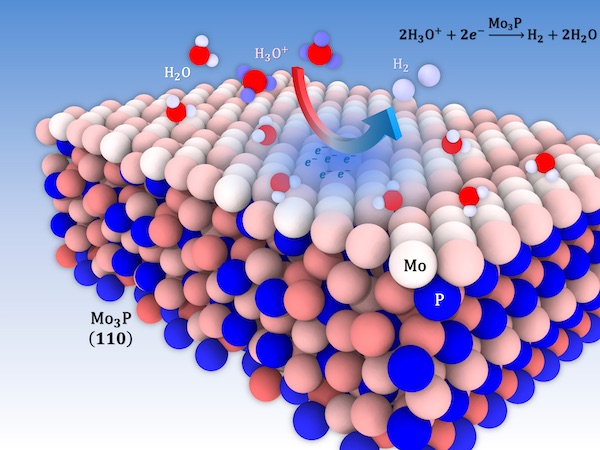
Foundry Helps Uncover New Water-Splitting Catalyst
In a recent study, a team of Molecular Foundry scientists and users from the Illinois Institute of Technology found that trimolybdenum phosphide is a low cost, abundant alternative for catalyzing hydrogen production and creating clean hydrogen fuel. https://foundry.lbl.gov/2019/08/27/uncovering-the-origin-of-high-performance-in-a-new-water-splitting-catalyst/
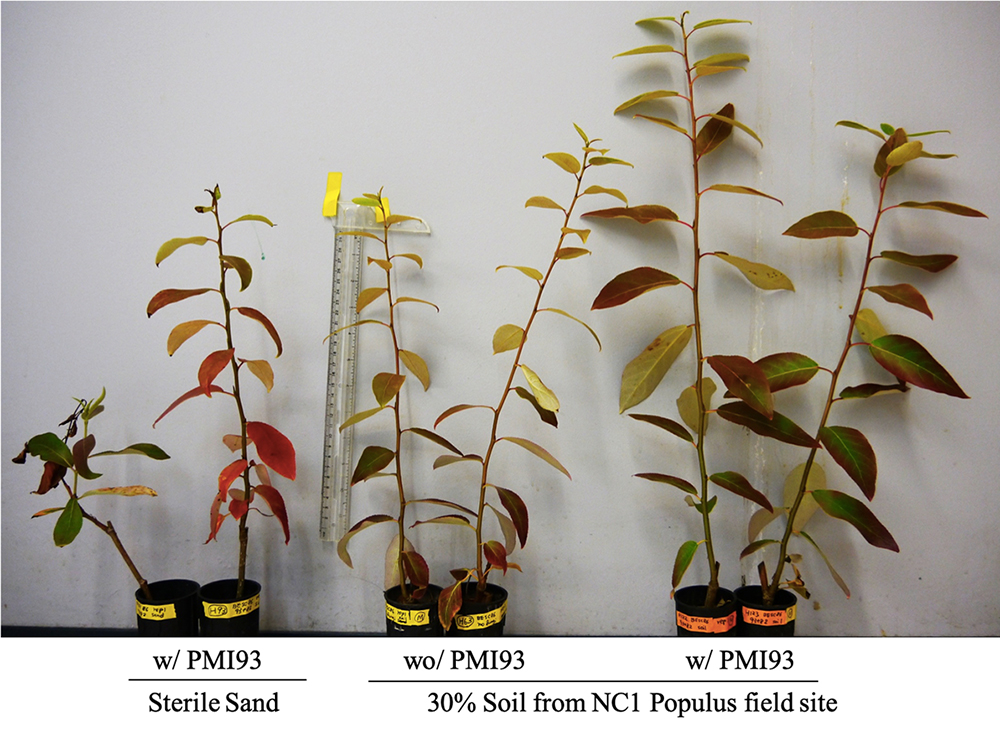
JGI Helps Illuminate How a Fungus Fuels Tree Growth
Scientists used the Joint Genome Institute to investigate how the fungus Mortierella elongata encourages the growth of poplar trees, a fast-growing hardwood and potential biofuel stock. Part of the answer: M. elongataseems to play a role in lowering the poplars’ defenses. https://jgi.doe.gov/fungus-fuels-poplar-tree-growth/
How to Get a Particle Detector on a Plane
Airplane passengers often bring pets or musical instruments on flights. But what about particle detectors? Here’s how delicate detector pieces assembled and tested by a Berkeley Lab team for the ALICE detector at CERN get to Switzerland. https://newscenter.lbl.gov/2019/09/19/how-to-get-a-particle-detector-on-a-plane
Sept. 27 Training for K-12 Outreach
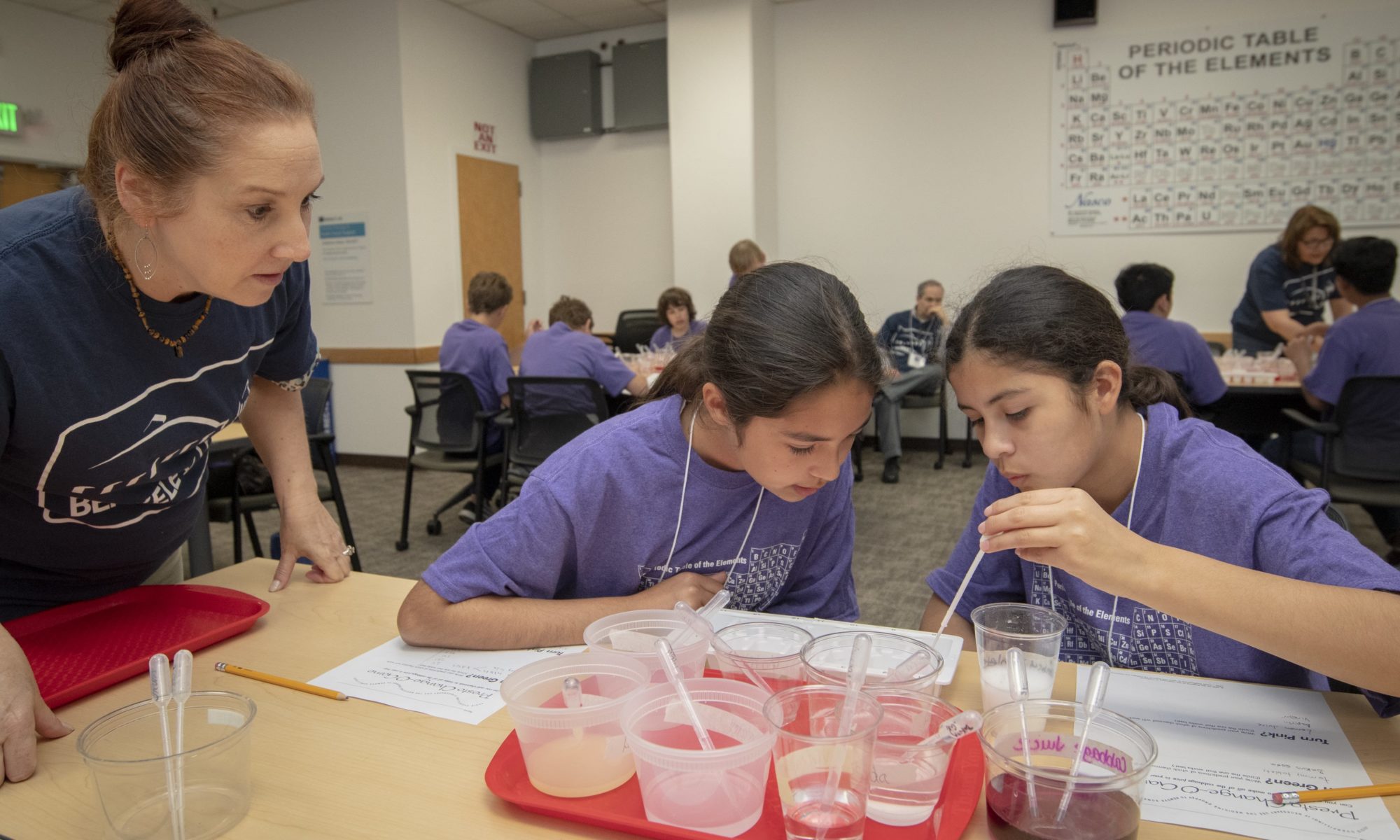
Employees interested in demonstrating science in local classrooms are invited to attend one of two trainings on Friday, Sept. 27, one at 9 a.m. and the other at 1 p.m. The sessions will cover specific science topics, communication, and classroom management. https://k12education.lbl.gov/volunteer
Work at ALS Aids Development of Anti-Tuberculosis Drug
The FDA has approved a new antibiotic that, in combination with two existing antibiotics, can tackle the bacterium that causes tuberculosis. Studies exploring the structure and function of the new drug benefited from X-ray experiments at Berkeley Lab’s Advanced Light Source. https://newscenter.lbl.gov/2019/09/12/xray-experiments-contribute-fda-approval-tuberculosis-drug/
ESnet Partners to Build Network Research Infrastructure
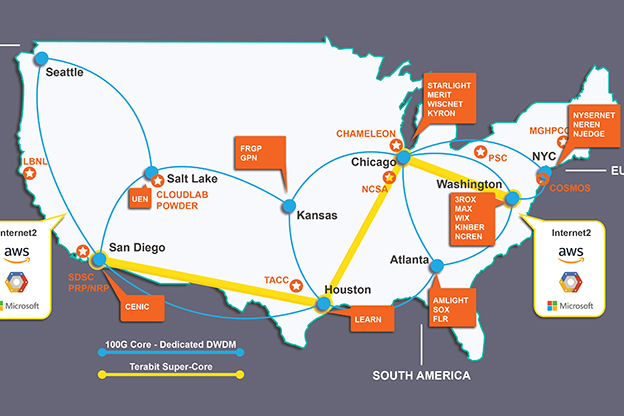
Berkeley Lab’s ESnet is one of five organizations leading an effort to create a nationwide research infrastructure that will enable the computer science and networking community to develop and test novel architectures that could yield a faster, more secure Internet. https://newscenter.lbl.gov/2019/09/17/esnet-partners-novel-network-research-infrastructure-project/