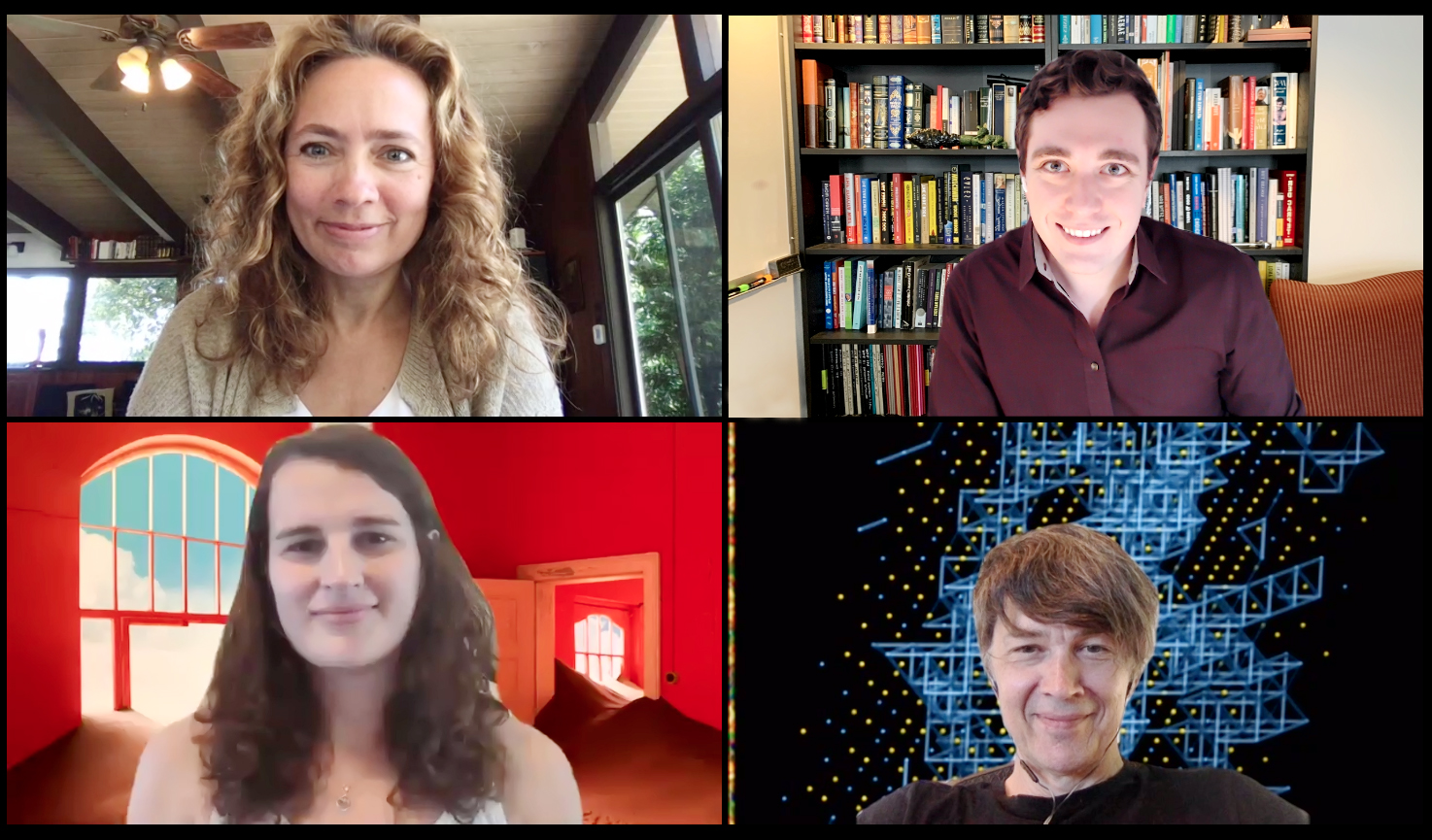
Scientists from Pacific Northwest and Lawrence Berkeley National Laboratories showed that both dietary and supplementary sources of a common gut microbe or its main chemical product, lactic acid, led to better memory performance in mice. https://newscenter.lbl.gov/2020/04/29/genetics-microbiome-memory/
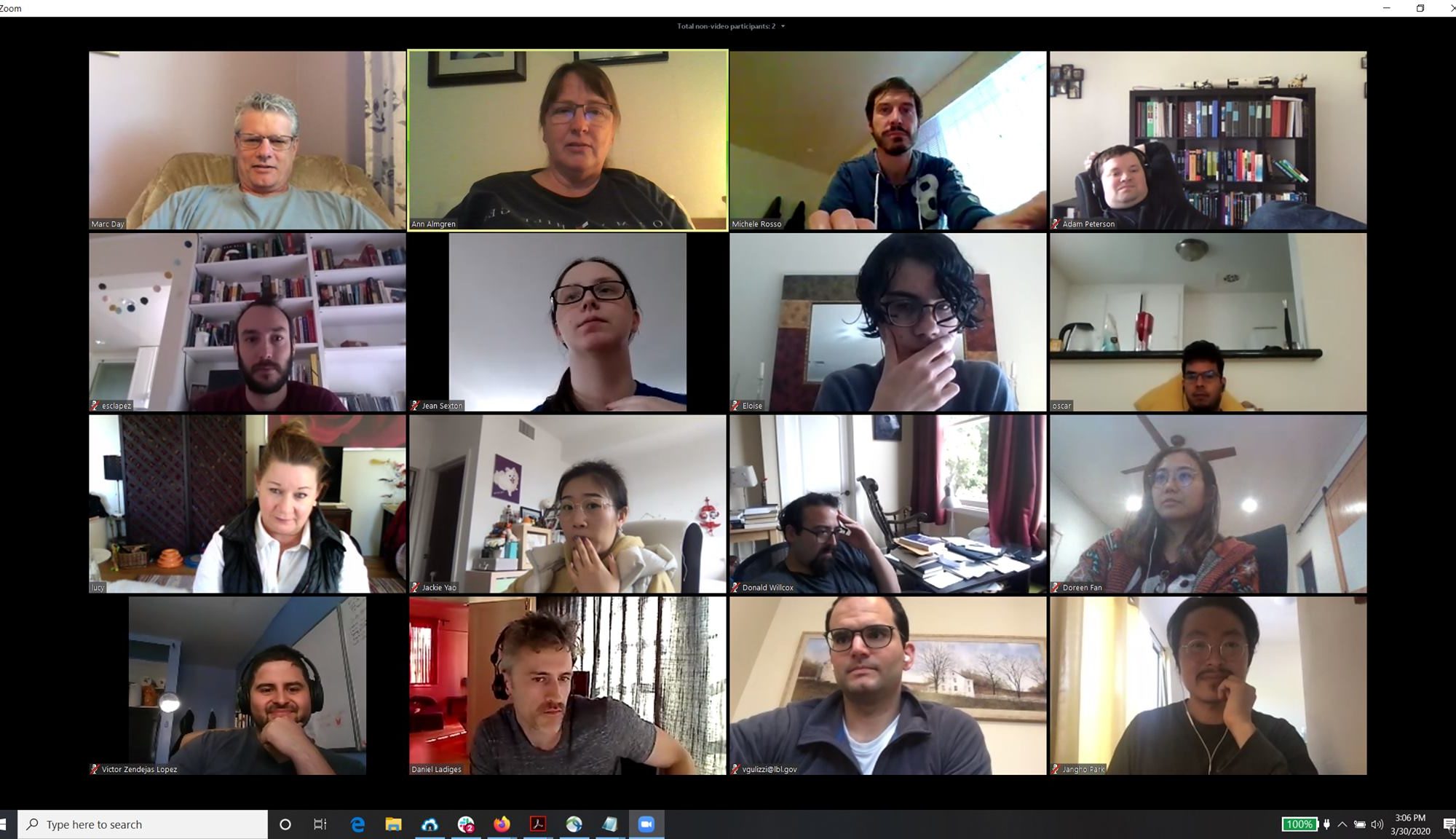
Computing Researchers Discuss Life in the COVID Era
In a recent Zoom meeting, Center for Computational Sciences and Engineering researchers discussed how they’re maintaining their science and their sanity as they adapt to social distancing. Some of them shared what their work and life is like during shelter-in-place in this Facebook post. https://bit.ly/CCSEprofiles
Machine Learning Tool Could Provide COVID-19 Insights
A team of Berkeley Lab materials scientists — who normally spend their time searching for useful new materials — have built a text-mining tool in record time to help synthesize the mountain of scientific literature on COVID-19 that is being generated every day by the world’s scientists. https://newscenter.lbl.gov/2020/04/28/machine-learning-tool-could-provide-unexpected-scientific-insights-into-covid-19/
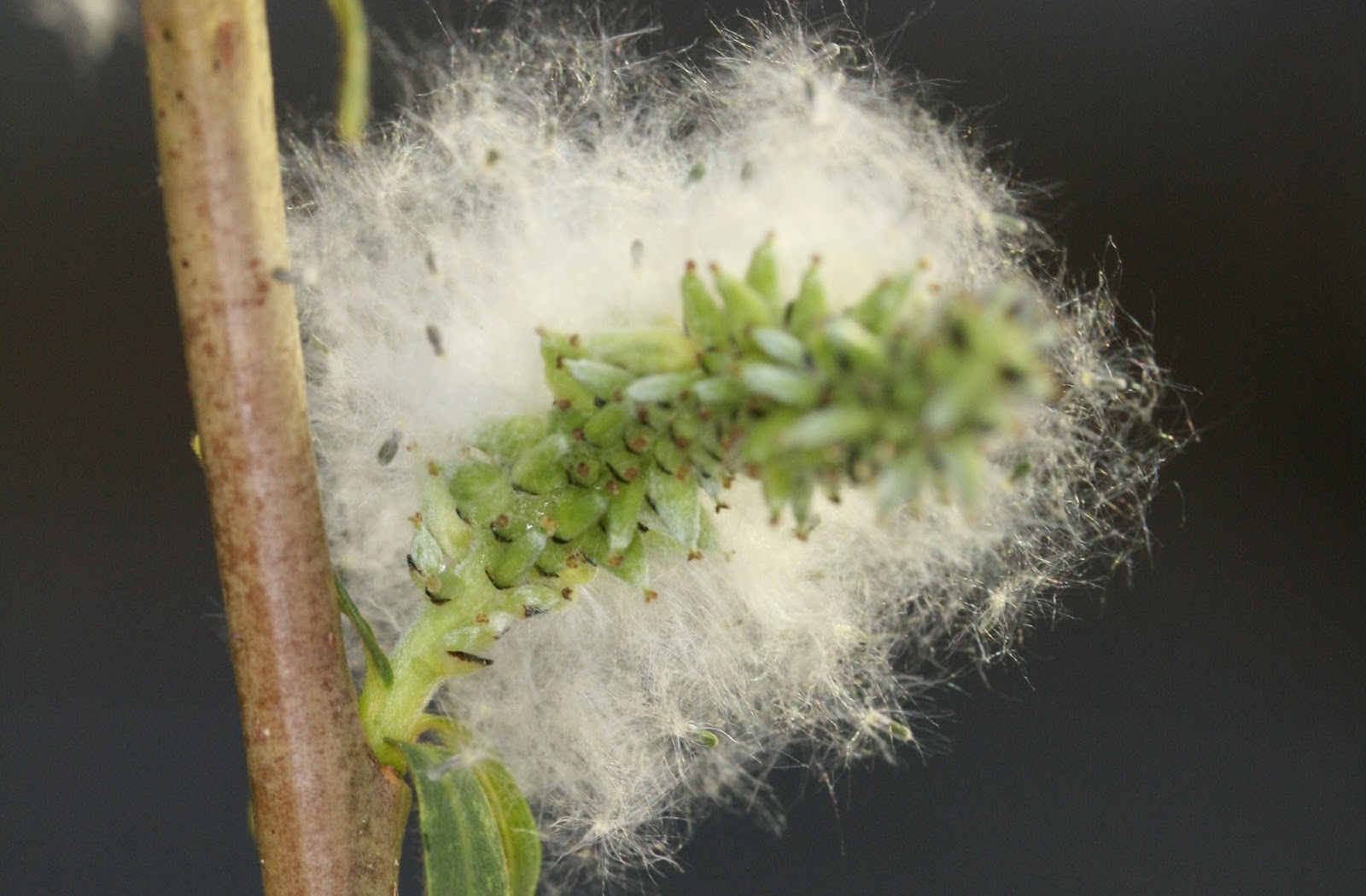
Surprising Structure of a Shrub Willow Sex Chromosome
A genetic architecture characteristic of the sex chromosomes in mammals has been seen, for the first time, in a plant. A team led by West Virginia University scientists found it in the shrub willow, a potential source of biofuels. This work was enabled in part by JGI’s Community Science Program. https://jgi.doe.gov/surprising-structure-of-shrub-willow-sex-chromosome/
Uncovered: Physics of Superluminous Supernovae
For the first time ever, researchers simulated the 3D physics of superluminous supernovae — which are about a hundred times more luminous than typical supernovae. They achieved this milestone using Berkeley Lab’s CASTRO code and the National Energy Research Scientific Computing Center (NERSC). https://cs.lbl.gov/news-media/news/2020/nworlds-first-3d-simulations-illuminates-the-physics-of-superluminous-supernovae/
How Deadly is COVID-19?: A Time-Series Analysis Presentation Today
Comparison of the mortality rate in Italy’s older population from March 2020 to previous years will be presented on Thursday, April 23, at 4 p.m. by Lab researchers from the Physics Division. The analysis may provide an indicator of the mortality rate due to COVID-19 in the United States. https://www.google.com/calendar/event?eid=NW9sYzBrNHZvc2k0dTFyNGw1bmNncjA5cTRfMjAyMDA0MjNUMjMwMDAwWiBsYmwuZ292XzRzNHJyZzEybDZlcWc2bmNtYzJrdDB2Y2dnQGc&ctz=America/Los_Angeles
New Website for Lab’s COVID Research
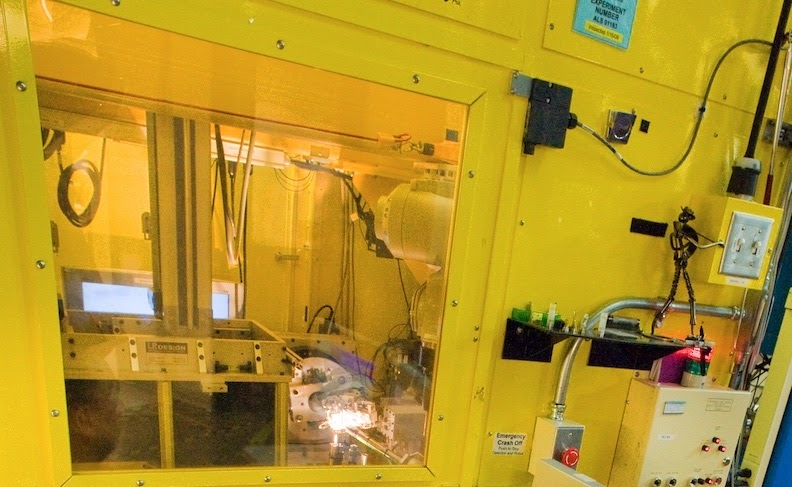
The Lab’s efforts to address big scientific challenges with multidisciplinary teams of experts and five national user facilities (including the ALS, pictured) is now being called into action to accelerate the global response to COVID-19. A new website highlights research taking place at the Lab. https://covid.lbl.gov/Berkeley-Lab-COVID-19-Research
Picking Up Threads of Cotton Genomics
A multi-institutional team including Joint Genome Institute researchers has sequenced and assembled the genomes of the five major cotton lineages, providing breeders with insights on crop improvements at a genetic level. These reference genomes are available on JGI’s plant portal Phytozome. https://jgi.doe.gov/picking-up-threads-of-cotton-genomics/
ESnet Helps Comcast Meet High COVID-Related Demand
A network diagnostic and performance measurement tool developed at the Energy Sciences Network (ESnet) is being used by Comcast to fine-tune the largest residential Internet network in the United States and help ensure its services remain up and running at top speed during the COVID-19 crisis. https://www.es.net/news-and-publications/esnet-news/2020/esnets-iperf3-helps-comcast-meet-customer-demand-during-covid-isp-surge/?ct=t(EMAIL_CAMPAIGN_2020421_ITL)
Review of Promising New Materials for Energy
Berkeley Lab and NREL researchers have performed a comprehensive review of a unique, emerging class of materials called chalcogenides that hold the potential for use in solar cells, water splitting, and other energy applications. https://www.nrel.gov/news/program/2020/nrel-researchers-review-promising-class-of-new-materials-for-energy-applications.html