Are you developing new technology or software that might have commercial value? Do you have questions about NDAs and MTAs, or entrepreneurship training? Join IPO for its first-ever Tech Transfer Tuesday, where IPO staff will answer your intellectual property and entrepreneurship questions. https://calendar.google.com/event?action=TEMPLATE&tmeid=M2NoNGJpdThrbm1rdmY1Zmw5bm5xZ2Jla2QgbGJsLmdvdl80czRycmcxMmw2ZXFnNm5jbWMya3QwdmNnZ0Bn&tmsrc=lbl.gov_4s4rrg12l6eqg6ncmc2kt0vcgg%40group.calendar.google.com
A Closer Look at Water-Splitting’s Solar Fuel Potential
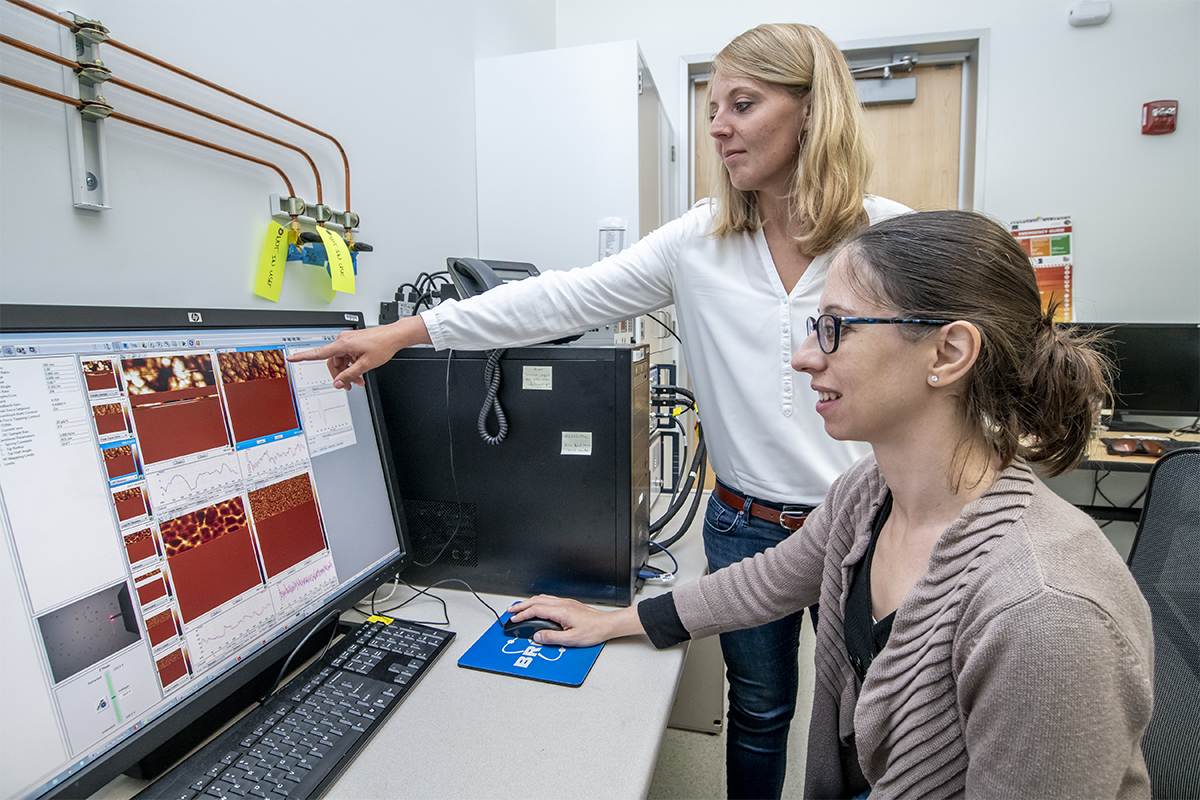
A recent study provides important new insights on how the performance of a promising semiconducting thin film can be optimized at the nanoscale for renewable energy applications, like generating solar fuels. Francesca Toma (right in 2018 photo with Johanna Eichhorn) is the lead author of the study. https://newscenter.lbl.gov/2020/08/06/water-splitting-solar-fuel/
Geothermal Brines Could Propel State’s Green Economy
Among the critical metals in the Salton Sea is lithium. Finding a way to unlock this resource could power the state’s green economy for years to come. Now the race is on to develop technology that can efficiently extract lithium from the brine produced by the geothermal plants near the Salton Sea. https://newscenter.lbl.gov/2020/08/05/geothermal-brines-could-propel-californias-green-economy/
Five Videos on How Lab Is Fighting Against COVID-19
In these videos, Berkeley Lab scientists discuss five of the latest research projects, now under way at Berkeley Lab, which aim to help address some of the many scientific challenges posed by the pandemic. https://newscenter.lbl.gov/2020/08/04/5-ways-covid19/
Lab Cosmologist Wins Science Photo Competition
Uros Seljak won a global Wikimedia photo and image competition for this microwave image of a Milky Way dust emission polarization pattern. Physics postdoctoral researcher Yu Feng assisted with data processing and Andrej Berlot assisted with post-processing. https://commons.wikimedia.org/wiki/Commons:Wiki_Science_Competition_2019/Winners#Non-photographic_media
Berkeley Lab Part of Team Awarded $60M for Solar Fuels Research
The Department of Energy has awarded $60 million to a new solar fuels initiative led by Caltech in close partnership with Berkeley Lab. The effort to advance technologies for the production of fuels from sunlight will build on the foundational work of the Joint Center for Artificial Photosynthesis. https://newscenter.lbl.gov/2020/07/30/berkeley-lab-60m-solar-fuels-award/
New Study Defies ‘Discrepancy’ in Particle Measurement
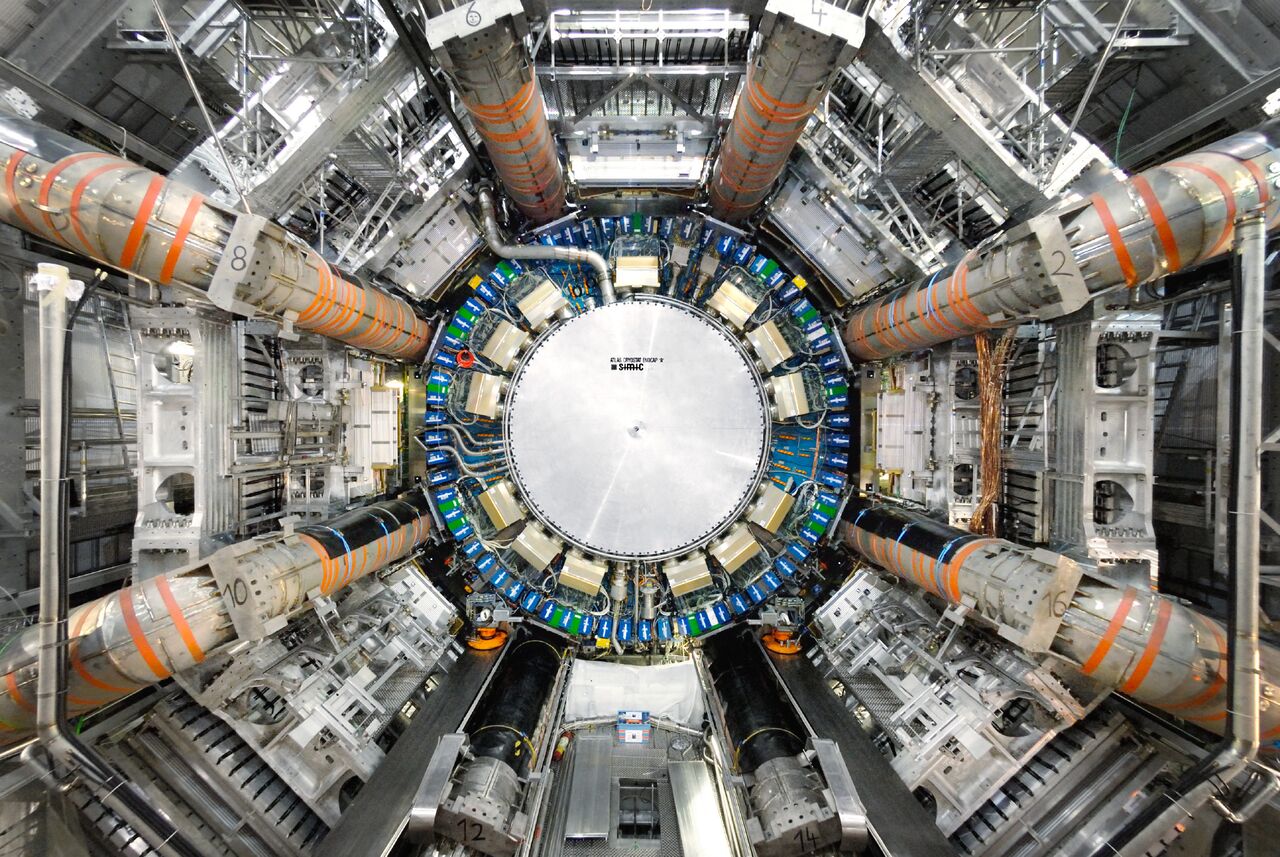
In particle physics, the anomalies and results that don’t quite synch with Standard Model-based predictions and calculations create a buzz among those working in the field. A new study dives into a decades-old particle physics discrepancy and provides strong evidence to resolve it. https://newscenter.lbl.gov/2020/07/29/another-win-for-the-standard-model-new-study-defies-decades-old-discrepancy-with-high-precision-measurement/
Ultraviolet Flash May Explain How White Dwarfs Explode
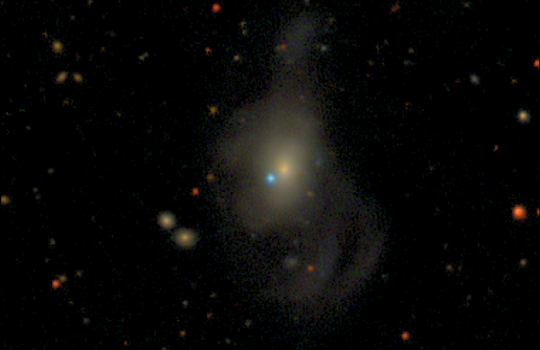
For just the second time, astrophysicists have spotted a spectacular flash of UV light in a supernova following a white dwarf explosion. This event may offer insights into mysteries such as what causes white dwarfs to explode and how dark energy is accelerating the universe’s expansion. https://cs.lbl.gov/news-media/news/2020/spectacular-ultraviolet-flash-may-finally-explain-how-white-dwarfs-explode/
Algorithm to Classify Fungi and Unlock Climate Insights
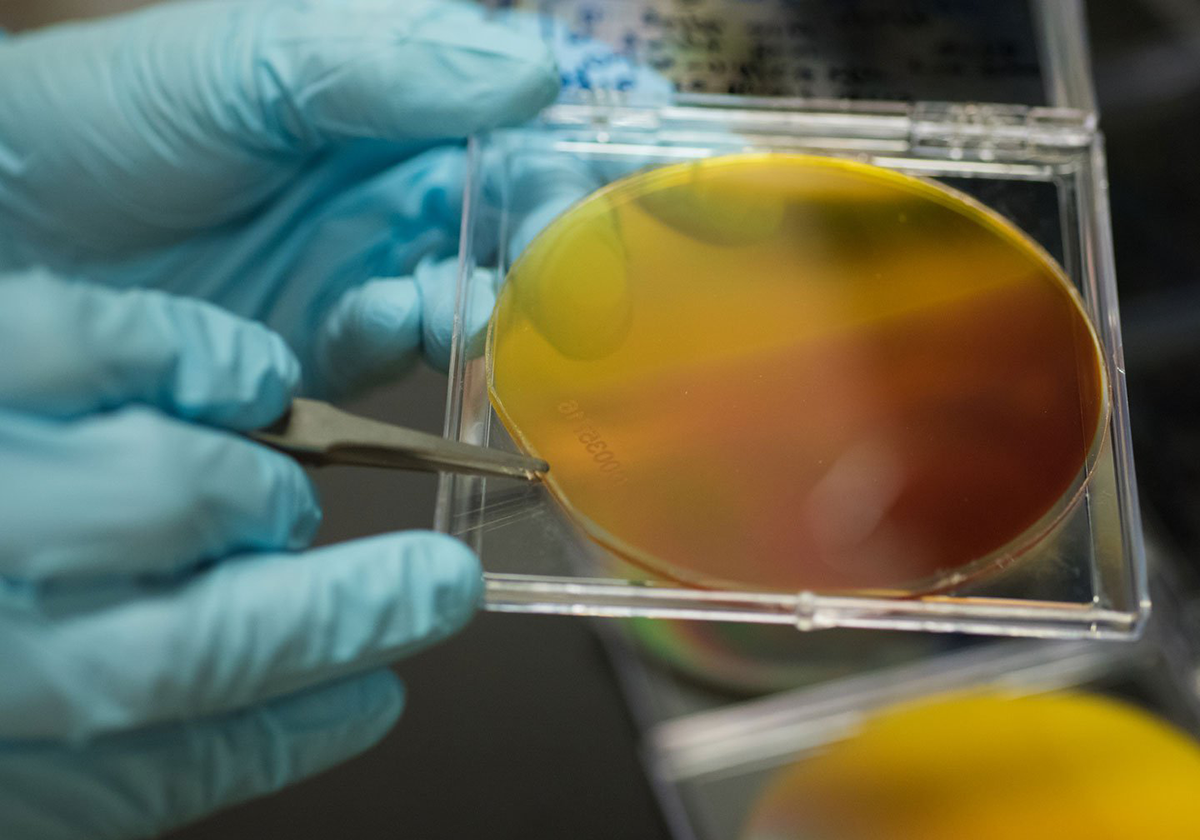
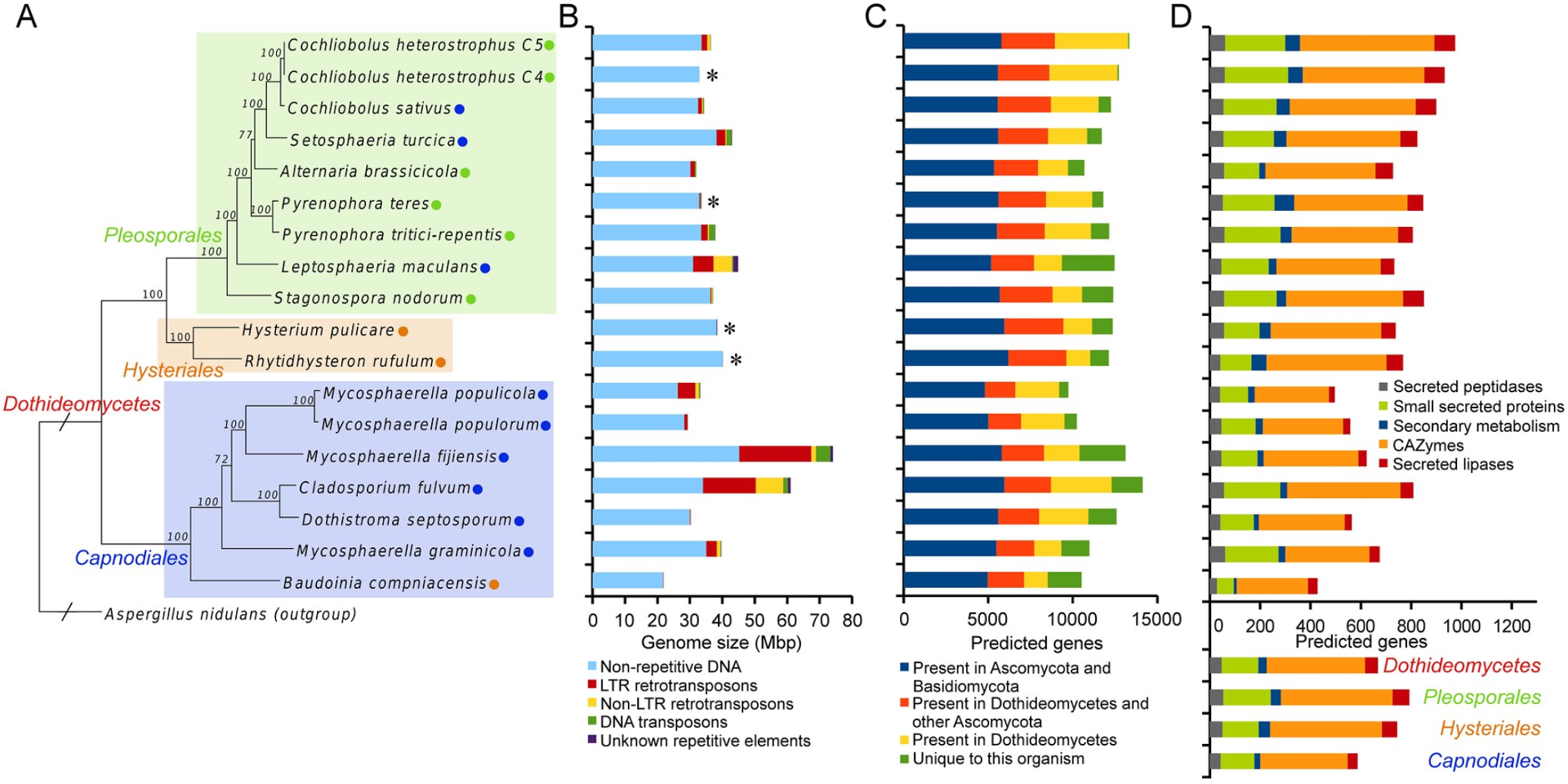
Researchers developed an algorithm to classify 101 representative genomes of Dothideomycetes, the largest class of fungi, by lifestyles. Learning about the ecology and evolution of Dothideomycetes could provide more insights into how these fungi have adapted to stress and climate change effects. https://jgi.doe.gov/computationally-classifying-fungal-lifestyles/
X-Ray Experiments Recount Origin of Oddball Meteorites
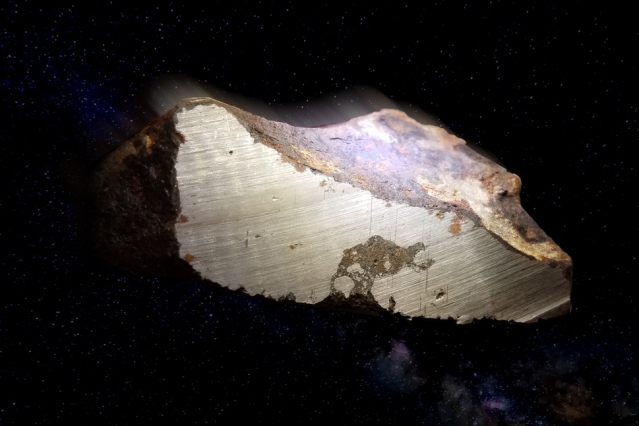
X-ray experiments at Berkeley Lab played a key role in resolving the origin of rare, odd meteorites that have puzzled scientists since their discovery a half-century ago. Known as type IIE iron meteorites, they appear to originate from a parent body that features both melted and unmelted parts. https://newscenter.lbl.gov/2020/07/27/x-rays-recount-origin-of-oddball-meteorites/