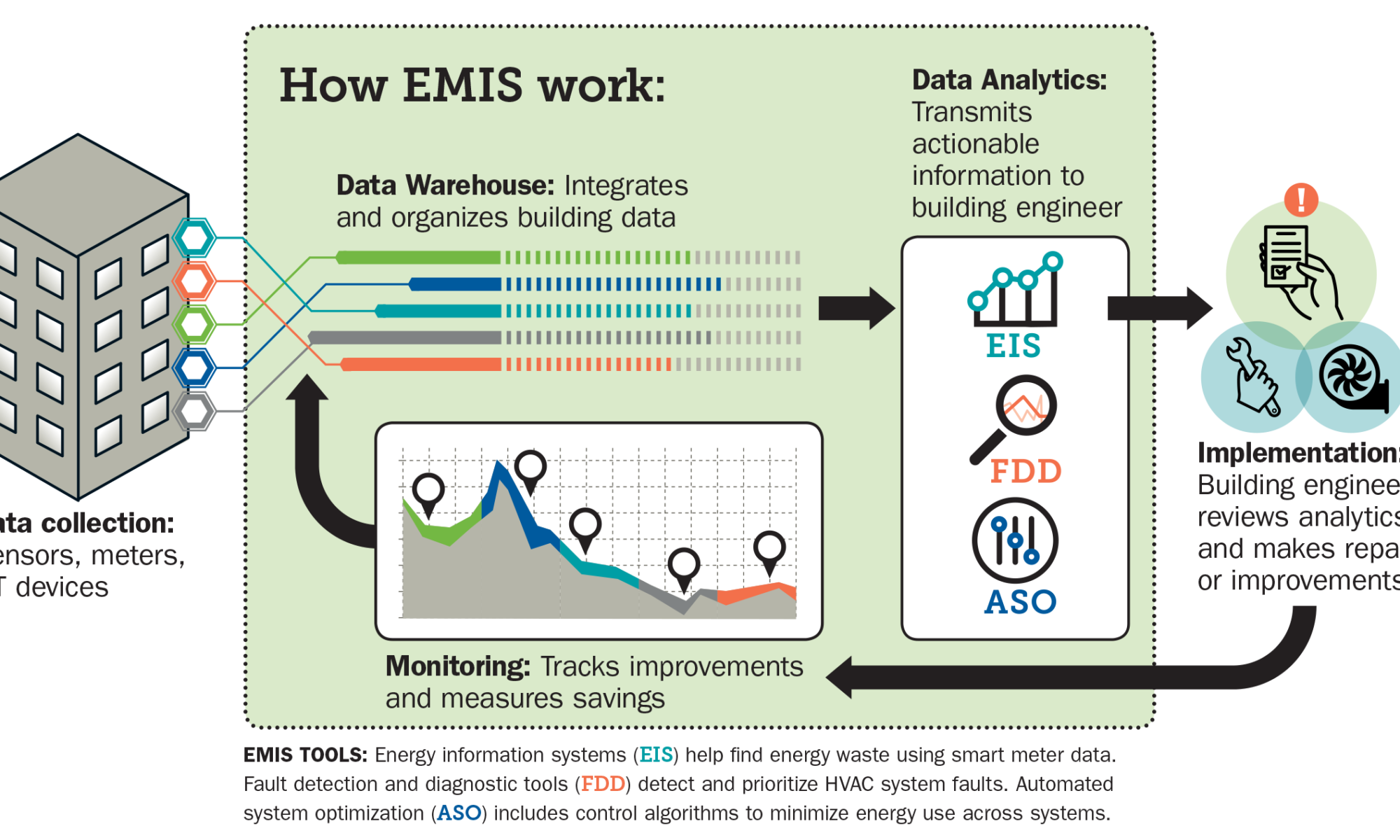
One hundred and four U.S. companies, schools, governments, and institutions are taking their building energy savings to a new level with DOE’s Smart Energy Analytics Campaign, a four-year initiative funded through the Building Technologies Office and facilitated by Berkeley Lab. https://newscenter.lbl.gov/2020/10/20/berkeley-lab-building-efficiency-campaign-drives-95m-in-annual-energy-savings/
Reimagining Shape of Noise Improves Molecular Models
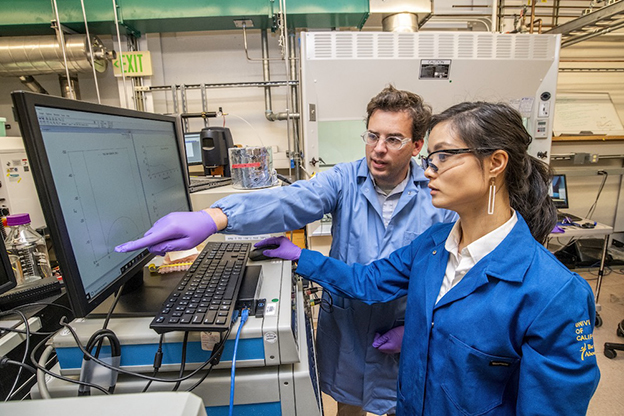
A Berkeley Lab intern and his mentor developed an algorithm that will extract better structures from low-quality crystallography diffraction data. Biosciences mentor Peter Zwart likened the challenging project to “going around in a dark room trying to find a cat.” https://newscenter.lbl.gov/2020/10/20/intern-improved-molecular-models/
Transforming Waste into Bio-Based Chemicals
Researchers have transformed lignin, a waste product of the paper industry that is notoriously difficult to break down, into a precursor for a useful chemical with a wide range of potential applications. https://newscenter.lbl.gov/2020/09/30/waste-into-bio-based-chemicals/
New Exploration of Higgs Boson Interactions
A new analysis, featuring important contributions by Berkeley Lab scientists, strongly supports the hypothesis that the Higgs boson interacts with muons, which are heavier siblings of electrons and the lightest particles yet to reveal evidence for these interactions. https://newscenter.lbl.gov/2020/10/15/berkeley-lab-scientists-contribute-to-new-exploration-of-higgs-boson-interactions/
Intrinsic Mask Roughness Reveals Aberrations
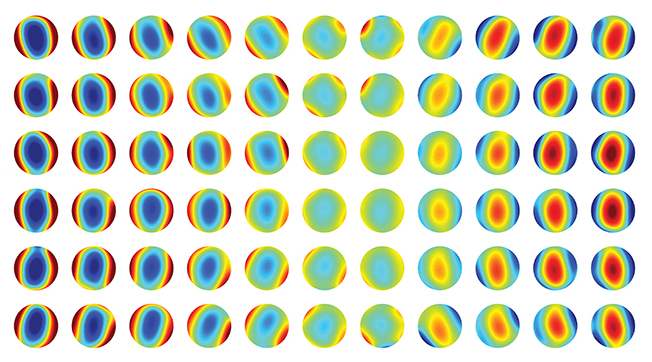
Photomasks used to transfer circuit patterns onto computer chips have a natural roughness that’s ideal for measuring aberrations in extreme ultraviolet (EUV) optics. The technique, developed at the ALS, will be valuable in characterizing coherent light sources and beamline optical systems. https://als.lbl.gov/characterization-of-euv-optics-using-intrinsic-mask-roughness/
Apply for France-Berkeley Research Grants
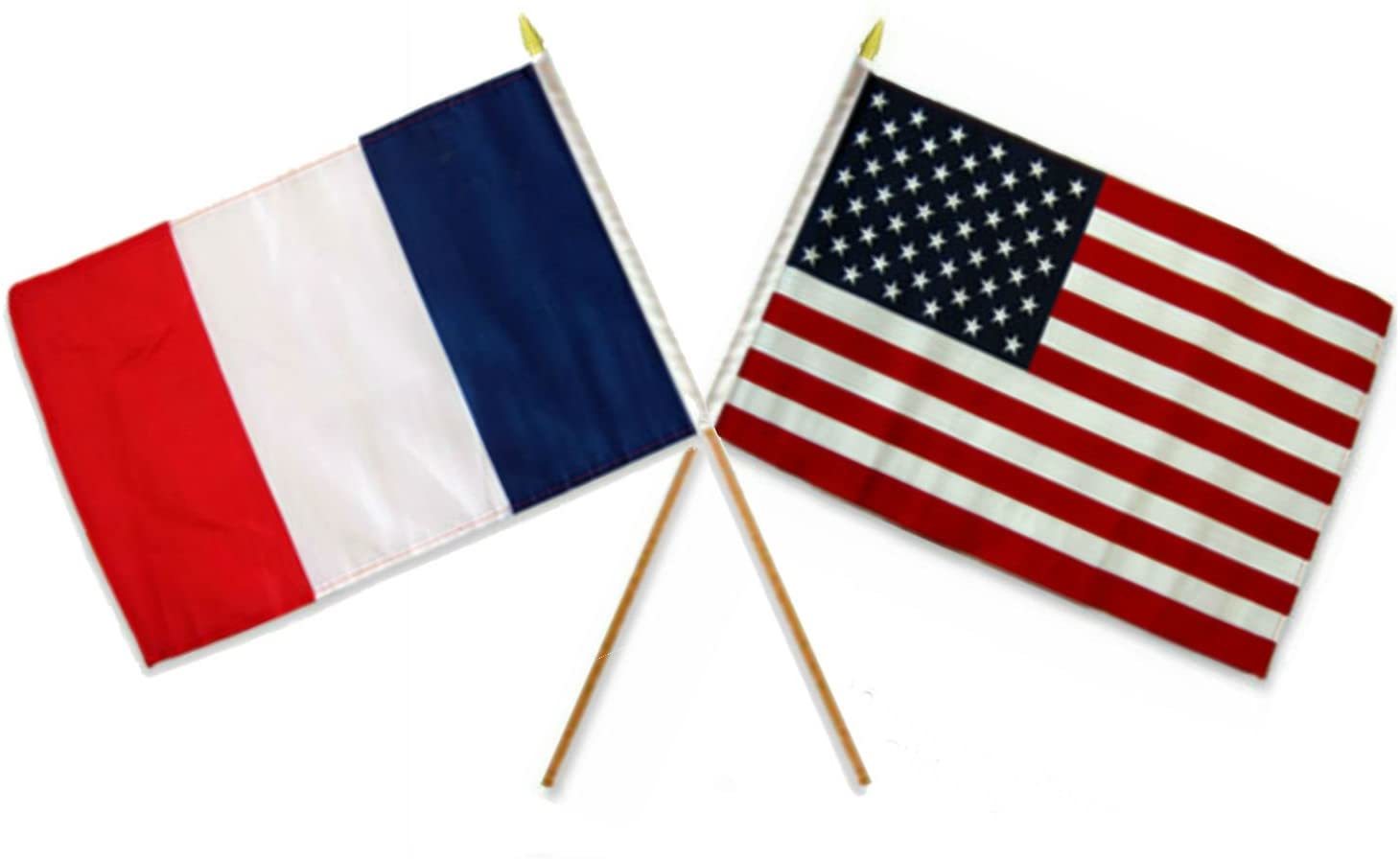
UC Berkeley and Berkeley Lab researchers interested in international collaboration are invited to apply for seed funding to pilot new joint projects with colleagues in France. Open to all fields, including STEM, humanities, education, and public health. Apply by Feb. 1. https://fbf.berkeley.edu/apply
New Microscopy Approach for Aquatic Microbes
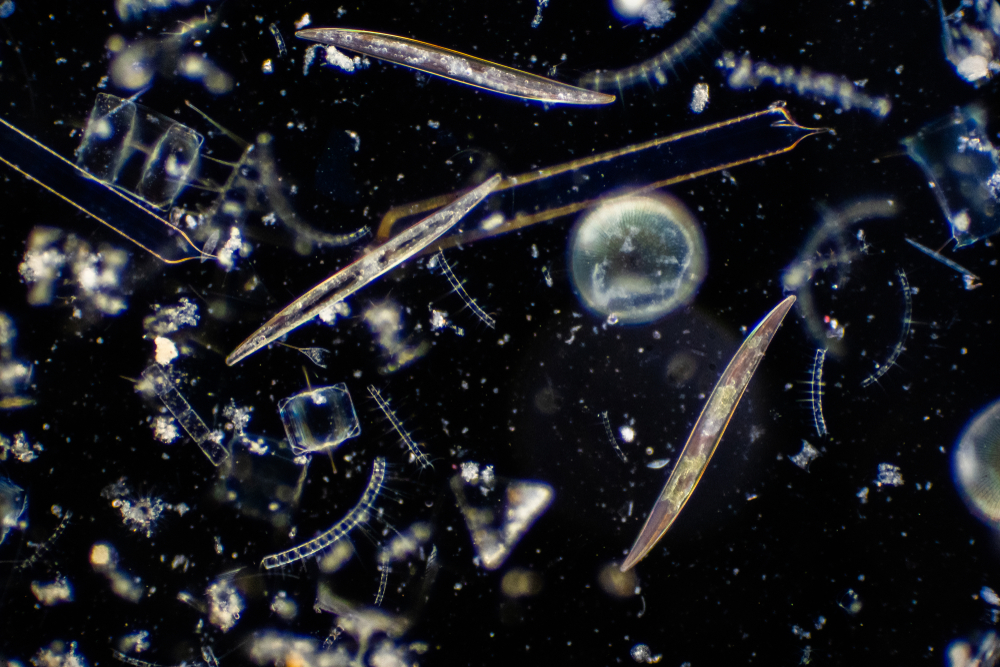
Scientists received a Gordon and Betty Moore Foundation grant to develop microscopy technology to study symbiosis in aquatic microbes — biological relationships that have a large influence on ecosystems and the planet’s climate. The grant is part of a larger, $19-million initiative. https://newscenter.lbl.gov/2020/10/14/focusing-in-on-aquatic-microbes/
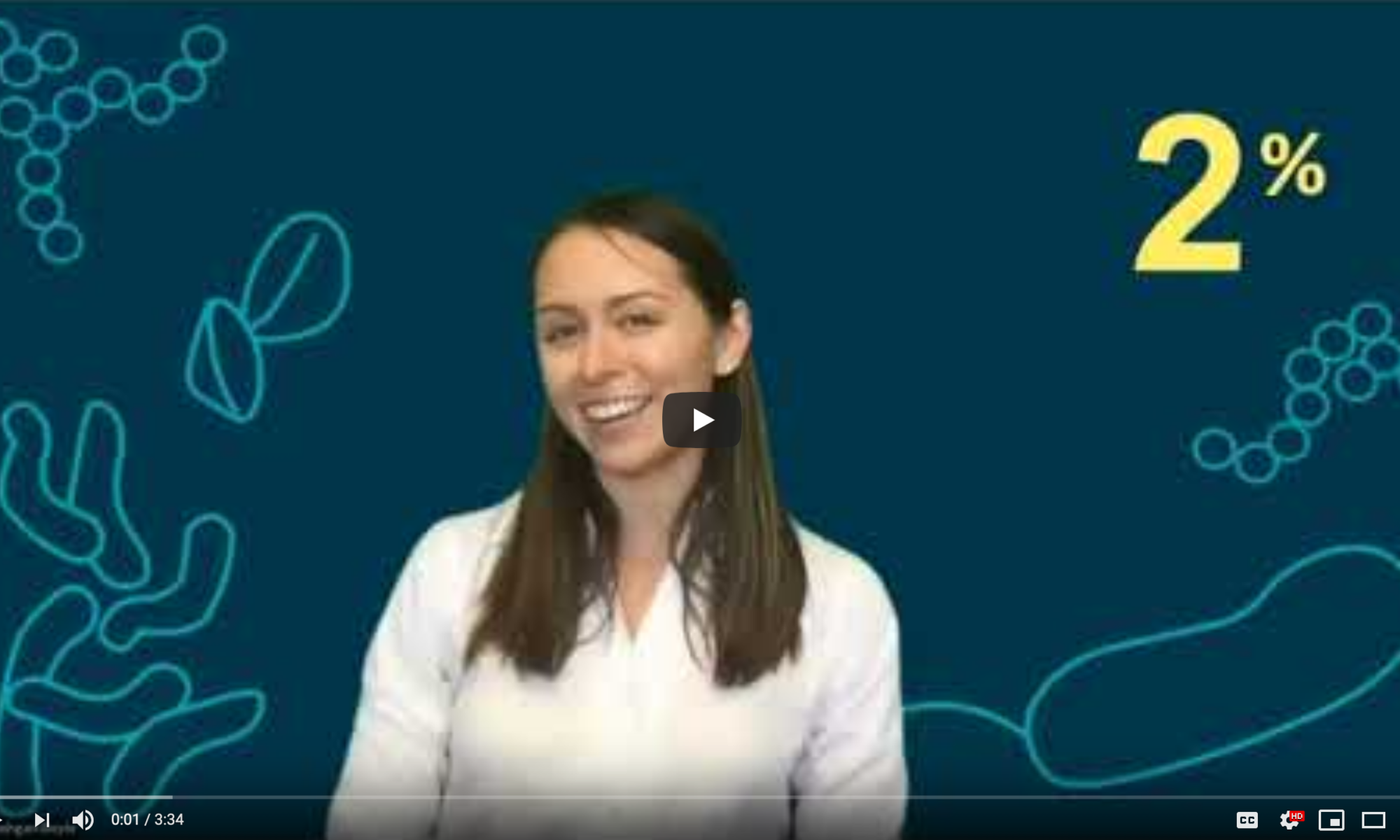
SLAM Friday: Two Percent
Sara Gushgari-Doyle, of the Earth and Environmental Sciences Area, uses computational and big-data approaches to inform strategies for culturing rare and difficult-to-culture microorganisms. Watch Gushgari-Doyle’s SLAM presentation to find out more. https://slam.lbl.gov/2020-slam/2020-slam-finalists/sara-gushgari-doyle
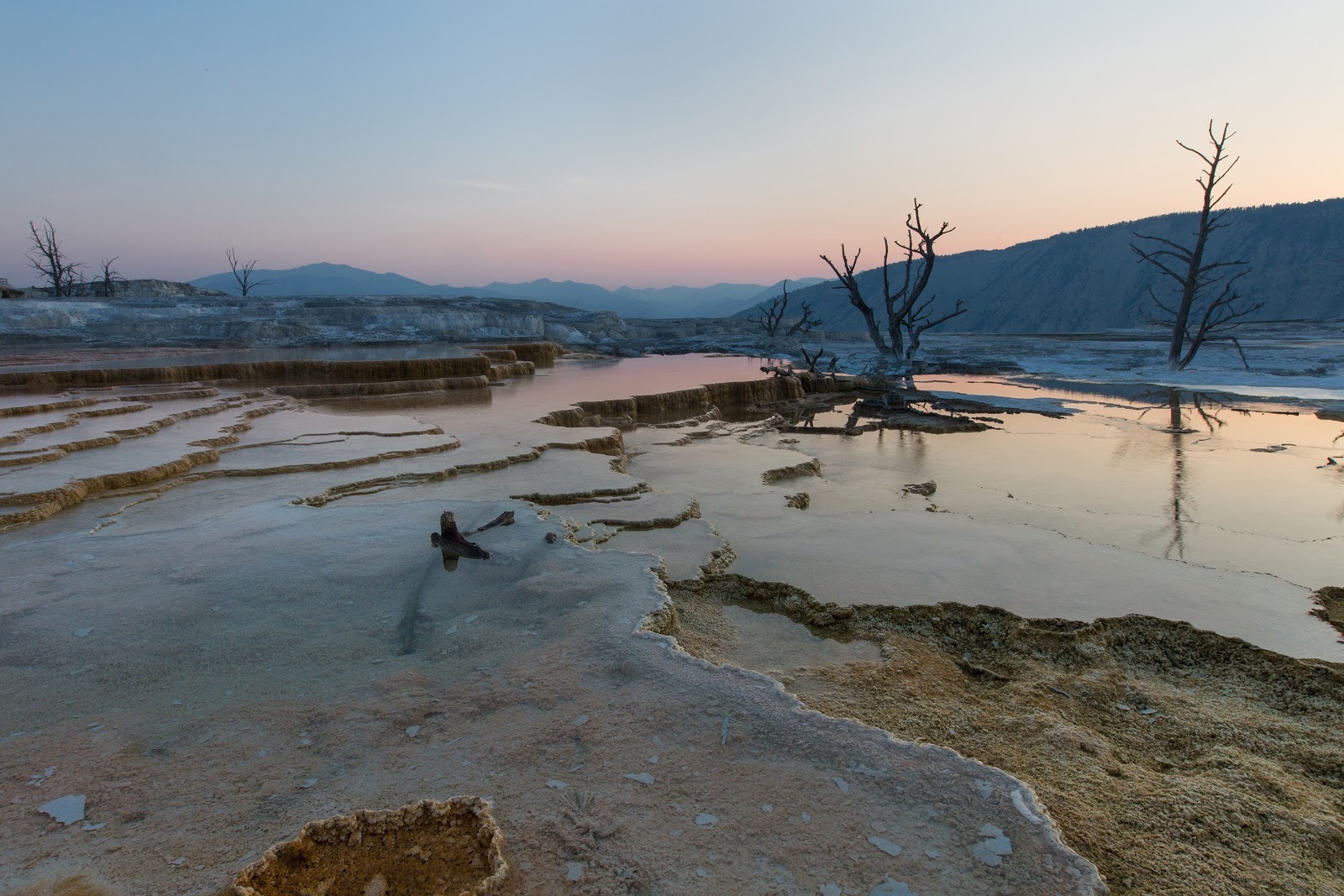
JGI Podcast On Decoding Yellowstone’s Microbial Mats
In this Joint Genome Institute Genome Insider podcast, Carnegie Institute of Science researchers discuss their work with JGI and KBase to study microbial mat communities. Listen now and check out previous episodes. https://jgi.doe.gov/genome-insider-episode-7-decoding-yellowstone-microbial-mats/
Lab Helps Lead New Hydrogen Fuel Cell Initiatives
From trains to ferries, the use of hydrogen fuel cells is on the rise. This technology has the potential for a variety of clean energy options, especially in transportation. And with recent DOE investments, the Lab is set to play a leading role in helping this technology reach its full potential. https://newscenter.lbl.gov/2020/10/08/coming-down-the-pike-long-haul-trucks-powered-by-hydrogen-fuel-cells/