Congrats to Biosciences, ESA, and ETA research scientists who received awards to work with industry partners on radioactivity detecting technology, next generation electrodes for electrolysis of water, and high performance sustainable aviation fuel. https://ipo.lbl.gov/berkeley-lab-researchers-receive-2-million-in-technology-commercialization-funding-awards-from-department-of-energy/
BETTER Technology Garners Awards and Interest
The Building Efficiency Targeting Tool for Energy Retrofits (BETTER) tool was recently named a 2021 EarthX Climate Tech Prize semi-finalist. The technology, developed by Lab researchers, identifies cost-saving energy reductions in building portfolios and is already used by hundreds of organizations. https://energyanalysis.lbl.gov/news/article/better-garners-award-avid-interest
Export Control Video Series
The Export Compliance Office is offering a series of export control informational videos which cover a variety of topics, including research, shipping, biological agents, and travel abroad. You can complete this optional training series in 40 minutes or view each module independently. https://training.lbl.gov/ehs/training/webcourses/ECO0100/story.html
Simons Collaboration On Learning the Universe Announced
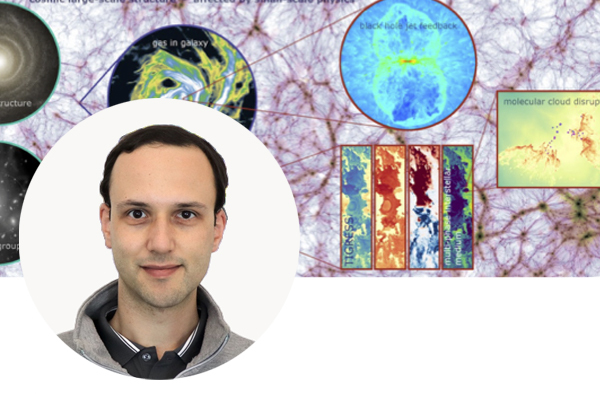
The Simons Foundation has announced the Simons Collaboration on “Learning the Universe,” which will apply cutting-edge machine learning techniques to problems in cosmology. Lab physicist Simone Ferraro, a key member, joins an international team in fundamental physics. https://www.simonsfoundation.org/2021/06/24/foundation-announces-the-simons-collaboration-on-learning-the-universe/
Theoretical Proof: A Strong Force Can Create Lightweight Subatomic Particles
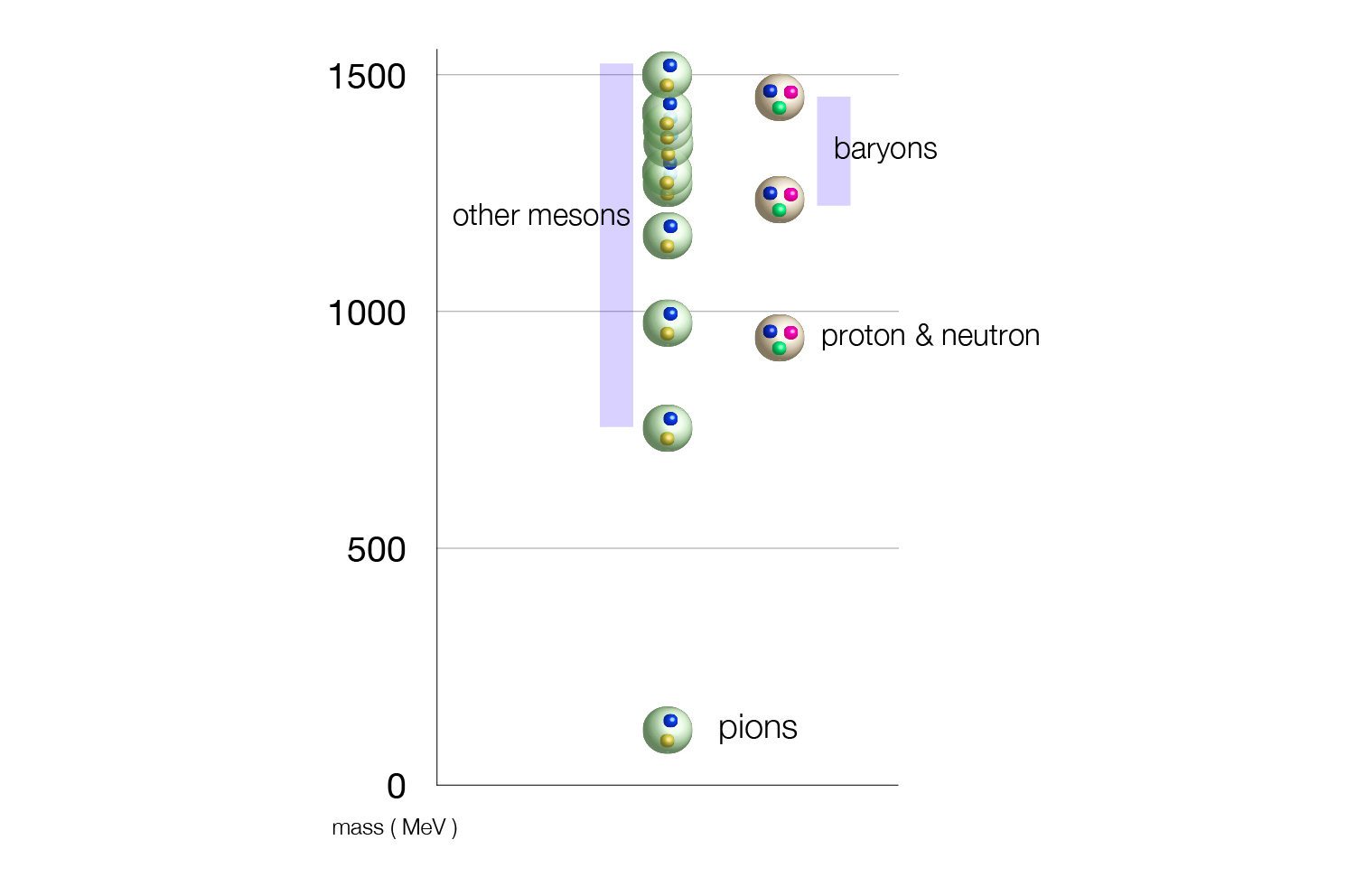
Using only a pen and paper, theoretical physicist and faculty staff scientist Hitoshi Murayama proved a decades-old claim that a strong force called Quantum Chromo Dynamics (QCD) leads to light-weight subatomic particles called pions. The study may open up new avenues in particle physics. https://www.ipmu.jp/en/20210624-PionQCD
Study of Harvey Flooding Aids in Quantifying Climate Change
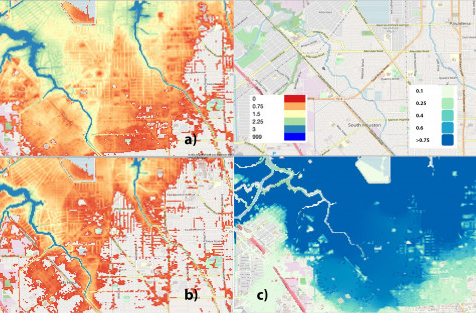
How much do the effects of climate change contribute to extreme weather events? A new paper from climate scientist Michael Wehner investigates the question using data from Hurricane Harvey and the resources at the National Energy Research Scientific Computing Center (NERSC). https://www.nersc.gov/news-publications/nersc-news/science-news/2021/study-of-harvey-flooding-aids-in-quantifying-climate-change/
How To Make Lithium-Ion Batteries Invincible
Lab scientists have made significant progress in developing battery cathodes using a new class of materials, known as DRX, that provide batteries with the same if not higher energy density than conventional lithium-ion batteries but can be made of inexpensive and abundant metals. https://photostories.lbl.gov/a6a880028d9e00f62a0659da98ac74d0
Barbara Jacak Named Member of American Philosophical Society
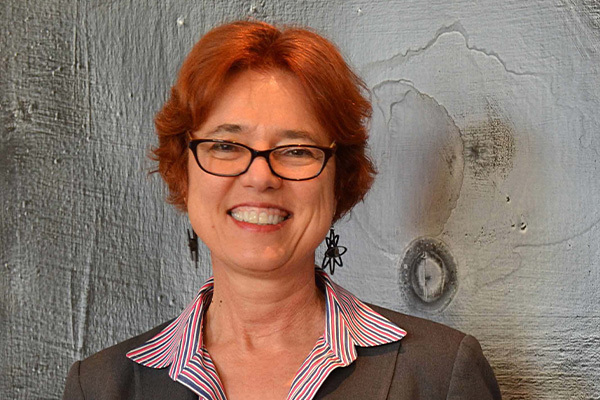
Barbara Jacak, a faculty senior scientist and former director of the Nuclear Science Division, was recently named a member of the prestigious American Philosophical Society. She shares her philosophy about succeeding in science. https://physicalsciences.lbl.gov/2021/06/22/barbara-jacak-named-member-of-the-american-philosophical-society/
The Advanced Quantum Testbed Is Open for Collaborative Research
While the state of quantum computation is still in its early stages, the quantum computation startup community is beginning to flourish. Learn how the Advanced Quantum Testbed’s open platform makes it an ideal hub for startups. https://aqt.lbl.gov/the-advanced-quantum-testbed-positions-itself-as-rd-hub-for-the-growing-quantum-computing-startup-ecosystem/
Project Jupyter: A Computer Code that Transformed Science
A computer code co-developed by faculty scientist Fernando Pérez and embraced by the global science community over two decades has been hailed by Nature Magazine as one of “ten computer codes that transformed science.” https://cs.lbl.gov/news-media/news/2021/project-jupyter-a-computer-code-that-transformed-science/