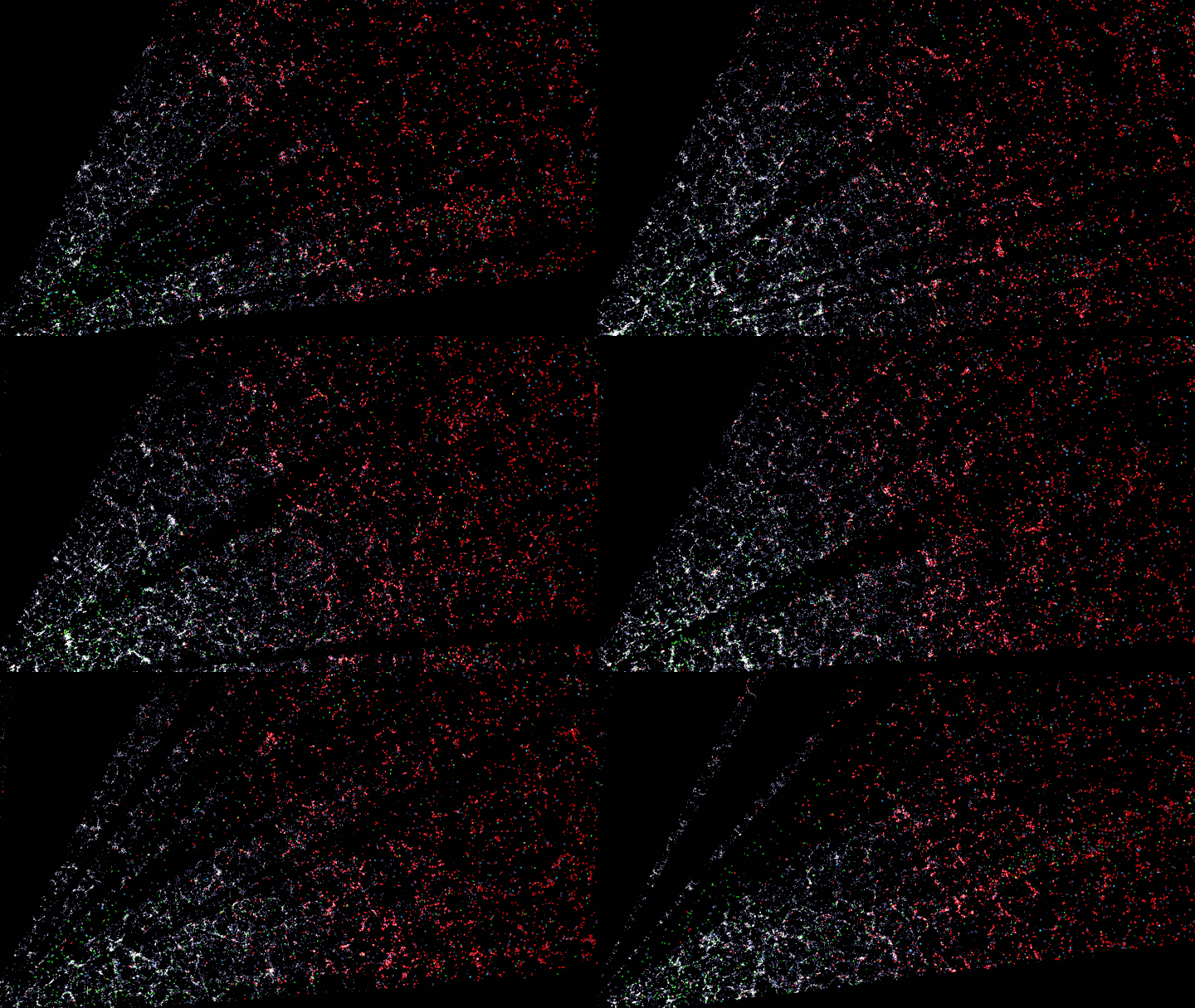
The Dark Energy Spectroscopic Instrument (DESI) has capped off the first seven months of its survey run by smashing through all previous records for three-dimensional galaxy surveys, creating the largest and most detailed map of the universe ever. And it’s just getting started. https://newscenter.lbl.gov/2022/01/13/dark-energy-spectroscopic-instrument-desi-creates-largest-3d-map-of-the-cosmos/
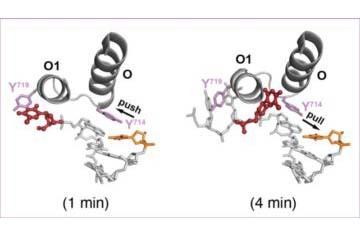
DNA Synthesis: Flip It and Reverse It
What if the current model for DNA synthesis were flipped on its head? Using time-resolved x-ray crystallography, researchers gained new insights into this essential biological process, revealing that two steps in the synthesis pathway are, in reality, reversed. https://als.lbl.gov/dna-synthesis-flip-it-and-reverse-it/
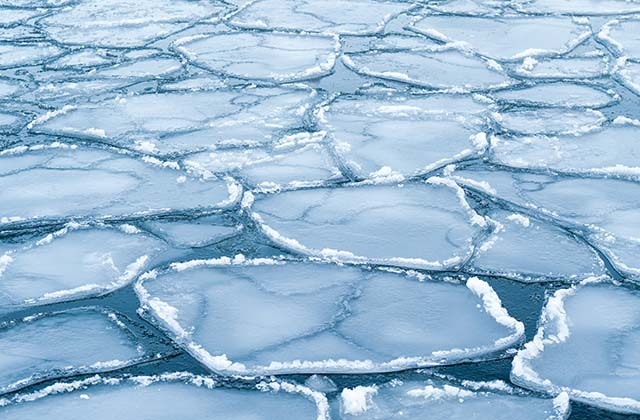
Fire and Ice: How Arctic Sea Ice Influences U.S. Wildfires
New research presented at the American Geophysical Union’s 2021 meeting describes how climate conditions in the Arctic can, over time, influence climate outcomes thousands of miles away in the western U.S. Simulations run on NERSC’s Cori supercomputer helped confirm this link. https://cs.lbl.gov/news-media/news/2021/fire-and-ice-how-arctic-sea-ice-influences-western-u-s-wildfires/
Proposals Sought for 2023 LDRD Program
The LDRD program is one of the principal means to seed innovative science and new research directions at the Lab. Proposals should align with the Lab’s and DOE’s strategic directions. Multi-investigator and -divisional initiatives are encouraged. Click for full details. https://www2.lbl.gov/DIR/LDRD/cfp/index.html
Unexpected Transformations Reinforce Roman Concrete
Researchers used the Advanced Light Source to study binding phases in Roman architectural concrete, revealing reactions and profound transformations that contribute to the material’s long-term cohesion and durability. https://als.lbl.gov/unexpected-transformations-reinforce-roman-architectural-concrete/
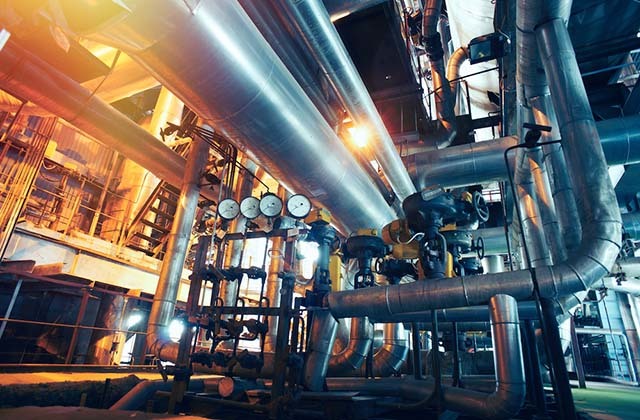
Optimizing Waste-Heat Technologies
In a recent study published in the journal Joule, Lab researchers developed a techno-economic model to predict the economic viability of different waste-heat conversion technologies. This untapped resource could be a promising additional source of useful energy. https://newscenter.lbl.gov/2021/12/20/new-techno-economic-model-optimizes-waste-heat-conversion-technologies/
Research Team Seeks to Edit Entire Microbiomes with CRISPR
A UC Berkeley research team has found a way to add or modify specific genes within a microbial community of many different species simultaneously, opening the door to what could be called “community editing.” Lab scientists Adam Deutschbauer and Trenton Owen helped the team develop the approach. https://newscenter.lbl.gov/2021/12/20/crispr-for-microbiomes/
Visualizing Zebrafish in 3D
Researchers have developed a new technique that images every pigment cell of a whole zebrafish in 3D. The work, completed with the help of scientists at the Advanced Light Source, could help scientists understand the role of melanin in skin cancer. https://newscenter.lbl.gov/2021/12/20/new-technique-visualizes-every-pigment-cell-of-zebrafish-in-3d/
QSA Advances Quantum Engineering
Quantum Systems Accelerator technology coordinator Will Oliver of MIT explains how quantum computing’s broad engineering skill sets take theoretical concepts and turn them into working systems. https://archive.quantumsystemsaccelerator.org/advancing-quantum-engineering/
Tuning Into Graphene Nanoribbons’ Electronic Potential
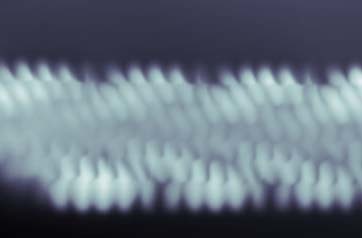
Researchers at the Lab and UC Berkeley have discovered how to directly measure the unique magnetic properties of superthin graphene nanoribbons. Their discovery could lead to high-speed, low-power nanoscale data storage technologies. https://newscenter.lbl.gov/2021/12/22/graphene-nanoribbons-electronic/