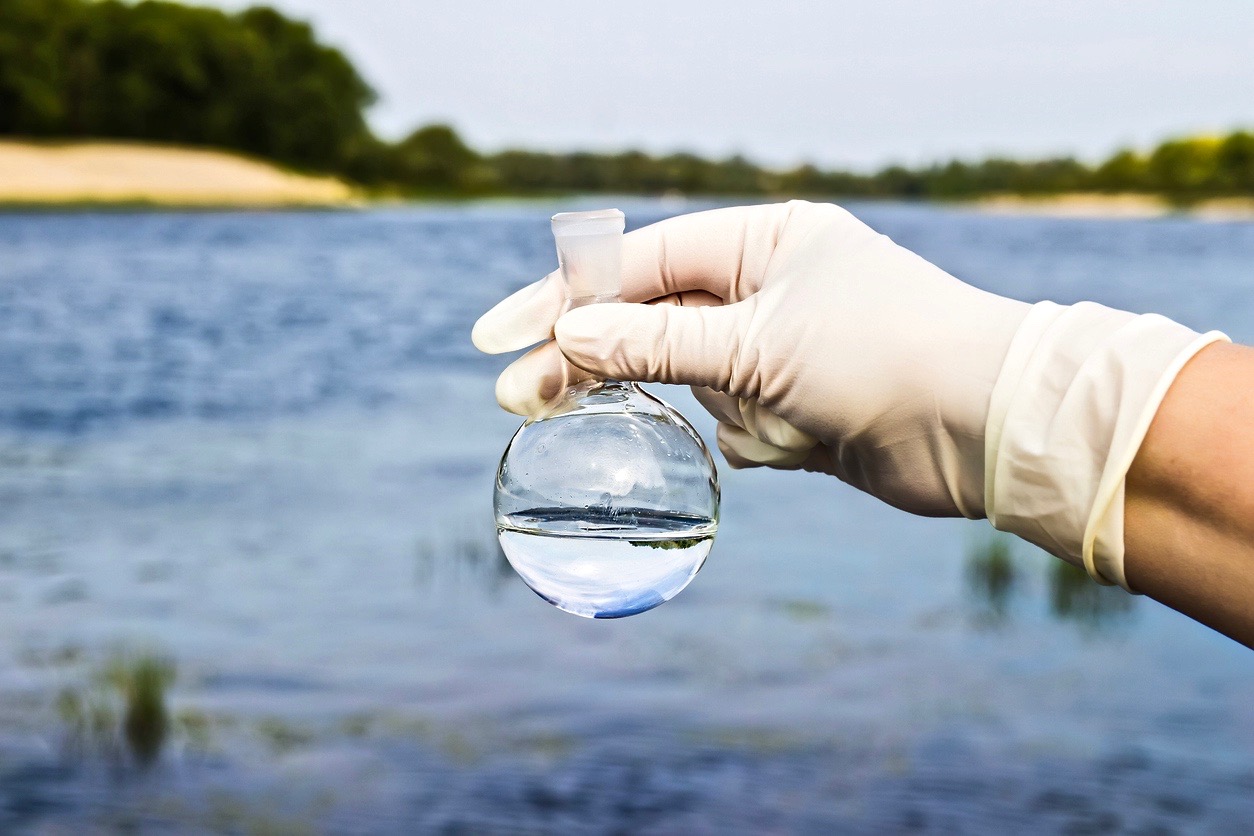
Berkeley Lab researchers have made it easier than ever to study microbial communities by creating an optimized DNA analysis technique. https://newscenter.lbl.gov/2019/03/07/tiny-organisms-unlock-big-environmental-mysteries/
Learn More About ATAP’s New Leadership Team
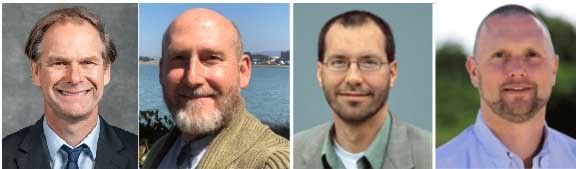
Meet Thomas Schenkel, the interim director of the Accelerator Technology and Applied Physics Division, and Eric Esarey, Carl Schroeder, and Cameron Geddes of the Berkeley Lab Laser Accelerator Center (BELLA). https://atap.lbl.gov/atap-news-february-2019/#directorscorner
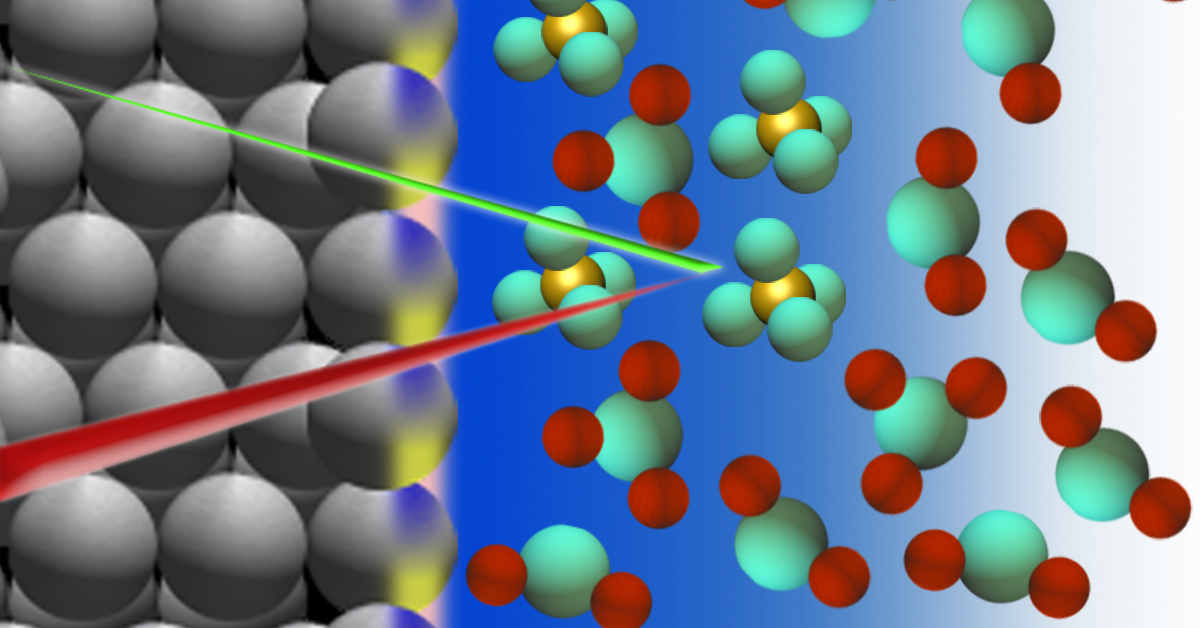
Plumbing the Depths of Interfaces to Find Buried Treasure
Lab scientists have uncovered an unexpected phenomenon in material interface chemistry that could help to control how metals corrode. https://newscenter.lbl.gov/2019/03/06/plumbing-the-depths-of-interfaces/
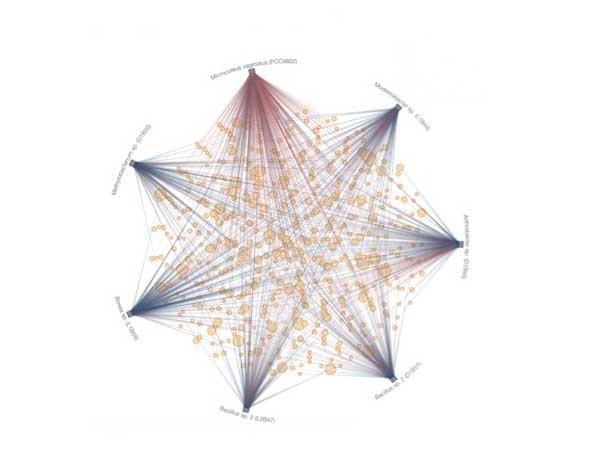
Seeing the Web of Microbes
Researchers from Berkeley Lab have built an interactive, web-based data visualization tool to observe how organisms transform their environments through the increase and decrease of metabolites — enabling scientists to quickly see patterns in microbial food webs. https://cs.lbl.gov/news-media/news/2019/seeing-the-web-of-microbes/
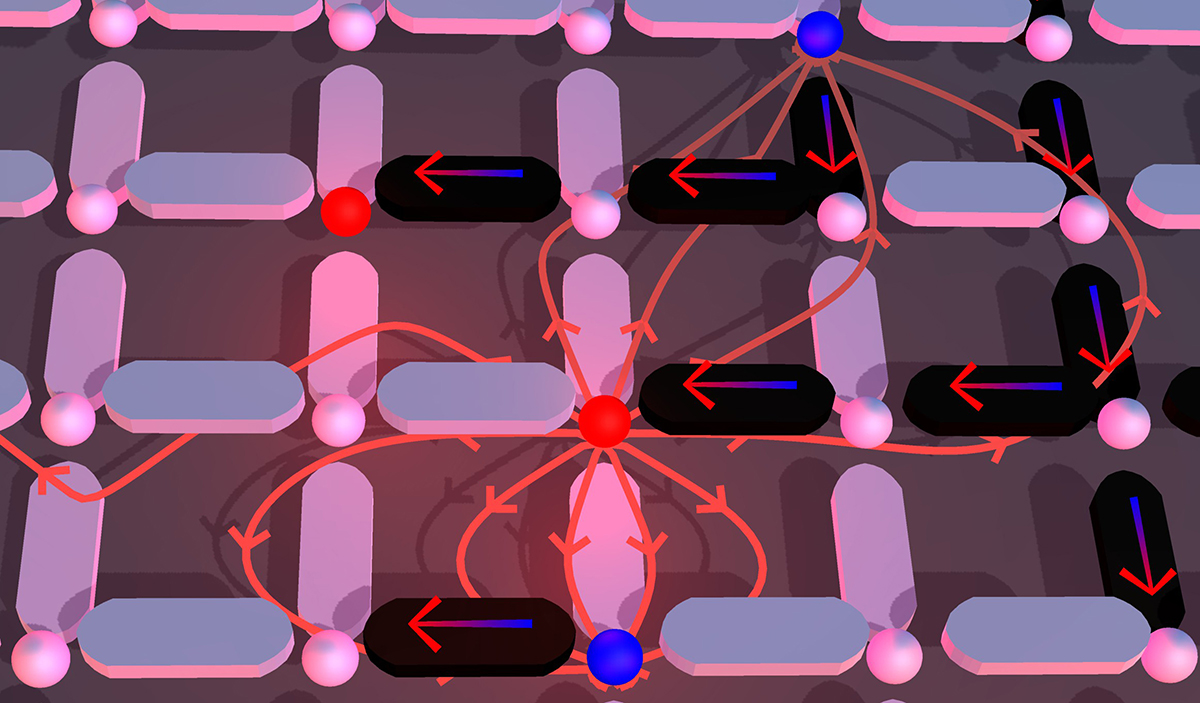
How to Catch a Magnetic Monopole in the Act
A simulation of magnetic monopoles developed by a Berkeley Lab-led team could lead to smaller, more powerful memory devices and hard drives. https://newscenter.lbl.gov/2019/03/04/how-to-catch-a-magnetic-monopole-in-the-act/
Hidden Flow of Lithium Ions Points Way to Better Batteries
Experiments at the ALS reveal that lithium ions flow along surfaces of electrode particles, boosting growth of lithium “hot spots” that shorten battery life. The results will help improve battery design, and potentially lead to a new generation of lithium-ion batteries. https://als.lbl.gov/hidden-flow-of-lithium-ions-points-way-to-better-batteries/
Ernest Lawrence’s Brilliant Failure
Lawrence, the creator of the cyclotron, also tried to bring the first color TV to American consumers. The story of his efforts reveals how the history of television was connected to physics and the military. https://physicstoday.scitation.org/doi/10.1063/PT.3.4162
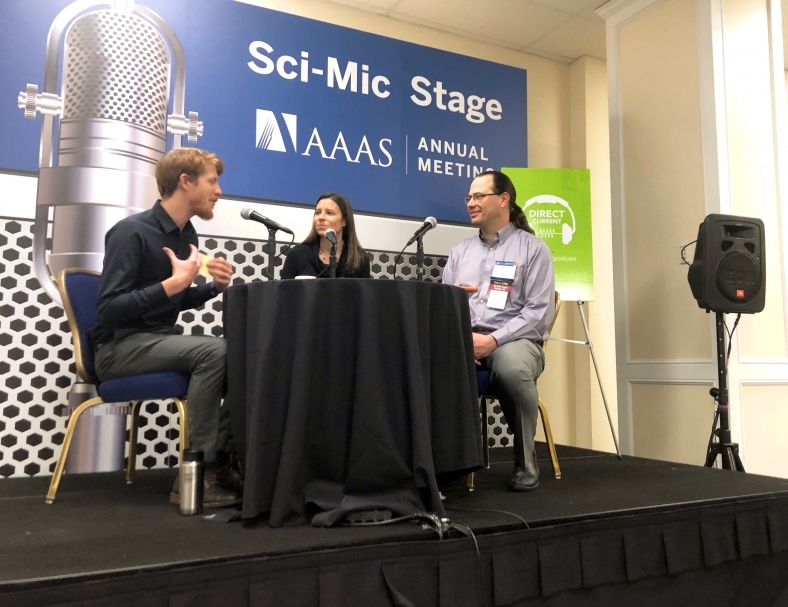
Lab’s Susannah Tringe Featured in DOE Podcast on Microbiomes
Tiny organisms can help answer big questions about agriculture, climate, and more. This JGI researcher shared her insights on microbiomes during a taping of the DOE podcast “Direct Current” during the AAAS annual meeting. https://www.energy.gov/podcasts/direct-current-energygov-podcast/s3-e5-microbiomes-live-aaas
Electric-Field Switching of Topological Phase
In mobile phones, computers, and other electronic devices, the switching of transistors wastes a lot of energy as heat. Using the ALS, researchers have identified a material with the potential to drive the continued advancement of computing technology while minimizing power consumption. https://als.lbl.gov/electric-field-switching-of-a-topological-phase/
Brewing Up Cannabinoids in Yeast
Jay Keasling led a team that genetically modified brewer’s yeast to produce cannabinoids via biosynthesis. This work could lead to the efficient production of different types of cannabinoids, independently of cannabis cultivation. http://biosciences.lbl.gov/2019/02/27/brewing-up-cannabinoids-in-yeast/