The DOE has issued a draft Plastics Innovation Challenge Roadmap for DOE science and technology solutions to reduce plastic waste and lower the energy impacts of plastics production and reuse. The Lab is putting together a response to the request for Information; input is invited by Feb. 24. https://docs.google.com/forms/d/e/1FAIpQLScL5s1jYRyREcw6mlydFN2MNs1eleFhA1fNrR4FTn_rAB8sfA/viewform
Despite Rain, Drought Continues: Use Water Wisely
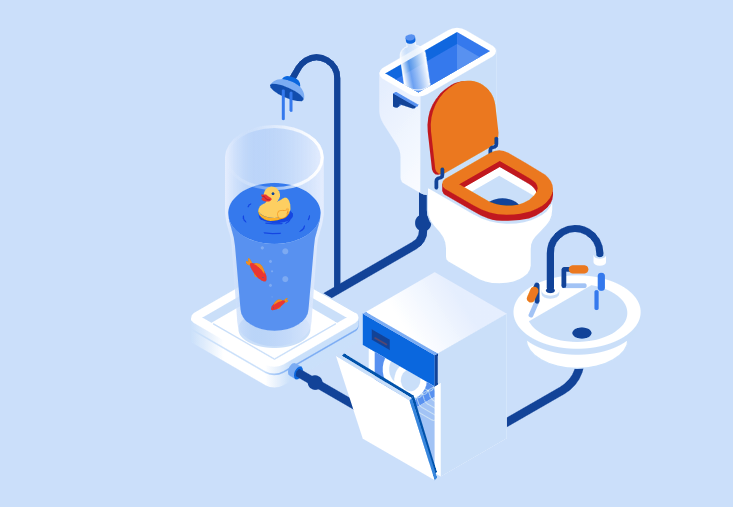
Sure, it’s been raining in northern California, but most of the state is still in drought conditions. Check out some interesting graphs that track precipitation, snowpack, and drought, and learn some water conservation tips. https://sbl.lbl.gov/category/news/#Drought%20Continues%20Despite%20Rain
Feedback Invited on Lab Sustainability Plans
Berkeley Lab’s greenhouse gas emissions are 46% below 2015 levels, waste diversion is at 74%, and energy-use intensity has decreased 25% since 2015. Learn more about the Lab’s FY20 sustainability performance and plans for the future and submit your feedback on these efforts. https://sbl.lbl.gov/category/news/#Lab%20Sustainability%20Progress%20%26amp%3B%20Plan%20for%20the%20Future
Integrative Genomics Building Receives LEED Gold
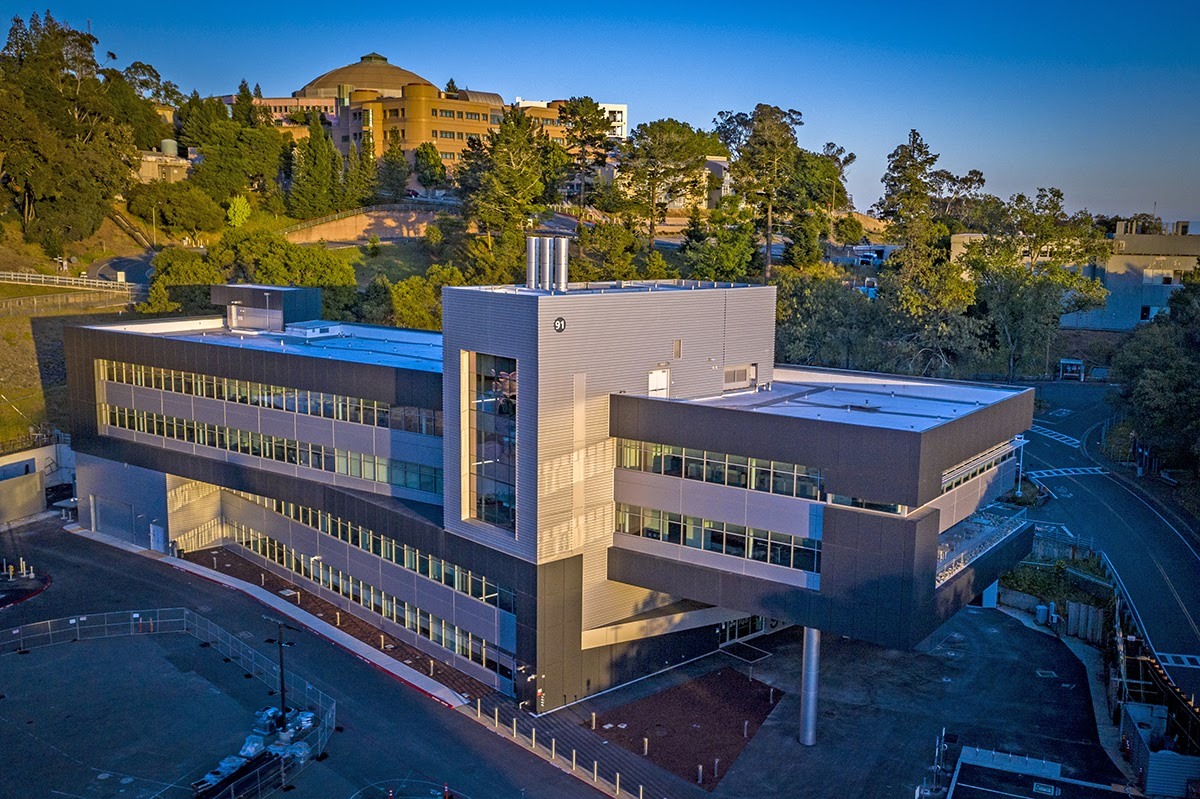
The Integrative Genomics Building (IGB) has achieved LEED Gold. It is the Lab’s seventh LEED-certified building, the first building with all-electric space and water heating, and is designed to use just 36% of the energy of the Walnut Creek facility it replaced. https://sbl.lbl.gov/category/news/#Integrative%20Genomics%20Building%20Receives%20LEED%20Gold
VIDEO: Successful Generator Test Points to Future Resiliency
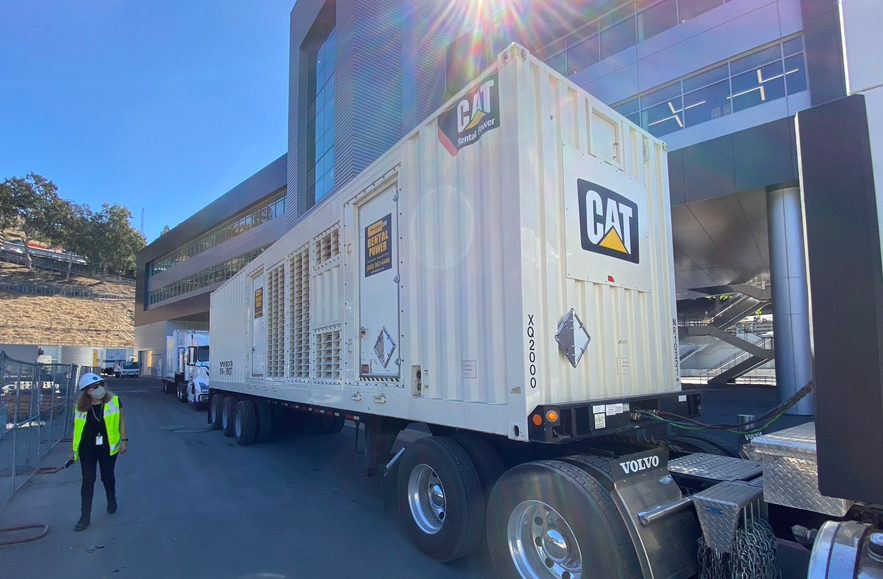
On Saturday, Nov. 21, Lab and PG&E engineers successfully completed a test designed to help keep the lights on during future Public Safety Power Shutoff (PSPS) events. This pilot project provides a potentially scalable solution that allows buildings to remain operational during PSPS events. https://youtu.be/WgXOwQlw_jw
2019 Site Environmental Report Published
The Lab’s 2019 Site Environmental Report is available. It has information on the Lab’s environmental monitoring, how it minimizes its environmental impacts, progress toward cleaning up groundwater contamination, and compliance with DOE, federal, state, and local environmental requirements. https://drive.google.com/file/d/1PnGW4hpdXsrLiF_lIE_-oqb8MV9Xvb90/view
How’s Your Water Conservation?
With below-average rainfall in Northern California expected again this winter, it’s time to refresh your drought resilience. Individual water conservation actions add up to big savings. From cooling towers to showers, learn what we all can do to save water. https://sbl.lbl.gov/category/news/#Water%20Conservation%3A%20Always%20a%20Good%20Idea
Lab Certified for Energy Management Standard
After a multi-year effort, Berkeley Lab has been officially certified to ISO 50001, a voluntary, international standard for managing and improving energy performance. Aligning to ISO 50001 helps ensure the Lab’s energy and water management activities are strategic, effective, and persistent. https://sbl.lbl.gov/category/news/#Berkeley%20Lab%26%238217%3Bs%20Energy%20Management%20Certified%20to%20ISO%2050001
You Can Avoid Single-Use items During COVID-19
You can continue to reuse mugs, bags, and containers at many locations. Learn tips for doing so safely, and avoid the public health issues caused by single-use items. You can even get a reusable cutlery set sent to your mail stop if you’re working at a Lab site. https://sbl.lbl.gov/category/news/#Tips%20for%20Reuse%20during%20COVID
UC to Ban Single-Use Plastics
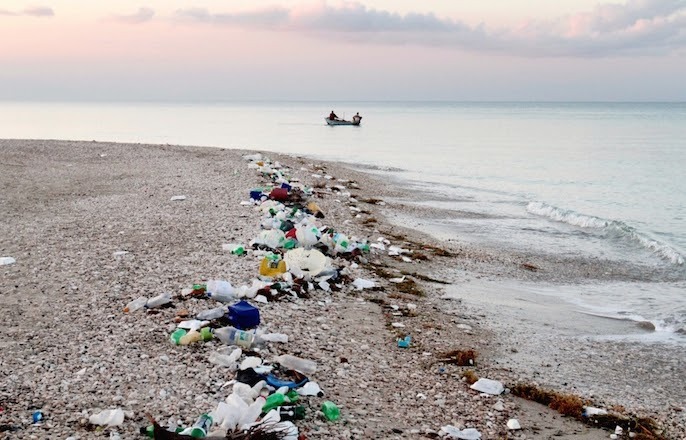
The University of California enacted a policy to phase out single-use plastics from all campuses, including Berkeley Lab. Plastic has a significant detrimental impact on the environment from production to disposal, and only a small fraction is recycled. Help by using free reusable cutlery. https://sbl.lbl.gov/category/news/#UC%20Policy%20to%20Ban%20Single%20Use%20Plastics