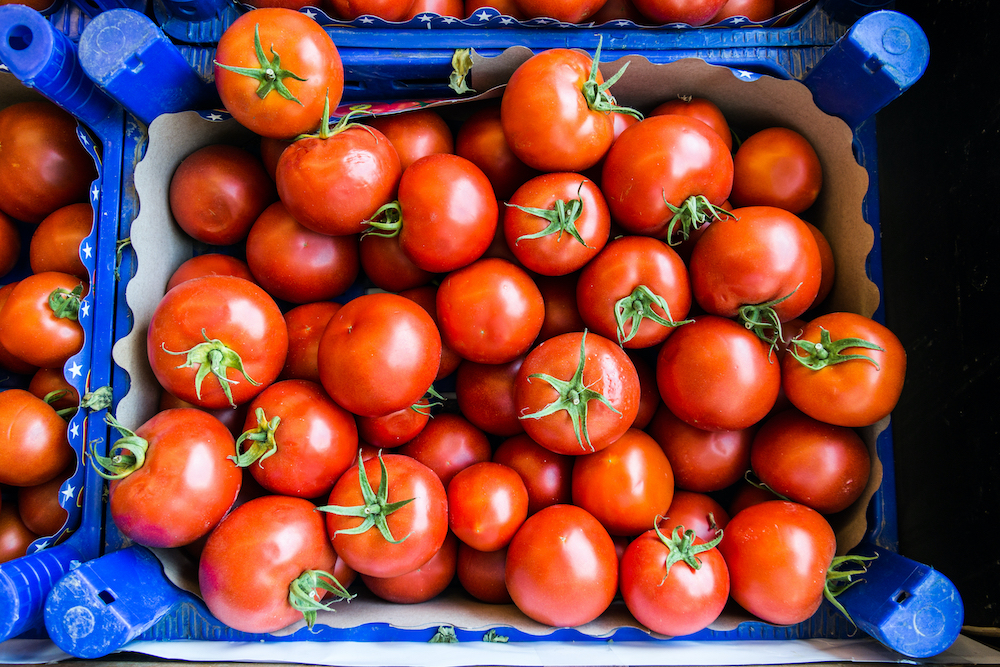
New research shows that by the years 2045-2049 temperature rather than location will have more effect on when cool-season crops, such as broccoli and lettuce, can be grown, while the location will have a greater impact on warm-season crops (cantaloupe, tomatoes, carrots). https://newscenter.lbl.gov/2020/08/25/some-of-americas-favorite-produce-crops-may-need-to-get-a-move-on-by-2045/
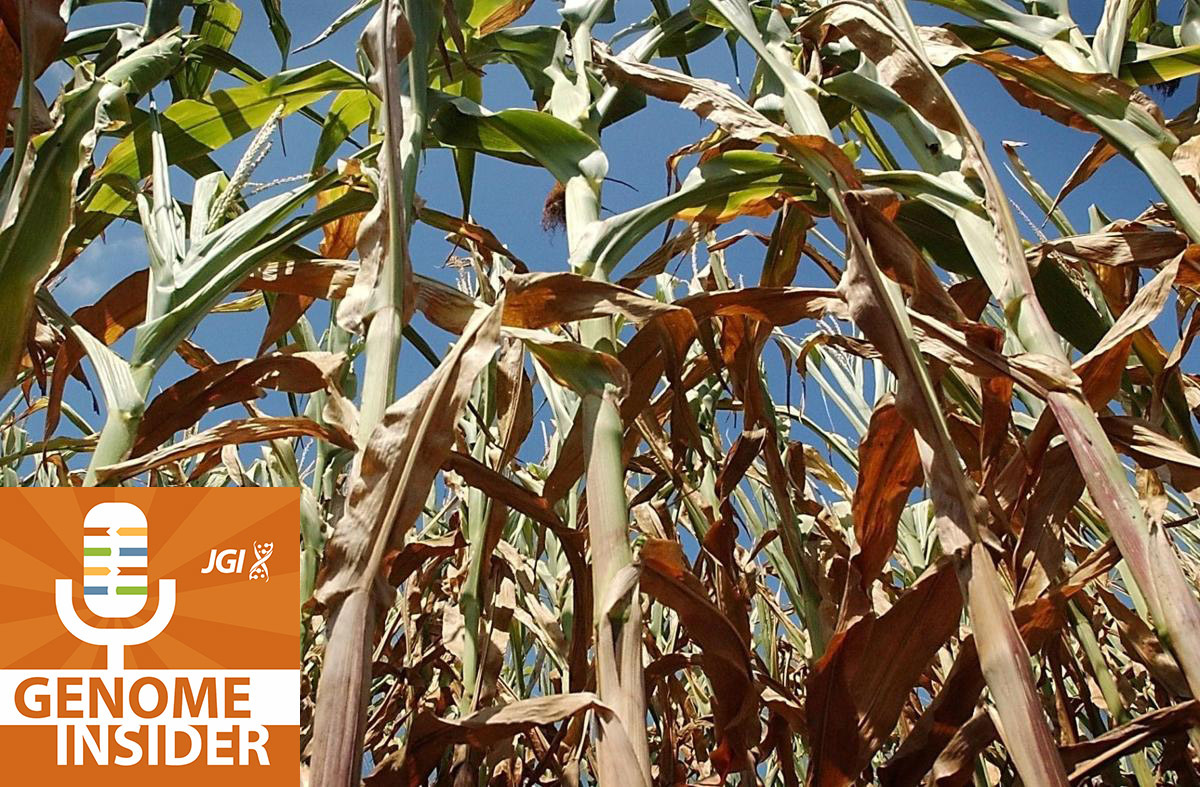
Podcast: How Microbes Protect Plants in Drier Straits
In this recent episode of the Genome Insider podcast learn how JGI user Pankaj Trivedi of Colorado State University is using microbiome science to help make plants more resilient to drought. https://jgi.doe.gov/genome-insider-mini-episode-6-how-microbes-can-protect-plants-in-drier-straits/
Funding Opportunity for NAWI Announced
The National Alliance for Water Innovation (NAWI) — which seeks to lower the cost and energy of desalination — has released its first funding opportunity announcement (FOA) entitled “Innovations in Intensified Brine Management.” Lab researchers are invited to apply or share with their networks. https://nawi.infoready4.com/#
New Center to Pioneer Quantum Technologies for Science
DOE has awarded $115 million to the new Quantum Systems Accelerator center led by Berkeley Lab. The center will forge the technological solutions needed to harness quantum information science for discoveries, energize U.S leadership in quantum R&D, and accelerate lab-to-marketplace applications. https://newscenter.lbl.gov/2020/08/26/quantum-systems-accelerator/
Awards to Support Accelerator R&D
DOE awards announced in July will advance Berkeley Lab R&D to develop a more effective and compact particle-beam system for cancer treatment, improve particle-beam performance using AI, and develop a high-power, rapid-fire laser system for both tabletop and large-scale applications. https://newscenter.lbl.gov/2020/08/24/3-awards-will-support-accelerator-rd-for-medical-treatment-miniaturization-and-machine-learning/
How Water Promotes Catalysis of Methane to Methanol
At the ALS, researchers unraveled how water helps catalyze methane, the main component of natural gas, into methanol, a liquid fuel. The work supports methanol’s efficient production and could help reduce the amount of greenhouse gases released by the wasteful flaring and venting of methane. https://als.lbl.gov/how-water-promotes-catalysis-of-methane-to-methanol/
2D Electronics Get An Atomic Tuneup
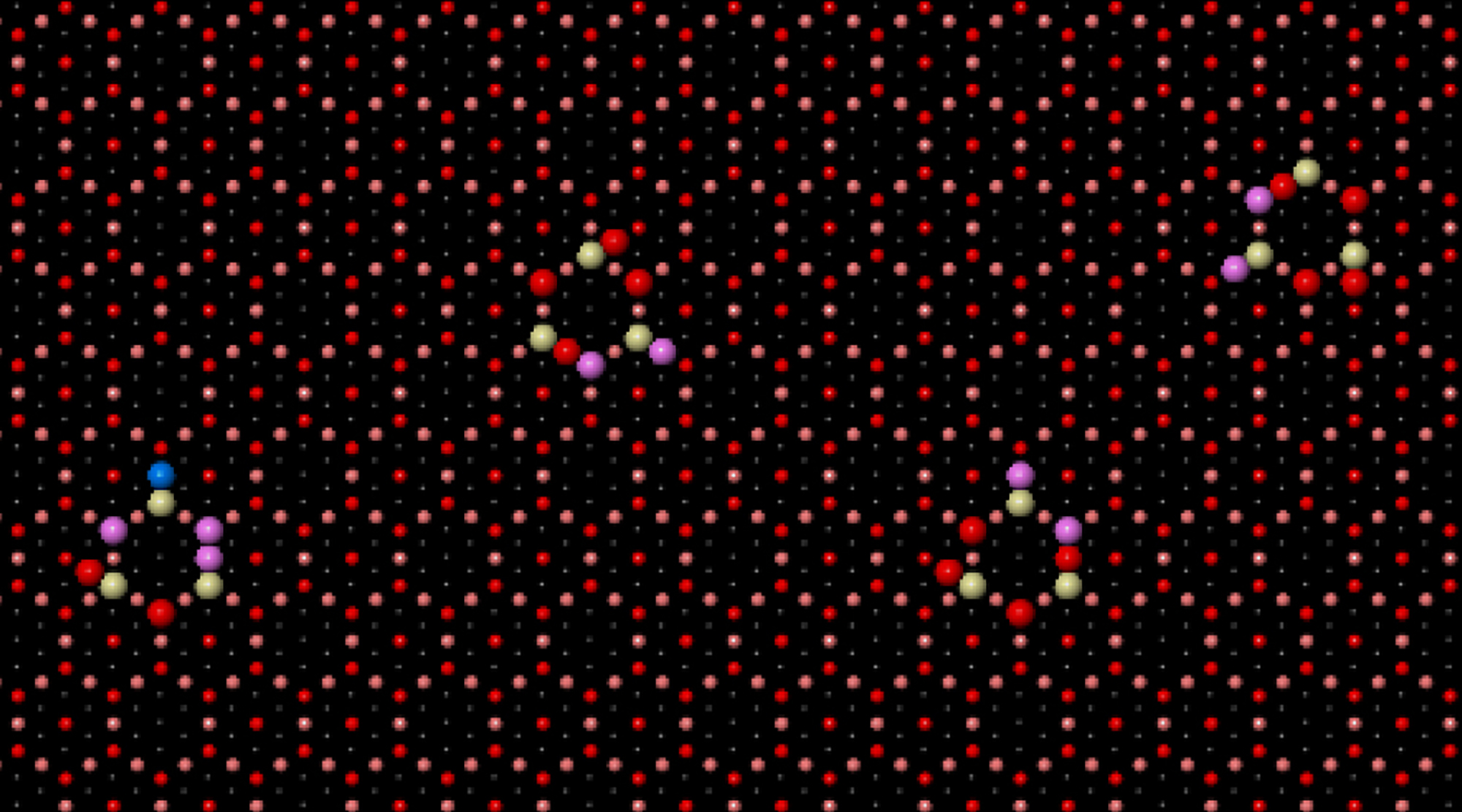
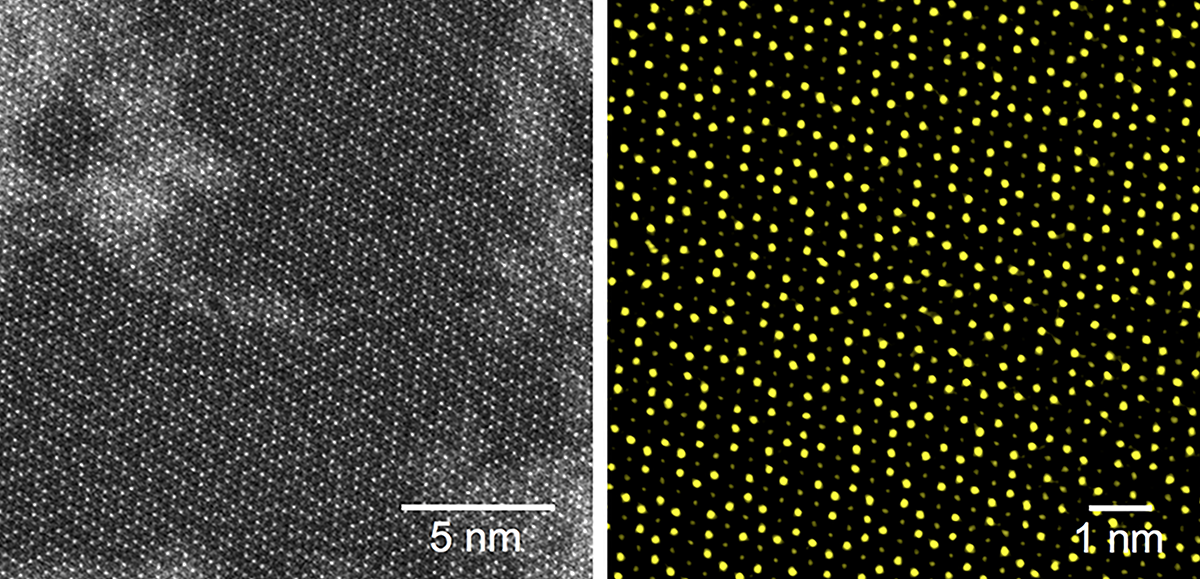
Scientists at Berkeley Lab have demonstrated a new technique that could improve the performance of atomically thin semiconductors for next-generation electronics such as optoelectronics, thermoelectrics, and sensors. https://newscenter.lbl.gov/2020/08/20/2d-electronics-atomic-tuneup/
Moving Gene Expression From On-Off Switch to Dial
Instead of an all-or-nothing form of gene expression, researchers — including JGI scientists — developed a more nuanced library approach to tuning gene expression in metabolic pathways. The team identified variations in yeast genes that were missed using traditional approaches. https://jgi.doe.gov/gene-expression-from-on-off-switch-to-dial/
Pathway To an Ultrahigh Energy Density Capacitor
Researchers at Berkeley Lab and UC Berkeley have demonstrated that a common material can be processed into a top-performing energy storage material. Their discovery could improve the efficiency, reliability, and robustness of personal electronics, wearable technologies, and car audio systems. https://newscenter.lbl.gov/2020/08/19/ultrahigh-energy-density-capacitor/
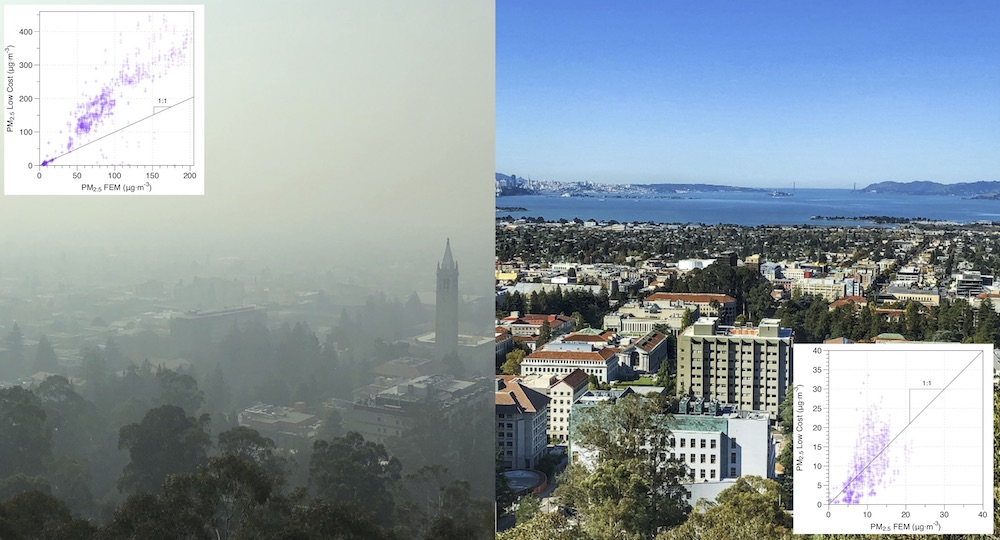
Home Air Quality Monitors Useful for Wildfire Smoke
With frequent and intense fire seasons affecting many parts of the U.S., low-cost air quality monitors have come to the market to help consumers check the pollutant levels in their own homes and neighborhoods. Are these low-cost monitors any good? Lab researchers set out to find the answer. https://newscenter.lbl.gov/2020/08/18/low-cost-home-air-quality-monitors-prove-useful-for-wildfire-smoke/