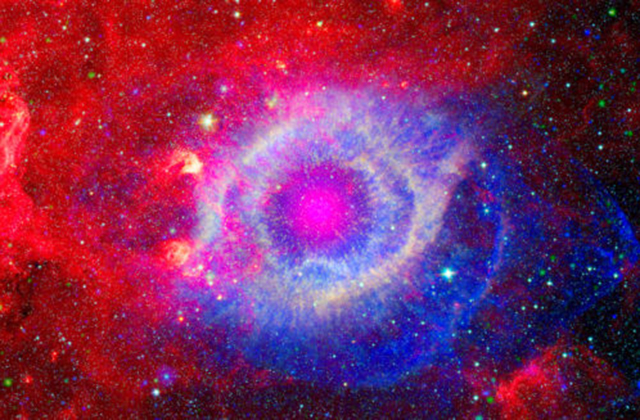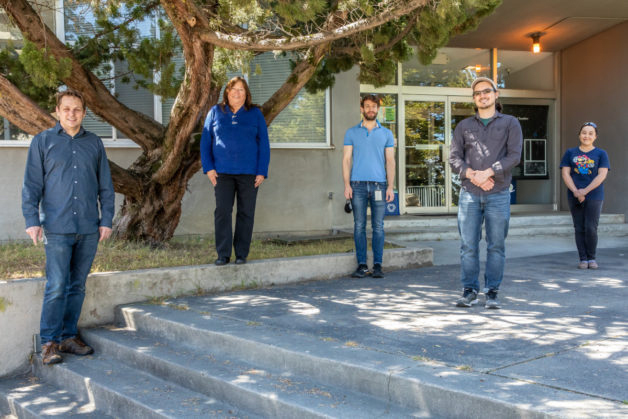
Research into the carbon-rich byproducts of exploding stars may lead to cleaner engines. Lab researchers say that their findings are key to understanding how the universe evolved with the growth of carbon compounds. That insight could also help the car industry make cleaner combustion engines. https://newscenter.lbl.gov/2021/06/09/carbon-free-cars-stars/
Fund to Provide Short-Term Technical Support for External Projects
DOE provides limited funds to allow Lab researchers to provide short-term technical assistance to external parties for projects that address public health issues or economic consequences of the pandemic. Read on for more information. https://research.lbl.gov/2021/06/04/covid-19-technical-assistance-program-ctap-to-enable-and-fund-partnerships-for-lab-researchers/
Experience the Present: Earth and Environmental Sciences
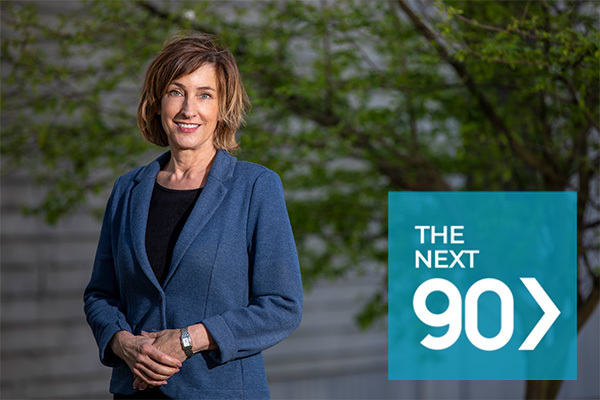
Scientists in the Earth & Environmental Sciences Area (EESA) are tackling some of the most pressing challenges of our time in order to enable sustainable stewardship and judicious use of the Earth’s resources. Associate Lab Director Susan Hubbard discusses the Area’s mission and priorities. https://sites.google.com/lbl.gov/the-next-90/experience-the-present/earth-and-environmental-sciences
Axions Could Be The Fossil Of The Universe
How far back into the Universe’s past can we look today? Finding the hypothetical particle axion could mean finding out for the first time what happened in the Universe a second after the Big Bang, suggests a new study published in Physical Review D. https://www.ipmu.jp/en/20210608-CosmicAxion
Celebrate the Past: Earth and Environmental Sciences
Since the 1970s, earth and environmental scientists at Berkeley Lab have conducted basic and applied earth science research that has advanced environmental sustainability and energy security. View some of the highlights. https://photostories.lbl.gov/eesa?source=share-berkeleylab
Using Yeast to Test Heavy Metals Toxicity
A team of Lab and UC Berkeley researchers is testing the potential toxicity of lanthanides – rare earth minerals with uses ranging from MRIs to hybrid vehicles – by exposing them to baker’s yeast. The study will help researchers gauge toxicity against future usage. https://newscenter.lbl.gov/2021/06/07/heavy-metals-disease-yeast/
Supercomputer Perlmutter Helps DESI Map the Universe
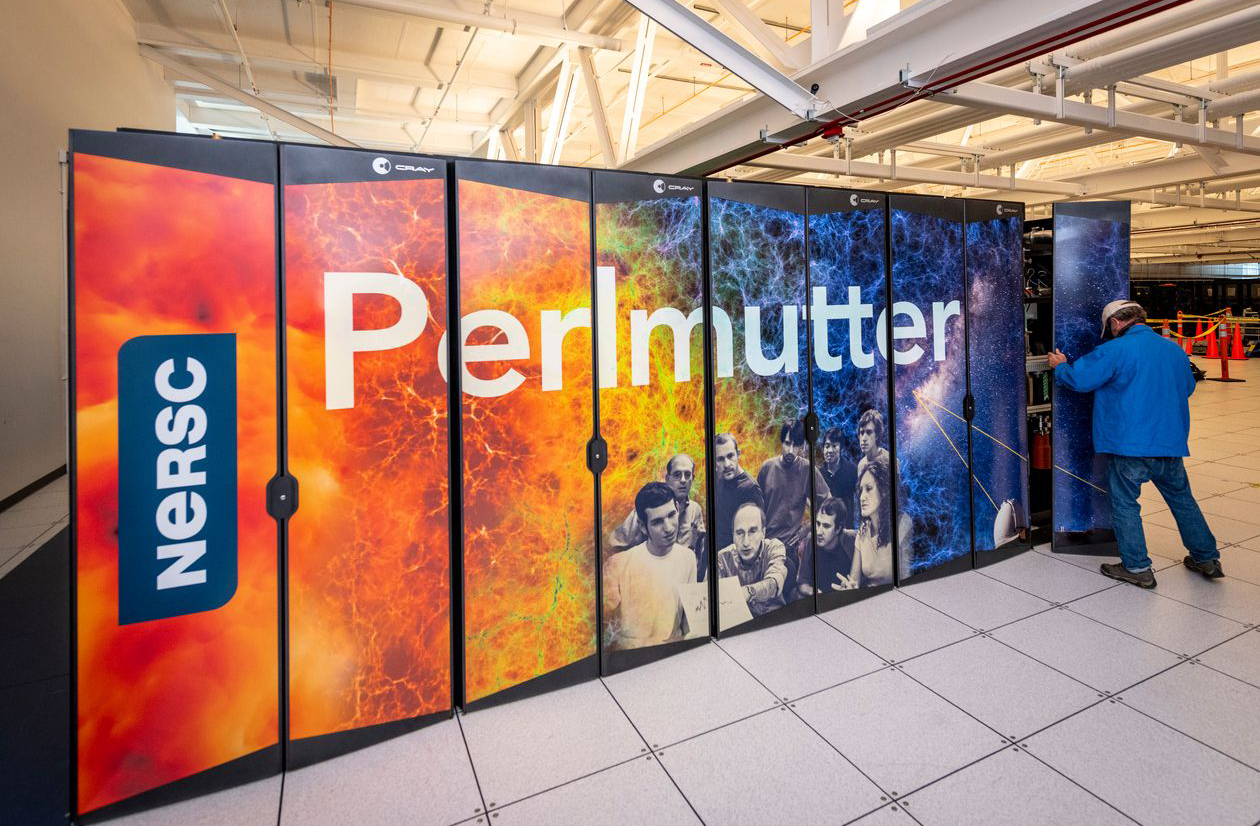
The Wall Street Journal tells the story of a team of scientists with the Dark Energy Spectroscopic Instrument (DESI) survey project using the new Perlmutter supercomputer to analyze tens of thousands of astronomical objects in a quest to capture the light of 30 million galaxies and quasars. https://www.wsj.com/articles/supercomputer-embarks-on-effort-to-map-the-universe-dark-energy-and-all-11622842240
Programmable Micromagnets for Single-Cell Sorting
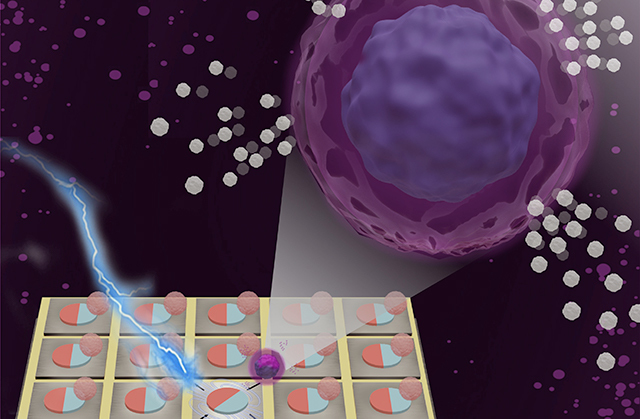
Experiments done at the Advanced Light Source (ALS) helped lay the foundation for a way to selectively capture and release individual cells using electrically controllable micromagnets. The platform could support a wide variety of biotechnology applications, including personalized cancer treatments. https://als.lbl.gov/programmable-micromagnets-for-single-cell-sorting/
The EcoPOD Provides A New Way to Link Plants, Soil, and Microbes
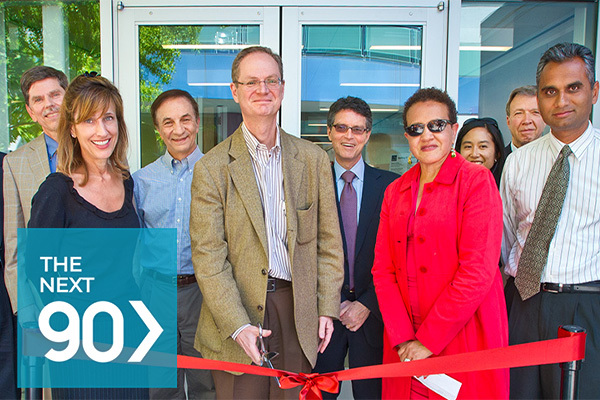
On May 25, Lab and Biosciences Area leadership officially welcomed the EcoPOD, a high-tech growing chamber, to its home at Potter Street. Deputy Director for Research Horst Simon and Associate Laboratory Director for Biosciences Mary Maxon opened the doors of the EcoPOD after the ribbon cutting. https://biosciences.lbl.gov/2021/06/01/ecopod-provides-new-way-to-link-plants-soil-microbes/
Artificial Spin Ice Toggles Twist in X-Ray Beams on Demand
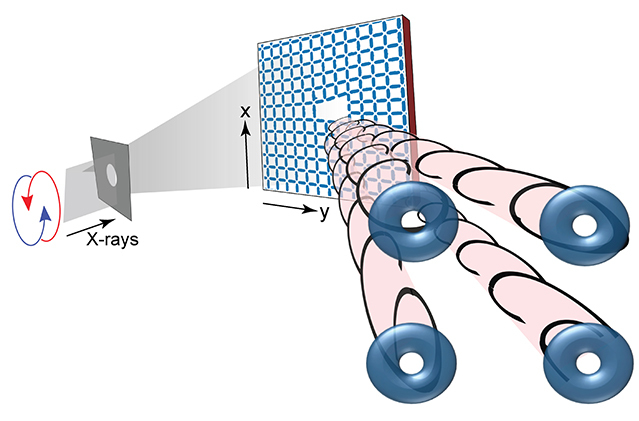
Advanced Light Source (ALS) studies helped scientists understand how a nanoscale magnetic lattice (artificial spin ice) acts as a toggle switch for X-ray beams with spiral character — an important step toward a new tool for probing or controlling exotic phenomena in electronic and magnetic systems. https://als.lbl.gov/artificial-spin-ice-toggles-twist-in-x-ray-beams-on-demand/