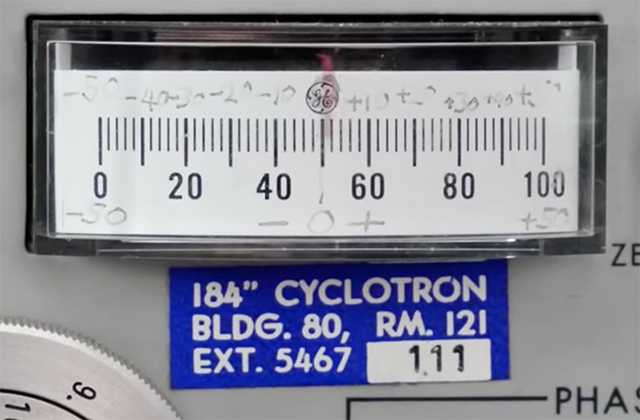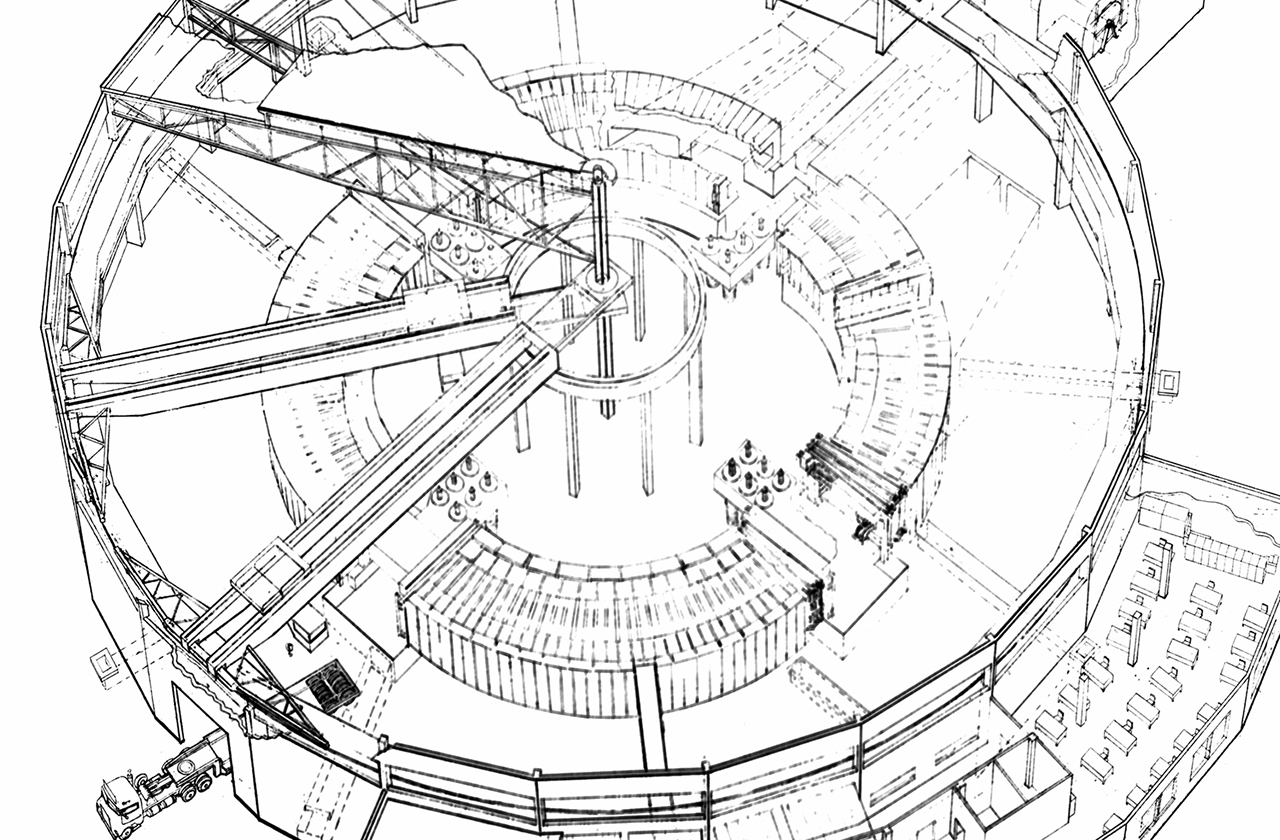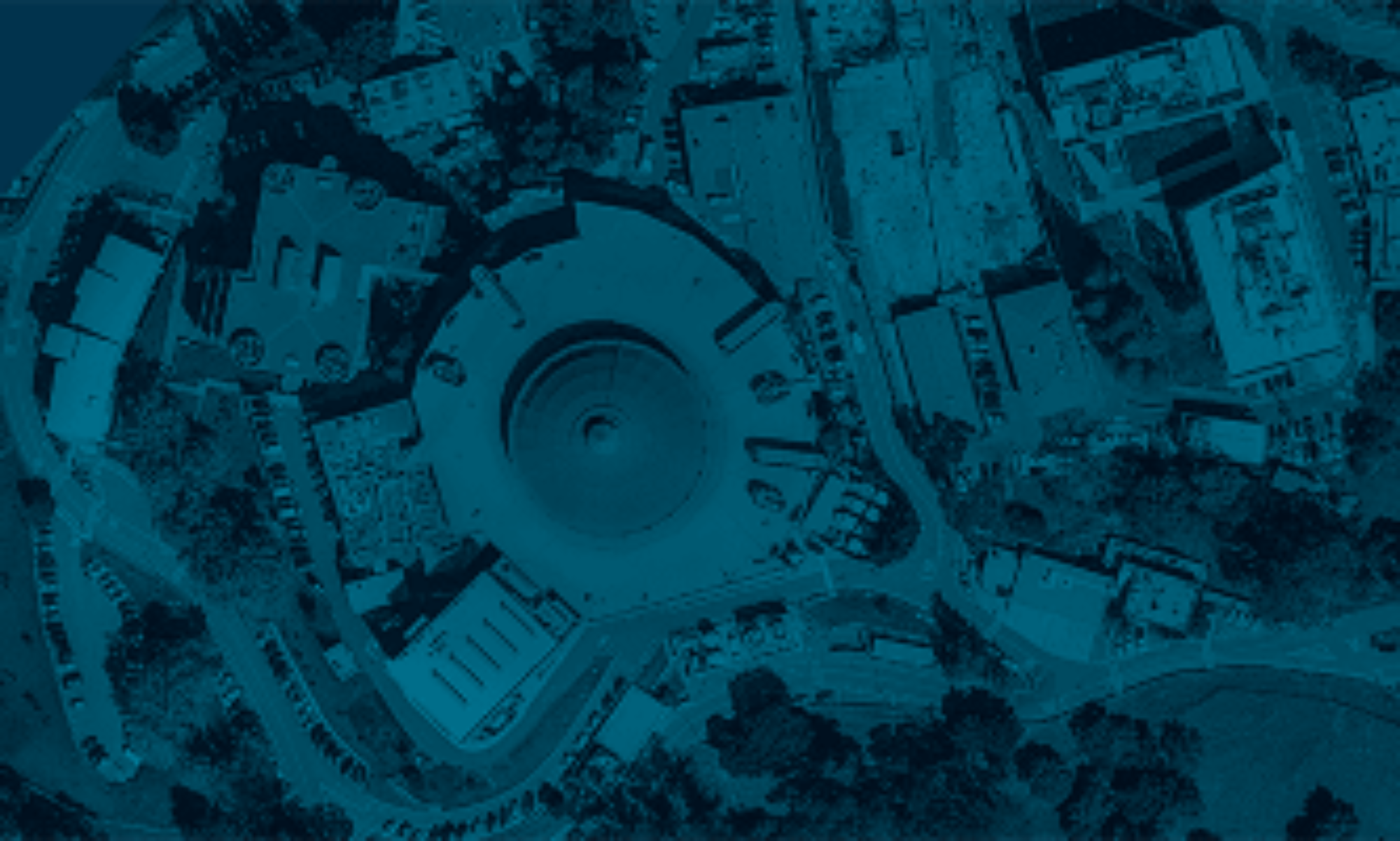
When a Berlin-based symphony composer with a fondness for converting old scientific gear into musical instruments posted to a discussion forum: “Any nuclear scientists here? 184[-inch] cyclotron question,” he launched a search that eventually led back to the Lab. https://www.symmetrymagazine.org/article/upcycled-instrument-tied-to-auspicious-accelerator
Oral Histories Offer Glimpse Into Lab’s Research Legacy
Learn more about the Lab’s rich scientific history via first-person interviews with such pioneering researchers as Owen Chamberlain, Patricia Durbin, Donald Glaser, and Ed Lofgren. Transcripts of the interviews are provided by UC Berkeley’s Bancroft Library as part of their oral history project. https://history.lbl.gov/historical-materials/lbnl-oral-history-interviews/
State of the Lab 2019: Q&A with Lab Director Mike Witherell
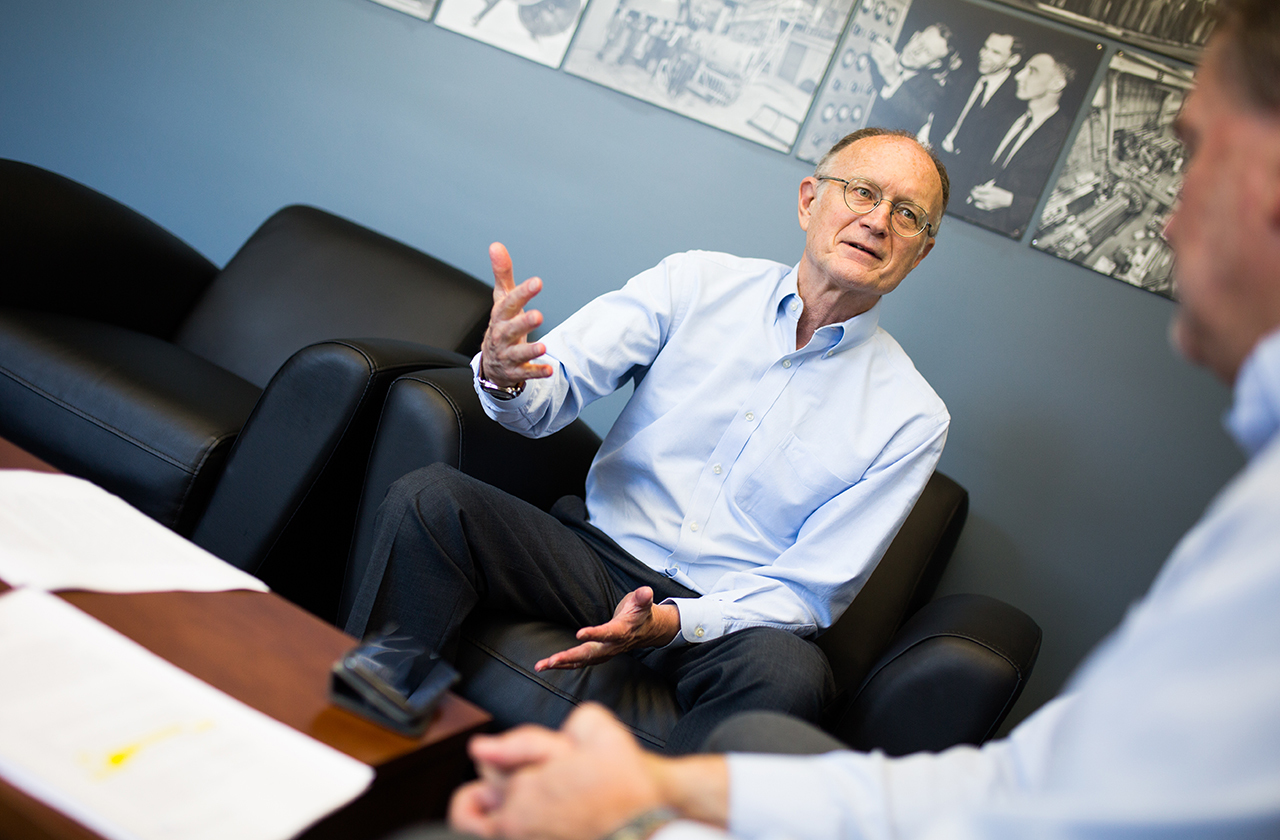
Berkeley Lab’s leaders recently delivered LBNL’s Annual Lab Plan to DOE leadership. The U.S. Senate confirmed a new director for DOE’s Office of Science. Congress is working toward an FY20 budget. Read Lab Director Mike Witherell’s thoughts on these changes and more in a State of the Lab interview. https://stratcomm-elements.lbl.gov/?p=255&preview=true
Happy Birthday E.O. Lawrence! 🎂
Berkeley Lab founder Ernest Lawrence was born 118 years ago today. His invention of the cyclotron earned him a Nobel prize and enabled the construction of ever-larger versions of it in the hills above campus, where the Lab is now located. UC named the site for Lawrence after his 1959 death. https://www.lbl.gov/history/
History: Berkeley Stakes its Claims on the Periodic Table
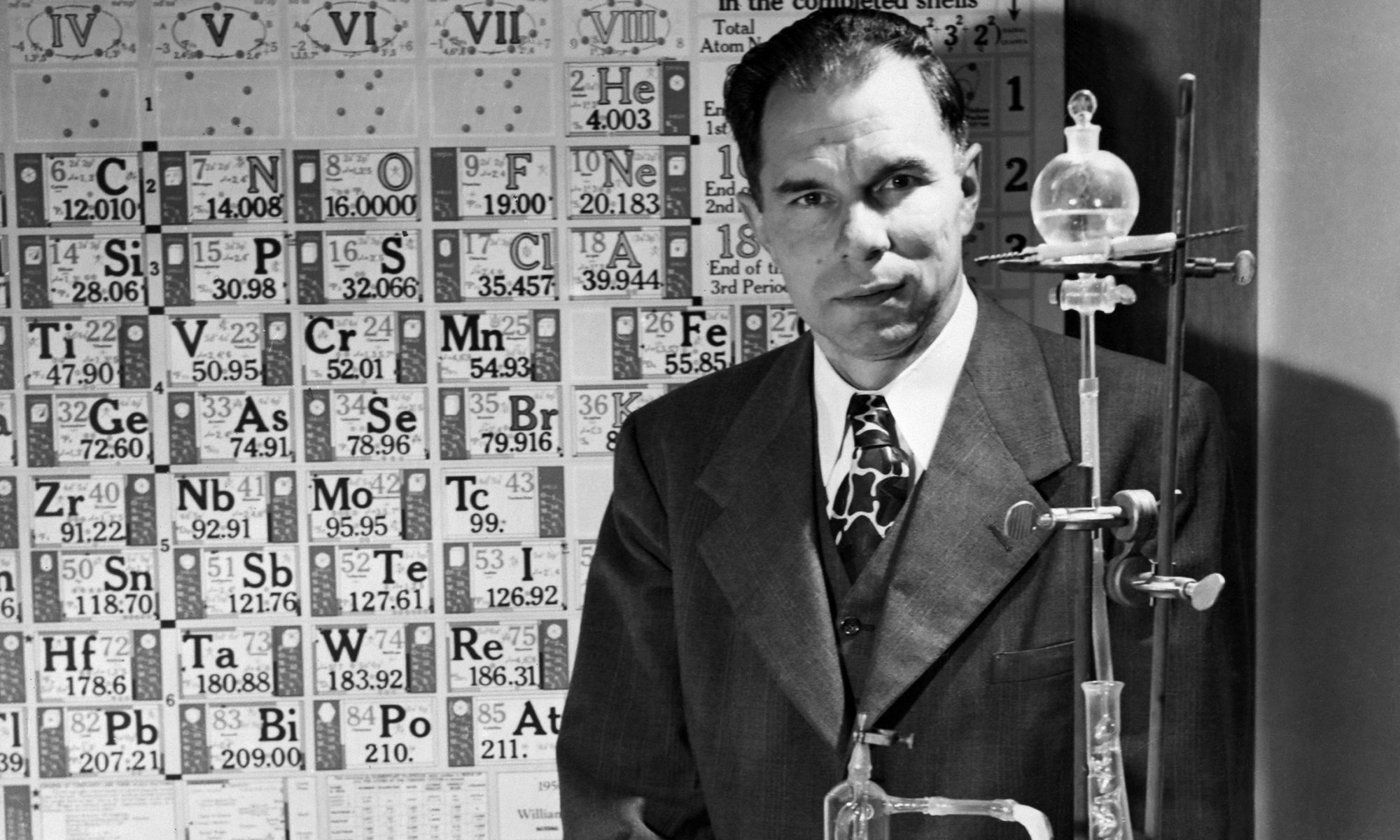
There’s berkelium, californium, plutonium, seaborgium, lawrencium, astatine, and more. UC Berkeley and Berkeley Lab claim 16 elements on the known periodic table that are ours, indisputably. But some of these claims were not always indisputable. https://alumni.berkeley.edu/california-magazine/spring-2014-branding/branding-elements-berkeley-stakes-its-claims-periodic-table
Video Tracks History of IGB Site & Biosciences at the Lab
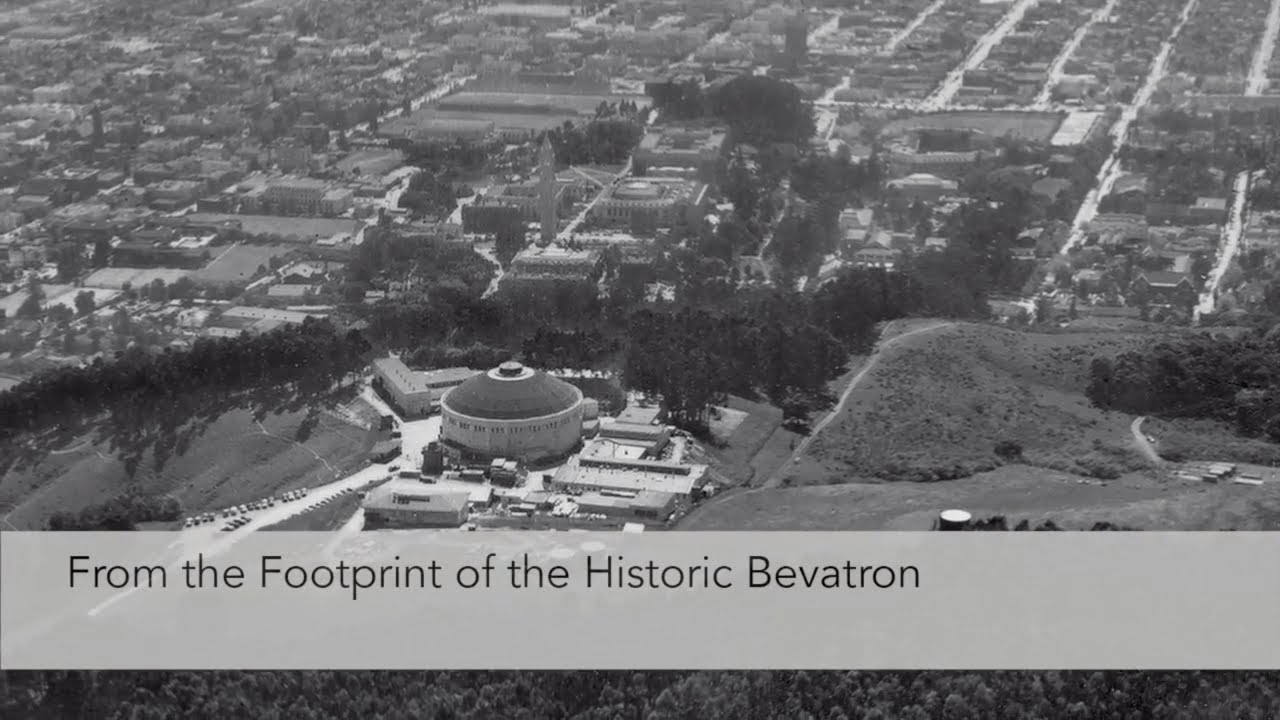
“From the Footprint of the Historic Bevatron: The Rise of the Integrative Genomics Building” traces the roots of biosciences research at the Lab, and the legacy of groundbreaking science conducted at the site where the Integrative Genomics Building (IGB) now stands. https://youtu.be/7v39i_1agHo
Three Questions For KBase’s Elisha Wood-Charlson
The KBase team, which will move into the Integrative Genomics Building in September, works with collaborators to combine diverse data sets and analyses to predict biological functions. KBase User Engagement Lead Elisha Wood-Charlson shares her insights on KBase’s accomplishments and its mission. https://stratcomm-elements.lbl.gov/2019/06/14/3-questions-4-kbases-elisha-wood-charlson/
Three Questions For Herbert Steiner on the Bevatron
The Lab’s new Integrative Genomics Building, which will be dedicated Wednesday, is not the first Lab research facility to sit on that location. The Bevatron, a particle accelerator that operated from 1954 to 1993, was the first. Herbert Steiner was there from the beginning. https://stratcomm-elements.lbl.gov/2019/06/13/three-questions-for-herbert-steiner-about-the-bevatron/
The Bevatron: 40 Years of Science
This photo essay introduces you to the scientific contributions made possible by Berkeley Lab’s famed Bevatron, a particle accelerator that operated from 1954 to 1993 on the site where the Integrative Genomics Building will be dedicated next Wednesday. https://berkeleylab.exposure.co/the-bevatron?source=share-BerkeleyLab
Your Memories Are Wanted: Looking For the History of Building 79
The Projects and Infrastructure Modernization Division is conducting a historical site assessment of the Building 79 area. Individuals who have knowledge of the historical uses of Building 79, or who know colleagues who might have information, are asked to contact the team through the PIMS website. https://pim.lbl.gov/2019/06/06/building-79-area-historians-needed/