A Wired story on new artificial intelligence techniques that can spot patterns not only in 2D images but on spheres and other curved surfaces includes a quote by Berkeley Lab’s Mayur Mudigonda, who wants to use this technology for climate research. https://www.wired.com/story/computers-are-learning-to-see-in-higher-dimensions/?utm_source=InTheLoop&utm_campaign=2e8f66a493-EMAIL_CAMPAIGN_2019_12_14_12_46_COPY_01&utm_medium=email&utm_term=0_6ff696e18a-2e8f66a493-77665873
Lab’s Ritchie Featured in Science Friday Segment
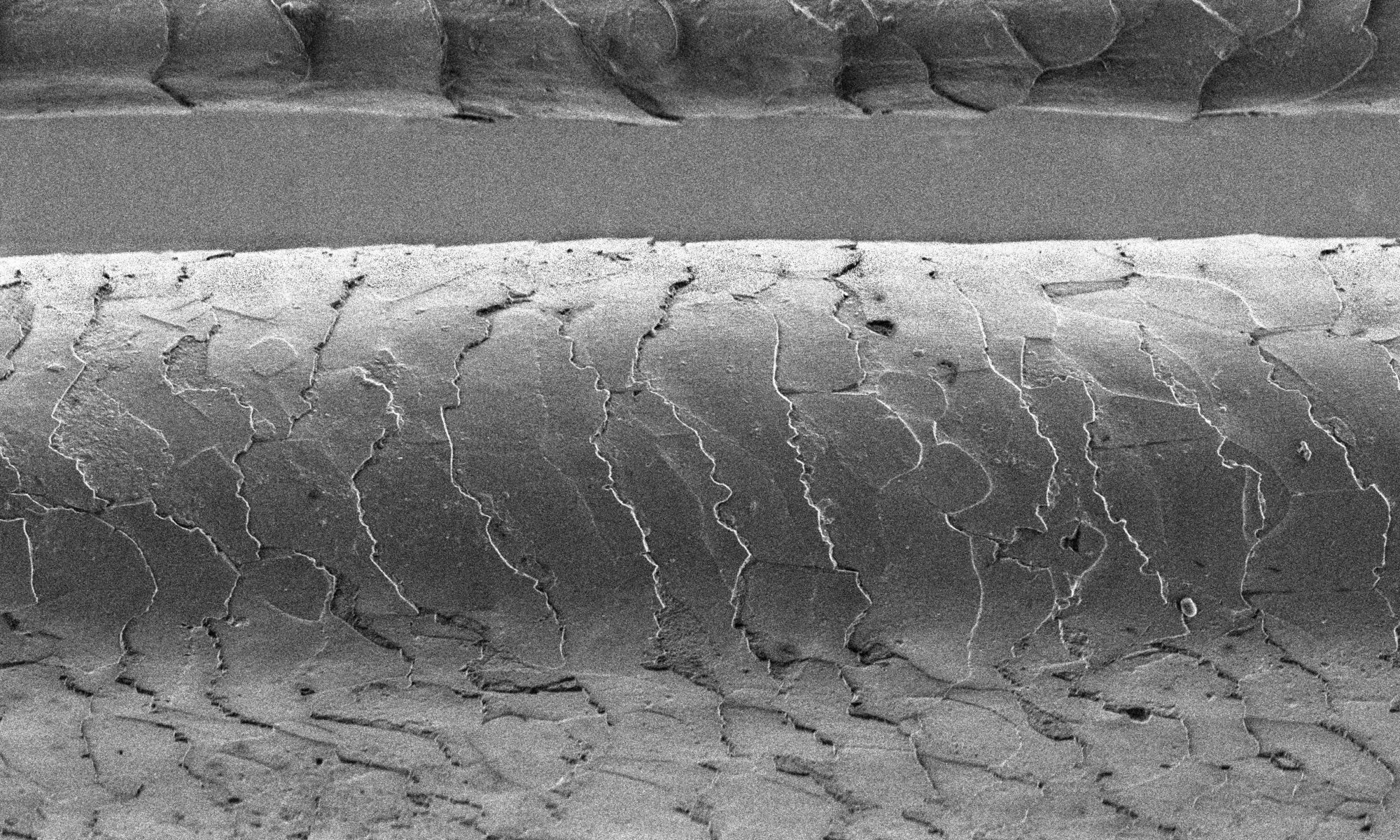
Did you know that when hair is stretched it’s stronger than steel? A team of scientists tested samples from eight different mammals, including humans, to see what gives hair its strength. Rob Ritchie discussed this research on a recent episode of public radio’s Science Friday. https://www.sciencefriday.com/segments/combing-over-what-makes-hair-so-strong/
PRI Broadcast Features Lab Plastics Research
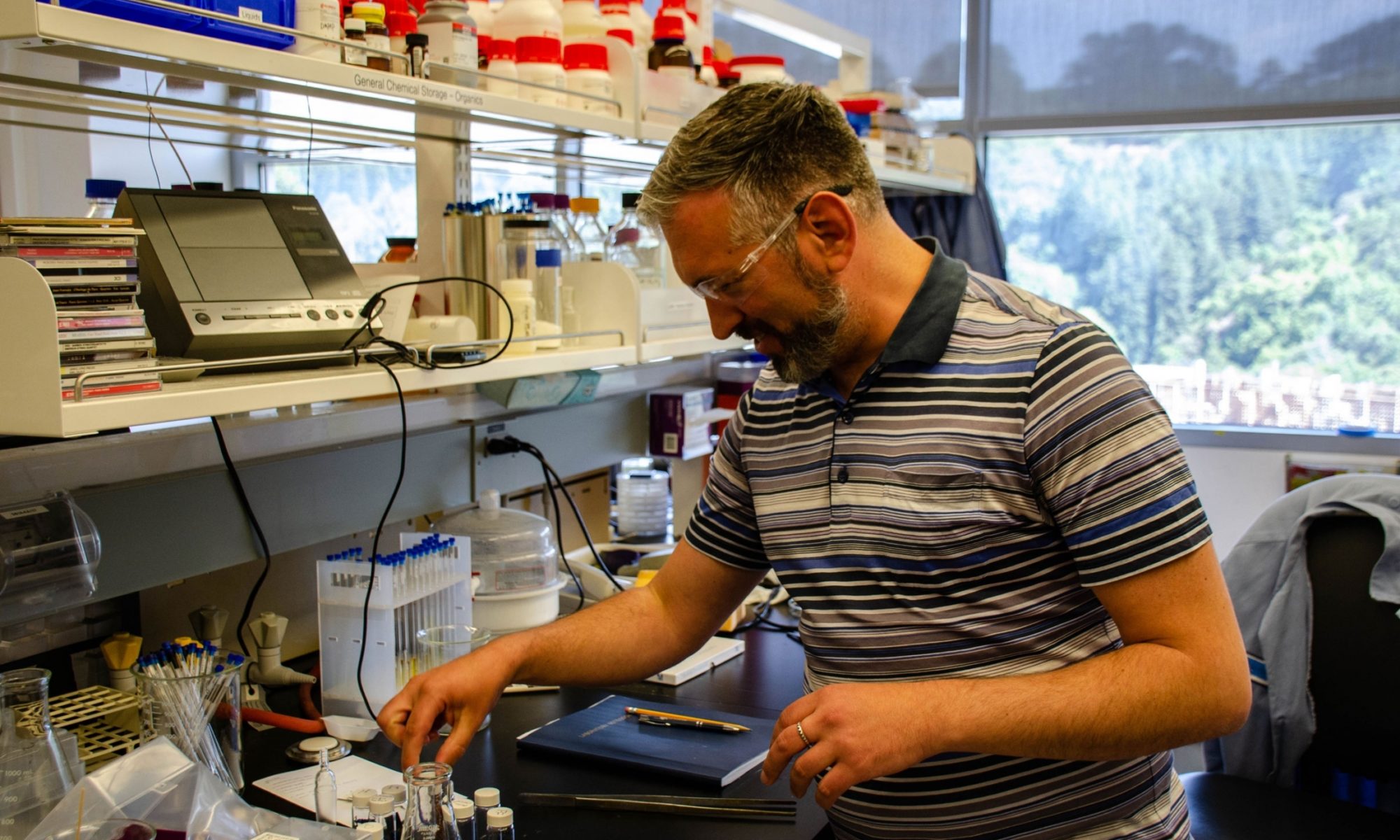
A recently aired Public Radio International story on solving the plastic waste problem includes mention of Lab research on a new type of plastic that can be used over and over. Brett Helms of the Molecular Foundry is quoted in the piece. https://www.pri.org/stories/2020-01-07/how-solve-plastic-waste-problem-build-better-plastic
NY Times Story Features Lab’s 2-D Materials Research
A New York Times Science Times cover article Tuesday featured the Lab’s research on 2-D materials. These ultra thin materials have potential to power electronics, improve batteries, boost audio quality, and improve fuel cell storage for green vehicles, among other applications. https://www.nytimes.com/2020/01/07/science/physics-materials-electronics.html?smid=nytcore-ios-share
Lab’s Peter Fiske Featured in PopSci Desalination Story
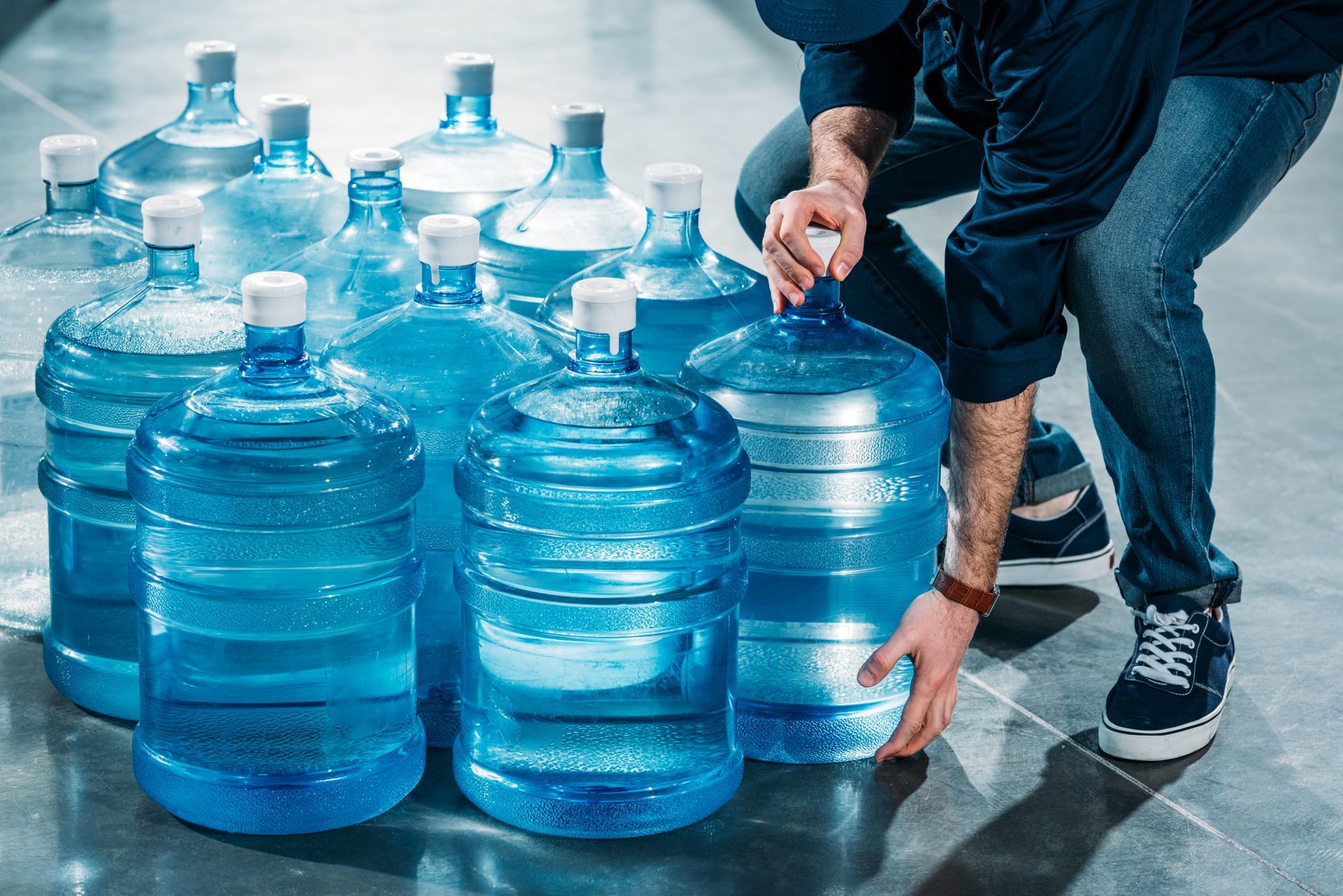
Up to 60 percent of the global population may face water scarcity by 2025, which has scientists like Peter Fiske (EESE) looking at ocean water desalination to address the issue. In a recent Popular Science article, he explains how technology could stabilize water supplies in the future. https://www.popsci.com/story/environment/desalination/
KNTV Airs Piece on Classroom Air Quality
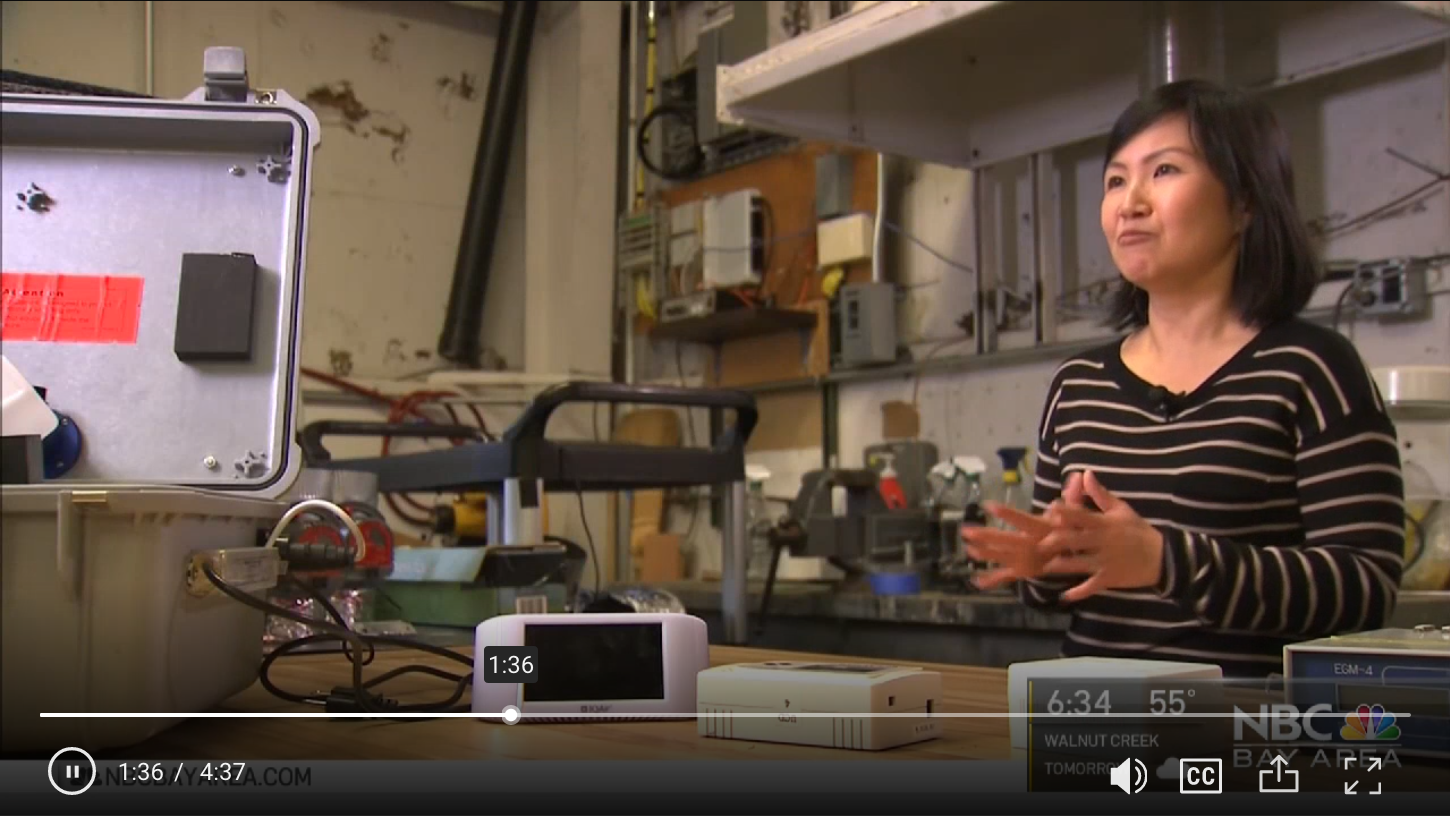
NBC affiliate KNTV interviewed ETA researcher Wanyu Rengie Chan for a story on a Berkeley Lab study showing that 85 percent of Bay Area classrooms had levels of carbon dioxide above acceptable levels of 1,000 parts per million, which can affect health and academic performance. https://www.nbcbayarea.com/investigations/carbon-dioxide-the-invisible-indoor-air-pollutant-in-californias-classrooms/2199474/
Murayama Featured in Discover Story on Dark Matter
The race to discover dark matter has vexed physicists since the 1930s. Several theories have emerged in this “dark matter derby,” which are highlighted in a recent Discover magazine article. The Lab’s Hitoshi Murayama puts his money on Strongly Interacting Massive Particles, or SIMPs. https://www.discovermagazine.com/the-sciences/what-is-dark-matter-made-of-these-are-the-top-candidates
Podcast: John Shalf On Future of Scientific Computing
In this new Sciencetown podcast, John Shalf of Berkeley Lab’s Computing Sciences Area discusses how future computers and artificial intelligence will shape the way we explore and understand our world. https://soundcloud.com/sciencetown/bonus-computing-extremely
Lab Researcher Included in Forbes’ ’30 Under 30′ List
The Lab’s Fadji Zaouna Maina is among Forbes Magazine’s 30 Under 30 list of “revolutionaries changing the course—and the face—of business and society.” Maina, included in the science category, uses computational models to better understand how climate change and pollution affect water availability. https://www.forbes.com/profile/fadji-zaouna-maina/?list=30under30-science#737c37592c53
IGB Neighbors Moving In Beginning Nov. 5
On Nov. 5, the first 55 employees from the Joint Genome Institute will move into the Integrative Genomics Building (IGB). The rest of the JGI and KBase staff will move in waves, with all moved by the end of the year. Welcome events are planned, including a Lab-wide IGB open house early in 2020. https://stratcomm-elements.lbl.gov/2019/10/23/igb-neighbors-moving-in-beginning-nov-5/