Bioscience’s Pete Andeer is on a team that is building an experimental robot station to understand the mechanics of plant and microbe interactions. The insights gained could help biofuel crops like switchgrass and sorghum to grow on land that’s unusable by mainstream agricultural operations. https://biosciences.lbl.gov/2022/03/07/behind-the-breakthroughs-pete-andeer/
The Groove Lounge – Black History Edition (Replay)
Miles Green from the IT Collaboration, Audio Visual Services group takes us on a musical journey from Africa to the Caribbean, into the American deep south and beyond. Join him on a trip through the decades, showcasing genres, songs, and artists that have impacted U.S. history and culture. https://streaming.lbl.gov/video-library
Celebrate International Women’s Day
Today is International Women’s Day, a day designed to celebrate the social, economic, cultural, and political achievements of women. Learn more about the contributions women have made throughout the Lab’s history through this interactive timeline created for the Lab’s 90th anniversary. https://sites.google.com/lbl.gov/the-next-90/celebrate-the-past/women-of-the-lab
JGI Researcher Helps Develop Plant Root Atlas
Benjamin Cole, a research scientist at the Joint Genome Institute (JGI), is co-author of a study that mapped gene expression patterns in specific plants. This plant root atlas could help researchers track cell development and how they determine identity. https://jgi.doe.gov/plant-root-atlas-for-tracking-developmental-trajectories/
Carol Burns Named WSEC Executive Co-Sponsor
The Women Scientists and Engineers Council is pleased to announce Deputy Director for Research Carol Burns as the new Executive Co-Sponsor. WSEC has also voted to change its name to Women’s Support and Empowerment Council to reflect its expanded mission and vision. Learn more about WSEC today. https://berkeleylab-erg.lbl.gov/womens-support-and-empowerment-council
Know Where to Go: The Latest SAFE Buildings Map
In the case of wildfires, those working at the Lab’s main site should know the location of SAFE buildings. These buildings — marked with bright blue signs — are built of steel or concrete, have interior sprinkler systems, defensible spaces outside, and ventilation systems that reduce smoke intake. https://site-security.lbl.gov/resource/emergency-management-resources/safe-buildings/
Take Part in Designing the Lab’s Climate Future
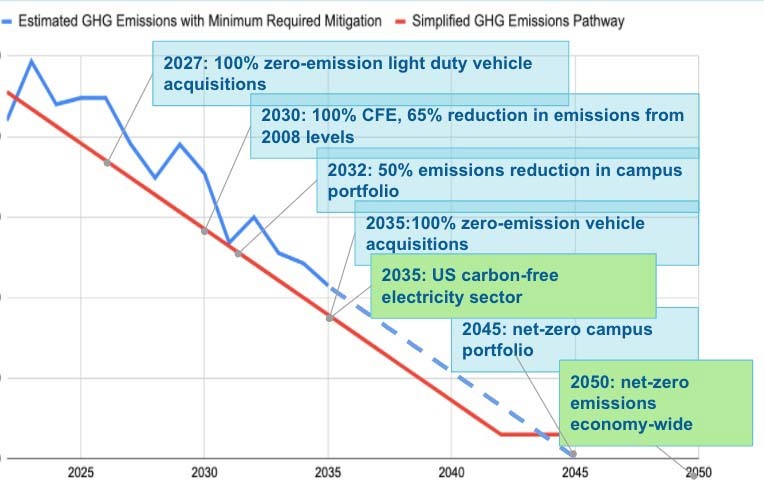
Want to take part in designing a new climate future for the Lab? Join the Net Zero Visioning team to get creative, question assumptions, and explore possibilities for energy, waste, water, buildings, fleet, procurement, and organizational change. All are welcome to apply by Friday, March 11. https://sbl.lbl.gov/category/news/#Join%20the%20Lab%E2%80%99s%20Net%20Zero%20Visioning%20Team%21%21
PIMD Celebrates Women in Construction Week
The Projects & Infrastructure Modernization Division (PIMD) is celebrating Women in Construction Week, an annual event designed to highlight women as a viable component of the construction industry. Learn more about the challenges and rewards of a construction career from four PIMD project managers. https://pim.lbl.gov/1266-2/
Bicyclists and Pedestrians Can Safely Use Grizzly Gate
Lab commuters know Grizzly Gate is one of the Lab’s three main exit points, and while it is closed to automobile traffic, did you know that bicyclists and pedestrians can still use the gate to enter or leave the Lab site? To learn more click on the link. https://site-security.lbl.gov/2022/03/07/bicyclists-and-pedestrians-can-safely-use-grizzly-gate/
Climate Simulations Redefine North American Monsoon Causes
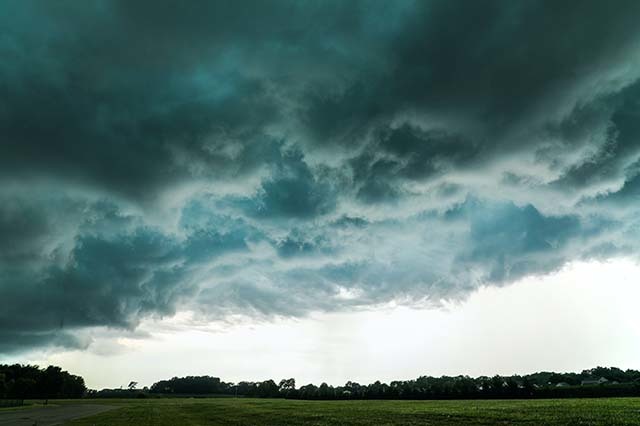
On average, western Mexico and the American Southwest receive half their rainfall for the year between July and September. The deluge is due to the weather pattern known as a monsoon – but new analysis shows that this monsoon is like none other on Earth. https://cs.lbl.gov/news-media/news/2022/climate-simulations